Guests don’t remember the exact brand of dispenser you used. They remember whether the drink station worked.
They remember waiting behind a slow pourer while ice melted into weak lemonade. They remember a sticky spigot that dripped onto the linen. They remember warm water in direct sun, empty cups, and a line that backed into the buffet. When beverage service fails, it creates visible friction fast.
A 1 gallon drink dispenser solves a very specific operational problem. It gives you controlled self-service, cleaner presentation, and enough capacity for small and medium groups without making the station bulky or hard to manage. For planners, caterers, restaurant teams, and backyard hosts, that size hits a useful middle ground. It’s large enough to matter, but still easy to lift, refill, clean, and place almost anywhere.
The Secret to Effortless Beverage Service
Guests reach the drink table all at once. The ceremony just ended, the food line is forming, and nobody wants to wait behind a slow pour or ask where the cups are. In that moment, beverage service succeeds or fails on setup, not good intentions.
A 1 gallon drink dispenser works well because it supports controlled self-service in a small footprint. Based on typical product specifications, one gallon equals 128 ounces, which makes this size practical for smaller gatherings, secondary beverage stations, kids’ tables, waiting areas, and outdoor setups where you want enough volume without hauling a heavy container.
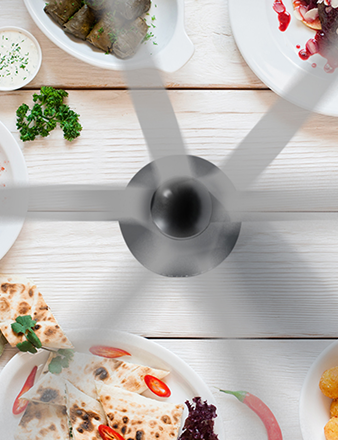
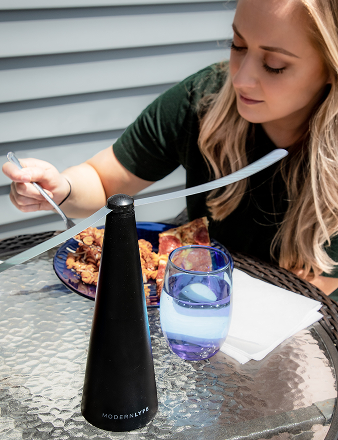
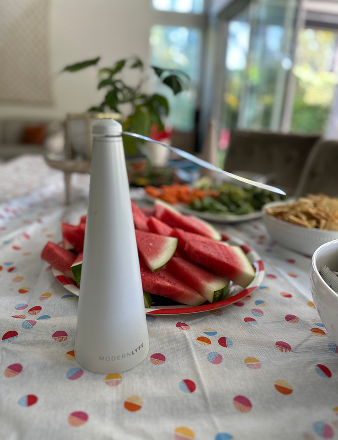
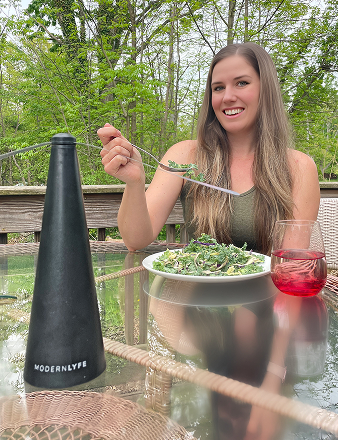
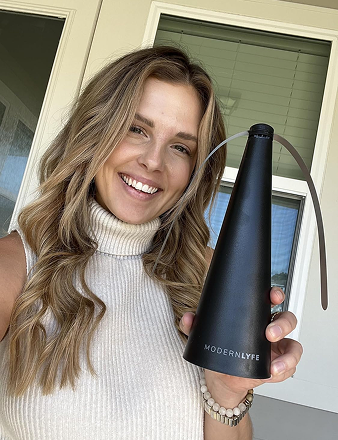
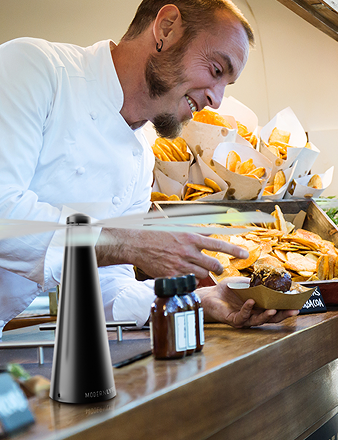
Good service depends on the full station around the dispenser. Cup placement, drip control, refill access, ice management, and table protection matter just as much as the container itself. For outdoor events, pest control belongs in that same plan. I treat fly fans near sweet tea, juice, and lemonade as part of beverage setup, not an extra accessory, because a clean-looking drink station loses credibility fast once insects start hovering around the spout and garnish tray.
Practical rule: The best dispenser is the one guests can use correctly without asking a question.
In live service, the difference is easy to spot. A table with bottles, loose ice, and no defined pour area gets crowded and sticky within minutes. A station built around a compact dispenser, a stable stand, clear cup staging, a catch tray, and basic insect control keeps people moving and keeps staff out of constant troubleshooting mode.
That is the advantage. A dispenser helps create a drink station that stays sanitary, looks organized, and holds its pace through the busy part of service.
Choosing Your Ideal Dispenser Material
Material decides more than looks. It affects transport, breakage risk, flavor neutrality, cleaning, and whether the dispenser still feels presentable after repeated use. If you’re buying for real service instead of occasional novelty, choose the material based on venue conditions first and appearance second.

Glass for presentation and flavor neutrality
Glass remains the best-looking option for most beverage displays. It shows off citrus slices, tea color, herbs, and layered fruit infusions far better than opaque materials. For weddings, hotel breakfast service, and dessert-adjacent beverage stations, glass usually looks more deliberate than plastic.
High-quality glass models also bring a practical advantage. According to NutriChef product specifications for a 1-gallon glass dispenser, better units often use soda lime glass with thermal shock resistance up to 160°F, along with 18/8 stainless steel spigots for corrosion resistance with acidic drinks like lemonade. That combination matters if you rotate between citrus drinks, tea, and infused water and want a body and faucet that won’t affect taste.
Glass isn’t perfect. It’s heavier. It’s less forgiving during transport. It also demands more care on uneven outdoor surfaces, especially if guests are serving themselves on grass, decking, or temporary banquet tables.
Glass works best when:
- Presentation matters most and the dispenser is part of the visual design
- The station stays put once set
- You’re serving acidic or delicate drinks and want a non-reactive vessel
- Staff can handle setup carefully instead of tossing gear into bins and vans
Plastic for versatility and easy transport
Plastic is the workhorse. For food trucks, family events, school functions, poolside use, and any service setup that gets loaded in and out often, plastic usually makes more sense than glass. It’s lighter, easier to carry in multiples, and less stressful in high-traffic environments.
Not all plastic dispensers feel cheap. Clear units can still look clean and modern if the seams are tidy and the spigot doesn’t wobble. For a self-serve station where speed and portability matter more than premium styling, plastic is often the better operational choice.
The downside is wear. Over time, lower-grade plastic can cloud, stain, or hold onto drink aromas. If you rotate between sweet tea, punch, and citrus drinks, you may notice that older units never look fully fresh again, even after washing. That doesn’t make them unusable. It does limit where you’ll want to place them.
Stainless steel for utility and temperature control
Stainless steel isn’t the typical first pick for decorative service, but it’s often the smartest one for demanding conditions. If your priority is durability, insulation, and repeated use, stainless is hard to beat. It handles transport better than glass and usually feels more substantial than plastic.
Its main drawback is obvious. You can’t see the beverage. That matters when part of the appeal is visual, or when guests want to know what they’re pouring without reading signage. In some layouts, an opaque body slows service because people hesitate.
Still, stainless is a strong fit when:
- You need toughness for mobile or repeated commercial use
- Temperature retention matters more than display
- The setup is modern and minimal, not decorative
- You want fewer worries about chips, cracks, and cosmetic aging
| Material | Best use | Main strength | Main trade-off |
|---|---|---|---|
| Glass | Weddings, buffets, styled events | Clear presentation and neutral taste | Weight and fragility |
| Plastic | Outdoor parties, transport-heavy service | Lightweight and practical | Can stain or hold odors over time |
| Stainless steel | Mobile service, utility-focused setups | Durable and often better at holding temperature | Opaque body limits visual appeal |
If your team moves equipment often, durability beats beauty. If the dispenser sits in photos all day, beauty matters more than you think.
For most buyers, the answer isn’t one perfect material. It’s owning the right material for the setting you run most often.
Decoding Key Features for Flawless Service
A dispenser body gets attention. The features determine whether service feels smooth or annoying.
Most buying mistakes happen here. People choose based on shape, color, or price, then end up fighting a slow spigot, loose lid, awkward stand, or useless infuser that’s harder to clean than it is to enjoy. If you want a dispenser that performs well under real use, inspect the small parts before the large silhouette.

Start with the spigot
The spigot is the make-or-break component. A good vessel with a weak faucet becomes a messy station fast. Stainless steel spigots usually hold up better than flimsy plastic taps, especially if you serve acidic beverages, sweet drinks, or refill frequently.
Look for a spigot that opens with controlled pressure and closes cleanly. If the lever feels loose out of the box, it won’t improve in service. If the seal feels cheap, expect drips.
What works:
- Stainless steel hardware for repeated use and acidic beverages
- A smooth, deliberate lever action that guests can operate one-handed
- A design you can disassemble for cleaning
What doesn’t:
- Thin plastic taps that flex when touched
- Short, cramped outlets that force cups to tilt awkwardly
- Non-serviceable spigots that trap residue inside
Lids, seals, and access
The lid affects both hygiene and convenience. Lift-off lids are easy to refill but can let in debris more easily outdoors. Better-fitting lids keep the station cleaner and help the beverage stay in better condition during service.
If you’re adding fruit, ice, or herbs, test how easy the opening is to work with before buying. A narrow opening looks elegant in product photos and becomes irritating during setup. Staff should be able to load and clean the unit without scraping knuckles against the rim.
A dispenser that’s hard to refill will be underfilled. A dispenser that’s hard to clean will be cleaned badly.
Stands and clearance matter more than most buyers expect
A beautiful dispenser with poor cup clearance is a design mistake. Guests need room to place a cup under the spigot without angling it sideways. If the dispenser sits too low on a table, every pour becomes slower and messier.
Separate stands can solve that problem, but only if they’re stable. Thin decorative wire stands often wobble when guests press the lever. Integrated bases tend to be less elegant but more reliable in busy service.
Check these details before you commit:
- Cup clearance under the tap
- Base stability on your actual table type
- Whether the stand footprint crowds cups, garnish, or labels
Useful extras and gimmicks
Some added features earn their place. Others just create more parts to wash.
According to Alibaba listings and market notes on 1-gallon drink dispensers, modern models often include infuser chambers, insulation that can maintain temperatures for 4 to 6 hours, and dual-spigot formats, with 65% of event planners prioritizing multi-beverage options. That tracks with real service needs. Guests like choice, and planners benefit when one footprint can support variety.
Features worth considering:
- Infuser chambers if you serve fruit water, iced tea, or herb-forward drinks and want the liquid to stay visually clean.
- Insulated construction if the dispenser will sit outside or away from refrigeration.
- Dual-spigot models when you need two options in one station, such as still water and tea.
Features I’d skip unless you know you’ll use them:
- Oversized decorative lids
- Complicated internal inserts that trap pulp
- Novelty shapes that are hard to store
The right feature set should reduce labor, not create it.
Planning Your Beverage Capacity and Strategy
A beverage station usually fails in a very predictable way. Guests arrive thirsty, the first dispenser empties faster than expected, refills are stuck in a warm back room, and by the time staff catch up, the table is wet, sticky, and pulling flies.
A 1 gallon dispenser works well when you plan the whole station around it. One unit gives you 128 ounces to work with, which is enough for a small group or for one drink in a multi-option setup. For service, I plan by drinking behavior first, then by guest count. A sunny graduation party, a baby shower with mostly nonalcoholic drinks, and a short office lunch can all have the same attendance and very different demand.
Plan for pace, temperature, and refills
Guests do not drink in neat, even portions. They tend to hit the station in waves. Arrival, meal service, and dessert all create spikes, so a single full dispenser is only the starting point.
For a 1 gallon format, the smartest strategy is usually:
- Put one primary drink on the table
- Keep at least one cold refill ready offsite or in a cooler
- Assign someone to check the level before it drops to the last few pours
That last step matters more than people expect. Once the liquid gets low, guests tip the dispenser mentally even if they cannot tip it physically. They start pumping the spigot harder, pours get slower, and the station loses its polished feel.
Outdoor service needs one more layer of planning. Cold drinks, cut fruit, and sweet tea attract insects fast, so capacity planning should include hygiene protection, not just beverage volume. I treat fly fans near the station as part of the beverage setup, especially for garden parties, patios, and weddings. They help protect the pour area without putting covers over every cup or forcing staff to constantly guard the table.
Build the menu around the dispenser size
A 1 gallon unit shines when each drink has a clear role.
Good assignments include:
- Water at a satellite hydration station
- Lemonade or iced tea for a casual self-serve table
- A small-batch mocktail with strained ingredients
- Fermented or specialty drinks such as kombucha cocktails when you want a distinctive option without committing to a full large-format batch
This size is less forgiving with thick recipes, heavy pulp, or drinks that separate quickly. Those create slow pours, messy spigots, and extra cleaning during service. If the recipe needs frequent stirring or clogs the tap, it does not belong in a 1 gallon self-serve dispenser.
Use multiple small dispensers when flexibility matters
For events, I often prefer two or three smaller dispensers over one oversized vessel. The station looks cleaner, guests make faster choices, and staff can swap one container without shutting down the whole beverage area. That also lets you separate plain water from sweeter drinks, which cuts down on line congestion.
If your guest count or service window is pushing beyond what frequent refills can reasonably support, it helps to compare the 1 gallon format with a 10 gallon beverage dispenser for high-volume events. The larger format makes sense for long service periods, high heat, or heavy self-serve traffic. The 1 gallon size remains the better tool when variety, quick swaps, and a tidy station matter more than raw volume.
A good beverage plan is not just “how many ounces do we need.” It is how to keep drinks cold, the table clean, the refill cycle short, and the station protected from pests while guests serve themselves comfortably.
Mastering Setup for Events and Daily Use
Setup decides whether your beverage station feels polished or improvised. A strong dispenser can still underperform if it’s placed in the wrong spot, crowded by cups, exposed to insects, or forced into the traffic pattern of a buffet line.

Place the station where people can approach and leave cleanly
The station should sit where guests can step in, pour, and exit without colliding with diners, servers, or the main buffet queue. That often means giving beverages their own edge of the table, side console, or satellite station instead of squeezing them between plates and chafers.
For everyday hospitality use, I prefer a layout that separates three functions:
- Pouring zone with dispenser and drip control
- Pickup zone with cups, napkins, and stirrers
- Waste zone with a discreet bin nearby
That small bit of zoning keeps the surface cleaner and makes guest behavior more predictable. It also helps staff reset quickly during service.
If you’re organizing a broader event kit, a practical catering equipment checklist for service planning helps catch the basics people forget, especially cup backups, drip trays, and transport bins.
Outdoor service needs a hygiene plan
This is the part most drink dispenser guides skip. Outdoor beverage stations aren’t challenged only by heat. They’re challenged by insects, exposed spouts, and guests who leave cups half-covered near the pour point.
That oversight matters. A Vevor product page discussing outdoor beverage service concerns cites a 2025 USDA report noting that 68% of outdoor food service complaints involve insects, and it notes that Google searches for “beverage dispenser fly protection” rose 40% year over year in early 2026. Whether you run weddings, patios, food stalls, or backyard parties, that lines up with what operators already know. The spout is the vulnerable point.
Keep the pour point protected, not just the food. An uncovered spigot is still part of the service line.
Build a complete station, not just a drink display
A hygienic beverage station needs more than the dispenser itself. It needs environmental control around the dispenser.
Use this outdoor checklist:
- Create shade when possible so the drink and the service area stay more stable
- Keep the spigot away from trash and used-glass return points
- Use a cleanable tray or mat under the tap to catch drips
- Protect the surrounding zone from insects, especially around the spout and cup stack
- Set backup cups away from the primary pouring path so guests don’t handle the whole stack
That last point helps more than one might anticipate. Once one area gets sticky, guests start touching surfaces they shouldn’t, napkins clump, and the station loses its clean look.
For hosts building a more distinctive drink menu, resources on kombucha cocktails can help you develop batch-friendly ideas that feel more current than basic punch. Just choose recipes that pour cleanly and won’t clog the tap with pulp, seeds, or heavy sediment.
A quick visual demo helps when you’re planning your own layout:
Daily use follows the same rules
Restaurants, cafés, and office hospitality stations benefit from the same discipline. Give the dispenser its own footprint. Keep refills close but hidden. Don’t let the cup stack crowd the spigot. And never assume a tidy setup will stay tidy without someone assigned to reset it during service.
The station should look like someone is in control, even when nobody is standing there.
Essential Cleaning and Long-Term Maintenance
Most dispensers don’t fail because the body gives out. They fail because the spigot gets neglected.
Sugar, fruit residue, tea tannins, and fine pulp collect where guests can’t see them. That buildup leads to drips, sticking, off smells, and eventually replacement. According to Pyle product-related maintenance notes, consumer reports indicate that 30% to 50% of dispenser spigots fail within six months due to residue from sugary drinks, and a 2026 study found that 42% of food service vendors discard dispensers early because of clogged or leaking spigots that could have been maintained. That’s not a design issue alone. It’s a cleaning workflow issue.

Clean in stages, not all at once
A professional routine is simple and repeatable.
- Empty immediately after service. Don’t leave sweet liquid sitting overnight.
- Rinse the body with warm water before residue dries onto the walls.
- Disassemble the spigot if the model allows it.
- Wash each component by hand, including seals and threads.
- Air dry completely before reassembly or storage.
That middle step is the one people skip. If you never open the faucet assembly, you’re only cleaning the visible surfaces.
Deep clean the trouble points
When a dispenser starts dripping or pouring unevenly, the problem is often hidden film inside the faucet path. A periodic soak can help loosen residue, especially after repeated use with lemonade, sweet tea, or punch.
Focus your deep-clean routine on:
- Spigot threads and seals
- The interior opening where liquid exits the body
- Lid grooves and undersides
- Infuser inserts and narrow channels
The part that looks clean first is usually not the part causing the problem.
For a broader household-style reference, this guide on how to clean water dispenser systems thoroughly is a helpful companion. The useful takeaway is the same across formats: disassembly and drying matter as much as washing.
Storage determines lifespan
Don’t store a dispenser sealed while it’s even slightly damp. That traps odor and invites residue to harden in hidden places. Leave the lid off or loosely set, keep the spigot dry, and store removable parts where seals won’t get compressed or lost.
A few habits save a lot of frustration:
- Label parts if you maintain several units at once
- Retire worn seals early instead of waiting for active leaks
- Avoid storing with sticky residue “for later”, because later becomes repair time
If you use your 1 gallon drink dispenser regularly, maintenance isn’t optional. It’s part of service readiness.
Elevate Your Beverage Service From Good to Great
A 1 gallon drink dispenser earns its place when it makes service easier for both guests and staff. That means choosing the right material for the venue, paying attention to the spigot and lid instead of just the silhouette, and planning capacity with actual guest behavior in mind.
The details matter. Glass can enhance presentation. Plastic can simplify transport. Stainless steel can take abuse and keep going. But none of those choices rescue a station with poor clearance, a weak faucet, or no refill plan.
The bigger upgrade is operational. Strong beverage service comes from layout, cleanliness, and protection around the pour point. That matters even more outdoors, where exposure and insect pressure can undermine an otherwise good setup. A great station feels calm because it has been thought through from the cup stack to the cleanup bin.
If you host or manage outdoor setups regularly, this roundup of outdoor entertaining accessories that support smoother service is a useful next step when you’re refining the full guest experience.
Buy the dispenser that suits your actual use case. Set it up like it belongs in the event, not as an afterthought. Maintain the spigot like it’s the working heart of the unit, because it is. Do that, and a small-format dispenser can perform like professional equipment instead of party clutter.
Frequently Asked Questions
Can a 1 gallon drink dispenser hold hot beverages
Sometimes, but only if the material and construction support it. High-quality glass models may use soda lime glass with thermal shock resistance up to 160°F, as noted earlier from the NutriChef specifications. Even then, I’d avoid extreme temperature swings. Don’t move a cold glass dispenser straight to a hot fill, and don’t assume every glass unit is built the same way. For hot service, test conservatively and follow the product’s own care guidance.
What’s the safest way to transport one to an off-site event
Transport it empty whenever possible. Fill on site. A full or partially full dispenser is harder to stabilize, more likely to leak around the lid or spigot, and more dangerous if it tips. Pack the body upright, remove loose parts if practical, protect the spigot from pressure, and carry beverage in separate sealed containers until setup.
What kinds of drinks work best in this format
Choose drinks that pour cleanly and stay appealing as they sit. Infused water, iced tea, lemonade, and simple batch mocktails are strong candidates. Avoid thick mixtures, drinks with heavy pulp, or anything carbonated enough to create pressure and uneven flow.
Is one dispenser enough for a party
For a single beverage at a modest gathering, yes. For better guest experience, multiple smaller dispensers usually outperform one crowded station. Guests move faster when choices are visible and the pour point stays clear.
How do I keep the station looking clean through the event
Start with a drip-catching surface, enough cup stock, and room around the spigot. Then assign someone to reset the area during service. Even a beautiful setup starts to decline once drips build up and guests start handling supplies out of sequence.
Modern Lyfe helps hosts, caterers, restaurants, and event teams protect food and drink service from one of the most common outdoor frustrations: flies. If you want a cleaner, more comfortable beverage station that still looks polished, explore Modern Lyfe for elegant fly fan solutions designed for buffets, receptions, patios, and backyard gatherings.