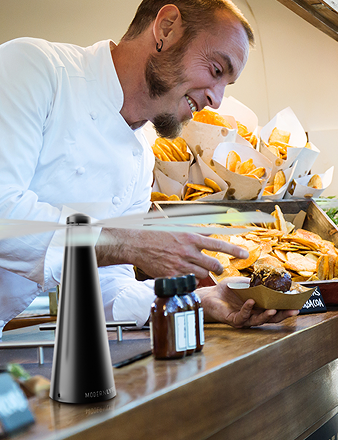
A room can be beautifully styled and still look unprofessional the second guests see cords draped across a table edge. In hospitality, that small detail does more than hurt the look. It creates a trip point, complicates cleaning, and puts power leads too close to food service zones.
That’s why the 1 inch grommet matters more than one might anticipate. It’s a simple hardware piece, but in restaurants, hotels, wedding venues, and catering setups, it solves three problems at once. It hides cables, protects them from sharp table edges, and gives equipment a planned path instead of letting wires wander wherever they can.
I’ve seen this make the difference between a setup that feels temporary and one that feels built for service. If you’re powering table lamps, POS gear, charging stations, buffet warmers, or discreet insect-control devices, a good grommet keeps the whole presentation tighter, safer, and easier to manage.
The Secret to a Clean and Professional Event Setup
A messy cable run can undo expensive styling fast. White linen, polished chafers, florals, and uplighting don’t land the same way when black cords loop across the table and down to the floor.

The fix is often a 1 inch grommet placed exactly where power needs to pass through a tabletop, counter, host stand, or service station. Instead of feeding cords over an edge, you route them through a clean opening with a finished rim. The result looks intentional because it is.
Why hospitality teams keep using them
In event work, small improvements add up. A grommet helps staff in practical ways all shift long:
- Cleaner presentation: Cables disappear into the surface instead of hanging in guest view.
- Safer walkways: Fewer loose leads often end up crossing traffic paths near buffet lines or reception tables.
- Better hygiene control: Staff can wipe around a defined cable pass-through more easily than around a pile of wires.
- Less cable wear: The grommet edge protects cords from rubbing against raw wood, laminate, or metal cutouts.
Practical rule: If a cord has to stay on a guest-facing table for more than one service, it needs a planned path.
This isn’t a niche concern. The global cable management market reached $1.5 billion in 2023 and is projected to grow at a 7.2% CAGR through 2030, reflecting how important organized, hazard-free cable routing has become in real-world setups, including hygienic and pest-conscious environments (Mockett grommet hole size chart).
Where this matters most
A few hospitality setups benefit immediately:
- Restaurant patios: Devices on communal tables need power without exposed leads where guests place plates and drinks.
- Wedding receptions: Sweetheart tables, DJ support tables, and gift table displays look sharper when cables drop through the surface instead of over the front.
- Buffet stations: Service equipment stays easier to clean when cords are grouped and controlled.
- Conference and hotel event rooms: Charging access looks built-in rather than improvised.
If you’re also refining the visual side of your setup, good cable control works hand in hand with strong styling choices like these unforgettable backdrops for events. The backdrop may draw the eye first, but guests notice clutter just as quickly.
Decoding the 1 Inch Grommet
The most common buying mistake is assuming every “1 inch grommet” means the same thing. It doesn’t.
Sometimes 1 inch refers to the hole in the surface. In other cases, it refers to the inside diameter, which is the open space available for wires or tubing. If you don’t separate those measurements before ordering, you can end up with a grommet that rattles, won’t seat properly, or won’t pass the plugs you need.

The measurements that matter
Think of a grommet like a key and lock setup. The cut hole is the lock. The grommet body is the key. If the dimensions are off, even slightly, the fit won’t feel professional.
Here are the terms that matter in the field:
| Term | What it means | Why it matters in hospitality |
|---|---|---|
| Hole size | The diameter of the opening you cut into the surface | Determines whether the grommet fits snugly or feels loose |
| Inside diameter | The usable opening for cords and plugs | Tells you what can pass through |
| Outside diameter | The total width including the visible rim or flange | Affects appearance and surface coverage |
| Barrel or body depth | The section passing through the material | Must match the thickness of the tabletop or panel |
| Flange | The lip that sits on top | Gives the finished look guests see |
What works and what doesn’t
For desk-style cable management, a 1-inch hole usually means exactly that. It’s a standard opening size used by manufacturers, and Mockett specifies a precise 1 inch (25.4 mm) hole for installation. That size is well suited for routing multiple wires and small plugs up to 3/4 inch (19 mm) diameter in furniture and cable-management applications, which is why it shows up so often in office, event, and hospitality setups.
What doesn’t work is eyeballing the cut.
A rough hole made with the wrong bit usually creates one of two problems. The grommet sits proud and never fully snaps in, or the cut is oversized and the part shifts every time staff pull a cable. Both problems look cheap.
Measure the table first. Measure the plugs second. Then match the grommet spec sheet. Doing it in the opposite order is how installation mistakes start.
A fast reading of spec sheets
When you look at product specs, scan in this order:
- Required hole size
- Usable cable opening
- Panel or surface thickness
- Outer flange size
- Material and installation style
If you manage mixed inventory across hotel tables, buffet furniture, and pop-up service stations, this order keeps decisions simple. The right 1 inch grommet isn’t the one with the nicest finish. It’s the one that fits the hole, clears the plug heads you use, and stays seated during service.
Choosing the Right Grommet Material and Type
Material changes everything. Two grommets can share the same size and still perform differently once they’re installed in a busy venue.
A polished metal grommet can look right in a boardroom table or premium hotel lounge. That same piece may not be the best choice on an outdoor station that gets wet, moved, packed, and reassembled. In hospitality, the best option is usually the one that matches the abuse level, cleaning routine, and visual standard of the space.

Comparing common materials
| Material | Best use | Strengths | Trade-offs |
|---|---|---|---|
| Plastic | Indoor tables, host stands, conference furniture | Affordable, lightweight, easy to replace, available in many finishes | Can look less premium and may crack if abused |
| Metal | High-end fixed furniture, luxury hospitality interiors | Clean look, strong finish, suits premium design schemes | More visible, often less forgiving during rough handling |
| Rubber | Outdoor stations, equipment enclosures, mobile setups | Flexible, protective, better for vibration and edge protection | More utilitarian appearance |
Where each one earns its place
Plastic works well when appearance matters but the environment is controlled. I’d use it on indoor registration desks, meeting tables, or a restaurant host stand where the pass-through mostly needs to hide charger cables and tablet leads.
Metal earns its keep in spaces where guests will notice the tabletop details. Think executive conference rooms, lobby worktables, or built-in charging points in upscale properties. It looks intentional, but it needs a clean installation. If the cutout is sloppy, metal makes the mistake more obvious.
Rubber is the practical choice for anything that moves, vibrates, or lives outdoors. It protects cords better than a hard edge pass-through and handles rougher service conditions. On a patio service cart or equipment housing, I’d choose rubber before I chose appearance.
A grommet on a guest table should match the furniture. A grommet on a working station should match the job.
Type matters as much as material
The next decision is style:
- Open grommets: Best when cords can be dropped in during setup.
- Split grommets: Useful when cables are already terminated and you need to fit around existing wires.
- Rubber edge grommets: Better for protective pass-through applications than for decorative furniture.
- Lidded desk grommets: Good when you want a neater finished top surface and occasional cable access.
For fabric and canopy work, the conversation changes. In outdoor hospitality use, a 1 inch grommet often maps to a #6 size, and Sailrite notes that this heavy-duty category can secure up to 11 layers of Sunbrella Marine Grade Fabric in applications such as canopies or table coverings (Sailrite spur grommet thickness recommendations). That’s the version you want when the job is preventing tears in wind-exposed event fabric, not routing cables through furniture.
Quick selection guide
Choose based on the job, not the catalog photo:
- Guest-facing luxury surface: metal
- Indoor operational furniture: plastic
- Outdoor or mobile equipment: rubber
- Tenting, covers, textile panels: heavy-duty fabric grommet sized for the material
What fails most often is trying to force one grommet style into every use case. Hospitality setups are too varied for that.
Grommet Solutions for Restaurants Hotels and Caterers
The value of a 1 inch grommet shows up fast when service starts. It’s easy to ignore during setup. It’s impossible to ignore once cords begin crossing prep areas, guest walkways, or the front face of a styled table.

Buffet tables that stay presentable
A caterer running an outdoor wedding buffet usually has more powered gear than guests realize. There may be warming elements, lighting, payment devices, and small support equipment that all need a power path.
Without grommets, crews often drape cords off the rear corner and tape them down where they can. That works for survival. It doesn’t work for presentation.
A cleaner approach is to place grommets near the back line of the buffet surface so each cord drops through and exits underneath. Staff can then bundle and route those leads below the table instead of at plate level.
That layout also supports a cleaner sanitation workflow. Surfaces are easier to wipe when cables aren’t scattered across the service area. Teams focused on operational cleanliness may also want to review practical food-service considerations in this guide to https://modernlyfe.com/blogs/articles/modern-food-service-hygiene-standards.
Host stands that stop collecting cable clutter
Restaurant host stands have a habit of becoming cable traps. One tablet becomes two. Then a phone charger appears. Then a handheld terminal, receipt printer, and reservation device get added.
The problem isn’t visual clutter. Staff keep lifting devices to find the right lead, and cords start pulling against the edge of the counter.
A properly placed 1 inch grommet turns that tangle into a vertical drop point. It keeps the top surface clear enough for menus, check-in paperwork, or guest-facing items.
The best host stand setups have only the devices staff need on top. The rest of the cable path should disappear.
Hotel conference tables that feel built in
In hotels, meeting-room users notice charging access right away. They may not comment on it when it works well, but they notice when cords must snake from wall outlets to the middle of the table.
A fixed grommet solution improves that experience in a simple way. It gives planners and attendees a defined access point for charging cables and presentation leads. It also helps banquet and AV teams reset rooms faster because the cable route remains consistent after every event.
Patio and mobile service stations
Outdoor service is harder on every component. Furniture moves. Weather shifts. Staff break down and rebuild layouts quickly.
That’s where tougher grommet choices matter most. On rolling bars, hostess podiums, beverage displays, and service counters, a grommet protects power leads from repeated contact with unfinished cut edges. It also keeps the station looking less improvised.
Common good uses include:
- POS and payment stations where staff need charging leads but guests shouldn’t see cable clutter
- Back-bar displays where lighting or cooling accessories need a hidden exit path
- Registration and check-in tables where multiple devices share one controlled pass-through
- Vendor and market stalls where temporary furniture still needs a professional finish
The pattern is consistent. When equipment is visible, the cable route becomes part of the guest experience. A 1 inch grommet helps control that detail before it turns into a visible problem.
How to Install a 1 Inch Grommet Perfectly
Good installation is mostly about restraint. Measure carefully, cut once, and don’t force a part into a hole it wasn’t designed for.
The first thing to understand is that not every product sold under the 1 inch label installs into a 1 inch hole. For example, a standard 1-inch inside diameter rubber grommet may require a 1-3/8-inch panel hole so the groove diameter can seat correctly and create the compression fit the part is designed for (Rubber Feet Warehouse 1-inch ID rubber grommet). If you miss that distinction, the install fails before you start.
Tools that make the job easier
For most tabletop installs, keep the kit simple:
- Tape measure
- Pencil or fine marker
- Drill
- Correct hole saw or step bit
- Masking tape
- Clamps
- Backing scrap board
- Sandpaper or deburring tool
- Vacuum or brush
If you’re drilling through a finished furniture panel, the backing board matters. It helps reduce tear-out on the exit side.
For teams that already work with clamping hardware on fixtures or temporary builds, the basic discipline is the same as other precision installs. This reference on support hardware and fit-up can be useful for mindset and process: https://modernlyfe.com/blogs/articles/the-ultimate-guide-to-1-inch-pipe-clamp
Step by step for a clean cut
Mark the exact location
Don’t place the grommet where it only looks centered. Place it where cables will naturally want to drop.
For a host stand, that usually means near the rear corner or rear center. For a buffet table, it often belongs behind the working line so cords stay away from guest reach.
Use masking tape over the drill location if you’re working on laminate or a delicate finish. Mark the center on the tape.
Confirm the product spec before drilling
Read the grommet sheet and isolate three things:
- The required hole size
- The panel thickness range
- The usable cable opening
Many installs go wrong at this stage. A desk grommet and a rubber protective grommet may both be described with “1 inch,” but the cutout requirement can be different.
Drill slowly and keep the bit square
Start straight. If the bit wanders, the flange may still hide the top edge, but the body can bind underneath.
A few practical habits help:
- Clamp the panel if possible.
- Keep the drill perpendicular to the surface.
- Let the saw cut at a steady pace.
- Don’t push hard near breakthrough.
If you’re drilling wood veneer or laminate, slowing down near the end usually gives a cleaner exit.
Cut quality matters more than speed. Staff will see the result every day, long after they forget who installed it.
Finishing the opening
After drilling, clean the edge before test-fitting the grommet.
Use light sanding or a deburring tool to remove rough fibers and chips. Then vacuum the opening so debris doesn’t keep the grommet from seating fully.
If the hole is correct, the fit should feel secure without extreme force. For snap-in pieces, press evenly around the rim rather than hammering one side down first.
Match the panel thickness
This matters most with rubber styles and compression-fit parts. The groove has to engage the panel correctly. If the material is too thick or too thin for that groove, the grommet may twist loose or never seat properly.
A standard rubber unit with a 1 inch inside diameter, 1/4 inch groove width, 1-3/8 inch groove diameter, 1-3/4 inch outside diameter, and 5/8 inch overall thickness is engineered around that groove relationship. In practice, that means you should confirm the panel and hole dimensions before ordering, not after cutting.
Mistakes that cause trouble
Some errors show up again and again:
- Using the wrong hole saw: The package name sounded right, but the spec called for a different cutout.
- Ignoring plug size: The cable fits, but the adapter head doesn’t.
- Placing the hole too far forward: Guests end up seeing the cords anyway.
- Skipping edge cleanup: The grommet never sits flat.
- Forcing a loose fit: Adhesive becomes a rescue plan for a bad measurement.
A good installation looks boring. That’s the goal. The grommet sits flush, the cords pass cleanly, and nobody notices the hardware because it’s doing its job.
Maintaining and Troubleshooting Your Grommet Setup
Once a grommet is in place, maintenance is simple. The work is mostly about keeping the area clean and catching small fit problems before they turn into ugly ones.
Keeping it clean in food service areas
Wipe the visible flange as part of normal surface cleaning. Dust and grease build up around cable openings because staff touch that area often during setup and breakdown.
A few habits help:
- Use a soft cloth: This avoids scratching visible finishes on plastic or metal parts.
- Lift cables while wiping: Don’t just clean around the bundle.
- Check the underside too: Crumbs and dust often collect where cords drop below the panel.
If the grommet has a removable lid or insert, pull it occasionally and clean the recess. That’s where residue tends to hide.
Fixing common problems
A loose grommet usually points to one of two issues. Either the hole was cut slightly large, or the panel thickness doesn’t match the grip style.
Try these fixes based on the problem:
- Loose in the opening: Replace it with a model designed for a larger cutout or a style with a wider flange and better retention.
- Plug won’t pass through: Use a split design, a larger opening, or route the cable before attaching bulky accessories.
- Surface edge looks rough: Remove the grommet, clean the hole, and refit. Rough debris often keeps the flange from sitting flat.
- Grommet keeps popping out during service: Check whether staff are pulling cables sideways. Bad cable routing can defeat a good fit.
If a grommet moves every time someone plugs in a device, treat that as an installation problem, not normal wear.
When the hole is slightly too large
This happens more than people admit. The right fix is usually replacement, not improvisation.
For guest-facing furniture, don’t rely on a sloppy cosmetic patch. Use a larger-flange grommet, an oversized trim ring made for the same system, or a new insert designed for the actual opening. It looks better and holds longer.
Improve Your Space with Smart Cable Management
A 1 inch grommet is a small part, but it solves big hospitality problems. It sharpens the look of the setup, protects cords from wear, and keeps service areas easier to manage.
That matters because guests read a space fast. They notice whether a buffet looks polished. They notice whether a patio table feels organized. They notice when a conference room has usable charging access that doesn’t look improvised.
The best part is that this upgrade doesn’t require a full redesign. A well-chosen grommet gives ordinary furniture a more built-in, professional feel with little hardware. Pair it with sensible cable routing and the right power distribution, and the whole station works better. If you’re also planning how devices and accessories connect across a table or service area, this guide to practical power distribution is worth a look: https://modernlyfe.com/blogs/articles/10-outlet-power-strip
Small details carry a lot of weight in hospitality. The 1 inch grommet is one of those details.
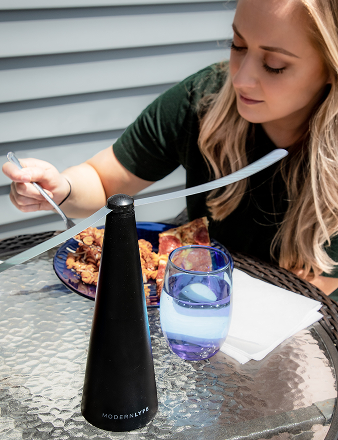
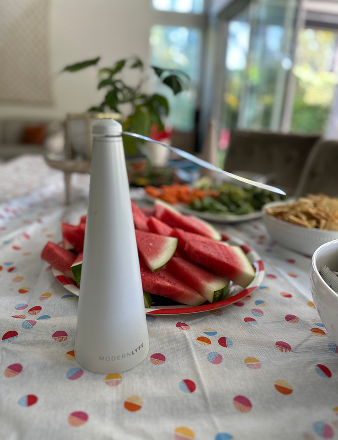
If you're refining buffet lines, patio tables, or guest-facing service stations, MODERN LYFE offers elegant insect-protection solutions designed for hospitality environments where presentation and cleanliness both matter. Their fly fans fit naturally into polished event and dining setups, helping you keep food service areas comfortable, tidy, and guest-ready.