In hospitality, the smallest tools often have the biggest impact. The 1 lb butter dish is a prime example. It’s not just a container; it's a strategic tool for any busy restaurant, hotel, or caterer.
This dish is built to hold a full one-pound block of butter—the equivalent of four standard American sticks. That large capacity is its key advantage.
Why a 1 Lb Butter Dish is Essential for Hospitality
Think about the morning rush at a breakfast buffet or a packed dinner service. Your staff shouldn't be running to the kitchen every ten minutes to refill small butter dishes. It disrupts service and frustrates guests.
The 1 lb butter dish is the solution. It slashes replenishment time, freeing up your team to focus on guest service. It’s a small upgrade that shows customers you've considered every detail for a smooth dining experience.

Meet the Demand
Let's face it: people love butter. Americans are consuming more than ever, with the average person eating 6.5 pounds in 2023. With butter consumption rising, a large-format dish isn't just a convenience—it's a necessity.
A 1 lb butter dish is an investment in operational flow and guest satisfaction. During peak hours, it’s a small detail that makes a huge difference.
More Than a Serving Dish
For caterers and event planners, an organized station is critical. A 1 lb butter dish is a core component that ensures your bread service, baked potato bar, or waffle station runs smoothly. It belongs on any serious catering equipment checklist.
Ultimately, a great guest experience comes from anticipating needs. This applies to everything from a full butter dish to efficient hotel maintenance services. By using this simple tool, you’re not just serving butter—you're demonstrating a commitment to quality and efficiency.
Choosing the Right Material for Your Business
When outfitting a professional kitchen, the material of your 1 lb butter dish directly impacts durability, cleaning, and guest perception. It’s a decision that affects your daily operations.
Think of it as choosing the right tool for the job. A high-volume buffet has different needs than an intimate restaurant, and your material choice should reflect that.
Ceramic: The Classic Choice
For a high-end, classic feel, nothing beats ceramic. Its weight and solid presence on the table signal quality, making it ideal for restaurants where ambiance is key. A heavy ceramic dish simply feels more luxurious.
The trade-off is fragility. In a busy kitchen, drops and bumps are inevitable. Chips and cracks are a constant risk, meaning you'll likely replace them more often. Ceramic is a great choice for controlled environments where staff can handle it with care.
Stainless Steel: The Kitchen Workhorse
When you need pure durability, stainless steel is the clear winner. These dishes are the workhorses of the commercial food world—they’re nearly indestructible. They can handle endless cycles in a high-temp dishwasher, resist scratches, and won't shatter if dropped.
For high-turnover environments like buffets and large-scale catering, stainless steel is the industry standard. Its stackable design saves critical storage space in crowded kitchens.
Stainless steel is also excellent at holding temperature. You can pre-chill the dishes to keep butter firm on a buffet line or place them on a heated surface without risk. It’s the go-to for any operator who prioritizes longevity and efficiency.
Glass: Clarity at a Cost
Glass offers one powerful advantage: visibility. A clear glass dish lets your staff see exactly how much butter is left with a quick glance, making service smoother and refills more proactive. Its clean, modern look also fits well in many contemporary dining rooms.
Like ceramic, its main weakness is fragility. A dropped glass dish is not just a loss; it's a safety hazard in a fast-paced kitchen. While some tempered glass options offer better resistance, they still require more careful handling than stainless steel.
Quick Comparison Chart
To simplify your decision, here’s how the materials stack up in a professional setting.
Commercial Butter Dish Material Comparison
| Material | Durability | Aesthetics & Presentation | Maintenance | Best For |
|---|---|---|---|---|
| Ceramic | Low | Excellent (classic, upscale) | Dishwasher safe, but prone to chipping and breaking. | Fine dining, table service, and controlled environments. |
| Stainless Steel | Very High | Good (utilitarian, modern) | Extremely easy to clean, stackable, and dishwasher safe. | High-volume buffets, catering, and institutional use. |
| Glass | Low-Medium | Very Good (clean, modern) | Dishwasher safe, but can shatter, posing a safety risk. | Cafes and modern restaurants where visibility is a plus. |
| Wood | Medium | Excellent (rustic, warm) | Difficult to sanitize; hand-wash only. Can absorb odors. | Themed restaurants (e.g., farm-to-table) with careful handling. |
| Plastic | High | Low | Prone to scratching and staining; can look cheap. | Staff cafeterias, casual outdoor events, or budget-focused settings. |
This chart shows there’s no single "best" material—only the best one for your specific needs.
Wood and Plastic: Niche Roles
Wood dishes offer a rustic warmth ideal for farm-to-table concepts. However, sanitation is a major hurdle; wood's porous surface is hard to clean to commercial standards and can absorb odors.
Plastic is the most budget-friendly and lightweight option. It often looks inexpensive and scratches easily. While it might work for a staff cafeteria, it generally lacks the professional appearance needed for guest-facing service.
To see how these butter dishes fit into a well-equipped professional space, check out our guide on essential commercial kitchen accessories.
What to Look For in a Commercial 1 Lb Butter Dish
Material is just the start. For a busy hospitality operation, small design details separate a workhorse from a headache. Use this checklist to ensure your butter dish can handle the pace of service.
In any commercial kitchen, every inch of storage matters. Stackability isn't a bonus; it's essential. Dishes that nest securely are a lifesaver, letting you prep and store multiple pounds of butter without creating chaos in your walk-in.
Lids and Temperature Control
A lid is your first line of defense for quality. A snug-fitting lid is crucial for locking in freshness and locking out stray fridge odors. No one wants butter that tastes like yesterday's fish special. For service, look for a lid with a simple knob or handle that staff can grab easily during a busy shift.
Heat tolerance is another key factor. A commercial butter dish moves from cold prep coolers to warm buffet lines. You need a dish that won't crack or warp from the temperature shock.
A dish that can go from a 38°F walk-in to a heated serving station without issue is what defines professional-grade equipment. This resilience saves you money on replacements and keeps your presentation sharp.
This decision tree helps visualize how your service style points to the right material.

As you can see, high-volume buffets where durability is king lean toward steel, while formal, plated dinners call for the classic look of ceramic.
Key Features Checklist
Before buying, run through this checklist to ensure the dishes are built for professional use:
- Stacking Capability: Do they nest securely to save space?
- Secure Lid Fit: Does the lid seal well to protect flavor and prevent contamination?
- Ergonomic Lid Handle: Is the lid easy for staff to lift during fast-paced service?
- Temperature Resilience: Can it handle rapid temperature changes?
Focusing on these practical details means you're investing in a reliable tool that makes your team’s job easier, protects your product, and helps deliver a better guest experience.
Protect Your Butter, Protect Your Reputation
We've all seen a pristine pound of butter in a quality dish on a buffet line. It’s a small touch that signals a commitment to quality. But at an outdoor event or a busy venue, that same butter dish can quickly become a liability.
Left uncovered, it’s a magnet for contaminants. A single fly can ruin an entire block of expensive butter, forcing you to discard it. That symbol of hospitality suddenly becomes a food safety risk and a waste of money. Presentation is important, but protecting the food is everything.

The Unseen Threat
At an outdoor wedding, a patio brunch, or a catered event, flies are a genuine hygiene threat. Every time a fly lands on food, it can transfer bacteria, compromising the safety of your service.
This is a serious concern. Consider that while innovative flavored butters now make up 25% of the market, these premium products are especially vulnerable. Industry estimates suggest that up to 15% of all buffet items can be wasted due to contamination alone.
Of course, a good dish is only part of the solution. It's also vital to know how to store butter for maximum freshness. But when it's on display, you need active defense.
A Modern Solution: Fly Fans
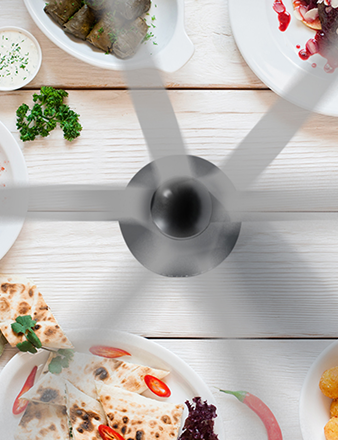
Forget clumsy food nets or lids that guests constantly have to manage. The most effective and elegant solution is a modern fly fan, designed to protect food in open-air settings without getting in the way.
Here’s why adding a fly fan to your setup is a game-changer:
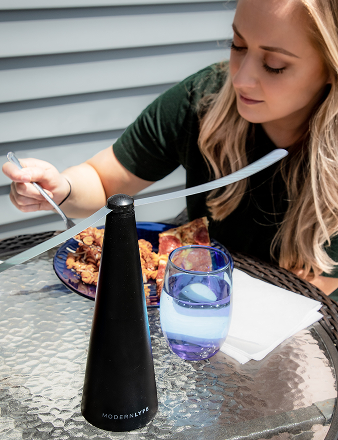
- It creates an invisible shield. The fan's soft, rotating blades produce a gentle air current that flying insects can't penetrate. They simply cannot land on the butter.
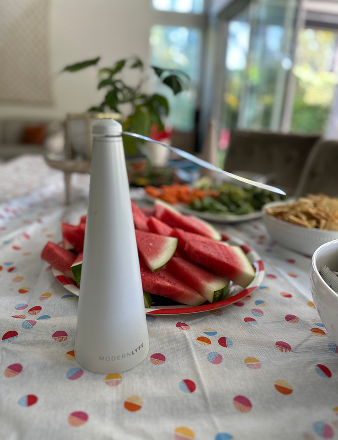
- It keeps the presentation clean. A fly fan works continuously without blocking access. Guests can help themselves easily, and your butter dish remains the centerpiece.
- It’s whisper-quiet. These fans are engineered to be virtually silent, so they won't create distracting noise or disrupt the event's ambiance.
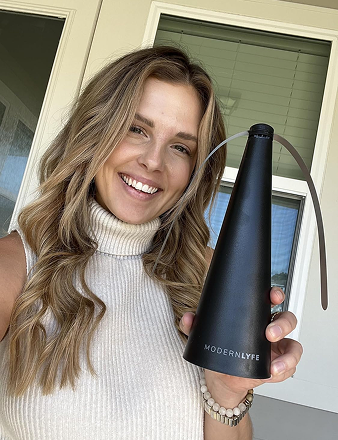
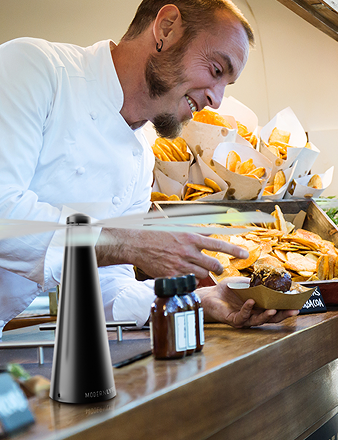
Placing a Modern Lyfe fly fan next to your 1 lb butter dish does more than just keep pests away. It sends a clear message to your guests that you are serious about hygiene and their well-being.
Protecting your butter is about more than preventing waste; it’s about safeguarding your reputation. A fly-free serving station shows guests you prioritize their health and comfort.
This simple, proactive step is a key component of any modern food safety plan. By pairing a great dish with a smart defense system, you ensure your butter—and your business—is always presented in the best possible light.
Keeping Your Butter Dishes Clean and Service-Ready
In any professional kitchen, proper care is key to equipment longevity and safety. Your 1 lb butter dish is no exception. A smart cleaning routine protects your investment, keeping dishes looking great and in service for years. The trick is to know how to handle your specific material.
Most commercial-grade butter dishes—especially stainless steel, glass, and durable ceramic—are built for high-temperature commercial dishwashers. That said, always check the manufacturer’s recommendations. Delicate items like wood or hand-painted dishes will almost certainly require hand-washing to avoid damage.
Removing Stubborn Buttery Film
Butter is greasy. The oily film it leaves behind won't come off with a quick rinse. To cut through it effectively, you need hot water and a quality degreasing soap.
For dried-on, hardened butter, follow this simple process:
- Hot Soak: Submerge the dish in hot, soapy water for 5-10 minutes. This crucial step softens the butter fat, making cleanup much easier.
- Scrub Smart: Use a non-abrasive sponge or cloth to wipe away the residue. Avoid steel wool, especially on plastic or certain ceramics, as it can create micro-scratches where bacteria can hide.
- Rinse and Sanitize: Rinse the dish thoroughly with hot water. In a commercial setting, finish with a pass through your dishwasher's sanitizing cycle.
This pre-soak method is a lifesaver for your dish crew during a busy shift, dramatically reducing manual scrubbing time.
The goal isn't just to make the dish look clean—it must be hygienically clean. Removing all fatty residue prevents bacterial growth and stops old butter odors from tainting a fresh serving.
Smart Storage and Odor Prevention
Once your dishes are clean, proper storage is just as important. Always wait until they are completely dry before stacking to prevent mildew and chipping. For stackable ceramic or glass, place a thin cloth or paper liner between each dish to add cushion and prevent damage.
Over time, some materials like plastic can absorb odors. If you notice a lingering buttery smell, a quick soak in a warm water and white vinegar solution will neutralize it. This simple trick keeps your 1 lb butter dish fresh and ready, ensuring every presentation is clean and professional.
Frequently Asked Questions
When you're running a restaurant or planning an event, small details matter. Here are straightforward answers to common questions from industry pros about the 1 lb butter dish.
How many sticks of butter does a 1 lb butter dish hold?
A 1 lb butter dish holds a full one-pound block of butter, which is the same as four standard 1/4 lb (4-ounce) US sticks.
For a busy service, this larger capacity is a game-changer. It means your staff isn't constantly running for refills during the brunch rush, leading to smoother operations and happier guests.
What is the most durable butter dish for a busy restaurant?
For the controlled chaos of a professional kitchen, stainless steel is unbeatable. It's the industry workhorse for a reason. While glass and ceramic look great, they chip and break. Stainless steel can take a beating and keep going.
Beyond toughness, stainless steel offers other key advantages:
- Stackable Design: Most are designed to nest, saving valuable shelf space.
- Easy Sanitation: The non-porous surface is simple to clean and can handle high-heat commercial dishwashers.
- Temperature Versatility: You can move it from a cooler to a warm buffet line without worrying about thermal shock.
How do I keep flies away from butter at an outdoor event?
Protecting butter at an outdoor event requires a two-part defense. First, use a butter dish with a solid, well-fitting lid. This is your baseline protection.
When the dish is open for service, you need an active solution. The best method is to place a quiet, battery-powered fly fan right next to the dish.
The fan's soft, spinning blades create a gentle, constant breeze that flies will not enter. It's an elegant solution that keeps the butter hygienic without being loud, blowing napkins around, or over-chilling the butter. It just works.
What is the best way to serve butter for easy spreading?
For a perfect, effortless spread, butter should be between 60-65°F (15-18°C). At this temperature, it’s soft and spreadable but not melted.
The easiest way to achieve this is to pull the butter dish from the cooler about 30-45 minutes before service starts. For a long buffet, a great pro tip is to use a two-dish rotation: keep one on the line and a second in a cooler area, swapping them periodically to maintain the ideal texture.
Keep your service elegant and your food protected with MODERN LYFE. Our fly fans provide a stylish, effective solution to keep your butter dishes and buffet spreads completely pest-free. Explore our products today.