Don’t underestimate the power of a small container. The 1 oz cup with a lid is a powerhouse tool in any food service operation. It's the secret weapon for managing costs, guaranteeing consistency, and keeping your service efficient, whether you're plating salads or handing out samples.
The Mighty 1 oz Cup: A Food Service Game-Changer

A one-ounce cup might seem minor, but in the world of restaurants and catering—where margins are tight and consistency is non-negotiable—it's a cornerstone of operational efficiency.
Think about it: serving hundreds of sides of dressing daily means even a quarter-ounce of over-pouring adds up fast. A 1 oz cup locks in the portion, giving you direct control over your food costs. But it's not just about saving money; it’s about delivering the exact same quality experience to every customer, every time.
Small Portions, Big Impact
Their true value lies in their versatility. These cups do more than just hold sauce; they solve real-world problems in the kitchen and on the floor.
Here’s where they deliver:
- Precise Portion Control: They eliminate guesswork, cutting food waste and keeping costs in check, especially with expensive ingredients like truffle oil or a signature aioli.
- Hygienic Sampling: Offering samples at a trade show or market? These cups provide a clean, professional, and safe way for customers to try your products without cross-contamination.
- Streamlined Prep Work: Kitchen staff can pre-portion dressings and dips during slower hours. When the dinner rush hits, service is faster, smoother, and less stressful.
It all comes down to control. In a chaotic kitchen or event, pre-portioning removes variables and adds predictability to your workflow.
More Than Just a Little Cup
The applications extend beyond the restaurant. Caterers rely on them for serving individual butter pats or jam on a breakfast buffet. Event planners use them for everything from wine tasting flights to Jello shots.
Understanding how these items fit into the bigger picture of food service packaging solutions is key to optimizing your entire operation. They’re also useful at home for packing kids' snacks or organizing tiny craft supplies.
Choosing the Right Material for Your Needs
When buying 1 oz cups with lids, it’s easy to assume they're all the same. But the material has a major impact on presentation, food safety, and your budget. Choosing the wrong one can lead to melted cups, a poor customer impression, or wasted money.
Most plastic portion cups look alike, but they aren’t. The three most common materials are PET, PP, and PLA. Knowing what each does best is the key to making a smart purchase that works for your menu.
Crystal-Clear Presentation with PET
Think of PET (Polyethylene Terephthalate) as the high-definition option. If you want your food to look pristine, this is your material. PET is known for its glass-like clarity and glossy finish, perfect for showing off vibrant sauces, colorful fruit coulis, or layered parfaits.
It acts as a personal display case for your food, letting the colors and textures shine.
- Best for: Cold items where presentation is key—salad dressings, bright salsas, condiments, and samples.
- Key Feature: Unmatched clarity and a premium, sturdy feel.
- Limitation: PET has a low melting point. It’s unsuitable for hot liquids and should never be microwaved.
The Durable Workhorse: Polypropylene
Next is PP (Polypropylene), the all-around workhorse of the kitchen. While it’s typically translucent or opaque, not crystal-clear, its superpower is heat resistance. This makes it the only reliable choice for serving anything warm.
Polypropylene is the practical, do-it-all performer. It’s the cup you can count on for both hot and cold uses, giving you the flexibility every busy kitchen needs.
If your menu includes warm dipping sauces, melted butter, or hot au jus, PP is the only way to go. It’s also more crack-resistant than PET, a useful bonus for takeout and delivery orders.
The Sustainable Choice: PLA
For businesses focused on sustainability, PLA (Polylactic Acid) is the clear winner. Made from renewable resources like corn starch, PLA is a commercially compostable plastic designed to break down in an industrial composting facility.
Visually, PLA is very similar to PET, offering excellent clarity for cold foods. Its main appeal is its environmental benefit. Choosing PLA signals to customers that you are serious about reducing your carbon footprint. Just remember, like PET, it’s strictly for cold applications.
To help you decide at a glance, here’s a quick breakdown.
Comparing 1 Oz Cup Materials
This table offers a quick reference to help you select the best material for your 1 oz cups based on common uses and properties.
| Material | Best For | Pros | Cons |
|---|---|---|---|
| PET | Cold sauces, dressings, samples | Crystal-clear, glossy, premium look | Not heat-resistant, can't be microwaved |
| PP | Hot sauces, melted butter, sides | Heat-resistant, microwavable, durable | Translucent (not fully clear) |
| PLA | Cold dressings, eco-conscious brands | Compostable, plant-based, very clear | Not heat-resistant, requires commercial composting |
Ultimately, matching the material to the food ensures quality, safety, and a great customer experience.
No matter which cup you choose, proper handling is essential. It's smart to review modern food service hygiene standards, which cover everything from storing disposables to serving them safely.
How to Find Lids That Actually Fit
Let's be direct—a sauce cup is useless without a lid that seals correctly. If your signature dressing leaks all over a customer's bag, it’s more than a mess. It’s wasted product, a bad customer experience, and a hit to your reputation.
A poor fit is the number one enemy. The smallest gap between the cup rim and the lid is enough for a spill. For 1 oz cups with lids, a leak-proof seal isn't a bonus; it's a requirement.
Matching Brands: The Only Guaranteed Method
The single most reliable way to guarantee a perfect fit is to buy your cups and lids from the same manufacturer and product line. It sounds obvious, but it’s a step people often skip.
Brands design these items as a system, engineered and tested together to create a secure "snap" and a seal you can trust. Mixing and matching brands, even if they look identical, is a gamble you will lose. That millimeter of difference in rim diameter will cause a leak.
Before placing a large order, always request samples of both the cup and the lid. Do a "spill test": fill the cup with water, secure the lid, and turn it upside down. Give it a shake. If it holds, you’re good to go.
A secure lid does more than prevent leaks. It protects contents from contaminants, preserves freshness, and gives customers confidence in your quality.
The Two Main Lid Styles to Know
Once you've confirmed the fit, you'll find lids generally come in two styles. The one you choose can impact your kitchen workflow.
- Recessed Lids: These have a slight indent in the middle, a clever design for stable stacking. For operations where storage and transport space are tight, these are a lifesaver.
- Flat Lids: These lids have a smooth, flat top. Their main advantage is providing a perfect surface for easy labeling. You can apply a branded sticker, date stamp, or ingredient label without any ridges in the way.
Getting the seal right is everything. The principles for choosing the right deli cup lids apply just as much to these smaller 1 oz portion cups, helping you avoid costly leaks and spoilage.
To help you decide on the cup material, this chart breaks it down based on your top priority.

The takeaway is simple: start with what matters most—brilliant clarity, heat resistance, or eco-friendliness—and let that guide your choice of material.
Creative and Practical Uses for 1 Oz Cups

Most people see a 1 oz cup and think of ketchup. But these containers are one of the most versatile tools in the food service industry. Their size and secure lids unlock countless uses that go beyond condiments, helping businesses run smoother and keeping households organized.
In any food business, these cups are a secret weapon. Pre-portioning sauces and dips during lulls means you’re ready for the dinner rush. This simple prep step takes pressure off line cooks and gets food out to customers faster.
In Restaurants and Cafes
In a professional kitchen, consistency and cost control are top priorities. That's where these cups excel. They allow you to portion out expensive ingredients with precision, reducing waste and ensuring every plate meets the chef's standard.
- Premium Ingredients: Serving truffle oil, a finishing sauce, or a gourmet aioli? A 1 oz cup ensures you use the perfect amount every time, protecting your profit margins from over-pouring.
- Salad Dressings: Serving dressing on the side is essential for takeout and delivery. It keeps greens crisp and lets the customer control the amount. These cups are the professional standard.
- Butter and Spreads: Ditch messy foil packets. A small cup of whipped butter, house-made jam, or cream cheese provides a cleaner, more upscale presentation.
For Caterers and Events
Catering and events require a balance of presentation and practicality. These 1 oz cups with lids deliver both. They offer a clean, single-serving option that works for everything from buffet lines to passed appetizers.
For outdoor events, a secure lid is a must. It’s your first defense against dust, debris, and insects. For an extra layer of protection, consider a good fly cover for food.
The combination of portion control and sanitation makes these cups invaluable for events. Each guest gets a fresh, untouched portion, elevating the perceived quality and safety of your service.
Here are a few common uses:
- Single-Portion Dips: Individual servings of hummus, guacamole, or spinach dip solve the "double-dipping" issue at appetizer stations.
- Tasting Samples: Pouring samples of wine, craft beer, or cocktails? These cups provide a small, controlled portion perfect for tastings.
- Jello Shots: A party classic for a reason. The cups are the ideal size, and the lids make them easy to prep ahead and transport without spills.
Beyond the Kitchen
The 1 oz cup is just as useful at home. They are fantastic organizers for small items that tend to get lost.
They are perfect for sorting craft supplies like beads, glitter, and sequins. In the kitchen, they can portion out spices for a recipe or hold snacks like nuts or raisins for a lunchbox.
This versatility is a key reason why the disposable container market is growing rapidly. The global cups and lids market is projected to reach USD 21.64 billion by 2031, driven by demand for convenient, practical solutions. You can see the full report on the cups and lids market for a deeper analysis of this trend.
Sourcing and Buying 1 Oz Cups Intelligently
Buying 1 oz cups with lids is about more than finding the lowest price. It’s about balancing cost with the quality your customers experience and what your choice says about your brand. The best approach is to look past the price tag and consider the total value.
It's tempting to opt for the cheapest choice, but that's a common trap. Flimsy cups that crack or lids that pop off lead to spills, wasted food, and unhappy customers. These hidden costs quickly erase any initial savings.
Vetting Suppliers and Buying in Bulk
Finding a reliable supplier is crucial. Before you commit to a large order, always get samples. Test them. Do the lids snap on securely? Do the cups feel sturdy? A good supplier will provide samples and be transparent about pricing and stock levels.
Once you’ve found a cup and lid combo that works, buying in bulk is the smart move.
- Lower Cost Per Unit: The price per cup drops significantly, directly reducing your supply costs.
- Reduced Shipping Costs: One large order costs less to ship than several small ones.
- Consistent Inventory: Running out of a key item during a rush is a nightmare. Bulk buying ensures you have plenty of stock on hand.
Understanding Sustainability Buzzwords
The world of eco-friendly packaging is filled with confusing terms. "Recyclable" and "compostable" are often used interchangeably, but they mean different things. Knowing the difference helps you make a choice that aligns with your values.
A cup's end-of-life journey is as important as its function. Choosing a material that works with your local waste infrastructure and brand values is a powerful statement.
Recyclable plastics like PET or PP can be melted down and remade into new products. However, this only works if your local facility accepts them and they are clean and properly sorted.
Compostable options like PLA are plant-based and designed to break down in an industrial composting facility. They will not break down in a landfill and are not suitable for backyard compost piles.
Choosing the right small-ware is one piece of the puzzle. For a complete guide to running a smooth operation, our catering equipment checklist is a fantastic resource. Sourcing intelligently isn’t just about saving money—it’s about supporting your team and showing customers you care about the details.
Frequently Asked Questions
Even with a simple item like 1 oz cups with lids, practical questions always come up. Getting these details right makes all the difference, whether you're in a dinner rush or prepping for an event. Here are the most common questions.
Are These Cups Safe for All Types of Food?
Mostly, yes, but you must match the cup's material to the food's temperature. Most 1 oz cups are made from food-safe plastics like PET, PP, or PLA, approved for their intended uses.
The most important rule: never put hot liquids in a cup not built for it. PET and PLA plastics are for cold items only. Hot contents can cause them to warp, buckle, or melt. For anything warm, like drawn butter or a hot dipping sauce, you must use a cup made from polypropylene (PP). It's the only common plastic option designed to handle heat.
Can I Put 1 Oz Cups in the Microwave?
This is a critical safety question. The only plastic cups that can go in the microwave are those made from PP (polypropylene). They are often marked as "microwave-safe" on the bottom.
A word of caution: Never microwave PET or PLA cups. These plastics have low melting points. Heating them can cause them to leach chemicals into food, a risk you don't want to take.
If you're serving something a customer might reheat, like au jus or a cheese sauce, using PP cups is non-negotiable. It keeps them safe and prevents a melted mess. When in doubt, check the bottom of the cup for the "microwave-safe" symbol.
- PP (Polypropylene): Generally safe for the microwave.
- PET (Polyethylene Terephthalate): Not safe for the microwave.
- PLA (Polylactic Acid): Not safe for the microwave.
How Should I Store an Open Sleeve of Cups?
Proper storage is all about hygiene. Once you open a sleeve of 1 oz cups and lids, the stack is exposed to dust and airborne germs.
The best practice is to slide the partially used sleeve into a larger, sealable food-grade bin or a heavy-duty zip-top bag. This keeps them clean and ready for service. Store the container in a dry, cool spot, off the floor, and away from direct sunlight to comply with health codes. This simple step is key to preventing contamination.
Do These Cups Have Non-Food Uses?
Absolutely. The utility of 1 oz cups with lids extends far beyond the kitchen. Their size and tight lids make them perfect for organizing small odds and ends.
They are incredibly useful for hobbies and home projects:
- Craft Supplies: Perfect for sorting beads, sequins, glitter, or tiny hardware like screws and nails.
- Pills and Vitamins: Pre-portion daily medications or supplements, great for travel or staying organized.
- DIY Projects: Hold small amounts of mixed paint, glue, or epoxy for repairs and art projects.
The secure lid is the key, keeping everything contained. From serving a signature sauce to sorting a craft drawer, these little cups offer a simple, effective solution for countless tasks.
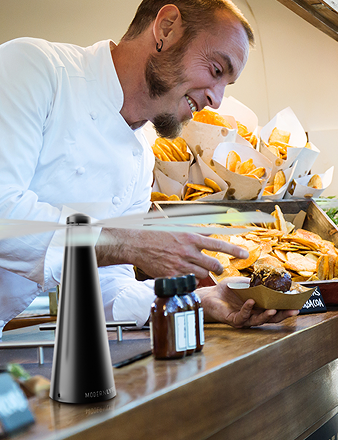
Ready to keep your food fresh and your guests happy? Explore the elegant and effective fly fans from MODERN LYFE to protect your culinary creations in any setting. Visit us at https://modernlyfe.com to find the perfect solution for your home or business.