Doors open in an hour. The banquet captain is asking for backup tea lights. Someone from the kitchen needs allergy markers. A server can’t find the spare Sharpies. The extension cords are mixed in with tasting spoons, and the batteries for the table devices are sitting in three different boxes because nobody had time to build a real staging system.
That’s how small problems become expensive ones.
In hospitality, most event failures don’t start with a dramatic collapse. They start with lost minutes. Staff walk back and forth. They open the wrong bin. They borrow from another station. They interrupt each other to ask where something is. By the time service starts, the room looks polished, but the team is already behind.
A 10 drawer cart fixes more of that chaos than people expect. Not because it’s glamorous. Because it creates repeatable order in the exact places where operations usually break down. One drawer for guest-facing signage. One for cable adapters. One for backup lighters. One for sanitation supplies. One for batteries and small tools. Suddenly, setup stops depending on memory.
I like simple gear that solves real problems, and this is one of those tools. It’s the same category as a backup label maker, a taped floor plan, or a secondary power strip. Basic. Unimpressive. Operationally important. That’s also why I appreciated the practical lesson in Why a $200 Printer Saved My Event From Total Chaos. Different tool, same principle. Small equipment choices can protect the whole event.
Your Secret Weapon for Flawless Events
The first time a team uses a 10 drawer cart well, the difference is immediate. Setup gets quieter. Fewer questions bounce across the room. Supplies stop disappearing into random tote bags and cardboard boxes. Staff move with intention because the system tells them where things belong.
That matters more in hospitality than it does in almost any office or craft-room setting. Restaurants, caterers, hotels, and event crews don’t have the luxury of casual disorganization. Service happens on a clock. Guests notice delays. Staff need to grab the right item on instinct, sometimes in poor lighting, in a crowded prep zone, with ten other things happening at once.
Field note: The best storage tool isn’t the one with the most space. It’s the one your team can use correctly under pressure.
A 10 drawer cart works because it solves several operational problems at once:
- It creates separation: small parts stop mixing together.
- It moves with the job: you can stage supplies where work is happening.
- It protects speed: staff don’t waste motion hunting for low-cost, high-importance items.
- It supports standards: once drawers are assigned, restocking becomes easier to delegate.
The mistake most buyers make is treating it like generic storage. In hospitality, it’s not generic. It’s a mobile supply station. It can sit beside a buffet line, near a service corridor, outside on a patio setup, or in a back-of-house corner where event leads build mini command centers.
Used that way, a 10 drawer cart isn’t extra furniture. It’s workflow insurance.
The Anatomy of a Professional 10 Drawer Cart
A professional-grade 10 drawer cart looks simple, but each part does a different job. If you’re buying for restaurant service, banquet operations, or catering, you need to judge the cart the way you’d judge prep shelving or portable service equipment. Not by color. By function under daily use.

The frame does the hard work
Think of the frame as the skeleton. If the frame flexes, nothing else matters. Drawers won’t slide cleanly, the cart will feel unstable in motion, and the whole unit will age badly in a commercial setting.
Many models use plastic drawers with chrome or plastic frames, which keeps weight manageable and supports the compact footprint these carts are known for. Typical 10-drawer rolling carts run about 12.05 to 12.8 inches wide and 38.1 to 42.25 inches high, with per-drawer capacities from 3.3 lbs to 15 lbs in deeper drawers and total unit capacities around 45 to 50 lbs, according to Seville Classics product specifications carried by Sam’s Club.
For hospitality buyers, that tells you two things. First, the cart fits where bulkier storage won’t. Second, it’s made for organized supplies, not overloaded hardware.
The drawers define whether the cart is useful or annoying
A 10 drawer cart only earns its floor space if the drawers match the way your team works. The better units use graduated drawer heights, which means smaller upper drawers and deeper lower drawers. That layout is practical in service environments because not every item should share the same volume.
Shallow drawers are ideal for:
- Markers and pens
- Name tents and place cards
- Cable adapters
- Table numbers
- Wine keys and small service tools
Deeper drawers make more sense for:
- Folded napkins
- Gloves and sanitation items
- Small backup devices
- Extension cords or bundled accessories
- Spare dining-room support supplies
What doesn’t work is forcing every item into the same drawer depth. That creates wasted space, sloppy loading, and constant reshuffling during setup.
A drawer system should separate by task, not just by object type. Keep service items with service items, not all “small things” together.
The casters decide whether the cart helps or gets parked forever
Mobility is the reason this format works in hospitality. A static supply tower is less useful than a cart that can move from prep area to ballroom, from service hallway to patio, or from morning setup to evening breakdown.
Look at wheel quality closely. Cheap casters turn badly under load, chatter across transitions, and make staff avoid moving the cart. Once that happens, the cart becomes dead storage.
What you want instead is:
- Smooth rolling under a realistic event load
- Consistent tracking on tile, concrete, and low-pile carpet
- Locking capability when the cart is staged near guest areas or on uneven surfaces
If your operation regularly shifts supplies between rooms, mobility isn’t a convenience feature. It’s the whole point.
The top surface becomes your quick-access zone
The top organizer gets overlooked, but in real operations it often becomes the most-used part of the cart. Staff drop active-use items there during setup, then return them to drawers when service settles.
That top area can hold short-term essentials like checklists, labels, a radio, sanitizer, or clipped prep notes. It shouldn’t become a junk tray. Once the top is cluttered, the cart stops functioning as an organized station and starts acting like every overloaded back-of-house counter.
For teams building cleaner prep systems, I’d also look at how the cart fits alongside broader small-equipment planning, especially in compact foodservice workspaces. This guide to commercial kitchen accessories is useful if you’re trying to build an operation where every support tool earns its place.
Mastering Load Capacity and Mobility
The fastest way to make a 10 drawer cart unsafe is to load it by convenience instead of by physics. A lot of teams do this without realizing it. They put the heavy items in the top drawers because those drawers are easier to reach. Then they wheel the cart over a threshold, across carpet, or onto a patio, and the cart starts to feel unstable.
That’s not bad luck. That’s load distribution.

Why top-heavy loading causes problems
Some 10 drawer carts use tiered capacities for a reason. Shallow drawers aren’t built for the same weight as deeper lower drawers. Product data for IRIS USA-style carts notes that uneven loading that exceeds 3.3 to 7 lbs per shallow drawer can amplify tip-over risk by 40% on slight inclines, while lower drawers can hold up to 15 lbs, and the cart is intended to remain stable under a total distributed load of up to 50 lbs when loaded correctly, based on Target product specifications for an IRIS USA 10-drawer storage cart.
In plain terms, the cart stays safer when the center of mass stays low.
That matters in hospitality because your floors are rarely perfect. You’re crossing elevator thresholds, kitchen transitions, tent flooring, cracked sidewalks, loading dock seams, and thick runner carpet. Even a mild incline changes how a loaded cart behaves.
A practical loading pattern that works
I’d organize by weight first, then by urgency. If an item is heavy, it goes lower. If it’s fragile or lightweight but used constantly, it can live higher.
A reliable pattern looks like this:
- Bottom drawers: heavier backup stock, bundled cables, dense supply packs
- Middle drawers: medium-weight service tools and sanitation supplies
- Top drawers: labels, pens, batteries, note cards, lighters, tape, clips
That approach does two jobs. It protects stability, and it makes the cart easier to steer with one hand while staff carry something else.
Operational rule: If a drawer feels heavy enough that you notice it when opening it, that drawer probably belongs lower.
Mobility is more than “has wheels”
A cart that moves badly won’t stay in service. Staff will avoid it, then drift back to bins and improvised stacks. That’s why wheel behavior matters as much as drawer count.
When evaluating mobility, check these trade-offs:
| Feature | What works in hospitality | What causes trouble |
|---|---|---|
| Caster movement | Smooth rolling through service corridors | Wheels that snag at doorway transitions |
| Locking wheels | Stable placement near buffets or guest areas | Drift when parked on uneven surfaces |
| Handle feel | Controlled steering with a loaded cart | Awkward push points that twist the frame |
| Load balance | Predictable movement room to room | Sway from top-heavy storage |
For heavier transport jobs, a 10 drawer cart shouldn’t replace the right equipment. If you’re moving bulk supplies, beverage cases, or dense backstock, use a dedicated solution. This overview of a hand truck cart is a useful reference because it highlights the difference between mobile organization and true material handling. A 10 drawer cart is for access and order, not brute hauling.
When locking casters are non-negotiable
In some settings, locking wheels are optional. In hospitality, they often aren’t.
Use locking casters when the cart will be:
- Positioned beside a buffet or beverage station
- Parked on outdoor surfaces
- Placed near guest traffic
- Used on sloped service corridors or loading paths
- Opened repeatedly during active service
Without wheel locks, the cart shifts while drawers open. That creates frustration at best and safety issues at worst.
A short visual walk-through helps if you’re comparing movement and layout in real form factor. Watch this setup example before you buy:
The useful takeaway isn’t style. It’s behavior. Watch how the cart sits, turns, and occupies space relative to the room. That tells you whether it belongs in your operation.
The Buyer's Checklist for Hospitality Use
A hospitality buyer shouldn’t shop for a 10 drawer cart the way a hobby user does. You’re not buying for occasional use in a spare room. You’re buying for repeated movement, fast access, cleaning requirements, and staff who won’t baby the equipment.
The biggest issue in this category is that buyers often get plenty of basic specs and very little real durability guidance. There’s a known gap in side-by-side information on weight capacities and structural durability across brands, which leaves buyers guessing about long-term sag, rust resistance in humid environments, and frame warping under heavy loads, as noted in Seville Classics product context and category comparisons.
That gap means you need a tighter screening process.

What to inspect before you buy
If I were buying for banquet ops, catering storage, or a restaurant support station, I’d look at the cart in this order.
- Frame integrity: Don’t settle for a unit that flexes when you grip the top corners and apply pressure. A cart can look fine in photos and still feel weak in person.
- Drawer slide behavior: Open several drawers fully. If they scrape, bind, or tilt too easily when empty, they won’t improve under service load.
- Caster quality: Roll it with some resistance. A cart that only feels smooth empty on a showroom floor tells you very little.
- Surface cleanability: Hospitality gear has to wipe down fast. Avoid unnecessary ridges, porous textures, and awkward seams that trap grime.
- Handle placement: Staff should be able to move it naturally, not from a side angle that twists the frame.
Match the cart to the job
Not every hospitality environment needs the same setup. A hotel conference team, a wedding caterer, and a food truck operator will use the same cart differently.
Here’s the faster way to think about fit:
| Operation type | Best use of a 10 drawer cart | What to prioritize |
|---|---|---|
| Restaurant | Service support and takeout organization | Cleanability, compact footprint, wheel locks |
| Catering | Mobile event supply station | Stability in motion, drawer mix, setup speed |
| Hotel events | Conference and banquet accessories | Quiet rolling, neat appearance, fast restock |
| Outdoor vendor | Backup tools and guest-facing essentials | Mobility, surface resilience, controlled placement |
A buyer who skips that exercise usually ends up with the wrong cart for the environment. The unit may still be usable, but it won’t be efficient.
Don’t overvalue appearance
Some carts look sharp and still perform badly in a commercial setting. Color, drawer transparency, and finish matter less than repeat handling. If your team moves fast, the cart will get bumped, rolled, wiped, and reloaded constantly. That’s normal. Buy for that reality.
Buy the cart your busiest employee won’t hate using at the end of a long shift.
That also means not chasing the cheapest model by default. A lower upfront price can cost you more if drawers crack, casters seize, or the frame starts wobbling after normal use. Even without perfect side-by-side test data, you can still make a better decision by focusing on stress points instead of marketing language.
The short-list test I’d use
Before approving a purchase, I’d ask five direct questions:
- Can staff clean it quickly between events?
- Will it roll well when loaded, not just empty?
- Are the deeper drawers positioned where heavier items belong?
- Will it fit the narrow dead space where we need storage most?
- Can a new team member understand the system without explanation?
If the answer to any of those is shaky, keep looking.
If you’re building a broader event supply system and want the cart to support a larger gear plan, this catering equipment checklist helps frame what should stay mobile versus what belongs in bulk storage.
Fast Assembly and Smart Maintenance
A bad assembly experience can sour a team on a useful tool before it ever reaches the floor. That happens a lot with 10 drawer carts because the concept is simple but the build process can be fussier than people expect.
User discussions and video comments around this product category show average assembly times of 25 to 40 minutes, with a 30% failure rate on the first attempt due to vague instructions, and simple setup hacks can cut assembly time by 15 minutes, based on guidance discussed in a 10 drawer cart assembly tutorial.
That’s enough friction to matter when your team is setting up for service.
Where assembly usually goes wrong
The common mistakes aren’t complicated. They’re small orientation errors that force a partial rebuild.
The trouble spots usually include:
- Slider orientation mistakes: rails go on the wrong side or face the wrong direction
- Drawer stop placement errors: drawers slide poorly or don’t seat correctly
- Misaligned cross supports: the frame looks assembled but racks under load
- Over-tightening too early: parts lock into the wrong position before alignment is checked
If you’ve ever built lightweight event equipment, this will feel familiar. The issue isn’t the number of parts. It’s the order.
A faster build approach for event teams
Don’t hand the box to whoever is free and assume it’ll sort itself out. Treat assembly like setup work.
Here’s the process I’d use:
- Lay out every component first. Missing or mirrored parts are easier to spot before anything is tightened.
- Dry-fit the frame lightly. Tighten only enough to hold structure until all major pieces are aligned.
- Install one drawer track pair and test it. If the first one is wrong, stop and correct it before repeating the mistake ten times.
- Check drawer stop direction before full install. This saves the most rework.
- Tighten in passes, not all at once. That keeps the frame square.
One careful test on the first drawer saves more time than rushing through all ten.
If I’m assigning this task to staff, I’d also do one extra thing. Label the completed drawers immediately after assembly. A cart without labels invites random storage from day one, and once bad habits start, they stick.
Maintenance that prevents event-day failures
These carts don’t need complicated care, but they do need consistent care. In hospitality, the enemy is neglect. Dust in the wheels, sticky residue on drawer edges, and loose fasteners all show up at the wrong moment.
A simple maintenance rhythm works best.
Weekly quick check
- Wipe drawer fronts and handles
- Clear debris from casters
- Remove anything stored on top that doesn’t belong
- Confirm drawers still open and close cleanly
Monthly inspection
- Retighten accessible hardware
- Check for frame wobble
- Look for cracks at drawer corners
- Test caster locks
- Reconfirm labels still match actual drawer contents
After outdoor events
Outdoor jobs are harder on everything. If the cart was used on a patio, tent floor, or rough surface, inspect it before putting it back in storage. Wheels pick up grit, and drawer bottoms often end up carrying heavier mixed items than planned.
Maintenance isn’t glamorous, but the payoff is obvious. A cart that rolls smoothly and opens cleanly stays in use. A cart that fights staff gets ignored.
Strategic Placement in Any Event Setup
A 10 drawer cart is often perceived as storage first. In practice, placement matters more than capacity. Put the cart in the wrong spot and staff still waste motion. Put it in the right spot and the same cart becomes a quiet productivity tool all shift.
The right location is almost never “where there’s room.” It’s where repeated small tasks happen.
Restaurants need a support station, not extra clutter
In a restaurant, I’d use a 10 drawer cart as a back-of-house support node near the pass, expo line, takeout station, or service corridor. That keeps small essentials close without stealing valuable counter space from active prep.
A good restaurant setup might assign drawers to:
- To-go utensils and small packets
- Markers, labels, and ticket clips
- Gloves and sanitation wipes
- Backup batteries and chargers
- Menu inserts or table support items
The cart works best when it supports a recurring pressure point. If takeout packaging is always drifting into three cabinets and two shelves, the cart should absorb that mess. If servers constantly ask where allergy picks or replacement pens are, the cart should solve that.
For teams refining guest-facing setup flow, this guide on how to set up buffet tables is useful because it reinforces the same principle. Put tools where the action happens, not where storage looks neat on paper.

Catering crews need a mobile command post
Catering is where a 10 drawer cart really proves itself. Off-site work creates fragmentation by default. Supplies live in vans, rolling bins, hotel back halls, temp kitchens, and random side rooms. Without a central mobile organizer, staff start improvising.
For a wedding or private event, I’d place the cart just outside guest sightlines but close enough to active service that a runner can reach it in seconds. That usually means a tent sidewall, service corridor, or screened prep corner.
One strong catering use case is creating a cart dedicated to small but mission-critical accessories:
| Drawer zone | Suggested contents | Why it works |
|---|---|---|
| Upper drawers | Lighters, markers, clips, batteries | Fast grab, lightweight items |
| Middle drawers | Gloves, napkins, backup service tools | Frequent replenishment |
| Lower drawers | Cord bundles, replacement supplies, denser kits | Better stability in motion |
That setup is especially useful when teams are also managing outdoor dining details like tabletop accessories, battery-powered devices, or backup guest-comfort items. The cart keeps those parts controlled instead of scattered across soft cases and random boxes.
The best event cart placement is one step away from service, not twenty steps away in “organized” storage.
Hotels and resorts need flexible redeployment
Hotels deal with a different challenge. Spaces change constantly. A ballroom becomes a conference room, then a reception area, then a breakout setup. That makes fixed storage less useful than mobile staging.
In a hotel event environment, a 10 drawer cart can work as:
- A conference support station for adapters, markers, remotes, and signage
- A banquet restock unit for small dining-room backups
- A setup cart for registration materials and last-minute print items
- A housekeeping-adjacent support unit for selected guest-area supplies
The key is to assign one owner per event block. Shared carts with vague responsibility become junk drawers on wheels. The cart stays effective when one lead checks inventory, resets drawer contents, and parks it intentionally after each use.
Outdoor events and food trucks need controlled access
Outdoor hospitality adds two placement problems. First, surfaces are less predictable. Second, clutter spreads faster because teams don’t have walls, shelves, and cabinets nearby.
For patios, food trucks, pop-ups, and market stalls, I’d place the cart where staff can reach it without crossing customer flow. Usually that means behind the primary service line, slightly offset from the main work zone. You want access, but you don’t want the cart becoming an obstacle.
A strong outdoor layout follows three rules:
- Keep the cart on the most stable surface available
- Lock wheels once positioned
- Reserve top access for active-use items only
The top of the cart can function like a mini landing zone during service, but only if someone resets it. Otherwise, the whole station slowly turns into a pile.
Home entertaining can borrow the same logic
Even for homeowners running large outdoor gatherings, the professional rule still applies. Put the cart where repeated support tasks happen. Near the buffet, behind the bar station, beside the grill support area, or just inside the patio door. That’s where backup napkins, serving tools, small hygiene items, and extra accessories save time.
The cart isn’t valuable because it has ten drawers. It’s valuable because those drawers can be assigned with intention, placed near pressure points, and reset after the event.
Transform Your Workflow with Smart Organization
A 10 drawer cart earns its keep when you stop thinking of it as spare storage and start treating it like operating equipment. In hospitality, that distinction matters. Storage hides things. Operating equipment supports speed, consistency, and control.
The strongest setups all follow the same pattern. The cart is built correctly. It’s loaded with respect for weight and stability. It’s chosen for real-world durability, not just appearance. Then it’s placed where staff can use it without breaking stride.
That combination solves a long list of small operational failures. Fewer lost tools. Less wandering. Cleaner staging. Faster resets. Better handoffs between team members. Those gains don’t come from one dramatic feature. They come from reducing friction in all the small moments that shape service quality.
A well-run event usually looks calm because the team removed the little points of chaos before guests arrived.
If you manage a restaurant, hotel event program, catering company, or outdoor service setup, walk your operation with one question in mind. Where do people keep losing time over small supplies? That’s usually where a 10 drawer cart belongs.
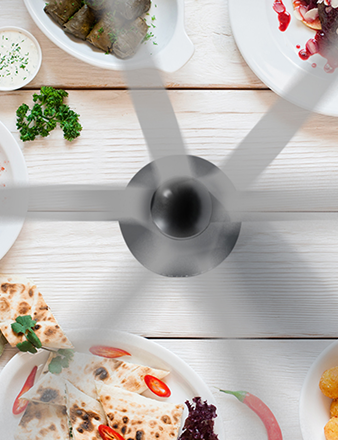
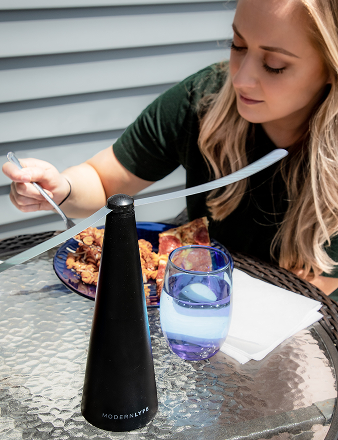
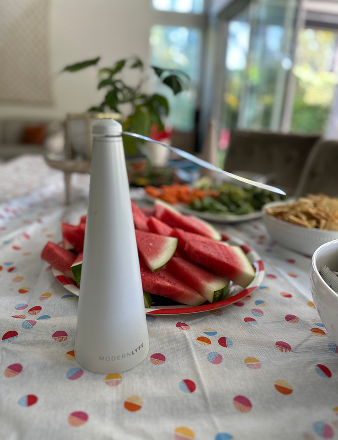
If you’re tightening event workflows and also want a cleaner way to protect food presentation in dining and buffet environments, explore MODERN LYFE for practical fly fan solutions built for restaurants, caterers, hotels, and outdoor hosts.