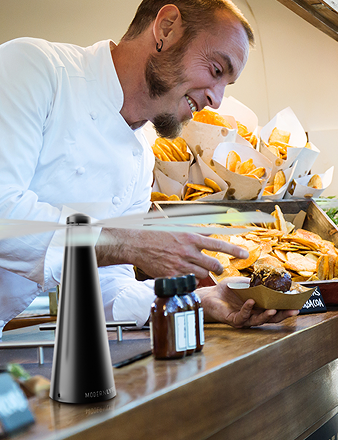
When you need a serious amount of surface area for an event but don't have space for a permanent table, the 10 foot folding table is your solution. It's the workhorse of the event world, giving you a huge, temporary platform for everything from banquet seating and buffet lines to trade show displays. When the event is over, it packs away neatly.
Why the 10 Foot Folding Table Is an Event Essential

Any large gathering, from a wedding reception to an outdoor market, needs functional, spacious surfaces. The 10-foot folding table shines here, offering an ideal mix of impressive size and real-world practicality that has made it a favorite among event planners, caterers, and homeowners.
Its biggest selling point is versatility. One weekend, it’s a dining table for a holiday feast. The next, it’s a professional booth at a craft fair or the main serving station for a catered party. This adaptability makes it a must-have for anyone who regularly hosts or organizes events. If you're planning an event, our guide on outdoor buffet table ideas offers some great inspiration.
Unmatched Versatility for Any Occasion
The numbers back this up. The global folding table market was valued at USD 9.52 billion in 2023 and is expected to keep growing. Why? Because hotels, restaurants, and event spaces depend on this kind of flexible equipment. You can dig deeper into this trend in TechSci Research's market analysis.
This table solves a major headache for event coordinators. Instead of pushing smaller tables together and hiding the seams, you get one long, stable, and seamless surface.
The true value of a 10-foot folding table is its ability to transform an empty space into a functional environment in minutes. It's not just furniture; it's a blank canvas for creating memorable experiences.
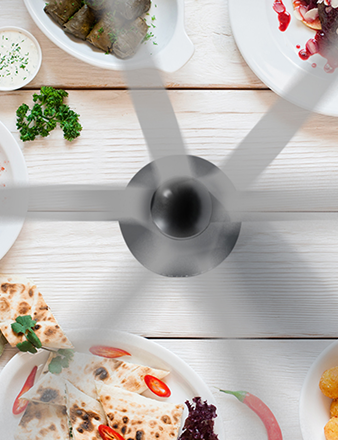
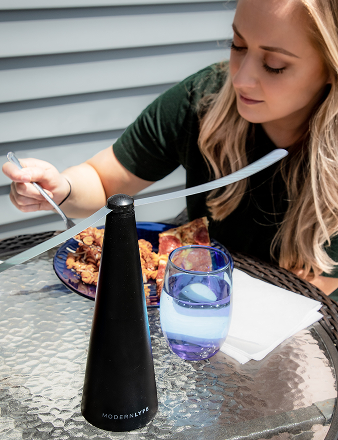
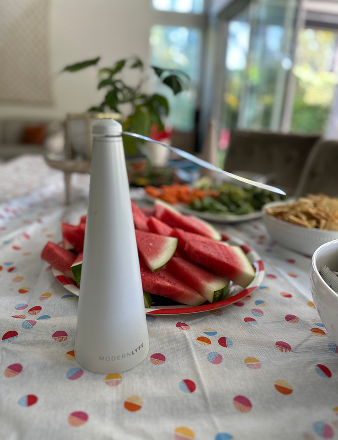
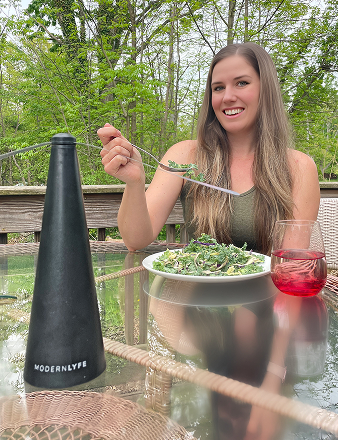
You can also elevate this workhorse with smart accessories. Adding a Modern Lyfe fly fan can turn a basic setup into a premium experience, keeping guests comfortable and your food protected. In this guide, we’ll walk you through everything you need to choose, use, and get the most out of this event essential.
Choosing the Right Materials and Construction
When picking a 10-foot folding table, it’s easy to focus on size. But the materials are what truly matter. The tabletop and frame engineering separate a reliable workhorse from a wobbly disappointment, dictating the table's durability, weight, and long-term performance.
The tabletop is what everyone sees and interacts with, while the frame is the foundation that handles all the pressure. They have to work together perfectly, whether you're setting up for a family cookout or a high-stakes catering gig.
Anatomy of a Tabletop
The surface of your table takes all the abuse—spills, scrapes, sunlight—while still being light enough to move. You’ll generally find three main materials, each with distinct advantages.
- High-Density Polyethylene (HDPE): This is the go-to for most modern folding tables. HDPE is lightweight and all-weather. It’s waterproof, stain-resistant, and won’t crack or peel, making it a clear choice for events that move between indoors and outdoors.
- Wood (Plywood): Common in classic banquet halls, wood tabletops have a traditional, sturdy feel and offer a rigid surface. The downside? They're heavier and can be vulnerable to moisture if the seal is compromised.
- Aluminum: While less common, aluminum tabletops are feather-light and will not rust. They're a fantastic choice for craft fairs or any situation where you're constantly packing up and moving.
The Unseen Strength of the Frame
Underneath the top, you'll find the frame and legs. This is where the engineering comes in, especially for a table spanning 10 feet. The frame determines the table's weight capacity and how stable it feels when loaded.
A powder-coated steel frame is the industry standard. The powder coating is a tough finish that shields the steel from rust and scratches, adding years to its life. You'll also want solid leg locking mechanisms. Gravity slide rings are a common and reliable feature that keeps the legs from accidentally folding.
This focus on better materials is a big deal. The global market for folding tables is valued at US$10 billion in 2024 and is expected to climb to US$14.1 billion by 2030. That growth is driven by demand for tougher furniture, with metal-framed tables that can support over 1,000 pounds leading the charge. You can find more data in the folding furniture report from ResearchAndMarkets.com.
Comparing 10-Foot Folding Table Materials
To make the choice clearer, here’s a side-by-side breakdown of common materials. Your specific needs—portability, durability, or aesthetics—will point you toward the right combination.
| Material | Pros | Cons | Best For |
|---|---|---|---|
| HDPE (Tabletop) | Lightweight, waterproof, stain-resistant, very durable. | Can be less rigid than wood; may have a plastic look. | All-purpose use, outdoor events, frequent transport. |
| Wood/Plywood (Tabletop) | Extremely sturdy and rigid, classic look. | Heavy, susceptible to water damage if not sealed. | Indoor banquets, event venues, heavy-duty applications. |
| Aluminum (Tabletop) | Very lightweight, completely rustproof. | Can dent easily, less common and can be more expensive. | Outdoor markets, mobile vendors, maximum portability. |
| Powder-Coated Steel (Frame) | Incredibly strong and stable, rust-resistant, high weight capacity. | Heavier than aluminum frames. | Commercial use, catering, anyone needing max stability. |
| Aluminum (Frame) | Lightweight and easy to carry, won't rust. | Not as strong as steel, lower weight capacity. | Personal use, camping, situations where weight is a factor. |
Ultimately, matching the materials to your planned use is key. A heavy-duty steel frame with an HDPE top is a fantastic all-rounder for event professionals, while a lighter aluminum option might be perfect for personal use.
Getting the materials right ensures your table is a reliable asset. And while a 10-foot table is perfect for serving lines and displays, if you need ideas for seating guests, check out our guide on seating arrangements for a 10-person round table.
Mastering Setup, Transport, and Storage
A 10-foot folding table is a great piece of equipment, but its size can be intimidating. A table is useless if you can't easily set it up, move it, and store it. Handling these logistics correctly makes your life easier, protects your investment, and keeps everyone safe.
The good news is, it's not that complicated.
First, the setup. Always start by laying the folded table on its side on a clean, flat surface. Unfold the top completely, then swing the legs out one by one until they click into place. That click confirms the locking mechanism is engaged and the table is stable.
Once the legs are locked, get a partner to lift it. A table this long is too awkward and heavy for one person to manage safely. Always lift with your knees, not your back, to avoid injury. A two-person lift also ensures you aren't dragging the table, which can scuff floors or damage the leg joints.
This diagram breaks down the basic parts you're working with. Understanding how they connect makes handling the table more intuitive.

Efficient Transport and Handling
Moving a table this large requires the right tools, not just brute force. If you're constantly moving these tables, a sturdy 4-wheel dolly truck is a game-changer. You can stack several tables at once, saving time and back-breaking labor during setup and teardown.
When loading the table into a vehicle, lay it completely flat. This distributes the weight evenly and prevents the tabletop from bowing or warping over time.
Smart Storage Solutions
When the event is over, proper storage is key to reclaiming your space and extending the life of your table. After all, the entire point of a folding table is space efficiency.
For the best results, use these tried-and-true methods:
- Store it flat against a wall. This is the standard method for a reason. It uses minimal floor space and keeps the table out of the way.
- Stack horizontally on a cart. If you have multiple tables, a dedicated storage cart is a wise investment. It keeps them organized, protected, and ready to roll for the next event.
One final tip: always wipe the surface clean before you put it away. This prevents stains from setting in and ensures it's ready to go at a moment's notice. A little care goes a long way in keeping your table a reliable workhorse for years.
Smart Ways to Use Your Table at Any Event

A 10-foot folding table is a blank canvas for your event. Its real value becomes clear when you put it to work, transforming from a formal banquet setting to a bustling trade show booth. Understanding its strengths helps you get the most out of it every time.
Here's how this table shines in four common scenarios, with practical tips to make each one a success.
The Perfect Buffet Line
This is what the 10-foot table was made for. For any buffet or catering setup, its length creates a clean, unbroken serving line. Forget awkwardly pushing smaller tables together—this gives you a seamless, professional look. Guests can move down the line without hitting any gaps or uneven edges.
You get more than enough space for a full spread of chafing dishes, serving platters, and drink dispensers. Of course, keeping that spread free of pests is crucial.
A simple rule for a 10-foot buffet is to place a Modern Lyfe fly fan every 4 to 5 feet. Two fans are usually all you need to create a protective, fly-free zone over the entire food line, keeping everything hygienic and appealing.
It's a small detail that makes a huge difference, showing guests you're serious about their comfort and food safety. And if you're outfitting a larger space, understanding different designs, like folding cafeteria tables, can offer flexible solutions for both seating and serving.
The Communal Banquet Table
There's something special about gathering everyone around one large table. For seated dinners, a 10-foot table brings people together, seating 10 to 12 guests comfortably. It’s perfect for family-style holiday meals, company lunches, or any event where you want to spark conversation.
The key is giving everyone enough personal space. Here's how to set it up correctly:
- Standard Seating: Place five chairs on each side for a comfortable 10-person setup.
- Maximum Seating: To squeeze in more people, add a guest to each end for a total of 12.
This setup naturally encourages people to talk and share, creating a connected vibe you don't get with separate tables.
The Professional Trade Show Display
At a trade show or market, your table is your business. A 10-foot table gives you a massive 120-inch canvas to lay out products, brochures, and demos without feeling cramped.
That impressive length automatically makes your booth stand out. You can create dedicated zones on the tabletop—one for product demonstrations, one for sign-ups, and another for your checkout station. It’s an easy way to look organized and professional, which is a huge draw for potential customers.
The Heart of an Outdoor Party
Think about your last big backyard BBQ or graduation party. A long folding table was likely at the center of the action. For outdoor events, the 10-foot table is a true workhorse.
It’s incredibly adaptable. Start the day with it as a gift table, then transition it into a drink station, and finally, make it the main food line. Its solid construction can handle everything from heavy coolers to a row of crock-pots, making it the one piece of gear you can always count on.
To make it even clearer, here’s a quick rundown of how a 10-foot table performs in different settings.
10-Foot Table Performance by Event Type
This table outlines the suitability, advantages, and key considerations for using a 10-foot folding table in various event settings.
| Event Type | Key Advantage | Setup Consideration | Fly Fan Placement Tip |
|---|---|---|---|
| Buffet Line | Creates a single, seamless serving area. | Ensure the table is perfectly level to prevent spills. | Place one fan at the 3-foot mark and another at the 7-foot mark for full coverage. |
| Banquet Dining | Seats 10-12 guests, fostering a communal feel. | Allow at least 24 inches of space per person for comfortable dining. | Position a fan at each end, angled slightly inward to protect the table without blowing on guests. |
| Trade Show | Offers a large, eye-catching display surface. | Use a fitted table cover for a polished, professional look. | Place a single fan near your most popular items or food samples to keep them fresh and pest-free. |
| Outdoor Party | Highly versatile for gifts, food, or drinks. | Set up on flat, stable ground. Avoid soft or uneven grass. | Place fans upwind of the food to create a barrier that pushes flies away from the serving area. |
As you can see, a little planning goes a long way in adapting the table for any situation.
Keeping Your Table Safe, Sturdy, and Ready for Action
A 10-foot folding table is a workhorse, but even the toughest gear has limits. Understanding those limits is key to keeping your events safe and your equipment in top shape for years.
It all starts with weight capacity. The number on the box isn't just about how much total weight you can add; it’s about how that weight is applied.
Static load is predictable weight that sits still—a heavy floral arrangement, a row of chafing dishes, or a stack of plates. The table handles this well because the force is evenly distributed and constant.
But dynamic load is the real troublemaker. This is any weight that involves sudden force or movement—someone plopping a heavy cooler down, a guest leaning their full weight on the edge, or a strong gust of wind. A table can handle far less dynamic load than static, and this is where things usually go wrong.
The weak point is rarely the tabletop. It’s almost always the center hinge or the leg locking joints that give out. A sudden, sharp dynamic force can snap these critical components instantly, even if the total weight is well below the table's rating.
Your Two-Minute Pre-Event Inspection
Before every event, do a quick "pre-flight" check on your table. It takes less than two minutes and can prevent a catastrophic failure. Make it a non-negotiable part of your setup routine.
- Check the Locks: Snap the legs into place and give them a wiggle. Ensure every locking ring or button is fully engaged and secure. A partially locked leg is an accident waiting to happen.
- Inspect the Hinges: Open the table and look closely at the center hinge. Check for stress marks, cracks in the plastic, or bent metal parts. The tabletop should be flat, with no sagging.
- Examine the Legs and Feet: Give the legs a quick once-over to ensure they're straight. Check the plastic feet at the bottom. If they're missing or worn down, the table won't be stable and you risk scratching the floor.
Maintenance That Extends Your Table's Life
Good maintenance isn't complicated, but it is crucial. Taking a few minutes to care for your table after an event will keep it looking professional and functioning safely. A simple wipe-down prevents sticky messes from becoming permanent stains.
For most high-density polyethylene (HDPE) tables, all you need is a cloth with mild soap and water. Avoid abrasive pads or harsh chemicals like bleach, which can dull the finish and make the plastic brittle.
For a stubborn stain, try a paste of baking soda and water. It often provides enough gentle abrasion to lift the mark without damaging the surface. A little care ensures your 10-foot folding table remains a reliable cornerstone of your event setup.
Elevating Your Setup with Smart Accessories

A bare 10 foot folding table is functional, but not stylish. The magic happens when you add the right accessories, turning that simple surface into a professional and polished centerpiece.
The fastest way to upgrade your look is with quality linens. A tablecloth and skirting can instantly hide the metal legs and create a clean, classic feel. For a more modern look, a fitted cover stretches snugly over the table, eliminating wrinkles and looking sharp at trade shows.
Making Smart Additions
Beyond looks, accessories can solve real-world event problems. If you're hosting outdoors with food, you know the battle against bugs is real. A couple of well-placed fly fans can be a total game-changer.
For a 10-foot buffet line, place one Modern Lyfe fly fan around the 3-foot mark and a second one at the 7-foot mark. This placement creates overlapping zones of air that keep the entire length of the table covered.
If you have guests seated for a banquet, place a fan at each end of the table. This keeps the dining area clear without blowing a breeze directly on anyone. It’s a small touch that makes a huge difference in guest comfort.
Here are a few other essential accessories:
- Table Carts: If you're handling more than one table, a dedicated cart is non-negotiable. It saves your back and protects your tables from damage during transport and storage.
- Leg Extenders: Need a bar-height counter? Leg extenders are a brilliant solution. They safely raise the table to a standing height, adding versatility to your setup.
- Protective Covers: When the event is over, don't just lean your tables against a wall. A simple vinyl or fabric cover will keep them free of dust, moisture, and scuffs.
These simple additions will take your 10 foot folding table from basic equipment to an indispensable asset.
Common Questions Answered
When dealing with a table as large as a 10-foot folding table, practical questions always come up. Here are quick, clear answers to help you use your table safely and effectively.
How Many People Can Comfortably Sit at a 10-Foot Table?
You can comfortably seat 10 guests, with five along each side. This gives everyone plenty of elbow room for dining.
If you need to, you can add a person at each end, bringing the total to 12. Just know it will be a bit cozier, so this is best for more casual gatherings. For formal events, sticking to 10 is ideal.
What’s the Right Way to Clean a Plastic Table?
For routine cleaning, a simple solution of mild soap and warm water is all you need. Use a soft cloth to handle most spills and smudges.
For stubborn stains, like permanent marker, make a paste of baking soda and water. Apply it to the spot, let it sit for a few minutes, then gently scrub with a non-abrasive sponge to lift the mark.
A Quick Word of Caution: Avoid harsh chemicals like bleach or abrasive cleaners. Over time, they can damage the plastic, making it brittle and shortening the life of your table.
Is It Okay to Leave a Folding Table Outside?
Even though modern folding tables are built for outdoor parties, they aren't meant to live there permanently. Think of them as indoor furniture that can take a field trip.
Leaving a table exposed to the elements 24/7 is a bad idea. The sun's UV rays will eventually make the plastic brittle and faded, while constant moisture can cause the steel frame to rust, even with a protective coating. To keep it in great shape, always bring it inside for storage.
Ready to make sure your perfectly set table is also pest-free? The Modern Lyfe fly fan is the ideal companion for any indoor or outdoor event. Shop now at Modern Lyfe and give your guests a comfortable, fly-free experience.