Refilling pitchers is a hassle. For any large event, a 10-gallon drink dispenser is the solution. It’s a central hydration station that lets guests serve themselves, so you can stop mixing and pouring and start enjoying your own party.
The Secret to Effortless Event Beverage Service
Imagine a party where you aren't tied to the drink table. Instead of managing a dozen small containers, you have one station that serves everyone for hours. That's the power of a high-capacity beverage dispenser. It transforms a high-maintenance chore into a smooth, self-service experience.
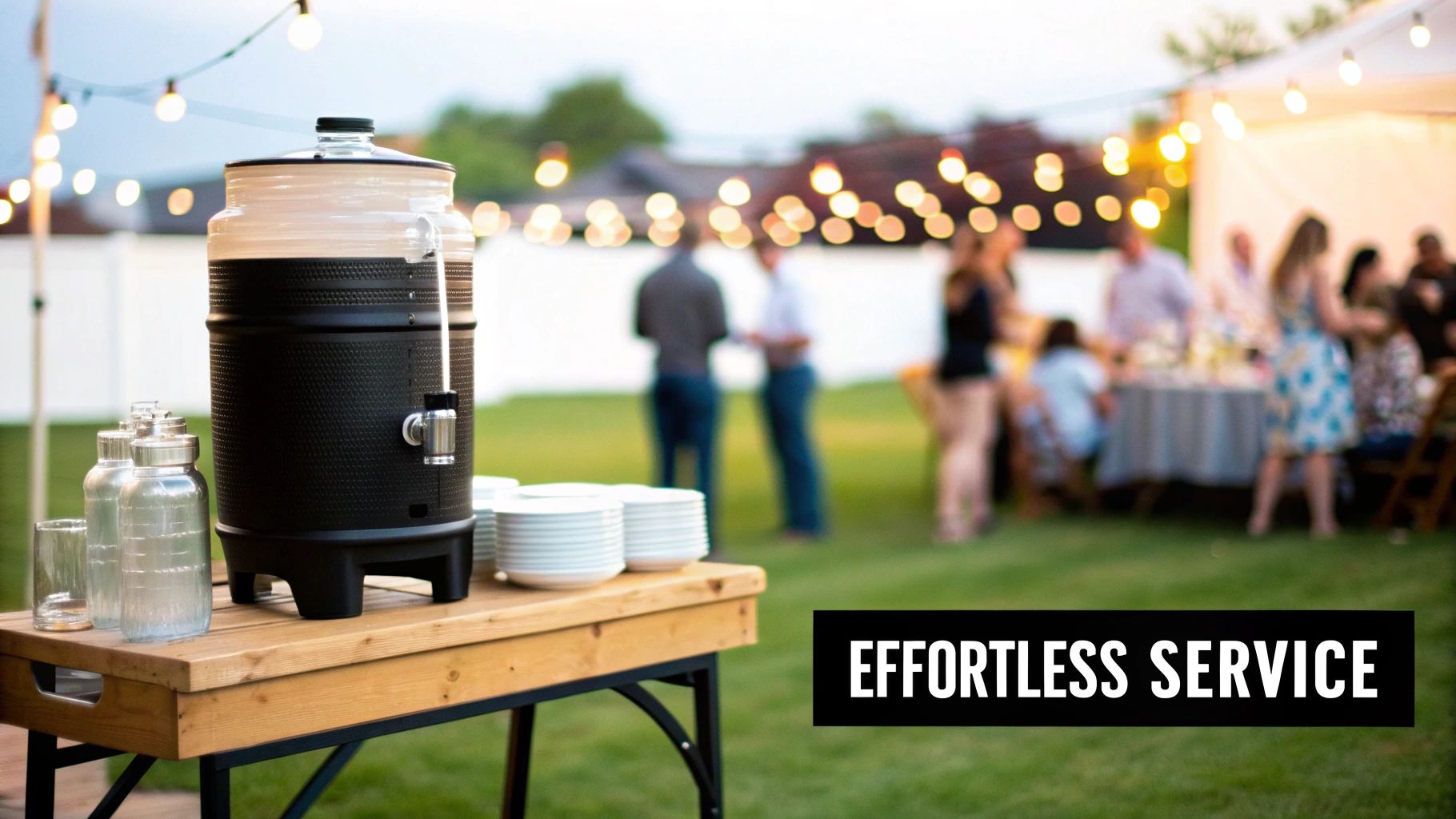
This isn't just about convenience; it's a smart strategy for any host or business. In the hospitality industry, big-batch solutions are essential. A single 10-gallon dispenser can serve 150-200 guests, cutting beverage service labor by 30-40% compared to using pitchers. The market reflects this, with the industry projected to nearly double to USD 10.58 billion by 2034.
Why a Large Dispenser Is a Game Changer
Switching to a large-format dispenser streamlines your beverage service. The benefits are immediate and give any event a more professional feel.
- Massive Efficiency Boost: One large refill is faster than ten small ones, freeing up your team to focus on guests or other tasks.
- Better Guest Experience: It ensures a constant supply of drinks, eliminating bottlenecks and empty pitchers.
- Less Waste and Mess: A sturdy spigot means fewer spills than pouring from clumsy pitchers, saving both product and cleanup time.
- Polished Presentation: A stylish dispenser creates an organized, appealing setup that looks far better than a collection of mismatched jugs.
Mastering the use of a 10-gallon drink dispenser means you're not just serving drinks—you're creating a seamless experience. For more organizational tips, see our complete catering equipment checklist.
Is a 10-Gallon Drink Dispenser Big Enough? Here's How to Know
Wondering if a 10-gallon drink dispenser is the right size for your event? Let’s break down the numbers. Ten gallons is 1,280 fluid ounces.
Using standard 8-ounce cups, that’s 160 servings. While that sounds like plenty, experienced hosts know that volume isn't the only factor. Simply filling it and hoping for the best can lead to running out of drinks mid-event or having gallons left over. A little planning goes a long way.
Real-World Factors That Affect Thirst
Drink consumption varies based on the event's atmosphere, location, and even the weather. Before deciding on your drink quantity, consider these variables:
- Event Duration: A two-hour open house requires far less beverage volume than an all-day party or a five-hour wedding reception.
- Weather: Heat is the biggest factor. For an outdoor event on a hot day, expect guests to drink 30-50% more.
- The Menu: Salty barbecue, spicy appetizers, or snack bowls will send guests straight to the drink station.
- Your Guests: A children's birthday party will have different hydration needs than an evening cocktail party.
A Simple Rule for Nailing Your Drink Estimate
Instead of guessing, use a standard catering formula to establish a reliable baseline. You can adjust from there based on your event's specific factors.
The Caterer's Rule of Thumb: Plan for guests to have two drinks in the first hour, then one drink for every subsequent hour.
Let's apply this to a four-hour family reunion for 50 people on a warm day.
- First Hour: 50 guests × 2 drinks each = 100 servings
- Next Three Hours: 50 guests × 3 hours × 1 drink per hour = 150 servings
- Total Estimated Servings: 100 + 150 = 250 servings
This calculation shows you'd need about 250 eight-ounce servings. Since one 10-gallon dispenser holds 160 servings, you immediately know you'll need to plan for at least one full refill. No more guesswork, just confidence.
10 Gallon Drink Dispenser Serving Capacity Guide
This quick-reference table shows how many servings a full 10-gallon dispenser provides based on cup size.
| Cup Size (Ounces) | Total Servings per 10 Gallons | Ideal For (Event Type) |
|---|---|---|
| 8 oz | 160 Servings | Standard for mixed drinks, lemonade, and iced tea at most events. |
| 10 oz | 128 Servings | A slightly larger size, good for self-serve water stations. |
| 12 oz | ~106 Servings | Common for soda or larger individual drink portions. |
| 16 oz | 80 Servings | Best for events where refills are expected to be less frequent. |
Use this as your starting point. Always round up and adjust for your event's unique factors to ensure everyone stays refreshed.
Choosing the Right Dispenser Material and Style
Selecting the right 10-gallon drink dispenser goes beyond size. The material and style impact everything from temperature control to your event’s aesthetic. An elegant glass dispenser that shines at an indoor wedding is a liability at an outdoor festival. Understanding the pros and cons of each material ensures you choose a dispenser that performs well and looks great.
Material Matters: Stainless Steel vs. Glass vs. Acrylic
Dispensers are typically made from a few common materials, each with distinct advantages. The right choice depends on your specific needs. Here's a quick comparison.
Comparing Drink Dispenser Materials
This side-by-side comparison helps you choose the best material for your 10-gallon drink dispenser.
| Material | Pros | Cons | Best For |
|---|---|---|---|
| Stainless Steel | Extremely durable, excellent temperature retention, easy to clean, professional look. | Can be heavy, opaque (can't see liquid level), higher initial cost. | Caterers, restaurants, outdoor events, and high-volume use. |
| Glass | Elegant and transparent, showcases colorful drinks beautifully, doesn't stain or retain odors. | Heavy, fragile, and prone to breaking. Poor insulation. | Indoor weddings, upscale parties, and events where style is a priority. |
| Acrylic/Plastic | Lightweight, shatter-resistant, affordable, often comes in various styles. | Can scratch or stain over time, may retain odors, poor insulation. | Casual gatherings, kid-friendly parties, and budget-conscious hosts. |
For professionals, stainless steel is the clear winner. Commercial clients account for 60% of all sales, and durable stainless models command 35% of the material market. They withstand heavy use, resist corrosion, and are proven to last 40% longer than plastic counterparts in professional tests. A stainless steel dispenser costs more upfront but is a smarter long-term investment for anyone who regularly hosts events.
Insulated vs. Non-Insulated: Which Style Fits Your Event?
After material, the next decision is insulation. This choice depends on your event's duration and location.
-
Insulated Dispensers: These are the workhorses. Their double-wall construction creates a thermal barrier that keeps drinks cold or hot for hours. They are essential for long events, outdoor gatherings, or any situation where temperature control is critical.
-
Non-Insulated Dispensers: Made of single-wall glass or acrylic, these are chosen for presentation. They are suitable for short events (under three hours) or in climate-controlled indoor venues where ambient temperature is not a concern.
If you're unsure, this flowchart can help you decide.
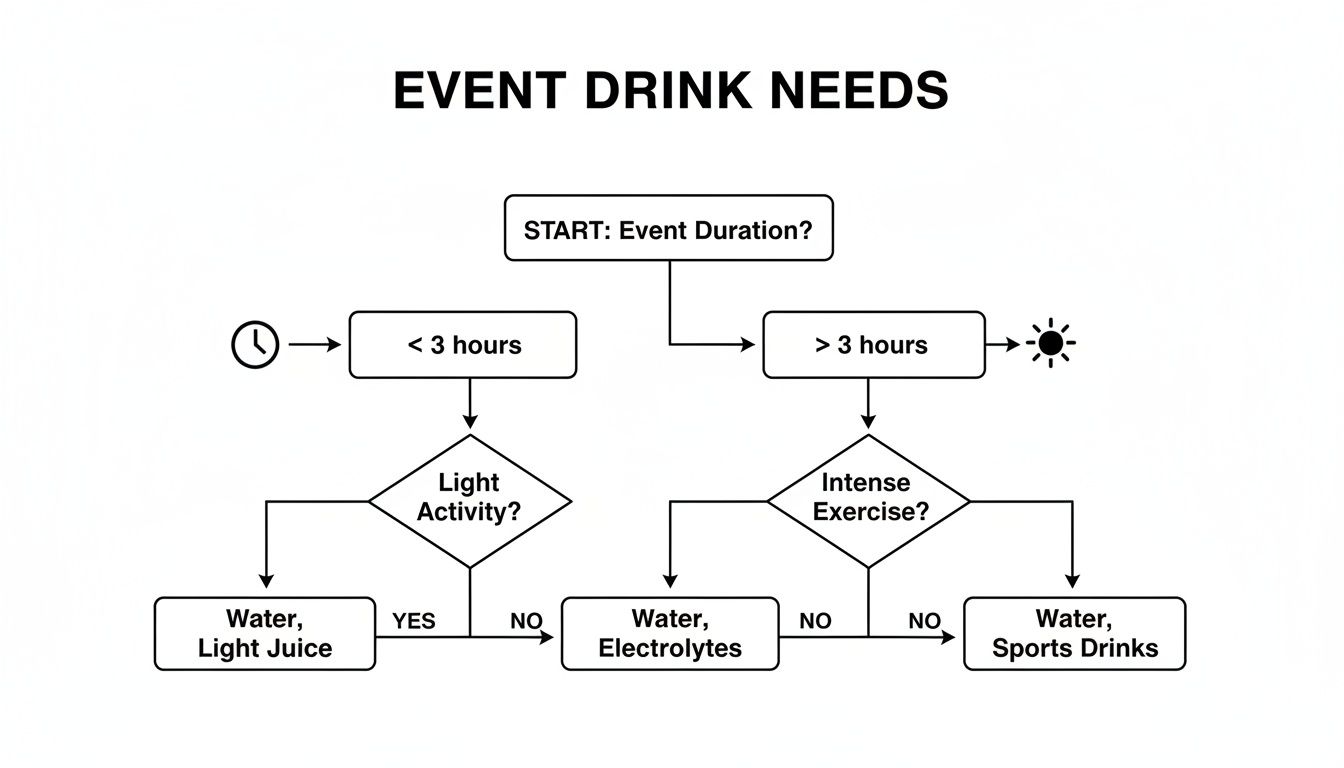
The takeaway is simple: for events longer than three hours, an insulated model is the best choice to keep beverages safe and enjoyable. For a permanent high-end solution, a built-in outdoor stainless steel kegerator offers similar durability with a sleek, integrated design.
Mastering Setup for a Flawless Guest Experience
A great 10-gallon drink dispenser is only effective with proper setup. Your goal is to create a station that is clean, intuitive, and allows for smooth traffic flow.
Start with the foundation. A full dispenser weighs over 80 pounds, so it requires a sturdy, level surface to prevent spills. Also, consider the spigot height. Guests shouldn't have to awkwardly tilt their cups to get a drink. Use a riser or place the dispenser at the edge of the table for easy, spill-free access.
Finding the Perfect Spot
Location is key. Place the beverage station where it's easy to find but not in a high-traffic area like a doorway. A common mistake is pushing it into a corner, which creates long lines. A better approach is to set up a dedicated station that guests can access from multiple sides to disperse crowds and maintain flow. For more layout strategies, see our guide on how to set up buffet tables.
Outdoor Events and Pest Protection
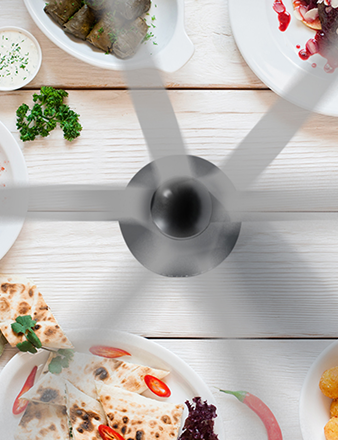
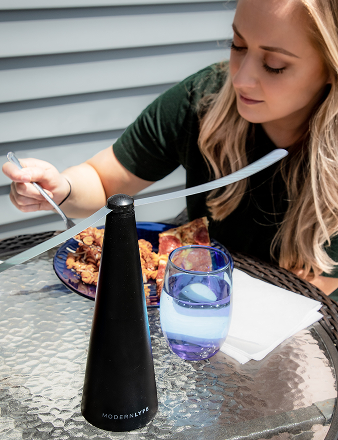
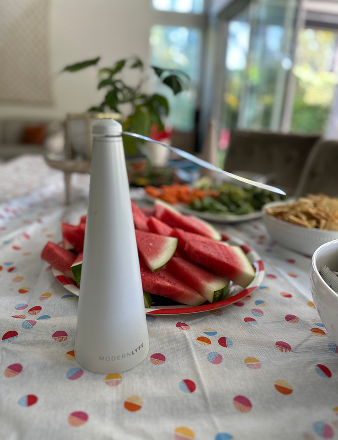
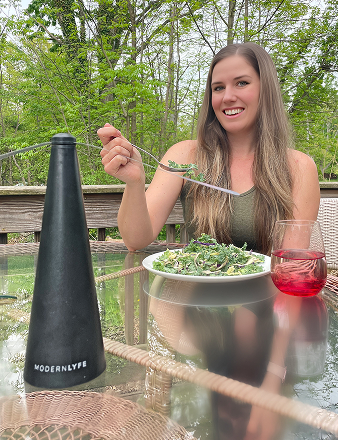
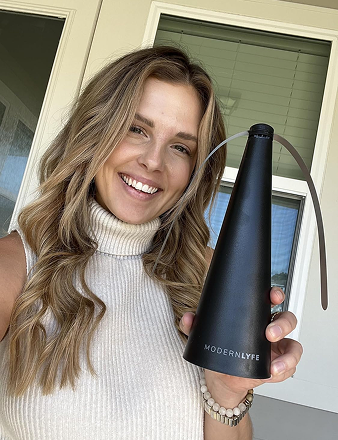
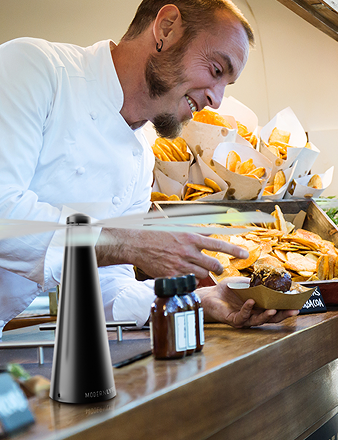
Outdoor events introduce pests. A lid protects the drink, but the spigot and serving area are exposed. A simple, modern solution is a blade-free fly fan. Placed next to the dispenser, it creates a gentle air barrier that keeps insects away from the spigot and cups without chemicals or noise.
Building the Ultimate Beverage Station
A great beverage station is more than just a dispenser. Attention to detail elevates the guest experience.
Use this checklist to cover all your bases:
- Cups and Lids: Have more cups than guests.
- Ice Bucket and Tongs: Keep ice separate to let guests control chill and prevent watered-down drinks.
- Garnishes: A bowl of lemon slices, limes, or fresh mint adds a touch of class.
- Napkins: Spills happen. Be prepared.
- Trash Receptacle: A nearby bin encourages guests to clean up after themselves.
A thoughtful setup turns a simple dispenser into a seamless, hygienic service station that enhances your event.
Essential Cleaning and Maintenance for Food Safety
Cleaning your 10-gallon drink dispenser is critical for food safety. Neglecting it allows bacteria to grow, which can affect the taste and safety of your beverages. Proper care also extends the life of your equipment. A simple three-step process—disassemble, sanitize, and dry—ensures a thorough clean that leaves no place for germs.
The Step-by-Step Sanitizing Process
A deep clean requires disassembly. Simply swishing soapy water inside isn't enough, as the spigot can trap sugary residue and bacteria.
-
Disassemble Everything: Carefully remove the spigot from the container by unscrewing the nut on the inside. Remove any gaskets and place all small parts in a bowl so they don't get lost.
-
Wash and Scrub: Use warm, soapy water and a soft cloth or sponge to wash the container, lid, and all parts of the spigot assembly. A small bottle brush is perfect for cleaning inside the spigot.
-
Sanitize and Rinse: Soak all parts in a food-safe sanitizing solution, following the product's instructions. This step is crucial for killing any remaining bacteria. Afterward, rinse everything thoroughly with clean water.
-
Air Dry Completely: Lay all pieces on a clean towel or drying rack to air dry. Do not wipe them down, as trapped moisture can lead to mold. Do not reassemble until everything is completely dry.
Proper maintenance is not only about hygiene; it’s about efficiency. For event planners, a well-maintained dispenser can reduce spillage by 17% at a 100-guest event, saving $50-$100 in wasted beverages. Durable models can have a 5-year lifespan, making them a smart long-term investment.
Long-Term Care and Storage Tips
Long-term care depends on the material. Use a specialized cleaner for stainless steel to maintain its shine and prevent water spots. For acrylic or plastic, use soft cloths and avoid abrasive scrubbers that can cause scratches.
Before storing, ensure the dispenser is completely dry. Reassemble it loosely to allow for air circulation. For commercial operations, professional commercial restaurant cleaning services can help maintain the highest hygiene standards. For a broader overview of kitchen safety, review our guide on how to prevent food contamination.
Common Questions About 10 Gallon Drink Dispensers
Even experienced hosts have questions about using a 10 gallon drink dispenser. Having clear answers ready helps you manage any issue confidently and keep your beverage station running smoothly. This is your go-to guide for common challenges, from temperature control to drink selection.
How Do I Keep Drinks Cold for Hours?
Keeping ten gallons of liquid cold, especially outdoors, requires a smart strategy. It’s not about more ice; it’s about slowing the melt.
If your dispenser is not insulated, pre-chill both the beverage and the dispenser itself. Placing the empty container in a walk-in cooler or a cool room for a few hours makes a significant difference.
Pro Tip: Use large ice blocks or frozen fruit rings instead of small cubes. A large block of ice has less surface area, causing it to melt much slower and keeping your drink cold without watering it down.
Another effective tactic is to place an insulated ice bucket next to the dispenser. This allows guests to add ice to their own cups, giving them control over the chill while the main batch remains full-strength.
What Kinds of Drinks Work Best?
While a 10 gallon drink dispenser can hold many beverages, some are better suited than others. The primary goal is to avoid clogging the spigot.
Clear, non-pulpy drinks are the safest choices because they flow smoothly.
- Iced Tea: A classic that flows perfectly.
- Lemonade or Limeade: Simple, refreshing, and free of pulp.
- Fruit-Infused Water: Looks great and serves easily; just ensure fruit pieces are too large to enter the spigot.
- Simple Punches: Clear punches without sorbet or thick fruit purees are ideal.
If you plan to serve something like sangria with chopped fruit, you must use a dispenser with a high-quality, wide-mouth spigot designed for thicker liquids. Avoid carbonated drinks, as they will quickly go flat. Be extremely cautious with dairy-based beverages, which require strict temperature control to prevent spoilage.
Can I Use This Dispenser for Hot Beverages?
Yes, but only if the dispenser is specifically rated for hot liquids. This is a critical safety distinction.
Insulated stainless steel models are designed for this purpose. Their double-wall construction safely handles and retains heat, making them ideal for serving hot cider, coffee, or hot chocolate for 4-6 hours.
Never pour hot liquid into a standard glass or acrylic dispenser unless the manufacturer explicitly states it is safe. The sudden temperature change (thermal shock) can cause the material to crack or shatter, creating a dangerous mess. Always check the manufacturer's specifications.
How Can I Transport a Full Dispenser without Spills?
Moving a full 10-gallon dispenser, which weighs over 80 pounds, is at least a two-person job. The risk of spills is high.
The safest method is to transport the liquid in separate, sealed containers. Set up the dispenser at your venue and then fill it. This approach nearly eliminates the risk of a major spill during transit.
If you must transport it partially filled, take precautions. Ensure the lid has a tight-fitting, locking gasket. Place the dispenser on a non-slip mat in your vehicle and brace it with straps or other heavy items to prevent tipping. Many professionals use a utility cart to move the heavy container from the vehicle to the setup location, which saves your back and prevents drops.
Ready to elevate your next event with flawless, pest-free beverage service? The innovative fly fans from MODERN LYFE create a quiet, chemical-free barrier that protects your drink station and enhances guest comfort. Discover the perfect solution for your setup at modernlyfe.com.