The 10 oz plastic cup is the go-to choice for countless events and businesses. It hits the sweet spot: big enough for a decent drink, but small enough to control portions and reduce waste. For caterers, restaurants, and home entertainers, it’s the standard for serving everything from water and juice to batch cocktails.
The Perfect Size: Why 10 Ounces Works
Think of the 10 oz cup as the most efficient option for beverage service. It's a strategic choice for professionals who know how an event flows. Smaller cups mean constant refills and long lines. Larger cups lead to half-full drinks in the trash, wasting both product and money.
Choosing the right cup is a business decision that affects your budget, staff efficiency, and guest experience. It comes down to a few core questions:
- What's the Look? Do you need crystal-clear PET plastic for a signature cocktail, or is the durable, flexible PP a better fit?
- How Does it Feel? A flimsy cup feels cheap and leads to spills. Does the cup feel sturdy in a guest's hand?
- What's the Cost? For a large event, how does the price-per-cup impact your bottom line?
It's All Part of a Professional Setup
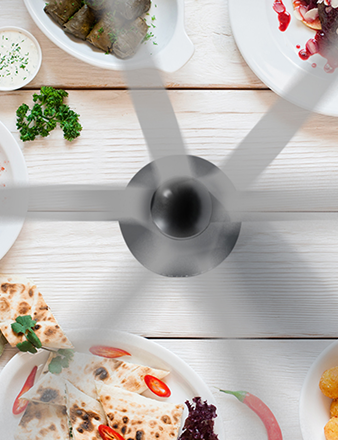
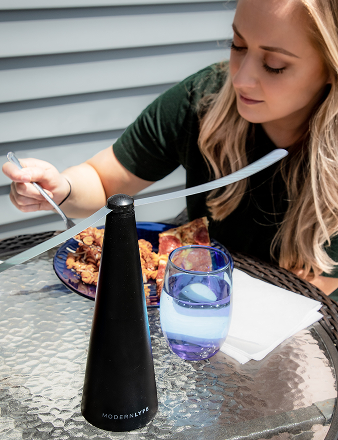
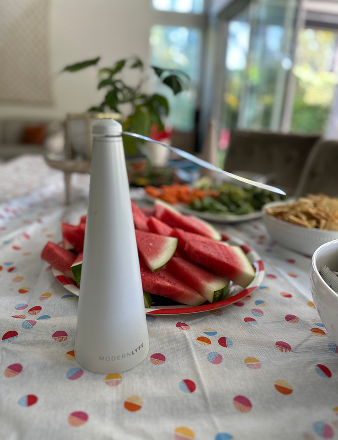
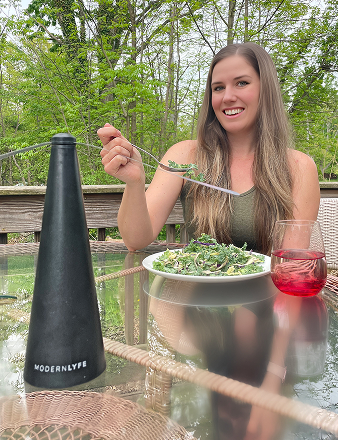
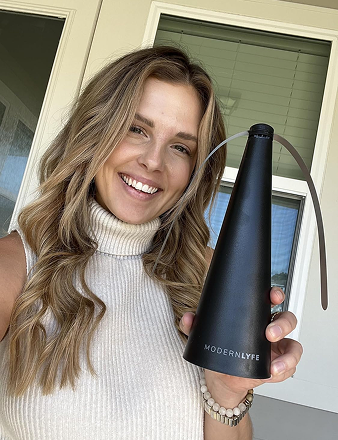
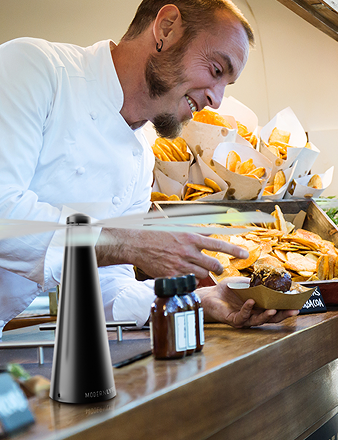
A simple cup is a small but critical detail that signals professionalism. At an outdoor wedding or catered party, a sturdy 10 oz cup with a craft beverage looks great. It's even better when paired with a smart solution like a Modern Lyfe fly fan to keep the drink station hygienic.
This attention to detail is why demand for reliable disposables is so high. The global disposable cups market reached USD 17.40 billion in 2024, a massive jump from a decade ago. The full report on Grand View Research shows this growth is driven by food service professionals who know that smart choices—even about something as basic as a cup—directly impact their success.
Choosing the Right Material: PET vs. PP vs. PLA
Not all 10 oz plastic cups are the same. The material you choose affects everything from drink presentation to environmental impact. It's a choice that reflects on your entire service.
Think of it as a balance between aesthetics, durability, and sustainability. Let's break down the three main options—PET, PP, and PLA—so you can find the right match for your needs.
PET: The Crystal-Clear Choice
When you want your drinks to stand out, PET (Polyethylene Terephthalate) is the answer. This material offers a brilliant, glass-like clarity that makes colorful cocktails, fresh juices, and iced coffees look their best.
PET is ideal for upscale events, weddings, and restaurants where presentation matters. The key rule: it’s for cold drinks only. Heat can cause PET to warp, so keep it away from hot coffee or tea.
PP: The Durable Workhorse
For situations where durability is more important than perfect clarity, choose PP (Polypropylene). This is the workhorse cup. Unlike the rigid PET, PP plastic is flexible and highly crack-resistant, making it perfect for high-volume, fast-paced environments like festivals, outdoor concerts, or busy bars.
While it has a more translucent or frosted appearance, PP can handle warm liquids better than PET. It’s a practical, no-fuss option that holds up to heavy use.
PLA: The Eco-Conscious Alternative
For businesses focused on sustainability, PLA (Polylactic Acid) offers a green alternative. Made from renewable resources like cornstarch, this bioplastic has the same visual clarity as PET, so you don’t have to sacrifice looks for eco-friendliness.
PLA's main benefit is that it's commercially compostable. This requires access to an industrial composting facility; it will not break down in a backyard compost or landfill. To truly close the loop, you need the right disposal infrastructure.
This chart breaks down the key features of each material.
10 Oz Plastic Cup Material Comparison
| Material | Key Feature | Best For | Heat Tolerance | Environmental Profile |
|---|---|---|---|---|
| PET | Crystal-clear, glass-like appearance | Showcasing premium cold beverages | Cold liquids only | Recyclable (check local facilities) |
| PP | Flexible and crack-resistant | High-volume, casual, or outdoor use | Can handle warm (not hot) liquids | Recyclable (check local facilities) |
| PLA | Plant-based and commercially compostable | Eco-conscious brands and events | Cold liquids only | Commercially compostable |
Ultimately, your choice sends a message. PET highlights quality, PP signals practicality, and PLA shows a commitment to sustainability.
Planning ahead also guides your choices. An outdoor event might require lids to protect drinks from insects or debris—a simple but critical detail.

This level of planning ensures you have the right cup and accessories to deliver a seamless guest experience.
Practical Specs That Make or Break Your Service
During a busy event, you need your equipment to work for you, not against you. A 10 oz plastic cup is a piece of equipment. Small design details can either make your service run smoothly or create a bottleneck for staff and guests. It's not just about holding liquid; it’s about performance under pressure.
Choosing the right cup means thinking like an operations manager. How does it stack? Will it tip over? Does it fit your dispensers? These questions separate a good purchase from a bad one.

Let's break down the three specs with the biggest impact on daily use.
Dimensions and Dispenser Fit
Never order cups in bulk without checking the dimensions first. A cup's top and bottom diameters are critical. The top diameter determines if it works with your existing lids and cup dispensers. A few millimeters of difference can render a case of a thousand cups useless.
The base diameter affects stability. A wider base means a lower center of gravity, so the cup is less likely to tip over on a tray or table. Before placing a large order, get a sample sleeve to test with your dispensers and lids. This is also a good time to review your full setup; see our guide on choosing a 10-gallon beverage dispenser for tips on pairing equipment.
Stackability and Durability
The speed of your service depends on how fast someone can grab a single cup. This is where stackability is a non-negotiable feature.
A well-designed cup has small internal ridges called stacking lugs. They create an air gap between nested cups, preventing a vacuum seal and allowing for quick, one-at-a-time dispensing.
Without lugs, cups jam together. Staff waste time fumbling to separate them, which kills momentum and looks unprofessional. It's a small design detail that makes a huge difference.
Finally, consider the feel of the cup. A flimsy cup feels cheap and can be crushed in a guest's hand, causing spills. A slightly heavier, more rigid cup feels more substantial and holds its shape. That added sturdiness gives guests confidence and contributes to a professional experience.
Smart Ways to Use 10 Oz Plastic Cups
The 10 oz plastic cup is a hospitality workhorse. But if you only use it for drinks, you're missing out. It's a clever tool for controlling costs, elevating presentation, and streamlining service.
Its popularity is no accident. The global market for plastic cold drink cups was valued at USD 15.2 billion in 2024, with the 10 oz size being a favorite for its adaptability. As materials improve, this cup continues to prove its worth. You can find more market data in this full report from PR Newswire.
From Standard Sips to Smart Portions
The most obvious use for a 10 oz cup is serving drinks. It’s the perfect size for soda, water, or batched event cocktails. You give guests a good-sized drink without the waste of larger cups.
But that's just the start. Think beyond the bar:
- Dessert Parfaits: Crystal-clear PET cups are perfect. Layer yogurt, fruit, and granola for a breakfast bar, or chocolate mousse and whipped cream for dessert. The 10 oz size creates an ideal, single-serving portion.
- Pudding and Jello Cups: A simple, grab-and-go dessert solution for kids' parties or any large-scale event.
- Veggie and Dip Cups: A catering classic. Spoon hummus or ranch into the bottom, then stand carrot and celery sticks upright. It’s a self-contained, easy-to-carry snack for mingling guests.
Generous Samples and Hygienic Service
The 10 oz cup can also be a powerful marketing tool. At a trade show or in-store demo, use it for "generous sampling." A tiny 2 oz sample can feel stingy, but a 10 oz cup half-filled with your new smoothie feels substantial. It gives customers a real chance to try your product.
This simple switch improves the customer experience. It makes a memorable impression and shows confidence in your product, often leading directly to a sale.
Serving items in individual 10 oz cups is also a win for hygiene. At a buffet, pre-portioning desserts this way eliminates the mess and cross-contamination of shared serving spoons, keeping the display clean from start to finish.
This is especially true for outdoor events. Keeping food protected is non-negotiable. Our guide on the best accessories for a perfect picnic touches on this.
When you place these pre-portioned cups on a table protected by a solution like a Modern Lyfe fly fan, you create a professional and sanitary serving station. It's a detail that tells guests you care about their experience.
Event Planning and Inventory Logistics
Having the right 10 oz cups is one thing; knowing how many you need is another. Running out of cups mid-event is a disaster, and overstocking wastes money.
Smart logistics are the hero of a successful service. Stop guessing and start calculating.
Event Cup Formula: (Number of Guests) x (Drinks Per Guest) + Buffer = Total Cups Needed
This simple formula is the foundation of every event order. It removes the guesswork and gives you a solid number to work with.
Estimating Your Cup Needs
The "drinks per guest" number depends on your event. A two-hour cocktail party has a different consumption rate than an all-day festival.
Here are some real-world benchmarks:
- Short Events (1-2 hours): Plan for 2-3 drinks per guest.
- Standard Events (3-4 hours): Plan for 3-4 drinks per guest.
- All-Day Events (5+ hours): Budget for a minimum of 5-6 drinks per person.
After calculating your total, always add a 10-15% buffer. This is your safety net for dropped drinks, extra guests, or people who grab a new cup for every refill. A good ultimate event planning checklist is an essential tool for managing these details.
Cost Savings and Smart Storage
For businesses with regular service, like restaurants or caterers, setting "par levels" is a game-changer. A par level is the minimum quantity of an item you must always have on hand. It prevents you from running low during a rush.
Buying in bulk is the fastest way to lower your cost per cup. Suppliers offer deep discounts for case and pallet orders. When the order arrives, store cases in a clean, dry area, off the floor, to prevent contamination. Pro tip: store cup sleeves upside down to keep dust from settling inside.
For a deeper dive into outfitting your operation, our comprehensive catering equipment checklist covers all the essentials.
Thinking Beyond the Toss: Sustainability and Disposal in 2026
Today, sustainability is a core part of running a smart business. For an item like the 10 oz plastic cup, your responsibility doesn't end when the drink is gone. The real challenge—and opportunity—is what happens next.
This isn't just about public perception. The disposable cups market is facing new environmental regulations. Demand for greener options is soaring, with the recyclable cups segment alone valued at USD 29.5 billion in 2023. The full disposable cups market report from Market.us makes it clear which way the industry is heading.

Turning Compliance into a Branding Opportunity
Proper disposal is more than just following rules. It’s a visible way to show customers your brand cares. The key is to make it easy for people to do the right thing.
Most PET and PP cups are recyclable, but only if they end up in the right bin. Here’s how to get your guests on board:
- Know Your Numbers: Look for the recycling symbol on the bottom of the cup. PET is almost always #1, and PP is #5.
- Use Clear Signage: Use big, bold signs with pictures. A sign showing your cup next to a large "#1" above the recycling bin removes all guesswork.
- Create Sorting Stations: Set up distinct, clearly marked containers for trash, recyclables (PET/PP), and compost (PLA).
A critical note on PLA: These plant-based cups require industrial composting facilities to break down. They contaminate plastic recycling and won't decompose in a landfill. They must be collected separately.
When you make disposal this easy, you turn an operational task into a statement about your brand's commitment to doing things right.
Your Questions Answered: A Quick Guide to 10 Oz Cups
Even with all the details, a few practical questions always come up. Here are the quick answers for using 10 oz plastic cups.
Can I Put Hot Coffee in These Cups?
Almost always, no. The standard crystal-clear cup is made from PET, which is only for cold drinks. Hot coffee will cause it to warp, soften, or even melt.
For hot beverages, you need paper cups with a protective lining or plastic cups made from Polypropylene (PP), which has a higher heat tolerance.
How Many Cups Should I Order for a 100-Person Event?
A reliable rule is to plan for 2-3 drinks per guest in the first two hours, then one drink per hour after that.
For a 3-hour party with 100 guests:
- First 2 Hours: 100 guests x 3 drinks = 300 cups
- Final Hour: 100 guests x 1 drink = 100 cups
- Total Needed: 400 cups
Always add a 10-15% buffer (40-60 extra cups for this event). This covers spills, extra guests, and fresh cups for refills.
What’s the Most Eco-Friendly Plastic Cup?
The "best" choice depends on your local waste management. If you have confirmed access to an industrial composting facility, PLA (Polylactic Acid) cups are the greenest option. These plant-based cups break down completely in that specific environment.
If you don't have commercial composting, PLA cups just become trash. In that case, a widely recyclable plastic like PET (#1) or PP (#5) is a more responsible choice. Just be sure to set up clearly marked recycling bins to make it easy for guests.
Ready to protect your food and drinks from pests at your next outdoor event? Modern Lyfe offers a line of elegant and effective fly fans designed to keep your setup pristine and professional. Check out the collection and create a more enjoyable, pest-free atmosphere for your guests at https://modernlyfe.com.