A lot of outdoor spaces fail before guests even sit down.
The chairs are fine. The table is fine. The lighting may even be fine. But the floor tells a different story. Bare concrete, hot pavers, worn deck boards, or a patchwork of surfaces make the whole setup feel temporary. In a restaurant, that hurts perceived quality. At a wedding, it weakens the reveal. At home, it makes people treat the patio like overflow space instead of part of the experience.
A 10 x 14 outdoor rug changes that fast. It doesn’t just decorate. It sets boundaries, softens the feel underfoot, organizes furniture, and helps an outdoor area read as intentional. In hospitality settings, that matters because guests notice comfort, flow, and cleanliness long before they comment on color or pattern.
For buyers comparing sizes, this one earns its reputation because it’s large enough to support real use. It can hold a dining layout, create a lounge zone, or turn a scattered patio into a single usable room. That’s why I treat it less like an accessory and more like infrastructure.
The Foundation of Your Outdoor Space
A bare patio always looks bigger on paper than it feels in service.
I’ve seen restaurant owners set out a solid table arrangement and still wonder why the space feels cold. The issue usually isn’t the furniture. It’s the lack of a visual floor. Without that layer, guests see separate objects instead of one complete environment.

A 10 x 14 outdoor rug gives the space a center of gravity. It works like a stage under the setup. Dining chairs stop looking like they’re floating. A hotel lounge grouping feels planned instead of borrowed from another area. A backyard barbecue setup starts reading like an outdoor room, not a few seats pulled onto the slab.
Why this size works in the real world
Scale matters. A 10x14 outdoor rug is large enough to accommodate a 6-8 person dining table while leaving the recommended 12-18 inches of border on all sides, which helps anchor the layout without creating a tripping hazard in active spaces (Rug Gallery).
That border is what separates a polished layout from an awkward one. If chairs catch the edge every time someone sits down, the rug becomes a problem instead of an asset.
Practical rule: If the rug doesn’t support the furniture in motion, it’s too small for hospitality use.
It changes guest perception fast
Guests don’t usually say, “Great rug size.” They say the patio feels finished, comfortable, or upscale. That reaction comes from the rug doing several jobs at once:
- Defining a zone so diners know where one experience starts and another ends
- Softening hard surfaces so the setting feels more welcoming
- Adding visual cohesion when furniture materials, planters, and finishes don’t naturally match
- Supporting flow by making the seating area feel deliberate
If you want more visual ideas for styling rugs for your outdoor entertainment areas, that guide is useful for seeing how a rug shifts the mood of a patio.
For spaces that need more enclosure or weather control, I’d also think about how the rug works with overhead structure and screening, especially in event setups like this: https://modernlyfe.com/blogs/articles/10-x-10-screened-canopy
How to Choose the Right Rug Material
The wrong material will waste your money even if the rug looks right on day one.
For outdoor dining, catered events, hotel terraces, and busy home patios, material decides how the rug handles spills, rain, chair movement, and reset time between uses. Looks matter. Performance matters more.
What to prioritize first
Most high-quality outdoor rugs are machine-woven with a low pile height under 0.30 inches and made from polypropylene, a hydrophobic material that absorbs less than 1% of its weight in water, can dry in under two hours, and achieves a top mildew-resistance score (Rugs.com).
That one sentence covers most of what practical buyers need to know. Low pile means fewer trip issues and easier chair movement. Machine-woven construction usually gives you a more consistent surface. Polypropylene is the workhorse because it doesn’t hold water the way more absorbent fibers do.
Outdoor Rug Material Comparison
| Material | Durability | Stain Resistance | Feel | Best For |
|---|---|---|---|---|
| Polypropylene | Strong for repeated outdoor use | Excellent for common food and drink messes | Functional, smoother than plush | Restaurants, poolside areas, patios, event rentals |
| Polyester | Acceptable, but less dependable in heavy-use settings | Good, but not my first pick for messy service zones | Often softer at first touch | Decorative seating areas with lighter use |
| Recycled PET | Practical when you want a more textile-like hand | Generally easy to maintain, depending on weave | Softer, more indoor-like | Residential lounge spaces and style-led patios |
What works and what doesn’t
Polypropylene works when the rug needs to survive. Dining spaces, buffet zones, bar areas, and family patios all benefit from a fiber that shrugs off moisture and cleans up without drama.
Polyester can work in covered outdoor areas where visual softness matters more than hard service. I’m cautious with it in spaces that see frequent chair scraping, food drops, or all-day sun.
Recycled PET works for buyers who want a less plastic feel underfoot. It can look excellent in lounges and layered setups. But I still prefer simpler, tighter constructions for event and food-service use because they’re easier to reset quickly.
Don’t buy an outdoor rug the way you buy a throw pillow. The best-looking option in a product photo may be the worst option after a weekend of spills and traffic.
Flatweave versus pile
If you see flatweave or low-pile, that’s usually good news outdoors.
A flatweave rug stays close to the ground. Chairs move better over it. Debris sits closer to the surface instead of getting buried. That matters if staff need to sweep between seatings or if you host often and don’t want maintenance turning into a project.
Pile height sounds technical, but it’s simple. The taller the surface, the more texture you get. You also get more drag, more trapped crumbs, and more cleaning friction.
A good buying shortcut is to ignore the lifestyle photo for a minute and read the construction line first. Then go back to color and pattern.
If you want another perspective on what makes the best outdoor rugs, that roundup is helpful for comparing broad buying considerations before narrowing down to a specific material.
Strategic Placement for Maximum Impact
Placement is where a good rug either earns its keep or gets blamed for problems it didn’t create.
A 10 x 14 outdoor rug gives you enough coverage to make bold layout moves. It covers 140 square feet, which suits the majority of standard US patios that average 120-200 square feet, and that matters because outdoor zones often handle 2-3 times more wear than indoor settings (Plush Rugs).

Dining layouts that actually function
For an outdoor dining area, start with the table centered on the rug. Then check the chair travel, not just the still photo. Pull every chair back as if service is happening.
If chair legs land awkwardly on the edge, the layout is too tight or the rug is too far off-center.
Use this checklist:
- Center the table first so the visual weight feels balanced.
- Test every seat pulled out because that’s the actual footprint.
- Keep walkways open around the perimeter so servers and guests aren’t forced onto the rug edge repeatedly.
Lounge layouts with more flexibility
Lounge spaces can bend the rules a bit.
You don’t always need every leg fully on the rug if the grouping still reads as one composition. In residential patios and hotel seating pockets, the front-legs-on approach often works well because it keeps the furniture connected without swallowing too much visible flooring.
Where people go wrong
The most common mistakes are easy to spot:
- Rug too small for the grouping so the furniture looks stranded
- Rug pushed against one side because the layout followed walls instead of traffic flow
- No clearance for paths so guests cut across corners and curl the edges
- Pattern chosen before placement which can make a narrow patio feel even narrower
A rug should guide movement, not interrupt it.
Placement by use case
Restaurant patio
Set the rug under the full dining footprint. Leave obvious service paths around it. If there’s a host stand or planter line nearby, use the rug to signal the dining boundary.
Wedding or catered reception
Use one rug to anchor a welcome lounge, cake area, or beverage station. In temporary event design, a large rug helps separate “gather here” from “walk through.”
Backyard entertaining
Use the rug to connect seating, coffee table, and side chairs into one zone. If the patio is open-plan, the rug gives the eye a stopping point.
Advanced Styling and Layering Techniques
Good styling doesn’t start with accessories. It starts with control.
Once the rug is doing the heavy work of scale and placement, styling becomes easier because you’re editing inside a clear boundary instead of trying to rescue a scattered setup.
Match the rug to the setting, not just the trend
Modern patios usually look strongest with clean geometry, restrained contrast, and low-noise patterns. Garden settings can support softer motifs and more visual movement. Commercial spaces need more discipline. A rug in a restaurant or resort should support the brand mood without competing with tablescapes, signage, or landscaping.

A few reliable approaches:
- Use darker or patterned bases in food-service settings where spills are part of the job
- Choose lighter neutrals when the architecture or view should stay dominant
- Let one element lead. If cushions are colorful, keep the rug quieter. If the rug has strong pattern, calm down the rest
How layering works outdoors
Layering can look sharp outdoors, but it only works when the base rug is stable and practical.
The 10 x 14 outdoor rug should be the anchor. Over that, you can add a smaller accent rug to define a coffee-table zone, a welcome moment, or a lounge corner. The top layer should be used carefully. In event work, I keep layered looks for low-traffic areas because stacked edges can create movement and maintenance issues.
What works:
- a large flat outdoor base with a smaller accent rug in a seating nook
- a subtle base pattern with a more expressive top layer
- layering used to highlight one purpose, not every purpose
What usually fails:
- thick top rugs under dining chairs
- too many competing patterns
- layering in direct spill zones where cleanup speed matters most
Layering should sharpen the layout. If it complicates chair movement or cleaning, skip it.
Use the rug to create hierarchy
A large patio often needs visual ranking. Guests should understand what the main area is without being told.
The rug can create that hierarchy by claiming the premium zone first. Put the most social seating, best dining view, or branded guest experience on the rug. Then let planters, lighting, and side furniture support it.
If you’re comparing this size with a slightly narrower footprint, this guide to https://modernlyfe.com/blogs/articles/10-x-12-outdoor-rugs is a useful reference point before you commit.
Keeping Your Outdoor Rug Clean and New
If the rug lives outdoors, it needs a cleaning routine that matches real use.
That doesn’t mean constant deep cleaning. It means simple maintenance done at the right time, before crumbs, grease, moisture, and foot traffic turn a good-looking surface into a maintenance headache.

Reversible polypropylene rugs have a practical advantage here. They offer extended utility, their breathable weave allows them to dry in under an hour after rain, and their oleophobic coatings help repel oils and food spills for simple wipe-clean maintenance in food-service settings (Target).
The routine that keeps problems small
For busy patios and event spaces, I recommend thinking in three levels.
After service or after guests leave
Do the quick reset first. Doing so protects most rug lifespan.
- Pick up solid debris before it gets stepped in
- Blot fresh spills instead of grinding them deeper
- Check under dining edges where dropped food collects fastest
If the rug is reversible, flipping sides strategically can help stretch presentation quality between more thorough cleanings.
Weekly or after heavy use
This is the maintenance pass that keeps the rug from looking tired.
Use a hose or rinse method suited to the rug construction. Don’t leave standing water trapped underneath. Let airflow do the drying work. On low-profile polypropylene pieces, this process is usually straightforward because the fibers don’t hold much moisture.
A quick demonstration helps more than a paragraph here:
Seasonal reset
Before storage or before a major event season, inspect the rug fully. Check edges, underside, and any area that sits under tables most often.
Cleaning trade-offs worth knowing
Not every stain needs aggressive scrubbing. Overworking one spot can rough up the surface or make one area look cleaner than the rest.
A better approach is to work in this order:
- Remove dry debris first
- Treat the spill area
- Rinse if needed
- Dry the rug fully before laying it flat again
What busy operators should avoid
Don’t leave spills overnight if food service is involved. That’s where odor and hygiene problems start.
Don’t trap moisture underneath by laying the rug back down on a damp surface.
Don’t wait for visible dirt everywhere. Outdoor rugs often fail visually in the traffic lanes first, not across the entire surface.
For restaurants, caterers, and homeowners who entertain often, the best maintenance system is the one staff or hosts will follow. Simple beats elaborate every time.
Creating a Pest-Resistant Outdoor Zone
Most outdoor rug advice stops at fading, rain, and style. That misses a real hospitality problem.
Food service outdoors creates a chain reaction. Crumbs fall. Drinks drip. Sauces land where nobody notices them right away. Flies and other pests follow the food, not the decor plan. If the surface under the table traps debris, cleanup gets slower and the hygiene problem gets bigger.
That’s why rug selection matters beyond appearance. A tight-weave outdoor rug minimizes food traps, and that’s especially relevant because 70% of outdoor hospitality events report issues with flies (Living Spaces).
Build the zone as a system
A cleanable rug is one layer of defense. It helps by reducing the places where crumbs and sticky residue can hide. But it works best when the whole setup is designed with hygiene in mind.
The most effective outdoor dining zones usually combine:
- A low-profile rug that doesn’t hold debris
- Fast spill response so food residue doesn’t sit
- Stable table layout so guests aren’t dragging chair legs into messes
- Active insect control around food and seating areas
Why this matters for guest comfort
Guests don’t separate cleanliness from comfort. If flies hover around a buffet or table, the entire experience feels less controlled. That affects weddings, resort patios, food truck seating, and backyard dinners the same way.
Clean design isn’t only visual. It’s operational.
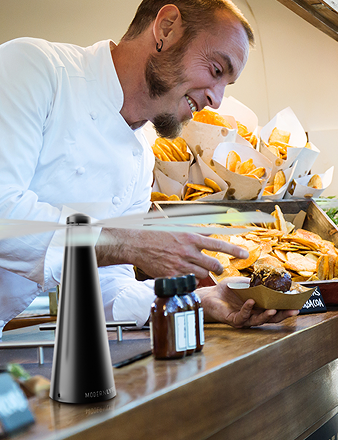
A rug can support the bigger goal. It defines the zone, supports easier cleaning, and pairs naturally with tabletop bug-control solutions. If you’re planning the full setup, this guide to https://modernlyfe.com/blogs/articles/outdoor-fans-to-keep-bugs-away is worth reading alongside your layout choices.
Your Outdoor Rug Questions Answered
Do you need a rug pad outdoors
Sometimes yes, sometimes no.
If the rug sits on a smooth hard surface and sees regular foot traffic, a breathable pad can help with grip and reduce bunching. It’s most useful when the rug shifts under dining chairs or in breezy areas. The key is breathability. Outdoors, anything that traps moisture creates a bigger problem than movement.
How do you keep a large outdoor rug from moving
Start with the surface. A rug on slick tile behaves differently from one on textured concrete or decking.
For routine movement, furniture weight often helps. In wind-prone areas, corner curl and edge lift are the bigger concerns. A flatter, low-profile construction usually performs better than anything thick or plush. If the rug is for temporary events, check placement before guests arrive and again after furniture is set.
Can you place a 10 x 14 outdoor rug on grass
For temporary use, yes. For long-term use, I don’t recommend it.
Grass introduces moisture from below, uneven support, and more debris. That makes the rug harder to keep clean and less stable under tables and chairs. For an event lawn, it can still work as a short-term zone marker for a lounge or welcome area. Just make sure the ground is as level and dry as possible, and remove the rug promptly after use.
A 10 x 14 outdoor rug works best when it has a clear job. Define the dining zone. Anchor the lounge. Improve comfort. Support cleaner service. If you buy it for those reasons instead of just the pattern, you’ll make a better decision.
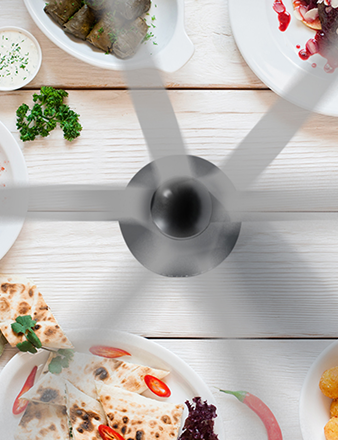
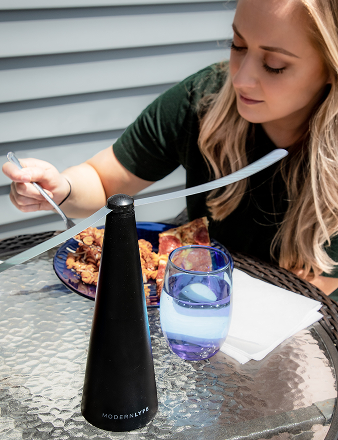
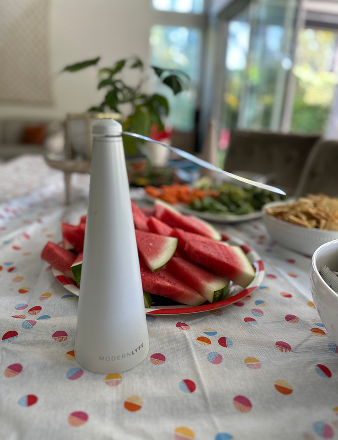
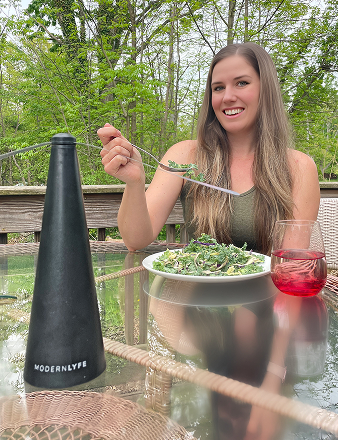
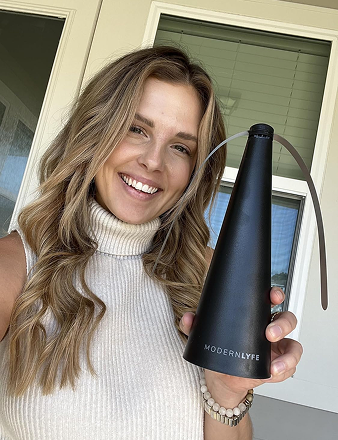
Modern outdoor hosting works best when comfort and hygiene are handled together. If you’re building a cleaner patio, buffet, restaurant table, or event setup, MODERN LYFE offers stylish fly fan solutions that help protect food and improve the guest experience without cluttering the look of your space.