A 10 x 20 pergola isn't just an outdoor structure—it's a 200-square-foot extension of your living space, sized to anchor your patio or backyard. This footprint gives you substantial coverage for a full dining set or a spacious lounge, turning an underused area into a functional, open-air room.
What a 10 x 20 Pergola Can Do for Your Space
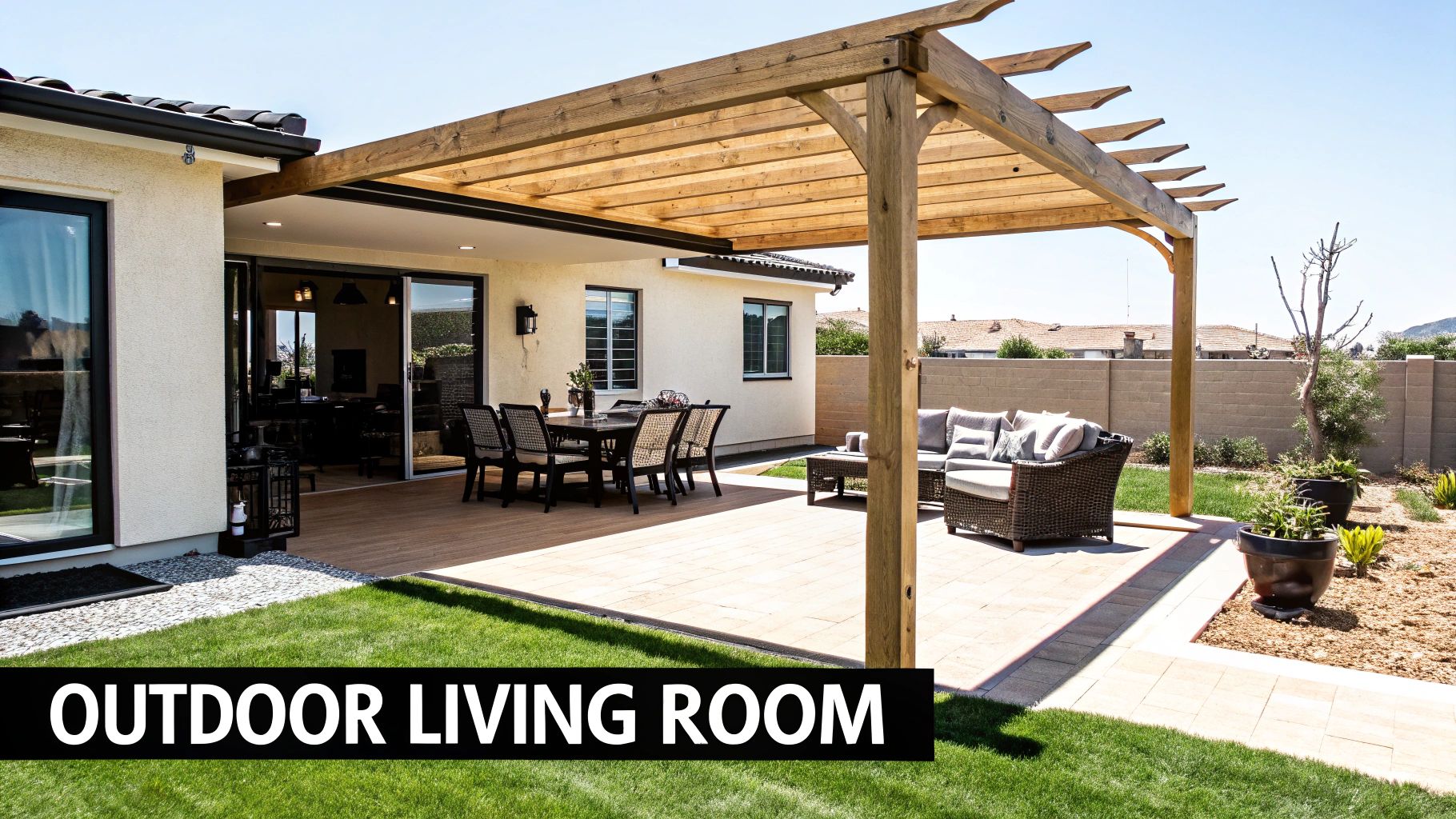
A 10 x 20 pergola creates a destination. It carves out a distinct zone in your outdoor area, sending a clear signal to family, friends, or customers that this is the spot for gathering, dining, or relaxing.
This size hits a sweet spot: large enough to be genuinely useful but not so massive that it dominates an average backyard or commercial patio. That versatility makes it a popular choice for many different settings.
The Ideal Footprint for Functionality
With 200 square feet to work with, you have real flexibility. It's the perfect foundation for creating highly functional zones, whether at home or at a business.
Consider what you can fit in that space:
- A Complete Outdoor Dining Room: Easily set up a dining table for 8-10 people with plenty of room to move around comfortably.
- A Spacious Lounge Area: It’s big enough for a full outdoor sofa, a couple of armchairs, and a coffee table—essentially, an outdoor living room.
- A Hybrid Entertainment Zone: Split the space. Create a cozy seating nook at one end and a dedicated grilling or bar station at the other.
This adaptability is why the 10 x 20 pergola is a go-to for homeowners and business operators alike.
A well-placed pergola adds purpose, not just shade. It transforms an undefined patio into a structured, inviting environment that naturally draws people in.
A Growing Trend in Outdoor Living
The demand for functional, stylish outdoor spaces has never been stronger. Pergolas are a huge part of this movement, offering an architectural element that delivers both aesthetics and practical benefits.
The global pergolas market, which includes versatile sizes like the 10 x 20, is booming. Valued at USD 2.15 billion in 2026, it's projected to hit USD 3.16 billion by 2035. This isn't a guess; data shows that 42% of consumers want functional pergolas to make their outdoor setups more comfortable and attractive. You can see the full story on pergola market growth to understand why this trend is accelerating.
This shift benefits everyone, from homeowners planning family barbecues to restaurant owners looking to expand their seating and revenue.
Planning Your Pergola Project
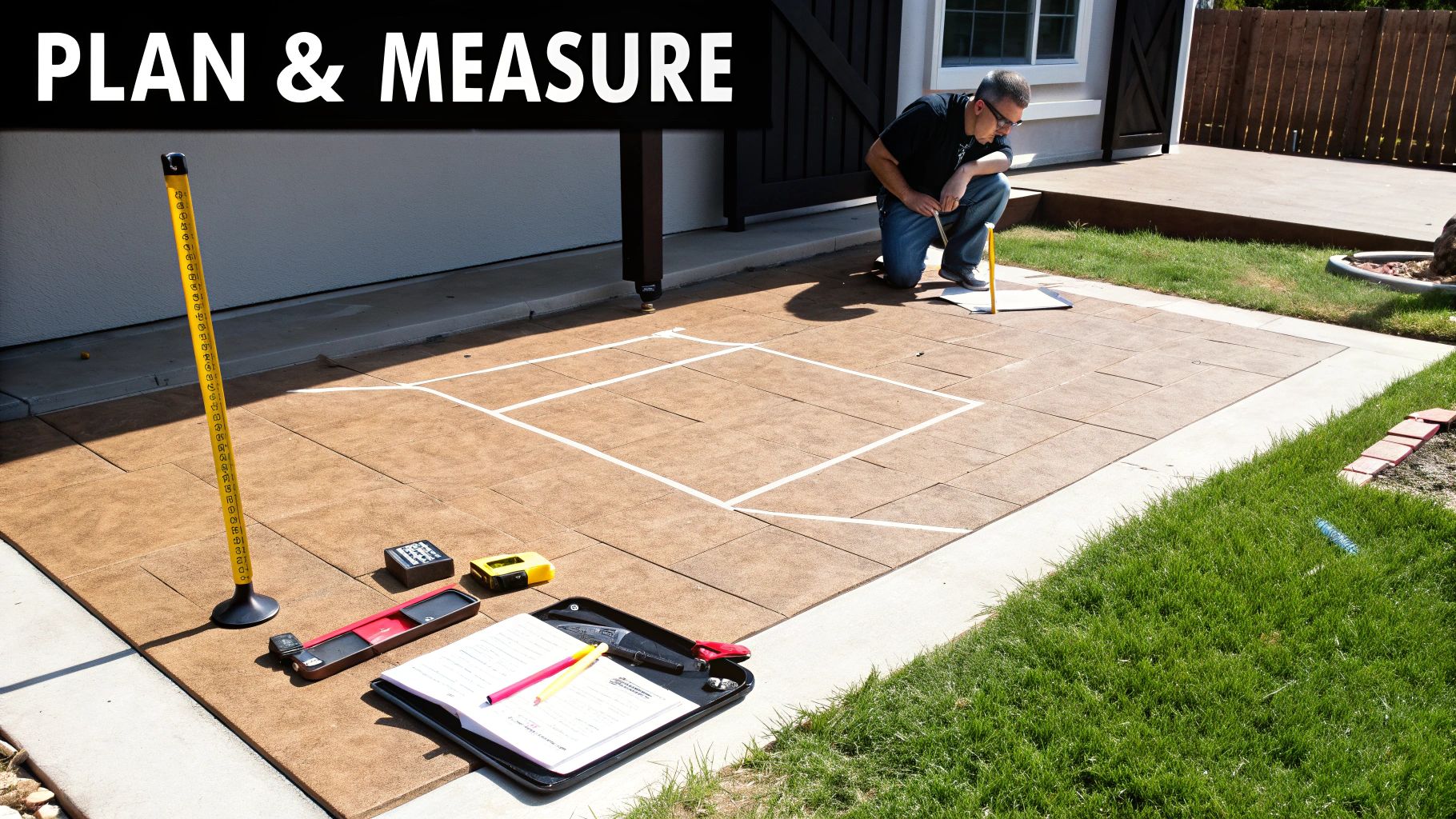
Before a single post goes in the ground, your real work begins. Solid planning separates a beautiful, safe, and long-lasting structure from one that causes headaches. Think of this stage as the blueprint for your new outdoor room.
Getting this part right is about more than picking a spot. It’s about understanding your property, from how the sun moves across your yard to what the ground is like under your feet. A little extra time spent here ensures your 10 x 20 pergola is a lasting investment.
Finding the Perfect Spot
Where you put your pergola defines how you'll use it. A structure just off the kitchen encourages outdoor dining, while one in a quiet corner can become a private escape.
Observe the sun’s path. Where does the light fall in the morning versus the late afternoon? This simple observation is key to orienting your 10 x 20 pergola to provide shade right where you need it, when you need it.
Once you’ve chosen a location, focus on the foundation. The ground must be level and stable. Even a slight slope can throw the structure off-kilter, so use a level and be prepared to grade the area if needed.
Finally, stake out the 200-square-foot area. Use stakes and string to create a physical 10-foot by 20-foot rectangle. Seeing the footprint on the ground is the best way to ensure it fits the space without overwhelming your yard.
Navigating Permits and Regulations
With the dreaming done, it's time for paperwork. Don’t skip this. Building permits and local regulations aren’t just red tape; they exist to ensure your project is safe. Ignoring them can lead to fines or an order to tear it all down.
As a rule, always check with your local building department first. A pergola covering 200 square feet is often large enough to require a permit.
Here’s a quick checklist to get started:
- Check Local Building Codes: Call your city or county planning office and ask about rules for "accessory structures" like pergolas. They'll tell you about any restrictions on height, size, and property line setbacks.
- Talk to Your HOA: If you have a Homeowners' Association, review its covenants. HOAs almost always have rules on approved materials, colors, and designs.
- Call 811 Before You Dig: This is non-negotiable. Before digging post holes, call 811. It’s a free service that marks all underground utility lines. Hitting a buried power or gas line is a dangerous and expensive mistake you can easily avoid.
This prep work might feel tedious, but it's the most critical phase of the project. A solid, legal foundation ensures your 10 x 20 pergola will be a source of enjoyment for years to come.
Choosing the Right Pergola Material and Design
Picking the material for your 10x20 pergola is about more than looks. It's a choice that defines durability, maintenance, and the overall vibe of your outdoor space. Are you going for the classic feel of wood or the clean lines of metal?
Each option has clear pros and cons. What works for a high-traffic hotel courtyard might be wrong for a quiet residential garden. Let's break down the most common materials.
A Look at Popular Pergola Materials
Selecting the right material is a balance of style, budget, and how much maintenance you’re willing to do. Your local climate is also a huge factor. A material that thrives in a dry climate might not hold up against the salty air of a coastal town.
This table compares the most popular options.
| Material | Average Cost (10x20) | Durability | Maintenance Level | Best For |
|---|---|---|---|---|
| Wood | $3,000 - $7,000 | Good | High (sealing/staining) | Natural, rustic aesthetics and garden settings. |
| Vinyl | $4,000 - $8,000 | Very Good | Low (occasional cleaning) | Homeowners wanting a classic look without the upkeep. |
| Aluminum | $5,000 - $10,000 | Excellent | Very Low (rust-proof) | Modern designs, coastal areas, and low-maintenance lifestyles. |
| Steel | $8,000 - $15,000+ | Superior | Low (if powder-coated) | High-end commercial projects and minimalist, long-span designs. |
Ultimately, the choice comes down to one question: do you enjoy the hands-on process of caring for natural wood, or do you prefer the set-it-and-forget-it freedom of vinyl and metal?
How Design Dictates Function
Beyond the frame, your pergola's roof design determines how you'll use the space. This is where you decide on your ideal mix of sun, shade, and rain protection.
A traditional open-lattice roof offers that classic pergola look. The spaced rafters create a pattern of dappled sunlight, making it the perfect structure for vining plants like wisteria or jasmine. It’s an airy, open design that feels at home in a garden or next to a pool.
For total control, a modern louvered roof is the answer. These systems have adjustable slats you can angle for sun, tilt for partial shade, or close completely for a waterproof shelter. This all-weather flexibility is why they’re the go-to for restaurant patios and event spaces where business can't stop for rain. For inspiration, checking out different pergola design ideas can help you visualize the perfect blend of style and function.
This push for more usable outdoor living is significant. Analysts expect the global pergolas industry to jump from USD 5,767 million in 2023 to USD 9,579 million by 2032. The trend is catching on everywhere, with 126,000 U.S. households installing automated pergolas in 2023 alone.
And if you’re exploring different sizes, our guide on the 10 x 10 screened canopy might offer some useful alternatives.
Deciding Between a DIY Build and Professional Installation
You’ve picked your material and design for your 10 x 20 pergola. Now comes the big decision: build it yourself or hire a pro? This choice directly impacts your budget, timeline, and the final quality of your outdoor space.
There’s no single right answer. The DIY route can be rewarding and save money. On the other hand, hiring a professional offers expertise, speed, and peace of mind. Let’s walk through both options.
The DIY Pergola Kit Path
Building a 10 x 20 pergola yourself is more accessible than ever, thanks to high-quality kits. These packages arrive with all materials pre-cut, all hardware included, and a set of instructions. Think of it as assembling large-scale furniture for your yard.
But "kit" doesn't mean effortless. Success depends on having the right tools and basic skills.
You'll need more than a screwdriver. A solid DIY pergola build requires:
- Essential Tools: A power drill, a level, a sturdy ladder, a measuring tape, and a socket wrench set are the minimum.
- Basic Carpentry Skills: You should be comfortable with precise measurements, ensuring posts are plumb (perfectly vertical), and tightening heavy-duty hardware.
- A Helping Hand: A 200-square-foot pergola is not a one-person job. You need at least one other person to help lift and hold heavy beams and posts safely.
The biggest DIY challenge isn't assembly; it's getting the foundation perfect. If your posts aren't perfectly square and level from the start, it compromises the entire structure's stability and appearance.
The DIY approach is growing. The pergola kits market is expected to jump from USD 0.44 billion in 2023 to USD 0.65 billion by 2030. It’s part of a larger trend, with the global pergolas industry projected to hit an estimated USD 4.55 billion by 2025. This data highlights that a 10 x 20 pergola is a smart investment for homeowners and hospitality businesses. You can explore the full pergolas market trends to see how big this industry is getting.
The Professional Installation Advantage
If your weekends are full or the thought of pouring concrete footings is daunting, hiring a professional is a great investment. The upfront cost is higher, but you're buying expertise, speed, and security.
A seasoned contractor knows local codes and safety standards, ensuring the build is done right. They can often erect a 10 x 20 pergola in a day or two—a project that might take a DIYer several weekends.
Need help deciding on a style before you start? This decision tree can point you in the right direction.
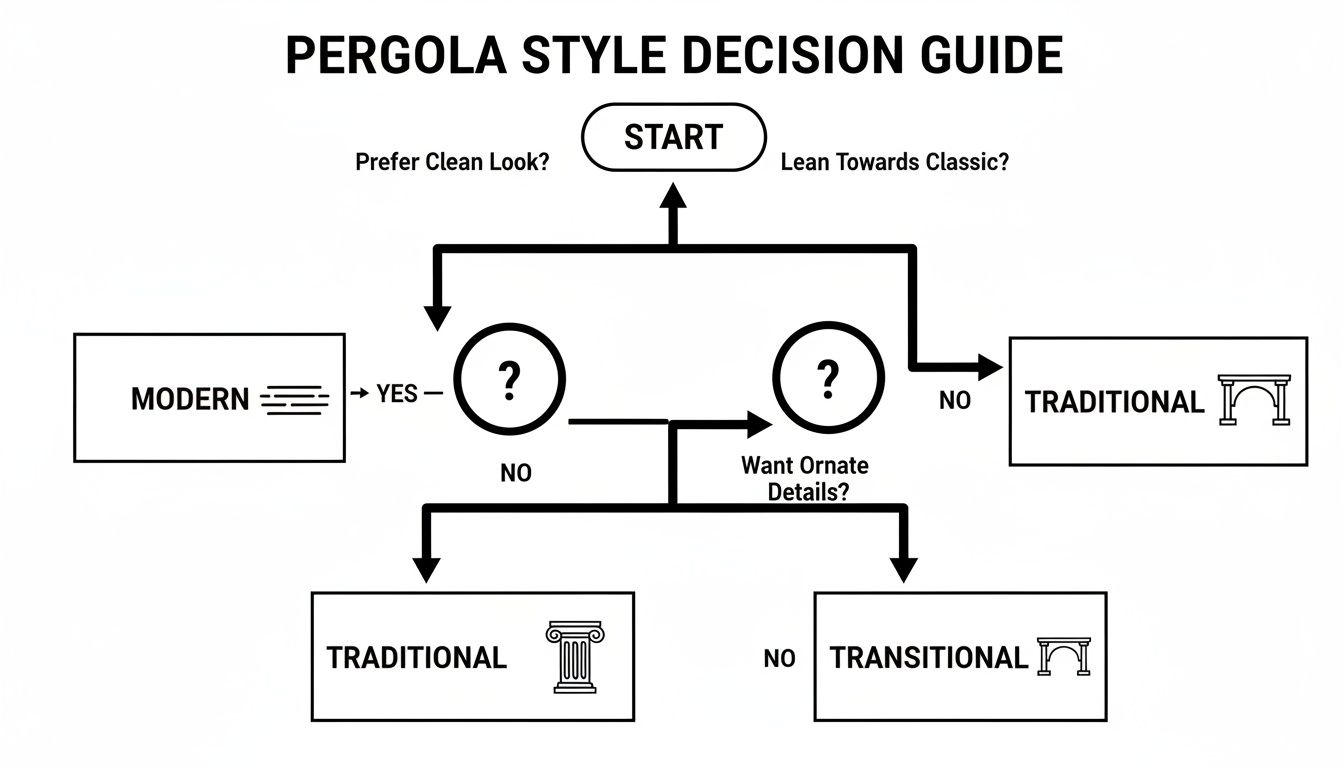
This flowchart makes it easier to determine if your taste leans modern or traditional, helping you nail down the look before you build.
Perhaps the biggest perk of going pro is the warranty. A reputable installer will stand behind their work, offering guarantees on both materials and labor. If something goes wrong, they’ll come back to fix it. That's a level of protection you don't get when you build it yourself. Ultimately, the right choice depends on an honest assessment of your skills, time, and budget.
Bringing Your 200-Square-Foot Oasis to Life
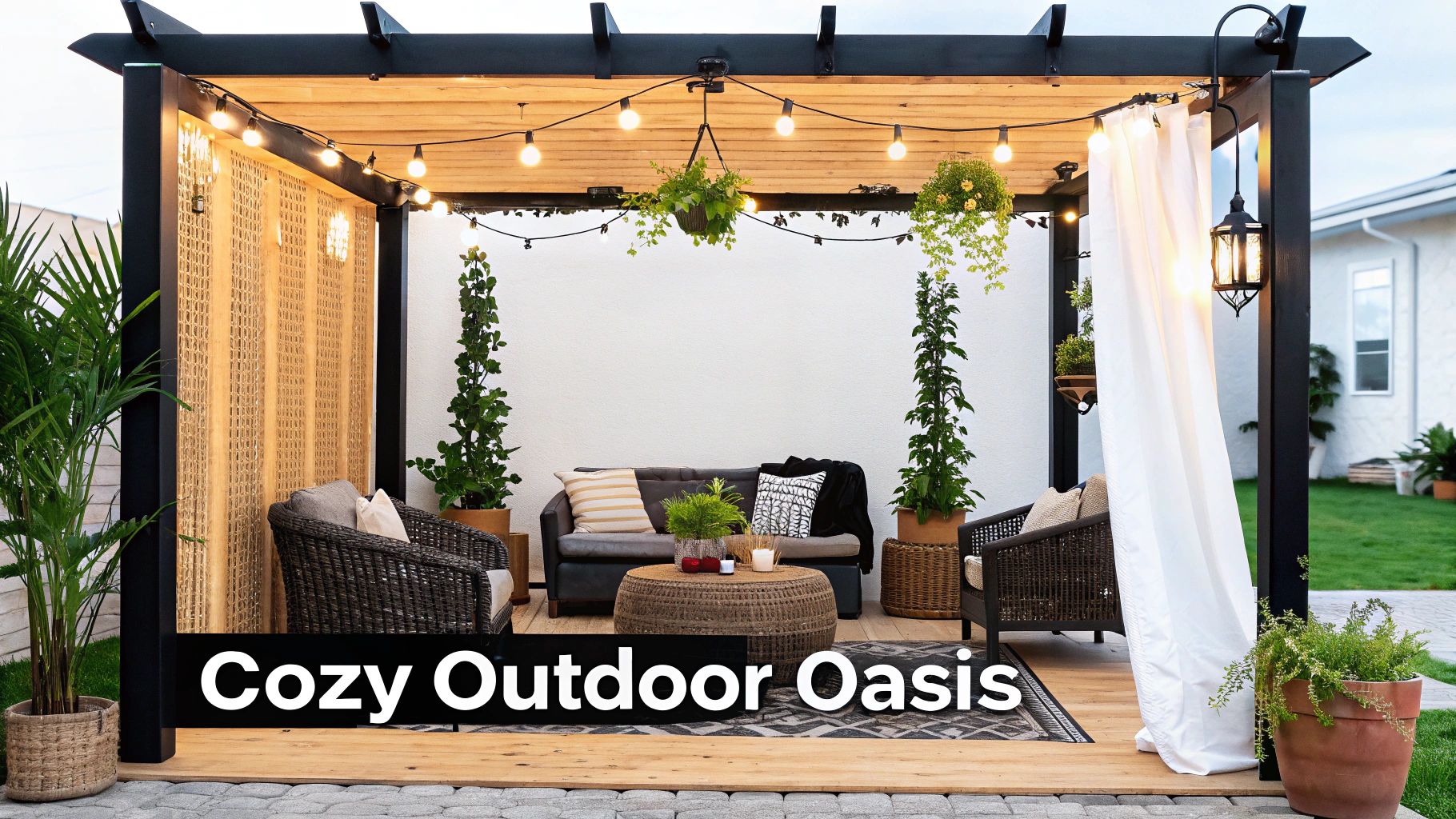
Your 10 x 20 pergola is built. The structure is solid, but right now it’s just a frame. This is where the fun begins: transforming that 200 square feet of potential into a true outdoor escape. This is about creating an atmosphere.
This is your chance to inject your personal style or your business's brand into the space. The right mix of furniture, lighting, and accessories is what elevates a simple structure into the go-to spot for family, guests, or customers.
Arranging Furniture for Maximum Impact
Your first decision is the layout. A 10 x 20 footprint is versatile enough to create distinct "zones." Think of it like an indoor room and let function be your guide.
For your backyard, create a hybrid space. Place a comfy outdoor sofa and coffee table at one end for a lounge feel. At the other end, set up a dining table that seats six. This gives you two distinct, functional areas that never feel crowded.
For a commercial space like a restaurant or hotel, maximizing seating is often the priority. You can comfortably fit two four-top tables and a larger six-top, or a series of smaller two-person tables for a cafe vibe. The key is leaving clear pathways for staff and guests.
Layering Light for the Perfect Ambiance
Lighting is your most powerful tool for setting the mood. A single, harsh floodlight won’t work. The secret is to layer different types of light to build a warm, inviting atmosphere that keeps the space usable after dark.
Start with your base layer of ambient light.
- String Lights: Weave classic Edison-style or globe string lights through the rafters for a soft, festive glow.
- Integrated LEDs: For a sleek, modern look, install LED strip lighting along the inside of the beams for beautiful, indirect light.
Next, add task and accent lighting.
- Pendant Lights: Hang a stylish, outdoor-rated pendant light over a dining table to create a focal point and provide focused light for meals.
- Uplighting: Place small spotlights at the base of the pergola’s posts or in nearby planters to highlight the structure’s architecture and surrounding greenery.
Great outdoor lighting does more than illuminate; it creates a feeling of safety and intimacy. It tells people this is a space designed for them to linger and enjoy.
Choosing the Right Accessories
Accessories are the final touches that make your pergola truly your own. They solve practical problems, extend the seasons, and add a final layer of style.
Outdoor curtains made from weather-resistant fabric can be hung on rods between the posts. They’re a simple, elegant way to add privacy, block a low-angle sun, or buffer a gentle breeze.
To use the space on cooler evenings, an electric or propane patio heater is a game-changer. A single well-placed heater can easily warm the entire 200-square-foot area, turning your pergola into a three-season destination.
Finally, bring in some nature. Training climbing plants like clematis or jasmine to grow up the posts and over the rafters adds natural shade and a beautiful, organic touch. As you bring your space to life, explore different outdoor living space ideas for inspiration. For product recommendations, check out our guide to the best outdoor entertaining accessories.
Real-World Pergola Uses for Homes and Businesses
A 10x20 pergola is more than a backyard structure—it’s a blank canvas for creating memorable experiences. With a 200-square-foot footprint, it's substantial enough for serious use yet manageable for most spaces.
Think of it as a way to turn an underused patch of your yard or patio into a genuine asset. Whether you're a homeowner seeking a sanctuary or a business owner aiming to boost your bottom line, this size delivers real-world value.
The Homeowner's Hub
For families, a 10x20 pergola quickly becomes the heart of the backyard. It's the go-to spot for connection, gatherings, and quiet moments. That generous footprint easily fits a full outdoor dining set, making it perfect for everything from weeknight dinners to birthday parties.
You could also furnish it as an outdoor living room with deep-seated sofas and a coffee table. It becomes the dedicated zone for morning coffee, weekend barbecues, and priceless family memories.
The Restaurant Owner's Revenue Generator
In the restaurant world, every inch of space must earn its keep. A 10x20 pergola is a powerful tool for creating an instant al fresco dining area that can add serious money to your daily revenue.
That 200-square-foot space can comfortably seat 16-20 additional guests. That’s a huge boost in capacity, which translates directly into more covers. Add heaters and ambient lighting, and you’ve created an all-season destination that people will specifically book. For more patio ideas, see our guide on outdoor restaurant seating ideas.
The Event Coordinator's Versatile Venue
For a hotel event planner or caterer, a 10x20 pergola is a highly versatile tool. It offers an elegant, defined space for an intimate wedding ceremony, a sophisticated cocktail hour, or a chic poolside lounge. Its linear shape also makes it a perfect anchor for vendor booths or a buffet station.
A pergola provides an architectural focal point that elevates any event. It’s a blank canvas that can be decorated with florals, drapery, and lighting to match any theme, offering a polished look that tents often lack.
The structure creates a sense of place without boxing guests in, allowing them to enjoy the surrounding scenery. This blend of form and function makes it a sought-after feature for corporate retreats and private parties.
Answering Your Top Questions About 10x20 Pergolas
You've done the research and can picture the final product, but a few practical questions might remain. Let's get them sorted out. This is a final Q&A to cover common concerns before you break ground.
How Much Wind Can It Handle?
This is a big one. A properly built 10x20 pergola is tougher than you might think.
When professionally installed with deep, solid footings, most quality pergolas are engineered to withstand winds between 60 and 100 mph. The key variables are your chosen materials, post anchoring depth, and overall design. Always check local building codes—especially in windy or coastal areas—to ensure your plan meets requirements.
Can I Add a Roof or Cover Later On?
Absolutely. A pergola's flexibility is one of its best features.
Most designs are suited for future upgrades. You can easily add:
- A retractable fabric canopy for on-demand shade.
- A solid polycarbonate roof for rain protection.
- A fully adjustable motorized louvered system for total control.
Pro Tip: If you think you might want a solid roof someday, tell your installer upfront. They can engineer the footings and frame to handle the future weight, saving you hassle and money later.
What's the Real Cost to Install and Maintain?
The final price for a 10x20 pergola can vary significantly based on materials and labor. A straightforward DIY kit in wood or vinyl might cost $1,500 to $4,000.
A custom, professionally installed pergola using premium wood or aluminum will range from $5,000 to $15,000+. The higher end typically includes features like integrated lighting or a motorized louvered roof.
For upkeep, your material choice is key. Wood looks fantastic but requires the most work—plan on cleaning and re-sealing it every couple of years. Aluminum and vinyl are very low-maintenance; a quick wash is usually all they need.
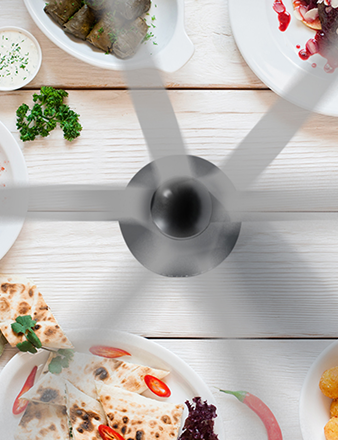
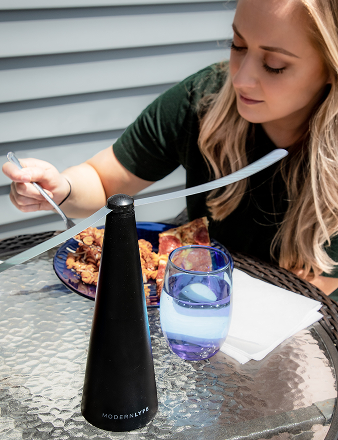
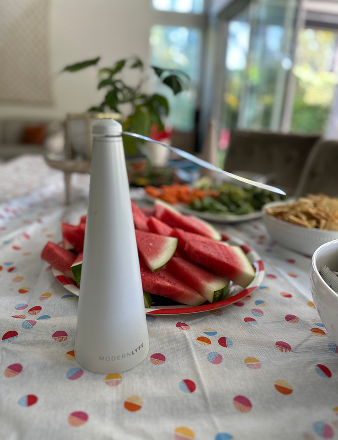
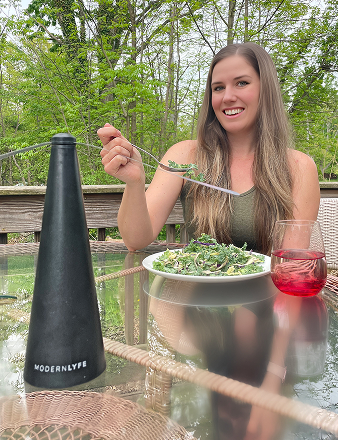
Ready to create a comfortable, pest-free environment under your new pergola? The fly fans from MODERN LYFE offer a stylish and effective solution to keep your gatherings enjoyable. Explore the perfect addition to your outdoor oasis at https://modernlyfe.com.