For outdoor events, guest comfort is everything. A 10 x 20 shade canopy is your essential tool for crafting a great experience. It instantly creates a 200-square-foot haven, turning an open space into a professional, welcoming environment.
Why a 10 x 20 Canopy Is Your Event MVP

A quality canopy is fundamental to modern hospitality. It meets the demand for memorable outdoor events by providing a portable, professional-grade space you can set up anywhere.
This size is the industry go-to for a reason. It offers generous coverage without becoming a logistical nightmare, making it ideal for everything from a long buffet line to an intimate lounge or a streamlined check-in station.
The Sweet Spot of Versatility
The 200-square-foot footprint is exceptionally adaptable. It's large enough to make a real impact yet compact enough for a restaurant patio, vendor row, or backyard. This balance makes the 10 x 20 a true workhorse.
Here’s where it delivers:
- Creating a Focal Point: A canopy acts as a visual anchor, guiding guests to a food station, welcome desk, or designated relaxation spot.
- Protecting Guests and Assets: It’s your first defense against sun, a sudden downpour, or dew settling on expensive equipment and food.
- Boosting Professionalism: A clean, securely anchored canopy signals a well-planned, professional event.
A 10x20 shade canopy is your best solution for keeping guests cool and comfortable, just like applying smart outdoor furniture tips to beat the heat. It establishes an oasis that defines the entire guest experience.
This guide is about making smart choices—from canopy materials to wind safety. These details separate a smooth event from a memorable disaster. We’ll cover selecting the right model, securing it properly, and using it to its full potential.
Picking the Right Canopy Materials and Frame
When buying a 10 x 20 shade canopy, you’re investing in the fabric top and the frame that supports it. The right materials separate a reliable shelter from a one-use disaster.
Getting this right matters. The global canopy market, valued at USD 2.15 billion, is projected to hit USD 2.96 billion by 2034. In a crowded market, knowing what to look for ensures your investment pays off.
What’s Covering Your Head? A Look at Canopy Fabrics
The canopy top is your shield. Think of it like a jacket—you wouldn't wear a windbreaker in a downpour. The same logic applies here.
-
Polyester: This is the standard for most pop-up canopies, but quality varies. Check its denier (D) rating. A higher number means a thicker, tougher fabric. For professional use, don't consider anything under 300D. This provides solid UV protection and decent water resistance.
-
Heavy-Duty Vinyl: If you run events frequently or in harsh weather, vinyl is your best bet. It’s completely waterproof, tough, and built for constant use. It's heavier but unmatched for durability.
The bottom line is simple: match the fabric to the job. For a few sunny markets a year, good polyester works. For weekly rentals, rain or shine, the upfront cost of heavy-duty vinyl will save you money in the long run.
The Skeleton: Choosing Your Frame
The frame provides shape and strength. It's the difference between a canopy that stands firm and one that becomes a kite. Your main choice is between steel and aluminum.
Before diving in, consider your long-term needs. A well-chosen canopy combines the right top and frame for your specific use. This table breaks down the most common options to help you decide.
Canopy Material and Frame Comparison
| Component | Material Option | Best For | Key Considerations |
|---|---|---|---|
| Canopy Top | Polyester (300D+) | Occasional to frequent use in mild to moderate weather. | Lightweight, good UV protection. Check for water-resistant coatings. |
| Canopy Top | Heavy-Duty Vinyl | Frequent, heavy-duty use, and all-weather applications. | Completely waterproof and highly durable, but significantly heavier. |
| Frame | Steel | Situations where wind is a concern or for semi-permanent setups. | Extremely sturdy and heavy, providing excellent wind resistance. |
| Frame | Aluminum | Events requiring frequent transport, setup, and teardown. | Lightweight and portable, but more vulnerable to high winds. |
There's no single "best" option—only what's best for your business. Weighing these factors ensures you get a canopy that's an asset, not a liability.
H3: Steel vs. Aluminum Frames
Steel Frames are your workhorse. They are heavier, but that weight translates to stability. If you work in windy areas or leave your canopy up for days, steel is the clear winner. The extra heft acts as a natural anchor.
Aluminum Frames are built for portability. If you're a one-person show or move between venues constantly, a lightweight aluminum frame is a back-saver. It makes setup, teardown, and transport far easier. Just remember, you trade wind resistance for portability, so anchoring becomes even more critical.
Anchoring Your Canopy: Your First Line of Defense Against the Wind
Let's be direct: an unsecured 10 x 20 shade canopy is a massive liability. A sudden gust can turn your setup into a dangerous projectile. Proper anchoring isn't just a best practice—it's a non-negotiable part of event safety.
Your first decision on-site is how to secure the frame, and it comes down to one question: what’s under your feet? What works on grass will fail on asphalt.
Stakes vs. Weights: Choosing Your Anchor
You have two primary tools: stakes for soft ground and weights for hard surfaces.
-
On Grass and Soft Ground: On grass, dirt, or packed soil, heavy-duty stakes are best. Drive them deep into the ground at an angle, pointing away from the canopy leg to create tension against lift.
-
On Pavement and Hard Surfaces: On concrete or asphalt, stakes are out. This is where professional-grade canopy weights are essential. Use designs that wrap securely around the legs or can be strapped on tightly. Loose weights are almost as useless as no weights.
Here's the golden rule: anchor every single leg. Don't get lazy and only weigh down the corners. A stable structure requires consistent anchoring all around.

Weight and Wind-Bracing Guidelines
Don't guess when it comes to safety. The industry standard is clear: plan for a minimum of 40 pounds of weight on each leg. For a four-legged 10x20 canopy, that’s 160 pounds total. For a sturdier six-legged model, that's 240 pounds.
Weight alone isn't always enough. For true stability on breezy days, use guy lines. These ropes or ratchet straps run from the top corners of the frame down to stakes or weights positioned a few feet away. They brace the structure against side-to-side forces and wind lift.
Finally, always have an exit strategy. Watch the weather forecast. If wind is projected to exceed 25 mph, take the canopy down. No event is worth risking guest safety or your equipment. Proactive takedowns are the mark of a professional.
How to Plan Your Space and Guest Layout

A 10 x 20 shade canopy provides a solid 200-square-foot footprint. Without a smart layout, that space can quickly become cramped and chaotic. The secret is to treat it like a small room, planning for flow and function before placing a single table.
Think about how people will move. The last thing you want are bottlenecks. Your job is to create clear pathways and zones that guide guests intuitively.
Buffet and Food Service Layout
For a buffet, flow is everything. A poorly placed table creates a dead end, causing a traffic jam right at the main course.
The most effective setup is a single, long line down the center or one side of the canopy. This creates a natural start and end point. Guests enter at one end, serve themselves, and exit on the other. Leave at least four to five feet of open space on the serving side for easy maneuvering.
While the canopy space is key, the broader venue choice also impacts the event experience. If you're in that stage, this guide to choosing a wedding venue offers great insights on site layout.
Seated Dining and Cocktail Setups
For a seated meal, the layout is about maximizing capacity without sacrificing comfort. A 10 x 20 canopy offers solid options:
- Round Tables: Comfortably fit two 60-inch round tables. Each seats 8-10 people, for a total of 16-20 seated guests. This setup is great for encouraging conversation.
- Rectangular Tables: To seat more people, use three 8-foot rectangular tables. Seating 8 guests each, this linear arrangement accommodates 24 seated guests.
For a standing cocktail reception, the goal is to create an atmosphere for mingling.
By removing most tables, you can easily host 30-35 standing guests. Sprinkle a few high-top cocktail tables around the edges to give people a place to rest drinks and encourage small group conversations without blocking pathways.
Essential Accessories for a Polished Setup
A 10 x 20 shade canopy is the foundation, but accessories make it a professional event space. The right add-ons build a comfortable and polished environment, turning a simple shelter into a memorable experience.
First on the list are sidewalls. They aren't just for show. They are your best defense against rain, wind, or low-angle sun.
Beyond weather protection, sidewalls give you control. At a crowded festival, they create a focused, private space for client consultations, VIP lounges, or simply keeping gear out of sight. Quality kits use Velcro straps for fast setup and heavy-duty zippers to seal corners against the elements.
Elevating Comfort and Hygiene
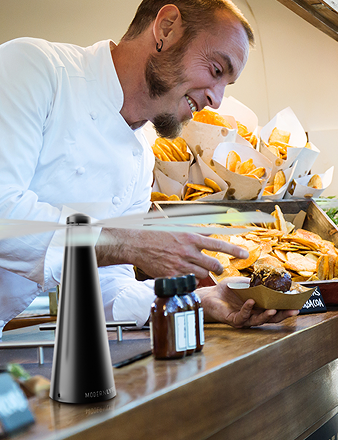
Once the basics are covered, focus on details that elevate the guest experience. For any outdoor event with food, the biggest headache is pests. Nothing kills the vibe faster than flies on the buffet.
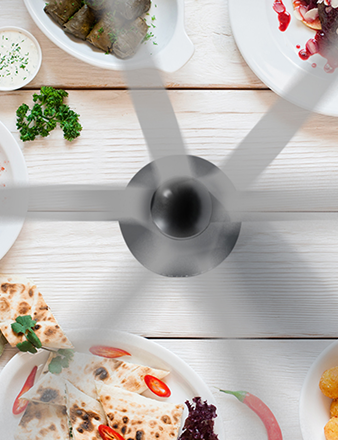
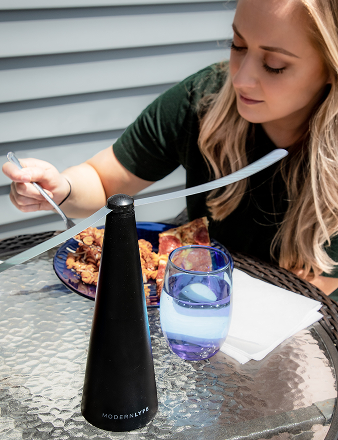
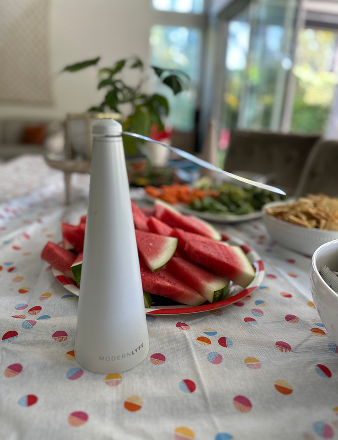
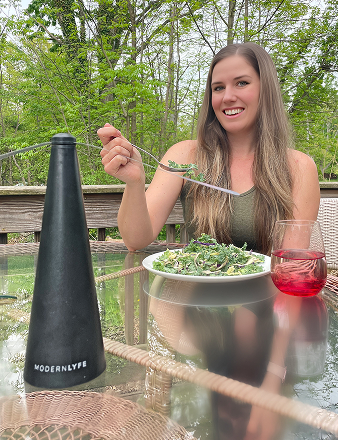
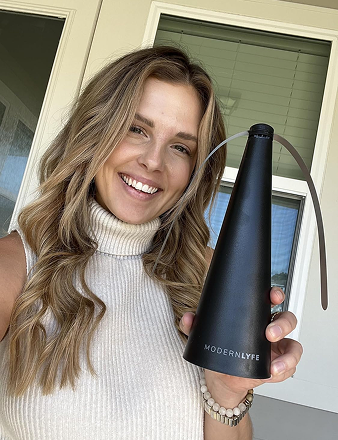
Netting can feel confining and block a needed breeze. A cleaner, modern approach is using quiet, battery-operated fly fans. Place them directly on tables or food stations without messy cords or noise.
The goal is a "no-fly zone" around your food and guests. A simple, quiet fan keeps food hygienic and lets people relax without swatting insects. It's a small detail that makes a huge impression.
Must-Have Accessories Checklist
To be ready for anything, here’s a quick checklist of accessories for your 10 x 20 shade canopy:
- Sidewall Kit: Include both solid panels for privacy and some with clear vinyl windows to let in natural light while keeping weather out.
- Fly Fans: A few quiet, portable fly fans are a game-changer for food service. Models from Modern Lyfe are designed specifically for this purpose.
- Canopy Gutters: If you're using two canopies side-by-side, a gutter is non-negotiable. It attaches between the two roofs and channels rainwater away, preventing a waterfall in the middle of your space.
For more ideas on outfitting your space, check out our guide to the best outdoor entertaining accessories. Getting these details right is what separates a good event from a great one.
Keeping Your Canopy in Top Condition
You've invested in a professional 10 x 20 shade canopy. What you do after the event is as important as the setup. Proper care and maintenance are key to getting years of reliable use.
Think of it this way: a chef sharpens their knives after work; a photographer cleans their lenses. Your canopy is no different. A well-kept canopy looks professional, reinforces your brand, and saves you the cost of premature replacement.
The Essential Cleaning Process
Cleaning the canopy top after every event is non-negotiable, especially after exposure to food, rain, or bird droppings. Packing a dirty or damp canopy is the fastest way to grow mildew and set permanent stains.
The process is simple:
- Brush Off Debris: Use a soft-bristled brush to gently sweep off leaves, dust, or dirt. Avoid hard scrubbing to protect the fabric's coating.
- Wash with Mild Soap: A mix of mild soap (like gentle dish soap) and lukewarm water is all you need. Avoid harsh detergents and never use bleach—it will destroy the fabric and its water resistance.
- Rinse It Clean: Use a hose on a low-pressure setting to rinse away all soap residue.
- Dry Completely: This is critical. The fabric must be 100% dry before folding. Air-dry it on the frame or lay it flat on a clean, dry surface.
Taking care of high-quality outdoor gear is more important than ever. The residential canopy market is projected to grow at a 5.8% CAGR as people invest more in outdoor living and event spaces.
Frame Inspection and Storage Best Practices
While the top is drying, give the frame a quick inspection. Check for loose bolts, bent struts, and any nicks or rust on steel frames. Tightening a bolt now can prevent a major failure later.
If you also use smaller tents, our guide on maintaining a 10 x 10 screened canopy has extra tips.
When it’s time to pack up, always fold the canopy top. A neat, accordion-style fold prevents sharp creases that weaken the fabric. Store the frame and folded top in a cool, dry place, away from extreme temperatures and moisture.
Your Smart Canopy Buying Checklist
Let's pull it all together. Before you buy, run through this final checklist. It’s designed to ensure the 10 x 20 shade canopy you choose is the right tool for the job.
Answering these questions gives you confidence in your investment. It’s the difference between buying a reliable asset and a costly headache.
Frame and Fabric Fundamentals
The core of your canopy is its frame and fabric. The best option depends on how you'll use it.
- The Big Question: Is this for multi-day festivals, or is it packed up every weekend?
- Portability vs. Durability: Do I need a lightweight aluminum frame for one-person setups, or is a heavy-duty steel frame a smarter choice for my windy venues?
- Your Fabric Needs: Is a high-denier polyester top sufficient, or do I need the all-weather reliability of heavy-duty vinyl for rainy conditions?
The goal is to find the right balance. Don't sacrifice stability for convenience. At the same time, don't haul a tank if you only do quick setups in calm weather.
Safety and Setup Logistics
This is where professionalism shines. A properly secured canopy protects guests, gear, and your reputation. Anchoring is non-negotiable.
- Know Your Ground: Will I be on soft grass where I can use stakes? Or am I usually on concrete where weights are the only option?
- Your Anchoring Game Plan: Do I have a reliable way to get at least 40 pounds on each leg? Are guy lines part of my kit for windy days?
- The Weather Call: What’s my official "takedown" wind speed? A firm rule separates pros from amateurs.
Accessories and Experience Enhancers
Finally, consider the details that turn a shelter into a welcoming space. These are the finishing touches that guests and clients notice.
- Controlling the Environment: Do I need sidewalls to block sun, cut wind, or create a private feel?
- Guest Comfort: If food service is key, have I considered how to keep the area pleasant and hygienic with something like quiet fly fans?
Thinking through these points will guide you to the perfect 10 x 20 shade canopy for your business, ensuring it’s a valuable and reliable partner for years.
Ready to create a pest-free zone at your next event? The innovative fly fans from Modern Lyfe are the perfect accessory for any professional canopy setup. Explore the collection at https://modernlyfe.com.