You notice the hose problem when everything else is already moving. Tables are arriving, floral is setting, the bar team needs water, and the nearest spigot sits far from the service zone. At that point, a 100 foot garden hose stops being a yard accessory and becomes operating equipment.
In hospitality, I don’t judge a hose by how it looks on a shelf. I judge it by what happens after repeated setup, drag, coil, uncoil, reconnect, and exposure to pavement, heat, cleaning routines, and guest traffic. A bad hose slows prep, leaks at the worst moment, and creates a trip hazard in public space. A good one disappears into the workflow.
That matters more than many buyers realize. Inefficient hoses contribute to 50% of outdoor water loss, and a single dripping hose bib can waste 2,160 gallons yearly, according to Grand View Research’s U.S. flexible garden hoses market report. The same report says the U.S. flexible garden hoses market was valued at USD 851.2 million in 2023, which tells you this category is not small or trivial. People and businesses depend on these tools every day.
The Unsung Hero of Your Event or Patio
An outdoor reception exposes weak equipment fast. You may need water for rinsing bar tools, topping off cleaning buckets, washing down service mats, or feeding a temporary hand-wash setup. If the hose can’t reach, hold pressure, or stay out of the way, staff start improvising. Improvisation is where delays, leaks, and safety problems begin.
At a resort or event venue, the right hose solves several problems at once. It extends your working area without forcing staff to move service stations closer to the building. It helps teams clean faster between event phases. It also reduces the temptation to use multiple short hoses and questionable adapters just to gain distance.
Why buyers get this wrong
Many people buy by one feature alone. Usually that’s length, price, or weight. In real operations, those features are tied together.
A long hose that kinks every few feet is wasted reach. A cheap hose with weak fittings can turn a clean patio edge into a wet slip zone. A heavy rubber hose may last longer, but if banquet staff dread moving it, they’ll drag it badly, leave it in walkways, or avoid using it until a task becomes urgent.
Practical rule: Buy a hose the same way you buy carts, cambros, or extension cords. Match it to the job, the setting, and the people who actually handle it.
Where a 100 foot length earns its keep
The 100 foot garden hose is usually the practical maximum for one-run flexibility on larger sites. It gives enough reach for restaurant patios, hotel courtyards, wedding lawns, loading zones, and backyard gatherings where the water source isn’t close to where the work happens.
That reach is why this length keeps showing up in both residential and commercial use. It’s not glamorous, but it’s one of those pieces of gear that affects speed, appearance, water use, and staff effort all at once.
The 100-Foot Advantage and Its Trade-Offs
The biggest reason to buy a 100 foot garden hose is simple. It reaches places shorter hoses can’t. On large patios or event lawns, that can mean one continuous run instead of awkward mid-point connections.
But distance always comes with trade-offs.

Reach helps operations
For fixed hospitality sites, the extra length gives teams options. You can service remote planters, rinse a walkway, or support a temporary outdoor station without relocating equipment. That matters when setup windows are tight and guest-facing areas need to stay clean.
For off-grid or semi-mobile use, pairing long hose runs with storage and backup water planning also helps. If your event setup includes reserve water, it’s worth reviewing practical 100 gallon water tank setups for mobile use, especially when hose routing is only part of the water-access plan.
Physics doesn’t care about convenience
A long hose increases friction loss. For every 100 feet of hose, water pressure can fall by 20-30% due to friction loss, as noted in this expandable hose pressure review. That’s the part many buyers don’t account for.
On a strong municipal line, the drop may be manageable for general rinsing or watering. On a weak supply, the same hose can make nozzles feel soft and slow down washdown work. Staff notice this right away when they expect a strong spray and get a lazy stream instead.
Low-pressure sites need extra caution
This shows up most often in older buildings, rural properties, and temporary service locations. Expandable hoses are especially sensitive here because they need enough pressure to fully extend. In low-pressure conditions, an expandable model may fail to reach its full stated length.
That’s not a defect. It’s a mismatch between hose type and site conditions.
Long reach is useful only if the hose still delivers usable pressure at the end of the run.
The practical trade-off list
Before buying, weigh the 100 foot length against its day-to-day realities:
- More coverage: One hose can serve a wider footprint without couplers in the middle.
- More drag: Longer hoses catch on chair legs, corners, gravel edges, and planter bases.
- More storage burden: The hose takes more time to coil and more discipline to store properly.
- More pressure sensitivity: Weak systems feel weaker over long distance.
- More exposure to public space: At events, every extra foot is another foot that can cross a path if routing is sloppy.
For resorts, caterers, and event teams, the 100 foot garden hose is often the right answer. It just isn’t a free upgrade. The length solves one problem while creating others you need to manage on purpose.
Choosing Your Hose Material For Professional Use
Material is where most of the primary buying decision happens. In professional settings, I don’t separate material from handling. The best hose on paper can still be the wrong hose if staff hate moving it or if it stiffens up when conditions change.

What different teams actually need
A permanent wash-down station has different demands from a wedding caterer. The first can tolerate more weight because the hose stays near one area. The second needs fast deployment, fast breakdown, and less fatigue over repeated moves.
That’s why “best hose material” is the wrong question. The right question is which material fails least often in your environment.
Rubber, vinyl, hybrid, and expandable
Here’s how I look at the main categories in real use.
| Material | Durability | Weight | Best For... | Key Drawback |
|---|---|---|---|---|
| Rubber | High | Heavy | Fixed wash-down zones, high-use service areas, rough surfaces | Staff fatigue and bulk |
| Vinyl or PVC | Lower to moderate | Light to moderate | Light-duty use, occasional residential or backup tasks | More prone to kinks and wear |
| Hybrid polymer | Moderate to high | Moderate | Mixed-use sites that need flexibility and better handling | Quality varies a lot by brand |
| Expandable | Moderate for light-to-medium duty | Very light | Mobile setups, quick storage, light handling tasks | Sensitive to pressure and temperature limits |
Rubber still earns its place
Rubber remains the professional default when abrasion, repeated dragging, and rough treatment are expected. It handles concrete, edge wear, and heavier use better than bargain hoses. It also tends to feel more stable under pressure.
If I’m equipping a maintenance area that sees daily cleanup and a hose spends more time in use than in storage, rubber is still hard to beat. The downside is obvious the second someone has to move a full-length hose across a courtyard.
Expandable hoses are useful, but only in the right role
Expandable hoses solve a real handling problem. A commercial 100ft model like the HydroTech 5/8" x 100ft is listed at less than 5.5 lbs when empty, which the manufacturer describes as a 75% weight reduction compared with traditional rubber hoses. The same product information also notes a narrower operating temperature range that typically tops out around 104°F, according to HydroTech product specifications.
That makes expandable hoses attractive for mobile bar setups, temporary rinse stations, and event teams who carry gear in and out constantly. It also tells you where they’re weaker. Hot surfaces, direct sun exposure, rough drag paths, and harsh treatment shorten the comfort margin.
If staff have to reposition the hose all day, weight matters more than most spec sheets admit.
Hybrid materials often hit the best middle ground
Hybrid hoses are usually the most practical compromise for hospitality teams. They tend to coil more easily than old-school rubber and hold up better than low-end vinyl. For mixed-use properties where one hose may serve landscaping support in the morning and patio cleanup in the afternoon, that balance is useful.
Vinyl or standard PVC still has a place, but mostly as a low-intensity option. It can work for homeowners, occasional use, or backup inventory. For heavy commercial repetition, it usually shows its limits sooner.
A simple selection rule
Use this quick match-up:
- Choose rubber if the hose stays near one station and takes abuse.
- Choose hybrid if the hose moves often and needs a balance of toughness and handling.
- Choose expandable if portability and compact storage matter most, and your site has reliable pressure.
- Choose basic vinyl or PVC only when use is light and replacement is acceptable.
That’s the practical lens. Buy for the route, the climate, the staff, and the surface the hose will cross.
Mastering Water Flow, Pressure, and Diameter
At a resort or event venue, weak hose performance shows up fast. Housekeeping waits longer to rinse a service corridor. Banquets takes extra time to fill mobile wash bins. Grounds crews switch nozzles, blame the faucet, and lose another ten minutes before anyone checks the hose size.
A 100-foot hose asks more from the water supply than a short run. Every extra foot adds friction loss, so flow at the nozzle matters just as much as durability on the jacket.

Diameter controls usable flow at the end of the run
Inside diameter decides whether staff get a workable stream or a hose that feels tired by the last 20 feet. A narrower hose is easier to drag across a patio or pool deck, but it gives up flow sooner, especially with spray nozzles, rinse wands, and quick-fill tasks.
For commercial properties, 5/8-inch often works for general washdown and routine watering. A 3/4-inch hose usually makes more sense where crews regularly clean large hardscape areas, feed higher-demand nozzles, or fill tanks and carts. If your operation needs another step up, this guide to a 1 inch water hose for higher-volume applications is a useful comparison point.
Thread compatibility matters too. Standard U.S. garden hoses generally use 3/4-inch garden hose thread, identified as GHT, with male and female ends built to match common spigots and accessories, as outlined by the U.S. Consumer Product Safety Commission pool and hose connection guidance.
Pressure ratings need a practical reading
Spec sheets often highlight burst pressure because it sells. Operations teams should pay closer attention to working pressure and the conditions on site.
Hoselink’s hose specification guidance explains the difference clearly. Burst pressure is the point of failure under test conditions. It is not the pressure you want on a hose that gets used every day, left in the sun, pulled over pavers, and connected and disconnected by multiple staff members across a shift.
That gap matters more in hospitality than it does in casual home use. Repeated pressure cycling, heat buildup on stone decks, and fast shutoff at the nozzle all add stress. On guest-facing properties, a blown hose is not just a maintenance problem. It creates slip risk, trip risk, and a visible service failure in public space.
A hose with the right working margin saves more time than a hose with the biggest burst number on the label.
What I check before approving a hose for site use
For daily operations, these are the specs that deserve attention:
- Inside diameter: Match it to the job, not just the easiest hose to carry.
- Working pressure: Confirm it fits your building supply and your nozzle setup.
- Pressure loss over distance: Longer runs punish undersized hoses.
- Outer cover and reinforcement: Abrasion resistance matters on concrete, stone, and service roads.
- Weight in use: Heavier hoses flow better in some cases, but they also tire staff faster and increase drag across pedestrian areas.
Efficiency matters too. Properties trying to reduce water waste are paying closer attention to shutoff control, nozzle choice, and routing, not just hose length. The broader shift toward water-wise irrigation trends supports the same conclusion I use on property. Buy enough diameter for the task, keep pressure within a sensible working range, and avoid oversized setups that add weight without solving a real operational problem.
Selecting Connectors and Fittings That Prevent Leaks
During an outdoor reception, a leak at the faucet end draws attention fast. Staff track water across stone, guests step around a growing wet patch, and one weak fitting turns a routine watering or cleanup task into a visible operations problem.
Most hose failures start at the connection points, not along the hose body. On resort grounds and event sites, those failures matter because they waste water, create slip hazards, and keep crew members tied up with small repairs during service hours.

Why brass still earns its place
Brass fittings remain the safest default for professional use. Early pressure hose systems relied on threaded metal connections for a reason. They held up better under repeated use, and the same basic lesson still applies on modern properties.
In practice, brass gives crews a longer service life than cheap plastic or thin stamped metal fittings. It resists corrosion, holds thread shape, and stands up to repeated hookup cycles at hose bibs, hydrant adapters, spray nozzles, and splitters. On a site where teams connect and disconnect hoses several times a day, that matters more than saving a few dollars on the shelf.
What I inspect before approving a hose
The coupling tells you a lot about how the hose will perform after a month of real use.
- Thread cut: Threads should be even and clean, with no burrs or shallow spots that invite cross-threading.
- Washer seat: The washer should sit flat and tight, not loose or pinched.
- Coupling thickness: Thin fittings deform quickly if they get dragged across paving or bumped by carts and bins.
- Strain relief at the neck: A reinforced collar reduces kinking and cracking where the hose meets the fitting.
- Grip surface: Crews work with wet hands, gloves, and time pressure. A fitting that can be tightened securely without tools saves frustration.
For mobile hospitality teams building out outdoor service kits, I also like to standardize spare washers, shutoff valves, and thread adapters with the rest of the gear list. A detailed catering equipment checklist for mobile events helps keep those small parts from getting forgotten until setup is already behind schedule.
Where quick-connects help, and where they cause trouble
Quick-connect systems can reduce setup time and limit thread wear at the spigot. They work well for modular event operations where crews swap nozzles, splitters, and short lead hoses through the day.
They also add another leak point. That trade-off is acceptable if the fittings are commercial grade and inspected often. It is a poor trade if the connectors are light-duty, mixed across brands, or left dirty after use. I use quick-connects for controlled kits with trained staff. For fixed locations that stay pressurized for long periods, a direct threaded brass connection is usually the better choice.
A small drip at the source is never a small issue in guest view.
If budget forces a compromise, put the money into the ends first. A mid-tier hose with solid brass couplings, good washers, and proper strain relief usually outperforms a premium hose body fitted with weak hardware.
Smart Storage and Event Safety Strategies
A 100 foot garden hose creates problems when people treat storage as an afterthought. In event work, that usually means a rushed coil at the end of service, a tangle in the truck the next morning, and a messy deployment in front of guests.
Storage also affects fatigue. A 100-foot hose can weigh 10-20 lbs when full, and that handling burden matters for event crews moving fast. The same source notes a 30% sales increase in lightweight, wall-mounted retractable reels, which reflects how many users are trying to solve the storage side of the problem, according to this hose storage and reel discussion.
Store it based on how you work
Fixed sites and mobile teams should not use the same storage approach.
For permanent stations, wall-mounted reels are the cleanest answer. They keep the hose off the ground, make deployment predictable, and reduce bad coiling habits. For caterers, portable carts or disciplined hand-coiling usually make more sense because gear has to move in and out with the event package.
If your operation runs multiple outdoor setups, it also helps to review a broader catering equipment checklist for mobile events. Hose management often gets overlooked until setup gets complicated.
Deployment rules that keep guests safe
Public spaces change the standard. A hose can’t just be functional. It has to stay controlled.
Use these rules on active event sites:
- Route edges first: Run the hose along walls, fence lines, hedge borders, or behind bars and back-of-house screens.
- Protect crossings: If the hose must cross a path, cover it with a proper ramp or crossover protection.
- Avoid slack loops: Extra hose lying in coils near feet or wheels invites trips and snags.
- Break down fast: As soon as the hose is no longer needed, drain it and clear it.
Handling habits that extend hose life
Most premature wear comes from routine abuse, not one big accident. Staff training doesn’t need to be formal. It just needs to be clear.
- Don’t yank the hose by the nozzle.
- Don’t leave it pressurized longer than needed.
- Don’t drag fittings over stone edges.
- Don’t force a tight coil after the hose has twisted on itself.
The cleanest setup is usually the safest one. If guests can barely tell where the hose is, you probably routed it well.
For hospitality teams, smart storage isn’t just about preserving equipment. It’s about presentation and liability. A neat hose line says the operation is under control. A tangled one says the opposite.
Conclusion Making The Right Hose Investment
The right 100 foot garden hose depends less on the label and more on the job. If the hose lives at one washdown point and takes abuse, lean toward durability. If it moves with catering gear or event kits, handling and storage matter just as much as toughness. If your site has weak water pressure, be careful with anything that depends on full expansion to perform well.
The buying checklist is straightforward.
The decision filter that works
- Start with the setting: Permanent station, mobile event use, or mixed-duty property work.
- Match the material to labor: Heavy rubber for punishment, hybrid for balance, expandable for portability.
- Check real pressure needs: Focus on safe operating range, not just the biggest PSI number on the tag.
- Upgrade the fittings: Brass and quality washers prevent the kind of leak that causes both waste and embarrassment.
- Plan storage before purchase: A long hose without a storage method becomes a daily annoyance.
Good hose decisions usually look boring. That’s the point. The hose reaches, sprays, coils, stores, and stays out of trouble. Staff don’t fight it. Guests don’t notice it. Water stays where it should.
That’s a solid investment.
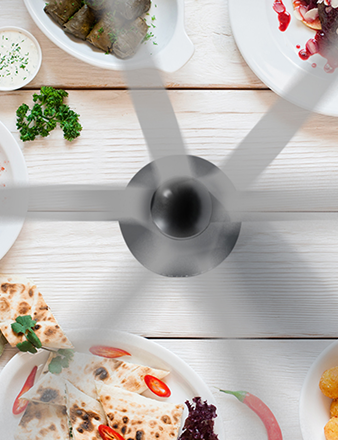
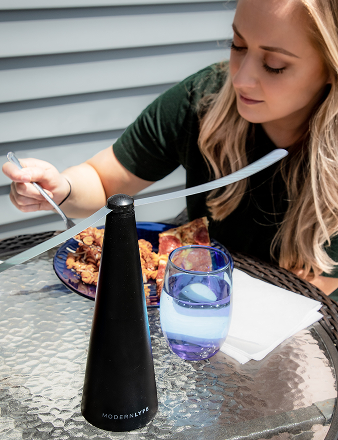
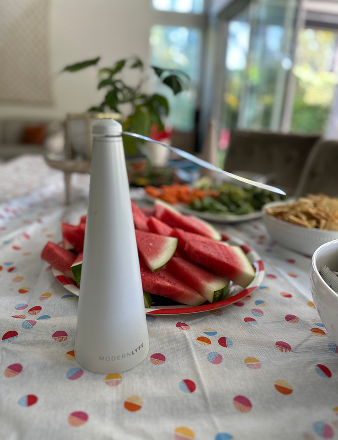
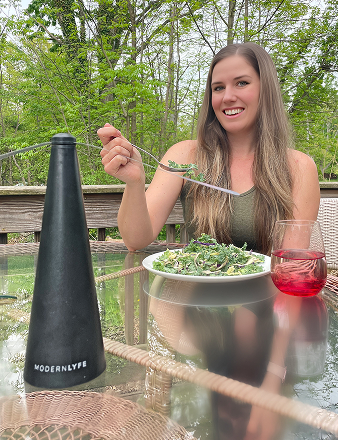
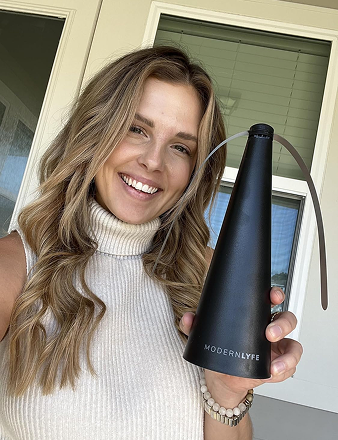
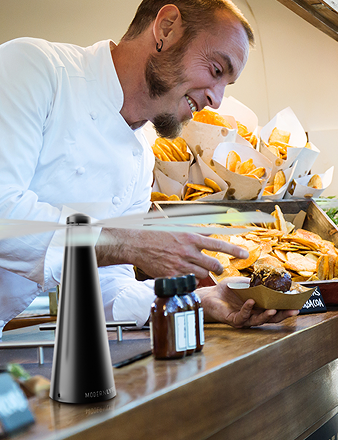
If you’re refining the rest of your outdoor setup, MODERN LYFE offers practical tools for cleaner, more comfortable hospitality service. Their fly fans are built for restaurants, hotels, catering lines, outdoor receptions, and home entertaining, helping protect food presentation without adding visual clutter to the event space.