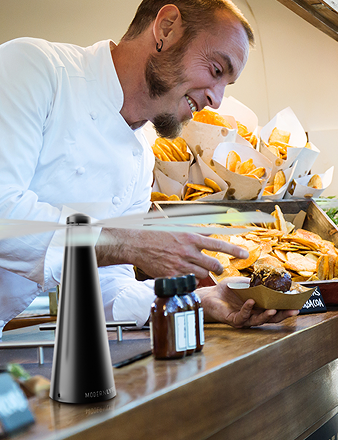
On a warm afternoon, a fly settles on a slice of cake at the buffet, lifts off, and someone nearby watches it happen in real time. The instinct is usually fast, either flick the fly away and keep serving, or throw the whole plate out and move on. Food safety works better than that when you judge the situation by exposure, contact time, and what happens next.
A Calm Look at Why Flies Target Our Food
A fly on a patio plate isn't randomly choosing a target. It's looking for moisture, salts, sugars, and the kind of residue that helps it feed. That's why the same fly may ignore a dry cracker but land quickly on frosting, fruit, sauce, or a slice of cake left uncovered in the heat.
That moment feels small, but context changes everything. A fly that settles once on a plate outside for a second is not the same event as repeated landings on a buffet tray that stays open during service. The food itself matters too, because a hot dish that will be cooked again behaves differently from a ready-to-eat dessert or a drink left on a table.
For hosts and operators, the useful question is not “Was there a fly?” It's “What kind of food was exposed, for how long, and who is going to eat it?” That's the frame that keeps people calm and still protects guests.
If you want a simple homeowner reference for reducing fly pressure around food areas, DIY fruit fly traps that work can help you think about source control alongside table protection.
How a Fly Eats and Why That Matters
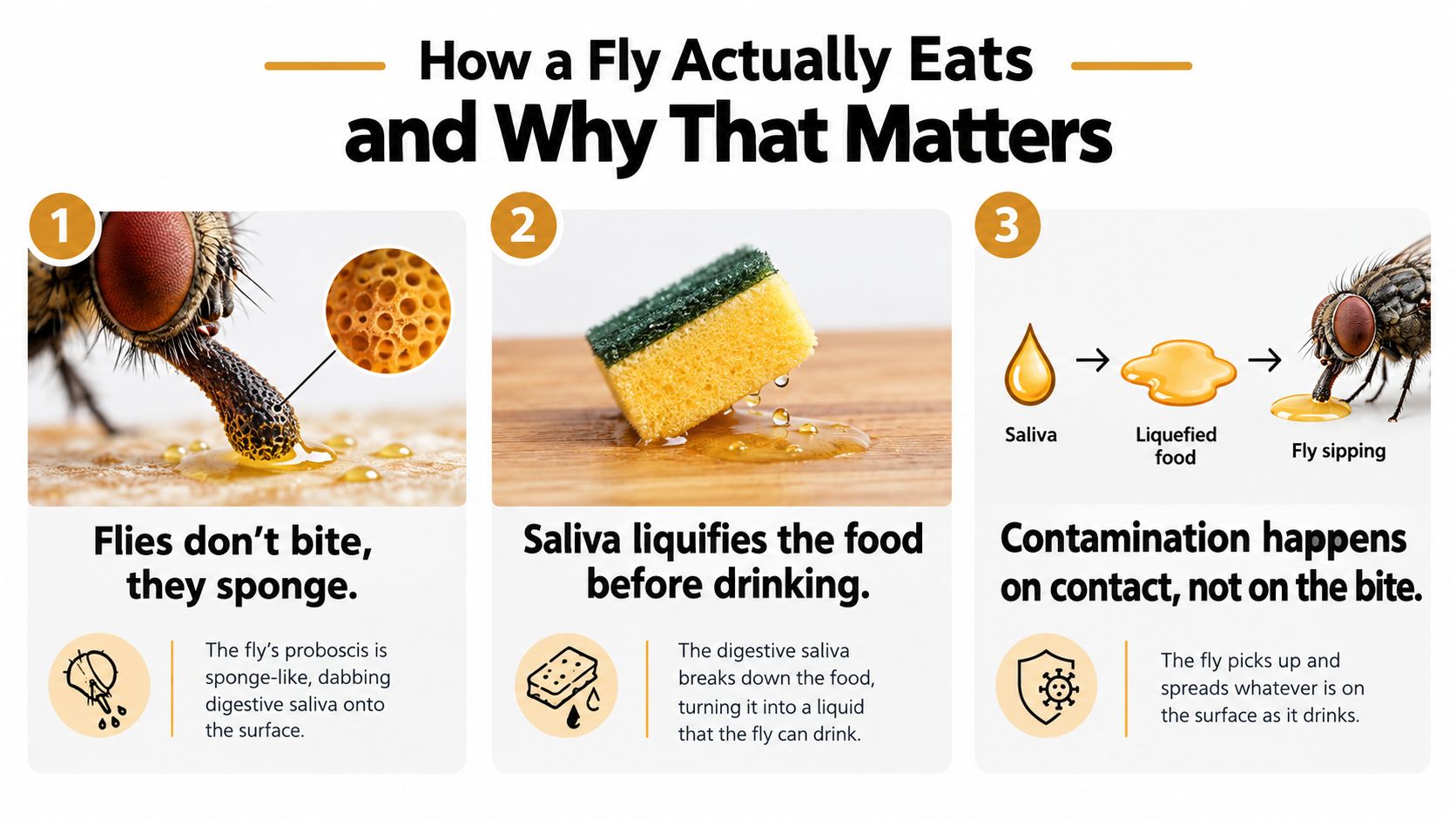
A housefly does not chew food the way people do. It feeds more like a living sponge, using mouthparts built for soaking up liquid rather than biting through solid food. That matters because the fly has to turn food moist enough to drink, and in the process it can leave saliva, regurgitated material, or other contamination on the surface.
A fly works like a tiny sponge, dabbing saliva onto solid food until it can be soaked up. It may hover first, touch down briefly, feed, and move again, so the surface can collect more than a footprint.
Practical rule: a fly's contact is not just a touch, it can be part of feeding.
The difference between hovering, single touch, repeated feeding, and defecation matters because each one changes how much material the fly can leave behind. A hovering fly has not touched the food yet. A single touch may deposit less than repeated feeding, but it still is not harmless by default. Defecation is a separate route, and it explains how a fly can contaminate food without leaving an obvious mess.
That is why “it only landed for a second” can be misleading. The second may be short, but the biology is active. Food safety gets clearer when you stop thinking about flies as passive dust and start thinking about them as active feeders that move material from one surface to another.
House flies can carry organisms on body surfaces and transfer them mechanically, and they may also regurgitate digestive contents or deposit fecal material while feeding. A global review has identified pathogenic bacteria including E. coli, Staphylococcus aureus, Klebsiella, and Pseudomonas among organisms recovered from houseflies, which shows why the contact itself deserves attention.
What the Research Says About Fly Contamination
A fly landing on food is more than a nuisance, because research shows measurable transfer can happen during contact. In one quantitative study of houseflies on common foods, E. coli was detected on 43% of flies exposed to sugar-milk, 53% exposed to steak, and 62% exposed to potato salad. Among the positive flies, average carriage ranged from 10^2.25 to 10^3.77 CFU per fly depending on the food source, according to a quantitative transfer study on houseflies and common foods.
The same study also measured what one landing could move onto food. A single landing transferred about 3.5 log10 CFU from sugar-milk, 3.9 log10 CFU from steak, and 2.61 log10 CFU from potato salad, which is roughly 3,200, 7,900, and 400 CFU. That spread matters because it shows transfer is not fixed. It changes with the food, and with how heavily contaminated the fly already is.
A later peer-reviewed study found measurable E. coli on apple and castella cake after about five minutes of fly contact, at roughly 3.3 × 10³ CFU/g and 3.5 × 10⁴ CFU/g respectively, and levels rose substantially with longer contact. Earlier literature from the same line of work also notes that roughly 10^3 bacterial cells can be transferred during a single fly landing, which gives a practical benchmark for understanding brief exposure.
| Bacterial Transfer in a Single Fly Landing by Food Type | Average Transfer (CFU per landing) | Approximate Log10 |
|---|---|---|
| Sugar-milk | about 3,200 | 3.5 |
| Steak | about 7,900 | 3.9 |
| Potato salad | about 400 | 2.61 |
A simple comparison helps with service decisions. A tray of potato salad, a tray of steak, and a hot item that will be cooked again do not carry the same exposure pattern. That is why duration and food type matter as much as the fly itself.
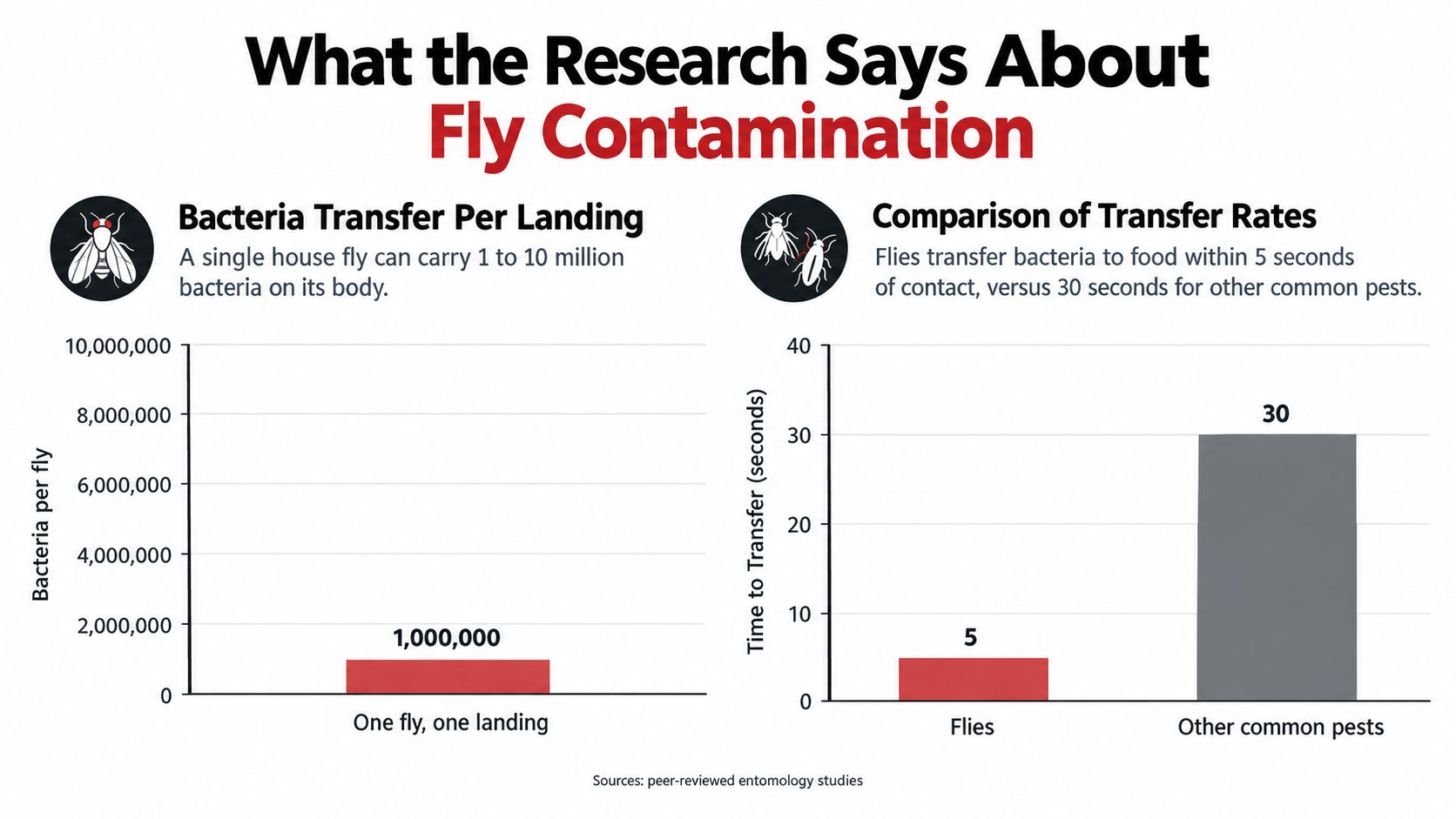
A single landing can move viable bacteria, and longer contact raises the exposure.
For operators and home hosts, the useful takeaway is situational. A fly on a plated dessert during service calls for a different response than a fly that touches a hot dish before finishing. A practical prevention approach, like the one outlined in how to prevent food contamination, starts with limiting access, shortening exposure, and using controls that fit the setting. On buffets and outdoor service, that can include physical fly fans where they make sense.
Does a Fly on Your Food Always Mean Trouble
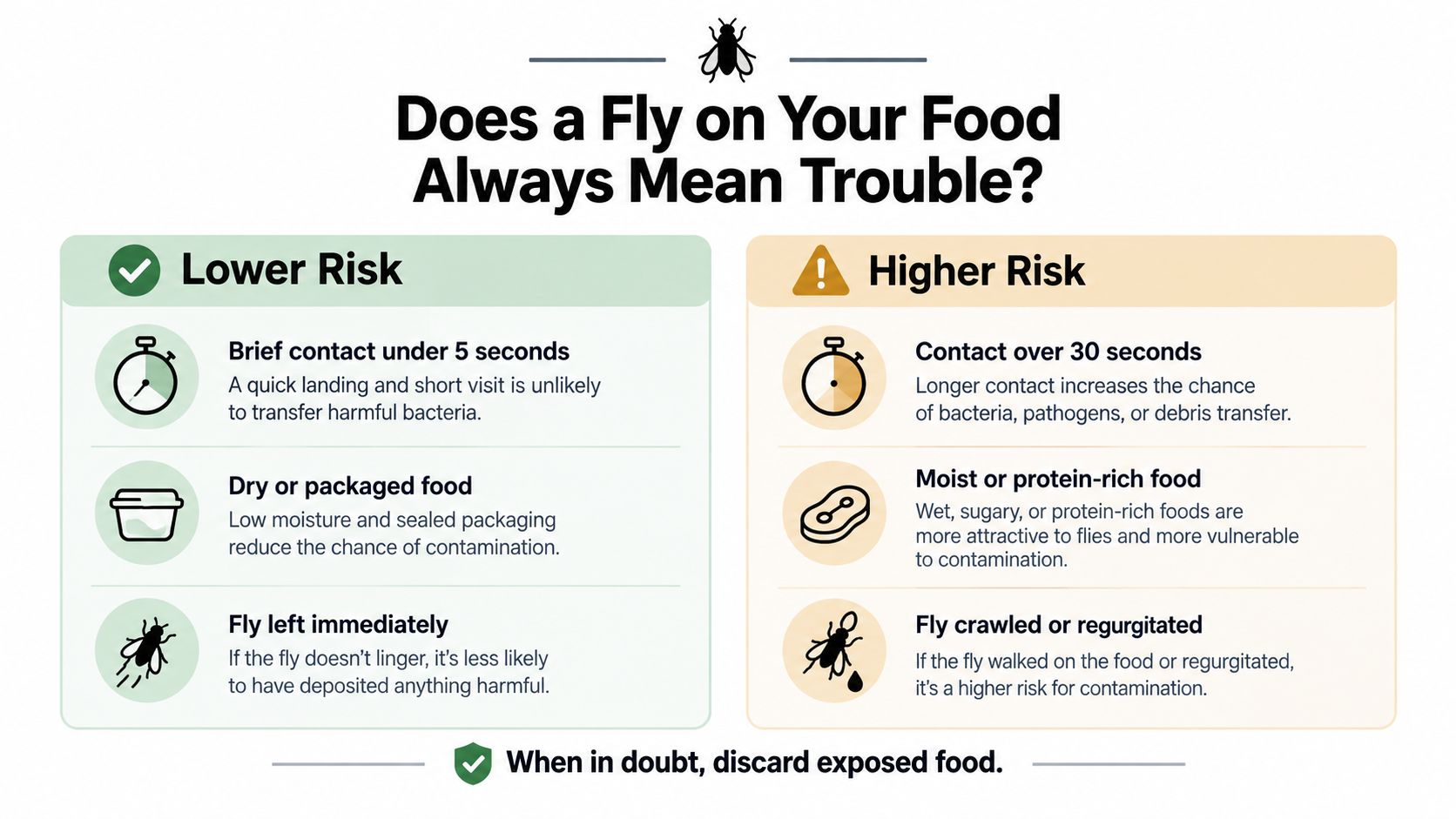
The right answer is rarely “always” or “never.” A fly landing on food creates a risk that depends on how long it stayed, what the food is, whether heat is still coming, and who's going to eat it. A toddler's fruit cup deserves a stricter response than a hot steak that's going straight back to the grill.
A useful way to think about it is this, lower risk means brief contact, dry or packaged food, and a fly that left almost immediately. Higher risk means longer exposure, moist or protein-rich food, repeated landings, or a fly that fed rather than merely touched down.
Wiping the surface or plucking off the fly doesn't reliably remove the microorganisms that may already be there.
That's the part people often miss. Once microbes are deposited, the visible insect is only part of the story. A clean-looking surface can still hold contamination, which is why prevention beats inspection after the fact.
The practical difference shows up in real service situations. An indoor plated dessert that sits uncovered near an open door is a better candidate for replacement than a hot dish that was briefly touched before finishing. A summer buffet with repeated fly traffic calls for a different response than a single landing on a sealed item or a food that's being recooked.
If you're making a call in the moment, ask five quick questions. Was the contact brief or repeated. Was the food ready to eat. Was it warm enough to be cooked again. Has it been exposed to more than one fly. Is the guest especially vulnerable. If the answers point toward higher exposure, replacement is the cleaner decision.
Prevention Strategies for Restaurants and Caterers
The strongest protection starts before service. The FDA Food Code 2022 calls for 16-mesh screens, properly designed air curtains, or other effective means to limit insect entry (FDA Food Code 2022). It also says electrocution or stunning devices must not sit over food-preparation areas, because dead insects must not fall onto exposed food. That keeps one control from creating a new contamination path.
Front-of-house controls should do two jobs at once, reduce entry and reduce landing opportunities. Doors need discipline, screens need to stay intact, and entry points should be treated as hygiene controls, not just comfort features. In the service area, lids and shorter display windows matter because exposure time is part of the risk.
For a full walkthrough of dining-room defenses, see this guide to fly control for restaurants.
The operational stack that works
- Keep flies out first. Use screens, air curtains, and closed doors to lower the number of insects reaching food areas.
- Protect exposed food. Cover trays during prep, shorten buffet display times, and replace items that have been repeatedly exposed.
- Keep waste away from service. Garbage, drains, and food scraps attract flies, so they need separation and routine cleaning.
- Document what happened. If staff see repeated fly activity, log it so the pattern gets fixed instead of ignored.
Back-of-house hygiene matters because the kitchen feeds the front line. Drain cleaning, sealed ingredient storage, and waste control all reduce pressure on exposed food. A detailed kitchen deep cleaning guide can help managers tighten sanitation routines around prep, storage, and disposal areas.
For catering teams, temporary venues need the same discipline even when the building does not cooperate. Tent flaps, open serving windows, and crowded outdoor entrances are weak points, so the team has to respond with tighter covers, faster turnover, and clearer monitoring. A service line that stays covered until the last practical moment is easier to defend than one that relies on staff noticing flies after they arrive.
Prevention for Home Hosts and Outdoor Gatherings
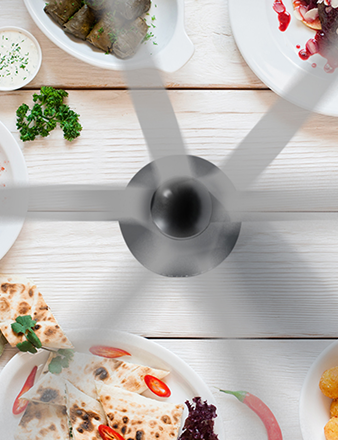
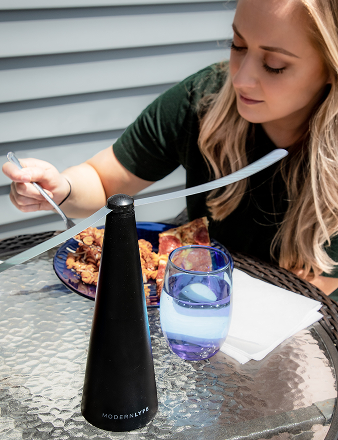
Home gatherings work best when you choose the simplest control that fits the setting. A backyard barbecue doesn't need the same infrastructure as a restaurant, but it still benefits from covers, short exposure windows, and physical deterrence. That's where a tabletop fly fan can make sense, not as a cure-all, but as one piece of a layered setup.
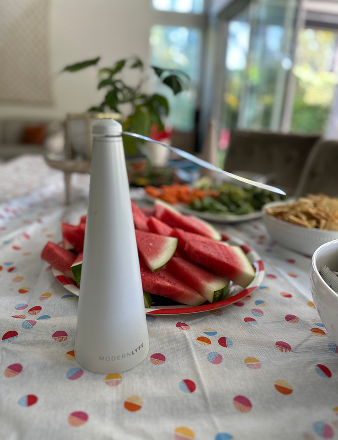
Physical deterrence works best when it reduces landings at the table edge or buffet line. A battery-operated fan that creates motion over food can help discourage hovering in open-air settings, especially when guests are serving themselves and lids keep coming off. It won't replace sanitation, and it won't fix a food area that sits open too long, but it can lower the chance of repeated landings during active service.
The other tools solve different problems. Covers and cloches protect the food directly. Sticky traps and bait stations work better away from guests, where they can reduce the local fly population without sitting next to a platter. Fly paper can catch insects, but it's best kept out of sight and away from food because it looks messy and doesn't prevent the first landing.
For many hosts, the right mix is simple. Move trash farther from the table, serve in smaller batches, keep platters covered until people are ready, and use a fan where flies keep hovering. In a patio or food-truck setting, that combination usually beats any single product used alone.
Synanthropic flies, species that live closely with people, are recognized as mechanical vectors, and a peer-reviewed review notes that infectious organisms including Cryptosporidium oocysts can be deposited onto visited food (review on fly vectors). That's why fly exclusion matters at home gatherings too, not just in commercial kitchens. If the guest list includes infants, older adults, pregnant people, or anyone who's immunocompromised, it's smart to be stricter about uncovered food and repeated fly activity.
The best home setup is the one that keeps food covered without making guests feel like they're eating in a lab.
Putting It Together in a Real Service Window
At a Saturday brunch buffet, the biggest risk point is the stretch between plating and the next guest. Keep trays covered as long as possible, open only the items that move quickly, and replace anything that gets repeated fly contact. If one fly lands once on a hot item that's still being cooked, that's a different call from several landings on a dessert tray sitting open near the patio door.
At an outdoor wedding reception, the pressure comes from volume and timing. Servers should keep lids on until the table is live, trash should stay away from the buffet, and a table fly fan can help on the exposed dessert station where guests linger. The goal is not perfection, it's reducing repeated access to ready-to-eat food.
At a backyard barbecue, the easiest wins are simpler still. Put the food out in smaller waves, keep drinks capped or covered when possible, and don't let plated food sit unattended while people mingle. If a fly lands on a serving dish, use the exposure rules, not panic, to decide whether to replace it.
A Quick Reference You Can Keep
Think in this order, what kind of food, how long it was exposed, whether it will be cooked again, and who will eat it. Keep food covered, keep flies out, and treat repeated landings on ready-to-eat food as a real hygiene concern. A brief landing is usually a manageable, scenario-specific risk, not a reason to panic.
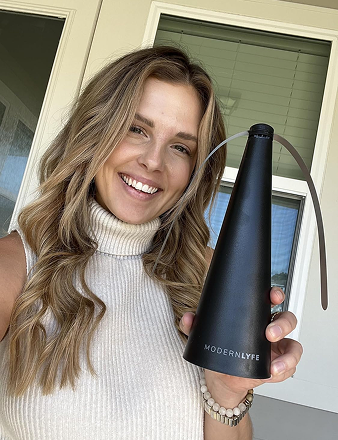
MODERN LYFE offers table-based fly fans designed to help create a physical barrier around exposed food at buffets, patios, and catered events. If you're building a calmer, more food-safe service setup for your next shift or gathering, visit MODERN LYFE to see options that fit restaurants, outdoor dining, and home hosting.