Forget the bug spray. Real fly and mosquito control isn’t about chemical warfare—it’s about strategy. The modern approach is simple: understand the pest, eliminate what attracts them, and then choose the right tools to defend your space. It’s a layered defense that actually works.
Your Blueprint for a Pest-Free Space
Flies and mosquitoes are more than a minor annoyance. For a restaurant, a single fly can torpedo a customer's experience. At home, mosquitoes can ruin a perfect backyard evening.
These pests aren’t just irritating; they carry diseases, making them a genuine health concern. That’s why the old "swat and spray" method fails. To win, you need to be proactive, not reactive.
This guide outlines a sustainable plan based on Integrated Pest Management (IPM). It’s a commonsense system that puts prevention first. By identifying what flies and mosquitoes need—food, water, and breeding sites—you can systematically remove their reasons to stick around. This approach targets the root cause, not just the bugs you see.
The Core Principles of Control
To build an effective defense, you need to think like a pest. Anticipate their moves and cut them off before they start. The core ideas are simple but powerful.
- Know Your Enemy: Understanding pest lifecycles gives you a huge advantage. A common house fly can mature from egg to adult in just 7-10 days. A female mosquito can lay hundreds of eggs in a pool of stagnant water no bigger than a bottle cap.
- Sanitation is Key: The most critical step is eliminating their breeding grounds. This means airtight trash management, immediate cleanup of spills, and a zero-tolerance policy for standing water.
- Act Strategically: Once your prevention is solid, bring in the right tools. This could be anything from physical barriers like screens to innovative devices like fly fans that stop pests in their tracks.
This three-step process is the key to effective pest management.
Notice "Act" is the final step, not the first. That's the secret. A prevention-first mindset delivers long-term success.
Mastering Prevention and Habitat Control
The best defense against flies and mosquitoes is a good offense. Real pest management isn't about swatting the pests already buzzing around; it's about making your space so unwelcoming they never show up. This proactive mindset is the foundation of a pest-free home or business.
Stop focusing on adult pests and target their breeding grounds. A single female mosquito needs only a bottle cap's worth of water to lay hundreds of eggs. A house fly can go from egg to adult in under 10 days in a poorly sealed trash can or forgotten food scraps.
To win this fight, you have to cut them off at the source.

Target Breeding Zones and Sanitation Gaps
First, walk your property with a critical eye. Homeowners should hunt for hidden water sources: clogged gutters, unused birdbaths, plant saucers, and kids' toys left in the rain. Any water that sits for more than a few days is a potential mosquito nursery.
For businesses like restaurants, the stakes are higher and the checklist is longer. Dumpster areas are ground zero for fly infestations. Here, sanitation protocols must be rock-solid.
- Frequent Cleaning: Ensure dumpsters are emptied regularly. Clean the concrete pad underneath just as often to remove spills.
- Sealed Containers: Always use bins with tight-fitting lids to deny flies access to organic waste.
- Drain Maintenance: Keep kitchen floor drains clean and free of grime, a favorite breeding spot for smaller fruit and drain flies.
Proper food waste management is another huge piece of the puzzle. Our guide on how to keep flies away from food offers in-depth tips for protecting dining areas—a must-read for businesses and homeowners alike.
Here’s a quick breakdown of what to focus on at home or at work.
Pest Prevention Checklist for Home vs Business
| Area of Focus | Action for Homeowners | Action for Businesses (Restaurants/Venues) |
|---|---|---|
| Waste Management | Use sealed trash cans; take out trash regularly. | Use commercial dumpsters with tight lids; schedule frequent pickups; clean dumpster pads weekly. |
| Water Sources | Empty standing water from pots, birdbaths, and toys. | Ensure proper drainage around the property; check for plumbing leaks and condensation drips. |
| Entry Points | Check for torn screens and gaps under doors. | Regularly inspect all doors, windows, and delivery entrances for gaps; install air curtains on high-traffic doors. |
| Sanitation | Clean up spills and food scraps immediately. | Implement a strict daily cleaning schedule for floors, drains, and food prep surfaces. |
| Landscaping | Keep grass trimmed and gutters clear of debris. | Maintain landscaping to prevent water pooling; trim vegetation away from the building exterior. |
This checklist hits the most common trouble spots. Diligence in these areas makes a massive difference.
Physical Barriers: Your First Line of Defense
Never underestimate a simple physical barrier. A well-sealed building is your most effective tool for keeping pests out. Walk your property and look for potential entry points.
Torn screens, gaps under doors, and foundation cracks are open invitations for flies and mosquitoes. Taking the time for repairing damaged window screens and sealing other gaps is a small fix that pays huge dividends.
This isn't a minor annoyance; it's a massive industry. The global mosquito control market is projected to skyrocket from USD 6.85 billion in 2025 to USD 9.96 billion by 2032. That's a lot of money spent on a problem that often starts with a little standing water.
This growth highlights why prevention is so important. When you focus on habitat control and sanitation, you dramatically reduce your need for chemical sprays and traps. You're building a smarter, more sustainable defense.
Choosing the Right Tools for the Job
Once you've tightened sanitation and removed food sources, it's time for active defenses. The market is flooded with pest control gadgets, and choosing the right one comes down to your specific needs.
What works for a backyard patio is useless in a restaurant kitchen. The key is to match the tool to the environment. For example, old-school bug zappers might seem effective, but they often kill more harmless insects than the pests you're targeting. Plus, they're a major hazard in food service areas due to the risk of airborne bug parts.

Chemical vs. Non-Chemical Solutions
Your first choice is between chemical tools and physical deterrents. Both have a role in a solid pest control strategy.
- Traps and Baits: These use attractants like pheromones or UV light to lure pests onto a sticky surface or into a container. They’re great for monitoring pest activity and reducing populations in specific spots, like near trash bins. The downside? They require regular cleaning and aren't always aesthetically pleasing.
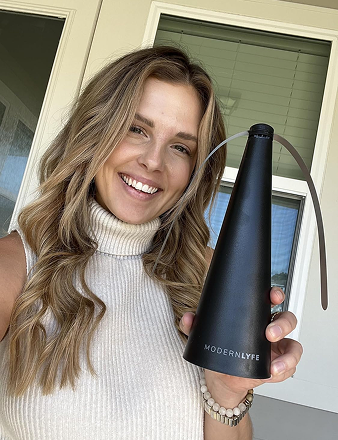
- Physical Deterrents: This approach makes the environment hostile to pests without chemicals. Think of air curtains over grocery store doors that block insects with a blast of air. For a more subtle solution on a patio or dining table, the fly fan is ideal.
The biggest mistake is a "one-size-fits-all" approach. An outdoor bug zapper has no place on a restaurant patio, and a quiet fly fan won't secure a commercial kitchen doorway. Diagnose the problem before you spend a dime.
The Power of Air Movement
One of the simplest and most effective non-chemical strategies is moving air. Flies and mosquitoes are weak fliers with delicate wings. A gentle, steady breeze makes it nearly impossible for them to navigate or land.
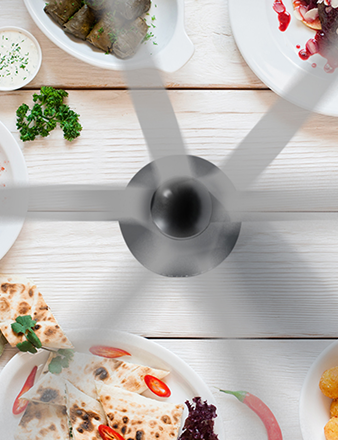
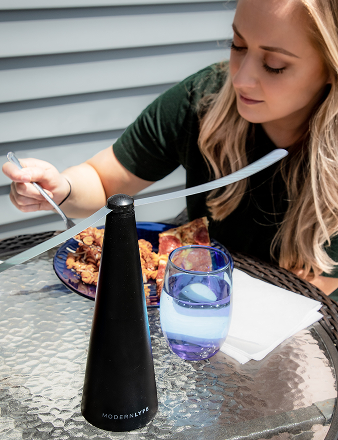
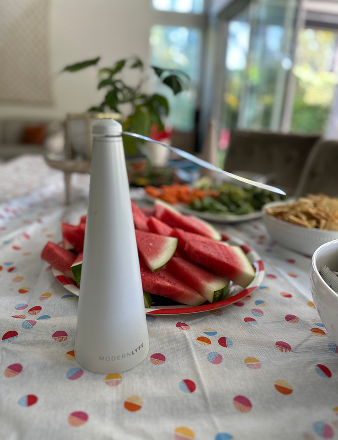
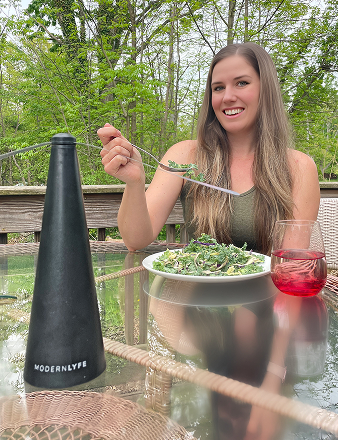
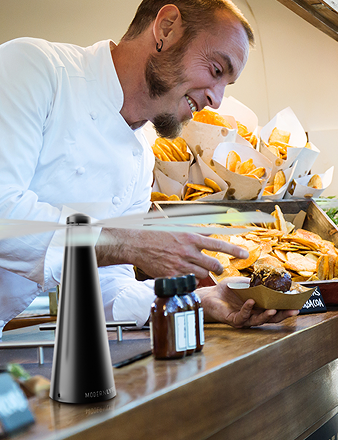
This is exactly how a modern fly fan works. These devices sit on a table, and their soft, reflective blades create a vortex of air that pests can't penetrate. This forms an immediate, invisible shield around your food and guests—with no chemicals, noise, or smells. To see why they've become so popular, explore how a fly fan works.
Matching the Tool to the Scenario
Here’s how this works in the real world.
- Scenario 1: The Homeowner's Backyard BBQ. The goal is keeping guests comfortable while they eat. A couple of fly fans on the main table and another near the buffet create an instant no-fly zone. They’re quiet, safe for kids, and don’t disrupt conversation.
- Scenario 2: The Restaurant's Outdoor Patio. This calls for a layered defense. Fly fans on every table give diners immediate protection. To handle the broader area, mount discreet UV light traps away from seating areas to intercept pests.
- Scenario 3: The Commercial Kitchen Door. This is a major pest highway. A professionally installed air curtain over the doorframe is the only real solution, creating an invisible barrier of air that stops flies from entering.
Using Chemical Controls Safely and Effectively
https://www.youtube.com/embed/54Smq8o0akQ
When an infestation hits, prevention alone may not be enough. This is where chemical controls come in. But using a spray shouldn't be a knee-jerk reaction. Think of it as a surgical strike, not carpet bombing. The goal is to use the right tool, in the right place, at the right time.
This targeted approach is a cornerstone of any serious fly and mosquito control plan. Before you do anything, read the product label. It’s not a suggestion; it's your playbook for getting results safely.
What the Product Label Tells You
The label contains crucial information for using the product effectively.
Here's what to look for:
- Active Ingredients: This is the chemical that does the work. Knowing the active ingredient helps you choose a product for flies or mosquitoes, preventing harm to beneficial insects like bees.
- Target Pests: A product for ants won't work on mosquitoes. The label specifies which pests it eliminates and whether it targets adults or larvae.
- Application Instructions: This is the non-negotiable part. It details how, where, and when to apply the product. Skipping these steps can make the product useless or hazardous.
Smart chemical control is focused control. Treating standing water with a larvicide is far more effective than spraying for adult mosquitoes everywhere. You're cutting off the next generation at the source.
The Two-Pronged Attack: Larvicides and Adulticides
You're fighting a war on two fronts: the adults you see and the larvae that come next.
An adulticide is a fog or spray designed to kill flying adult insects. It provides immediate, short-term relief by knocking down the current population. Think of it as a reactive solution.
A larvicide, on the other hand, is proactive. You apply these products directly to water to kill mosquito larvae before they can fly. This is a more efficient and environmentally sound strategy because it breaks the lifecycle.
As mosquito-borne illnesses become a greater global concern, vector control has grown more sophisticated. New technologies from companies like Envu are being developed that use mosquito behavior to spread biocides to hidden breeding sites—a game-changer for improving effectiveness and slowing insecticide resistance.
Beyond Standard Sprays
Chemical control options are improving. Newer "biocontrols" use naturally occurring agents like bacteria or fungi that are lethal to specific pests but harmless to people, pets, and plants. These are fantastic, widely available alternatives.
Ultimately, chemical controls are just one piece of the puzzle. They work best as a supplement to sanitation and habitat reduction, not as a replacement. A measured, informed strategy gets the job done without putting health or the ecosystem at unnecessary risk.
Advanced Strategies for Commercial Spaces

For a restaurant or event venue, fly and mosquito control is non-negotiable. A single fly can tarnish your reputation, trigger health code violations, and hurt your bottom line. In high-stakes settings, your approach must be methodical, documented, and strictly enforced.
This means graduating to a formal Integrated Pest Management (IPM) plan. An IPM plan is a structured document that health inspectors often ask to see. It details everything from sanitation schedules and monitoring procedures to the exact steps for handling a pest sighting.
Building a Defensible IPM Plan
Think of your IPM plan as your operational playbook for pest control. It should be a living document that your entire team understands and follows. The goal is to outline proactive measures that keep your establishment uninviting to pests.
Your plan needs to map out your lines of defense. For instance, identify "exclusion zones"—high-traffic spots like delivery doors where pests are likely to enter. This is where tools like powerful air curtains are invaluable. They create an invisible barrier that physically blocks flying insects. For more on air flow solutions, learn about using commercial fly fans to protect your business in our detailed guide.
An effective IPM plan isn't about killing bugs; it's about creating an environment where they can't thrive. The best commercial strategies focus 90% on prevention and only 10% on reaction. That keeps both customers and health inspectors happy.
A critical part of the plan is a rigorous monitoring schedule. Assign staff to check fly traps, inspect drains, and log all pest sightings. This data helps you spot trends and stop a potential infestation before it becomes a crisis.
Exploring Next-Generation Biological Controls
While sanitation and exclusion are your foundation, keep an eye on biological controls. These methods offer a sophisticated layer of defense, especially for mosquitoes in outdoor areas. Instead of chemicals, they use a pest's own biology against it, providing a sustainable, long-term solution with minimal environmental impact.
This field is advancing rapidly. For example, programs releasing Wolbachia-infected mosquitoes have achieved a 77% reduction in dengue cases in one major trial. These are no longer small experiments; they are being scaled up for community-wide protection. Learn more about how global mosquito programs are protecting millions through modern science.
By combining a documented IPM plan, physical barriers like air curtains, and an awareness of emerging biological solutions, you can build a comprehensive defense. This multi-layered approach ensures your commercial space remains safe, welcoming, and pest-free.
Common Questions About Fly and Mosquito Control
Even with a solid plan, specific questions will come up. Getting straight answers makes all the difference. Let's tackle the most common queries.
What Is The Best Non-Chemical Way to Control Flies Outdoors?
Air movement is the most powerful non-chemical weapon against flies. Flies are weak fliers, and a steady breeze makes it nearly impossible for them to land on your food or guests. This is the principle behind modern fly fans.
Place a couple on your dining table or near a buffet line to create an instant no-fly zone. It’s a simple, silent, and safe solution that protects your space without sprays or traps, making it perfect for backyard barbecues and restaurant patios alike.
Are Bug Zappers Actually Effective Against Mosquitoes?
Not really. While the "zap" is satisfying, research shows that bug zappers are indiscriminate killers. They destroy countless harmless insects but do a poor job of attracting the biting female mosquitoes you're trying to eliminate.
Mosquitoes are drawn more to the carbon dioxide you exhale and other human scents than to UV light. Your energy is better spent eliminating standing water and using targeted repellents or traps designed specifically for them.
How Often Should I Clean Pest Control Devices?
Consistent upkeep is key to performance. The right cleaning schedule depends on the device and the level of pest activity.
- Fly Fans: A quick wipe-down of the blades once a week is usually enough to prevent dust buildup and keep them running efficiently.
- Sticky Traps: Check these every few days. Once a trap is about 50% covered, its effectiveness drops. Replace it.
- UV Light Traps: Swap out the internal glue boards every 30-60 days—more often in a busy commercial kitchen. Replace UV bulbs annually, as they lose their insect-attracting power over time.
Pro tip: That giant, clumsy insect you think is a mega-mosquito? It's almost certainly a harmless Crane Fly. They don't bite and are only around for a week or two to mate before their life cycle ends.
Ready to create a comfortable, pest-free environment with a solution that's as stylish as it is effective? The MODERN LYFE fly fan is your answer. See how our quiet, powerful fans can protect your next meal or event by visiting our official website.