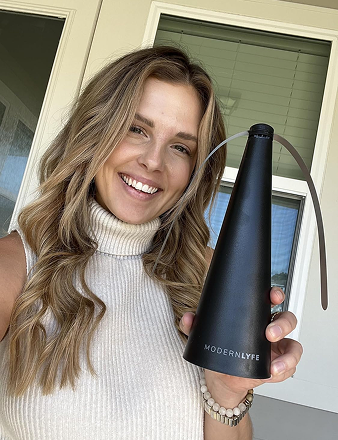
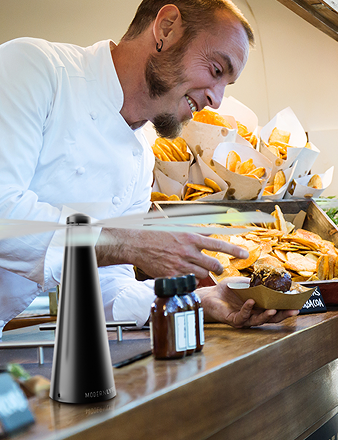
You’ve planned the perfect outdoor meal. The food is ready, guests are happy, and the mood is just right. Then, the uninvited guests arrive—buzzing, persistent flies that can ruin the entire vibe. This guide introduces a simple, elegant solution: the fly away com fan, a modern answer to an age-old problem that creates a peaceful, pest-free zone without chemicals or noise.
Your Guide to a Fly-Free Atmosphere

Nothing spoils a perfect event faster than pests. Flies don't just ruin the atmosphere; they make guests uncomfortable and raise serious hygiene concerns. After all, a single fly can carry over 100 different pathogens—a risk no host should ever take.
Typical solutions often create their own problems. Chemical sprays leave behind unpleasant odors and aren't safe around food. And let's be direct: sticky fly traps and electric zappers are tacky and undermine the beautiful setting you worked so hard to create.
A Modern Approach to Pest Control
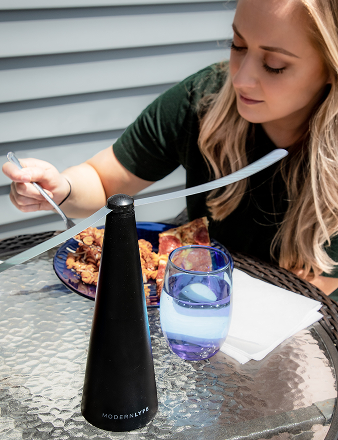
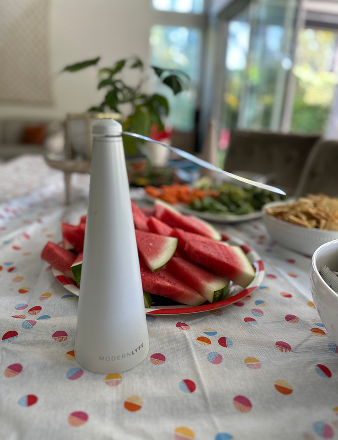
The fly away com fan takes a smarter approach. It’s a simple, portable device that sits on your dining or buffet table, acting as a silent guardian for your meal. Think of it as creating an invisible, no-fly zone.
This method shifts from reacting to flies to proactively preventing them, ensuring a serene environment from the start. The benefits are clear:
- Chemical-Free Operation: It uses a gentle air current, making it completely safe around food, children, and pets. No sprays, no toxins.
- Enhanced Guest Comfort: The design is quiet and unobtrusive. Your guests can enjoy their conversations without the constant buzz or the distraction of a noisy zapper.
- Improved Hygiene: By stopping flies from landing on your food, you protect your guests from germs and keep your dishes pristine.
Proactive, non-intrusive solutions are the new standard in hospitality. Top venues know a five-star experience is all about the details, and a fly-free environment is a non-negotiable part of comfort and cleanliness.
Whether you're a restaurant owner aiming for stellar reviews, a caterer protecting a wedding buffet, or a host planning a backyard barbecue, this guide will show you how to elevate the experience. We'll cover how these fans work, why they're so effective, and how to use them for a flawless, fly-free event every time.
How Fly Fans Create an Invisible Shield

Ever wondered how a simple device like the fly away com fan can be so effective? It’s not magic—it's smart science. The fan creates an invisible force field over your table that protects your food and conversations from pests.
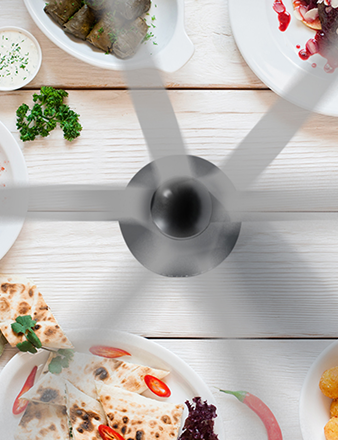
It works with a one-two punch of non-intrusive deterrents. First, the soft-touch blades spin at a consistent, gentle speed. This creates an air current so subtle you and your guests won't even notice it. It’s definitely not enough wind to blow napkins away.
For a lightweight fly, however, that same breeze feels like a hurricane. Their bodies and wings can't handle that kind of atmospheric disruption. The fan's air movement makes flying and landing a struggle, so they instinctively go somewhere else.
The Power of Disruption
This simple physical barrier is the fan's first line of defense. It’s a brilliant way to disrupt a fly's flight path without using chemicals, irritating sounds, or strange smells.
But there’s another layer that seals the deal. The blades on these fans have special holographic patterns that catch and refract light. To us, it’s just a shimmering effect.
To a fly, it’s a completely different story. With their sensitive compound eyes, made of thousands of individual lenses, the constantly moving, refracted light is overwhelming.
This visual chaos is disorienting and alarming for a fly. They interpret the shifting patterns of light as a clear danger signal, triggering their instinct to flee. It’s a harmless but highly effective way to make your table the last place they want to be.
A Superior, Serene Solution
When you combine gentle air turbulence with confusing visual patterns, you get a powerful, multi-sensory deterrent that flies can’t stand. This approach is far superior to traditional pest control and offers clear advantages, especially in hospitality. To learn more, get the full story on how fly fans work in our complete guide.
Consider the old-school alternatives:
- Bug Zappers: They're loud, startling, and the sight of zapped bugs is unappetizing.
- Chemical Sprays: They leave behind unpleasant odors and raise valid concerns about toxins near your food.
- Sticky Traps: They’re an eyesore. Nothing ruins a well-set table faster than flypaper covered in dead insects.
A fly fan, on the other hand, is silent, clean, and stylish. It works without anyone noticing, keeping food pristine and guests comfortable. This makes the fly away com fan more than just a pest control tool—it's an upgrade to the entire dining experience.
Why Top Venues and Hosts Choose Fly Fans
A fly-free environment isn't just a convenience. For any high-end restaurant, hotel, or event venue, it’s a crucial part of the guest experience—one that directly impacts the bottom line. It's often the small detail that separates a perfect memory from a frustrating one.
Think from a guest's perspective. When people aren't swatting at pests, they're more relaxed. They enjoy their food more and see the venue as cleaner and more professional. That positive feeling leads to glowing online reviews, repeat customers, and a strong brand reputation. It’s a real competitive advantage.
Elevating the Guest Experience
Modern fly fans are designed with aesthetics in mind. Their quiet operation and sleek look blend in with sophisticated decor instead of clashing with it. For hosts who invest heavily in creating a specific ambiance, that's a make-or-break detail.
Just as a venue chooses sustainable teak garden furniture to enhance the atmosphere, they also need to protect it. Every element, from seating to air quality, contributes to the overall impression.
"A pristine environment is non-negotiable in hospitality. When guests see you've taken proactive steps to keep flies away, it sends a powerful message about your commitment to quality and hygiene."
The benefits are measurable. Hotels and caterers report a significant boost in guest satisfaction when flies are a non-issue, which protects food hygiene and lets people focus on their meal. Some restaurant owners using these fans have seen fly complaints drop from over a dozen per week to fewer than two. That alone proves how well they work. You can explore more data on how pests impact hospitality by reading the full findings on Wake Pest.
Unmatched Versatility for Any Occasion
The cordless, portable design of the fly away com fan makes it an indispensable tool for professionals and home use alike. Its value is clear in many scenarios:
- For Restaurant Owners: A lifesaver for outdoor patios, letting diners eat without being bothered. This leads to them staying longer, spending more, and leaving better reviews.
- For Wedding Planners: Essential for protecting a buffet table or a multi-tiered wedding cake. These fans create an invisible shield, keeping food displays flawless and hygienic.
- For Caterers: At off-site events, you don't control the environment. Portable fans are an easy-to-pack solution that guarantees food safety and quality, no matter the location.
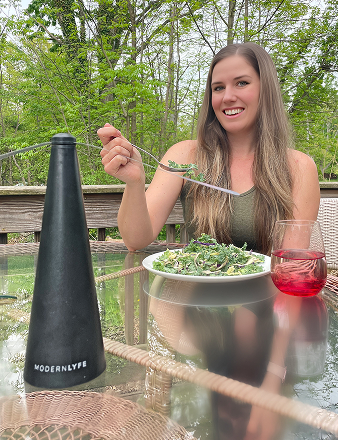
- For Homeowners: Reclaim your deck for peaceful barbecues and family gatherings. No more swatting—just effortless, comfortable outdoor living.
Ultimately, choosing a good fly fan is a decision to prioritize comfort, hygiene, and sophistication. It’s a small investment that protects a much larger one: your reputation and your guests' happiness. By providing a serene, pest-free atmosphere, you show that you care about every detail.
How to Choose the Right Fly Fan for Your Space
Picking the right fly fan isn't just about grabbing the first one you see. The best model for a busy restaurant patio is different from what you need for a quiet family dinner. To get a fan that solves your fly problem without creating new ones, consider a few key details.
A fan that dies mid-service or makes an annoying racket is worse than useless—it can ruin the very atmosphere you’re trying to create. This chart can help you decide if a fly fan is a smart move for your home or business.

As you can see, a fly away com fan is a great tool for almost any space with outdoor seating. To get the best results, match the fan's features to your specific needs. Let's break down what really matters.
Battery Life and Power Source
First, how long do you need it to run? If you're a restaurant, the fan must last an entire dinner shift. Look for models with at least 8-10 hours of continuous battery life. For a home barbecue, you can get by with less.
Convenience is also key. USB-rechargeable models are the best choice. This lets you use the same universal chargers and power banks you already own, so you aren't stuck hunting for a specific cord.
Noise Level and Ambiance
A fly fan should eliminate an annoyance, not add a new one. The last thing you want is to replace the buzz of flies with the whir of a cheap motor.
A truly effective fan is one you barely notice. Check product reviews or specs for noise levels. Premium models are engineered for near-silent operation, so they do their job without disrupting the peace.
Coverage Area and Quantity
Next, consider the space you're protecting. For a standard four-person table, one well-placed fan in the center is usually enough.
But for a long buffet line, a catering station, or a large banquet table, you’ll need more.
- A good rule of thumb: Place one fan every 2-3 feet. This creates an overlapping barrier of air that leaves no gaps for flies to sneak through.
Aesthetics and Design
Looks matter, especially in a hospitality setting where every detail counts. A clunky, industrial fan can cheapen your decor and undo your hard work.
Look for a model with a sleek design and quality materials that blend with your style. Whether you're setting up for a high-end wedding or just want your patio to look its best, the right fan will complement its surroundings.
To help you weigh these factors, here’s a quick comparison of the most important features.
Fly Fan Feature Comparison
This table breaks down the key features to look for, helping you find the perfect fly fan for any situation, from a casual cookout to a five-star dining experience.
| Feature | What to Look For | Why It Matters for Hospitality |
|---|---|---|
| Battery Life | 8-10+ hours, USB-rechargeable | Ensures the fan lasts through an entire service. USB charging adds operational convenience. |
| Noise Level | Near-silent operation, low-decibel rating | Protects the ambiance and allows for easy conversation, which is critical for a positive guest experience. |
| Coverage Area | Wide blade span, plan for 1 fan per 2-3 feet | Guarantees complete protection over dining tables and buffets, leaving no gaps for pests. |
| Blade Material | Soft, flexible blades with reflective patterns | The blades are safe to the touch, and the holographic pattern is a key element in disorienting flies. |
| Aesthetics & Build | Sleek design, sturdy base, high-quality materials | The fan should enhance, not detract from, your decor. A stable base prevents it from being knocked over. |
| Portability & Size | Compact, lightweight, easy to store and transport | Crucial for caterers and event planners who need to set up and break down quickly in various locations. |
Choosing a fan that excels in these areas means you're investing in a reliable tool for food safety and guest comfort.
Making an informed choice comes down to balancing these elements to find a fan that works seamlessly for you. If you're focused on a dining area, our guide on finding the perfect fly fan for your table offers more specific advice.
This isn't just a matter of preference; it's a food safety strategy endorsed by the USDA, as flies can carry over 100 different diseases. In fact, restaurants using air movement solutions often see annual pest control costs drop by as much as 60% compared to those relying only on chemical sprays.
Expert Tips for Perfect Fan Placement
Owning a great fly fan is the first step, but how you use it makes all the difference. Turning on your fan is helpful, but a few strategic adjustments can turn your tables into impenetrable, fly-free zones.
You're not just moving air; you're building an invisible barrier. The goal is to create a comprehensive shield that leaves no gaps for pests to sneak through, ensuring your food and guests remain completely undisturbed.

Establish a Proactive Perimeter
Here is the single most effective trick: turn the fans on before the food comes out. Give them 10-15 minutes to get a steady air current flowing over the area. This creates the protective dome ahead of time, so flies don't even register your table as a potential landing spot.
If you wait until you see flies, you're already playing defense. Starting early means the "no-fly zone" is active the moment the first dish is served.
Optimize Your Fan Layout
Where you put your fans is as important as when you turn them on. The key is creating overlapping zones of air movement so no part of your spread is vulnerable. Just follow these simple rules for perfect coverage.
- For Long Buffet Tables: This is the golden rule for caterers. Place one fan every 2 to 3 feet along the table to create a continuous, unbroken barrier over the entire feast.
- For Round or Square Tables: For a standard 4 to 6-person table, a single fan in the center usually does the trick, creating a 360-degree protective bubble.
- For Odd-Shaped Setups: For an L-shaped buffet or a cluster of smaller tables, think in zones. Make sure each area with food has its own dedicated fan coverage.
Don't forget height. Position the fans so their soft blades spin just a few inches above the plates and serving dishes. This focuses the air current exactly where you need it most—directly over the food.
Pair Fans with Smart Sanitation
A fly away com fan is an incredible tool, but it works best as part of a complete defense plan. Flies are drawn to spills and smells, so backing up your fan strategy with basic cleanliness creates a powerful one-two punch. In many hospitality settings, up to 75% of fly problems can be traced back to sticky spills and dirty drains.
Studies on infection control measures at Iowa State University show that integrated programs combining good sanitation with air-moving fans can slash fly populations by over 90%. This proves a dual approach is far more effective.
A few simple habits make a world of difference:
- Keep trash cans covered and position them away from main dining areas.
- Wipe up food and drink spills immediately.
- Use dedicated rests for serving utensils instead of placing them directly on the table.
When you combine proactive fan placement with solid sanitation, you make your space completely uninviting for pests. For more great ideas, check our guide on finding the perfect fly repellent fan.
Common Questions About Fly Away Fans
You see how they work, but you probably have a few practical questions. That's smart. Before bringing any new solution into your business or home, you want to be sure it's the right fit.
Let's get straight to the answers for the questions I hear most often from caterers, restaurant owners, and hosts.
Are the Fan Blades Safe to Touch?
Yes, they are completely safe. This is always the first question, especially from parents. The blades on a quality fly away com fan are not hard plastic; they are intentionally soft, flexible, and lightweight.
If a hand gets in the way, the fan is designed to stop on contact. There's no sting and no risk of injury. This safety feature makes them a fantastic option for family-friendly environments.
How Many Fans Do I Need for My Table?
The number of fans you need depends on your table size. Proper placement is key to creating that invisible, fly-proof shield over your food.
- For standard tables: On a typical 4-to-6-person table, one fan in the center usually works. It creates a 360-degree bubble of protection.
- For long tables: When setting up a long banquet table or buffet line, you need an overlapping current of air. A good rule of thumb is to place one fan every 2-3 feet to ensure there are no gaps.
Think of it as creating an unbroken "no-fly zone." This simple guideline ensures your entire spread stays pristine from the first guest to the last.
Can I Use These Fly Fans Both Indoors and Outdoors?
Yes, absolutely. They were designed to protect outdoor dining—on patios, decks, and at picnics. But their usefulness doesn't stop there.
They work just as well inside. People use them to guard a kitchen island during meal prep or protect an indoor buffet from that one fly that always gets in. Because they're cordless and portable, you can move them wherever you need them.
How Long Does the Battery Last?
This is a critical question for professionals running long events. Your protection can't die mid-service. Most high-quality fly fans provide 10 to 15 hours of continuous power on a full charge.
That’s more than enough to get you through a full dinner service, an entire wedding reception, or a day-long outdoor festival. When they run down, they recharge with a standard USB cable, just like your phone, so they’re ready to go for the next day.
Ready to create a sophisticated, pest-free dining experience for your guests or family? The MODERN LYFE fly fan offers the perfect blend of silent operation, sleek design, and long-lasting battery life. Protect your food, elevate your atmosphere, and say goodbye to annoying flies for good.
Explore the collection and get your fly-free solution today at ModernLyfe.com