A fly repeller plug in is a simple, effective device that creates a fly-free zone using either ultrasonic sound waves or a vaporized repellent. Just plug it into an outlet, and it gets to work.
This is about getting continuous, chemical-free protection without the hassle of sprays, sticky traps, or a fly swatter. It’s a modern, set-and-forget approach to keeping your indoor spaces clear.
Why a Plug-In is a Smart Choice
Buzzing flies are more than just annoying; they make a space feel unsanitary. A good fly repeller plug in solves that problem, giving you a clean and peaceful environment without constant effort. You set it up once, and it works for weeks.
The "Set It and Forget It" Advantage
The best part about these devices is their simplicity. A fly spray only works for a few moments, and a swatter requires you to be on high alert. A plug-in unit works around the clock.
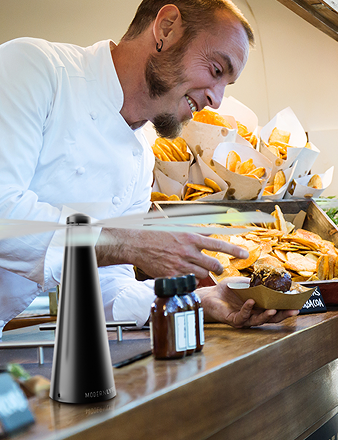
Imagine a café owner plugging one in by the door. That single device silently protects the dining area all day, so customers can enjoy their coffee without swatting at pests. This continuous, silent operation is what makes it so effective. For another hands-off alternative, you might be interested in exploring how fly fans work.
A plug-in fly repeller’s value is its passive power. It builds a protective barrier you don’t have to think about, letting you get back to cooking, working, or relaxing in peace.
A Cleaner, Healthier Home
Many of us are cautious about spraying chemicals in our kitchens or in rooms where kids and pets play. Plug-in repellers are a great solution because they help you avoid airborne insecticides.
Whether you choose an ultrasonic model that relies on sound or a vaporizer that uses natural essential oils, you're opting for cleaner pest control.
This shift toward safer, more convenient solutions is a major trend. The global insect repellent market was valued at USD 5.7 billion in 2024, highlighting how many people are seeking better ways to keep pests out.
How to Choose the Right Repeller for Your Space
Picking the right fly repeller plug in isn’t about grabbing the first one you see. The key is matching the device to your room and needs. What works in a small bedroom might be useless in a large, busy kitchen with constant air movement.
Think of it this way: a silent ultrasonic model is perfect for a peaceful room, but its sound waves can be easily blocked. Let's walk through how to find the perfect fit.
This guide will give you a clear starting point.

If you have a fly problem, a plug-in is a direct and effective solution. Now, let’s get into the details so you can choose with confidence.
Assess Your Room Size and Layout
First, measure your space. Every repeller lists its maximum effective range in square feet, and you should take that number seriously. A device rated for 150 square feet won’t cover a 400-square-foot open-plan living area.
The room's layout is just as important. Ultrasonic repellers use high-frequency sound waves that can't travel through solid objects. Furniture, walls, and even heavy curtains can create "shadows" where the device is ineffective.
For oddly shaped or cluttered rooms, you might need a couple of units for full coverage. If you're protecting a large, high-traffic area, exploring the best fly repellent fan options might be a better strategy, as they use airflow as a physical barrier.
Key Takeaway: Buy a repeller rated for a space slightly larger than your room. This provides a buffer and ensures solid coverage, even in rooms with complex layouts or lots of furniture.
Consider Pets and Scent Sensitivity
Next, think about who shares your space—family, roommates, and especially pets.
Most ultrasonic devices are inaudible to people, cats, and dogs. However, smaller pets with sensitive hearing, like hamsters or gerbils, might find the high-frequency sound irritating. Always check the manufacturer's notes.
Vaporizing repellers, which release a scent, have different considerations. If anyone in your home has allergies, asthma, or is sensitive to strong smells, be careful. Look for models that use natural essential oils and avoid those with synthetic chemical formulas. Always scan the ingredient list before you buy.
To make the choice easier, let's compare the two main types of plug-in repellers.
Ultrasonic vs. Vaporizing Fly Repellers
| Feature | Ultrasonic Repeller | Vaporizing Repeller |
|---|---|---|
| Method | High-frequency sound waves | Scented vapor dispersal |
| Pet Safety | Generally safe for cats/dogs | Depends on ingredients |
| Scent | Odorless and silent | Noticeable scent (natural or chemical) |
| Best For | Bedrooms, offices, small spaces | Kitchens, patios, high-traffic areas |
The right choice depends on your priorities. If you need a silent, odorless solution for a quiet room, go with ultrasonic. If you're fighting flies in an active area like a kitchen, the scent from a vaporizing model often provides a stronger deterrent.
Where to Place Your Repeller for the Best Results
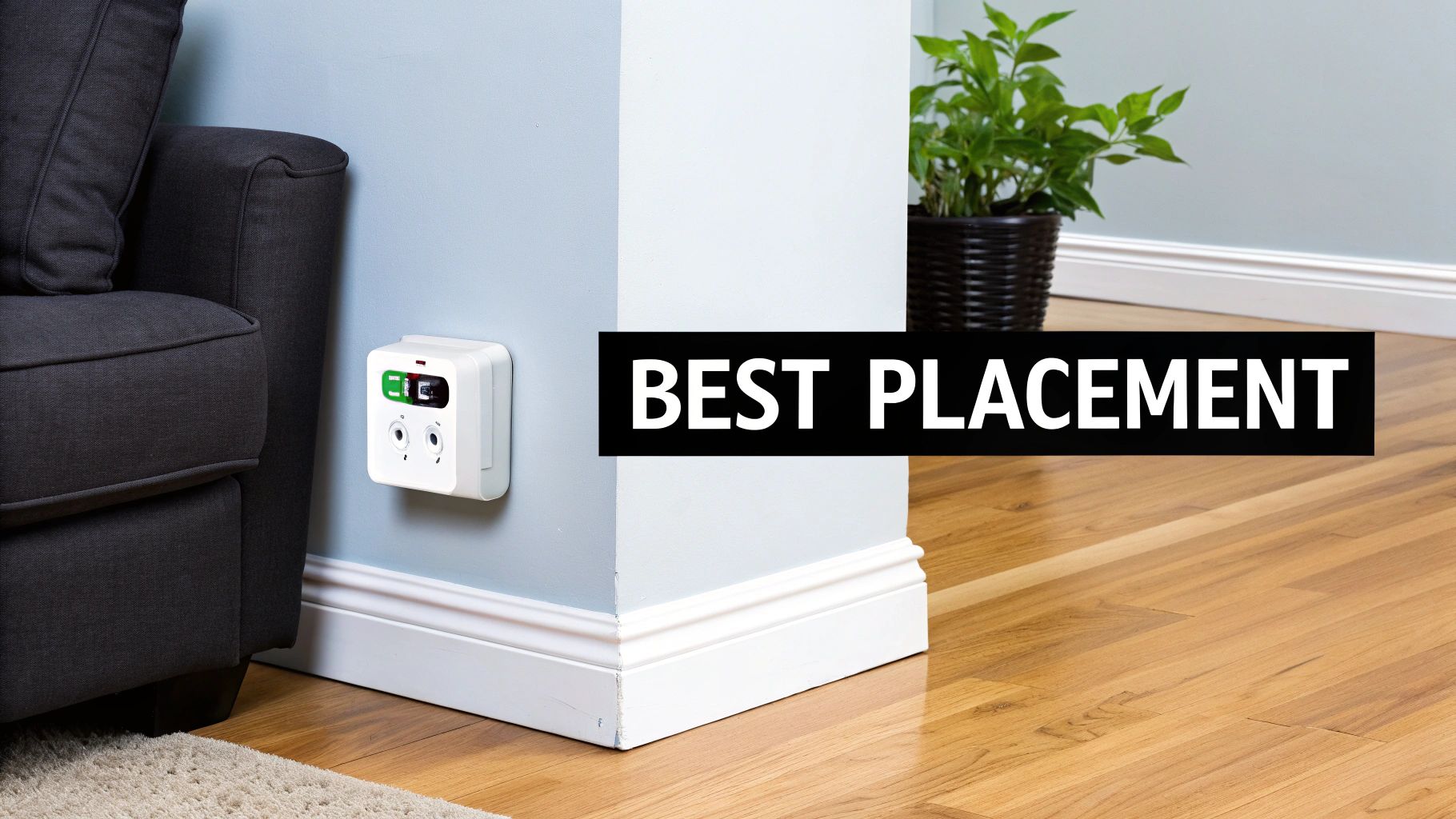
Where you plug in your fly repeller can make or break its effectiveness. Tucking it into the first free outlet is a common mistake that leads to poor results. To create a truly fly-free zone, a little strategy goes a long way.
The single biggest mistake is blocking the device. If you plug it in behind a couch, curtain, or bookshelf, you neutralize it. This is especially true for ultrasonic models, as their sound waves cannot travel through solid objects.
Your repeller needs a clear line of sight to be effective. Think of it like a tiny lighthouse—if its beam is blocked, it can't do its job.
Finding the Sweet Spot in Your Home
Every room is different, so the ideal spot will vary. Your goal is to find a location that covers the most ground, especially near fly hotspots like open windows and doors. A central outlet is often a great start.
In a kitchen, an outlet above the counter is perfect because it's elevated and clear of large appliances. For a large, open-concept living area, you might need a unit at each end of the room for full protection.
Here are a few practical tips:
- Get Some Height: Aim for an outlet that's two to four feet off the floor. This elevation helps the ultrasonic waves or vapor travel across the room.
- Clear the Area: Ensure the space directly in front of the repeller is open. Even a small houseplant can create a "safe zone" for flies.
- Work with Airflow: Note how air moves in the room, especially with fans. For vapor-based models, a little airflow can help spread the repellent. This is a core principle we cover in our guide on fly repellent fan placement.
Pro Tip: Don't be afraid to experiment. Plug the repeller in and observe for a day or two. If flies still gather in one corner, the repeller's reach isn't hitting that spot. Time to try a different outlet.
Keeping Your Fly Repeller Working Like New
A plug-in fly repeller is low-maintenance, but not zero-maintenance. A little upkeep ensures it keeps flies away for the long haul. These simple habits will ensure your device performs at its best.
Like any small electronic device, it will attract dust. A quick wipe-down once a month is all it takes. This is crucial for vaporizing models, which need clear vents to disperse the repellent.
A Quick and Easy Maintenance Routine
Keeping your repeller in top shape is simple. You won’t need special tools, just a few moments of your time.
First, always unplug the unit before cleaning.
- Use a dry microfiber cloth to wipe the outer casing and remove dust.
- For sticky spots, a slightly damp cloth will work. Never spray cleaners directly on the device or let liquid get inside.
- For vaporizing models, check the refill bottle. Most are transparent, so it's easy to see when you're running low. Keep a spare on hand to prevent any lapse in protection.
The secret to great performance is consistency, not intense cleaning. A monthly wipe-down and timely refills will ensure your repeller works as well on day 100 as it did on day one.
Is It Time for a Replacement?
How can you tell if your device is losing its effectiveness?
With vaporizing models, it's obvious: the liquid runs out. For ultrasonic units, the signs are more subtle. The biggest giveaway is seeing flies slowly return to a previously clear area. After a few years of constant use, the internal electronics can simply wear out.
The constant demand for effective, user-friendly solutions is why this market is booming. The plug-in fly repeller market was valued at around USD 500 million in 2025 and is expected to grow as technology improves. For more on these trends, the analysis from Mordor Intelligence is a great resource.
Diving Into Natural and Chemical-Free Options
When choosing a fly repeller, what's inside is as important as how well it works. If you have children, pets, or prefer an eco-friendly approach, a natural, chemical-free plug-in provides peace of mind.
These devices skip synthetic chemicals, relying on the power of nature to create a fly-free zone.
What Makes Natural Ingredients So Effective?
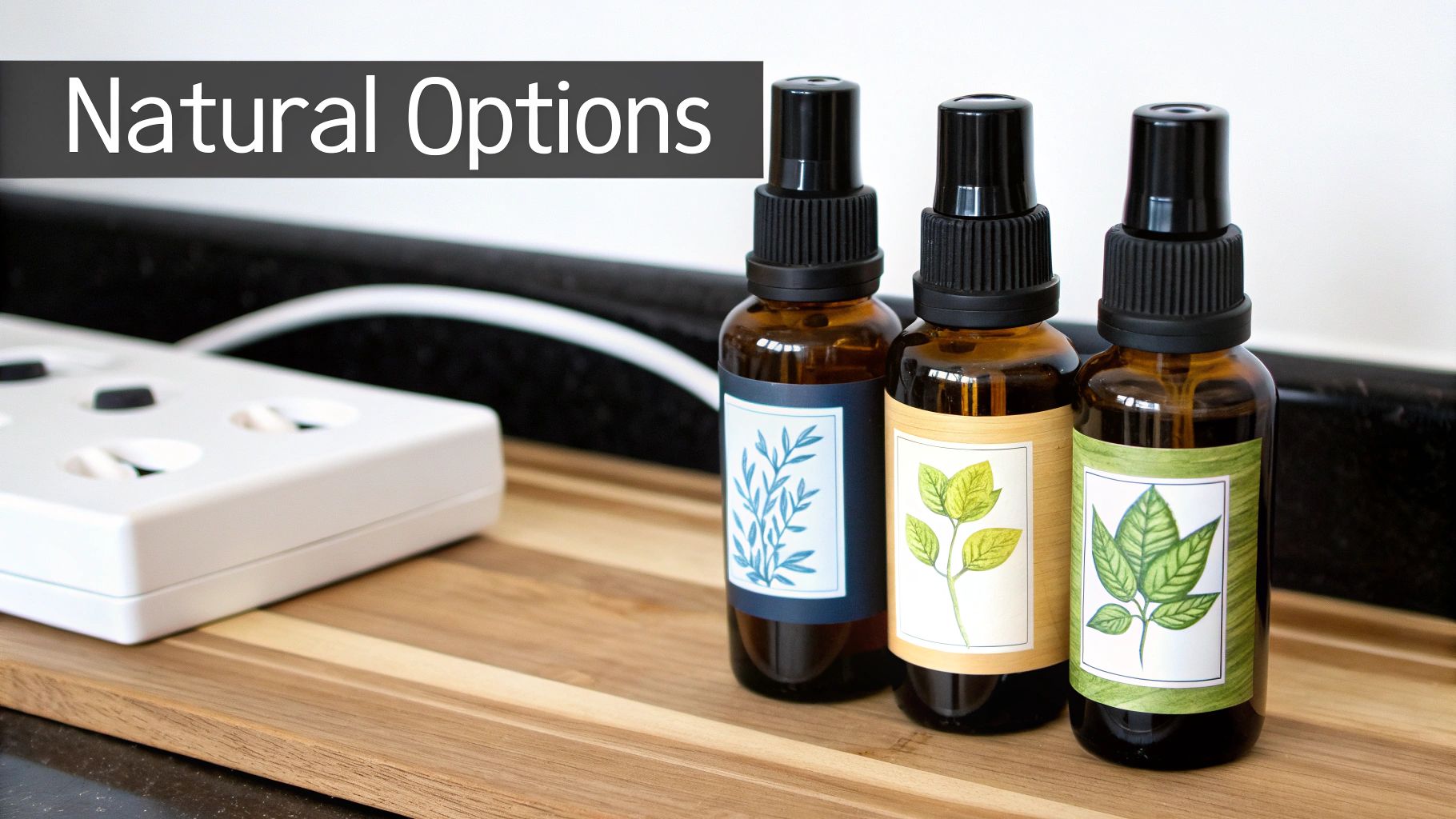
Instead of harsh insecticides, a natural fly repeller plug in typically uses a formula based on essential oils. These plant-derived oils contain compounds that flies dislike, encouraging them to stay away without harming them.
Common ingredients include:
- Lemongrass and Citronella: Classics for a reason. Their strong, citrusy scent masks the everyday smells that attract flies.
- Peppermint Oil: Flies actively avoid the sharp, clean scent of peppermint, making it a powerful deterrent.
- Eucalyptus Oil: Its distinct fragrance creates an environment most insects find unwelcome.
This is not a niche trend. Natural options are gaining serious momentum. The global market for natural insect repellents hit USD 2.79 billion in 2024 and is expected to keep growing. For a closer look at this market shift, see the analysis from Grand View Research.
Choosing a natural repeller means protecting your home with ingredients you recognize. It’s about creating a comfortable space for your family while still getting the job done.
It's also about having realistic expectations. While natural repellents are excellent for moderate fly problems, they often work more subtly than chemical-based options. For a severe infestation, you might need a more aggressive approach.
But for everyday prevention, they offer a fantastic, fragrant, and worry-free solution.
Answering Your Top Questions About Plug-In Fly Repellers
Even with a simple device, you probably have questions. Getting the full picture before you buy is smart. Let's cover the most common inquiries to help you choose the right unit and use it correctly.
Are They Safe Around My Kids and Pets?
This is the #1 question. The good news is that most modern plug-ins are designed with household safety in mind, but the "how" depends on the type.
- Ultrasonic models are a solid choice for homes with children, dogs, and cats. They emit a high-frequency sound that people and most pets can't hear, but pests find annoying. To your family, it's completely silent.
- Vaporizing models that use natural repellents, like essential oils, are another popular family-safe option. Pro tip: always check the ingredients. While generally safe, some oils can irritate sensitive pets.
How Quickly Will I See Results?
This isn't an instant solution, so patience is key. The timeline depends on the technology.
Vaporizing units work quickly, usually dispersing their repellent and creating a fly-free zone within a few hours.
An ultrasonic fly repeller plug in, however, plays a longer game. It may take several days to see a major reduction in fly activity. It doesn't kill them—it makes the environment so unpleasant that they learn to stay away.
Remember, factors like room size, furniture, and the number of flies you're dealing with can affect how quickly the device works.
Can I Use One on My Patio?
The short answer is no. Nearly all plug-in repellers are designed exclusively for indoor use.
Their effectiveness relies on containing the repellent, whether it's sound waves or vapor. Outside, even on a covered porch, the breeze carries the repellent away, making it almost useless. For outdoor fly problems, you need a solution built for open air.
Ready to enjoy a fly-free home without the hassle? See the innovative and stylish solutions from MODERN LYFE that can protect your space today. Check them out at the official MODERN LYFE website.