A fruit fly infestation is the last thing you need in a busy kitchen. They're more than an annoyance—they're a direct threat to your sanitation standards and reputation. When these pests appear, the first instinct is often to grab a quick fix like a fly strip. But are those sticky ribbons the right tool for a professional foodservice operation?
Are Fly Strips a Smart Choice for Your Kitchen?

The classic fly strip is simple: attract and trap. It's a passive system using a scent and a sticky adhesive to catch adult flies. Think of them as silent, 24/7 sentinels working to reduce the flying population one bug at a time.
But in a professional setting where health codes are law, "simple" isn't always best. Their effectiveness depends entirely on correct placement and a clear understanding of their limitations.
Understanding Their Role in Pest Control
See fly strips for what they are: a monitoring device and a secondary control tool, not a standalone solution. They are great for tracking the size of your fruit fly problem and catching adults, but they do nothing to stop the breeding cycle at its source—the eggs and larvae.
Here’s how they fit into a professional strategy:
- Population Monitoring: The number of flies caught is a simple, visual scorecard of your infestation level. The strip tells you if the problem is getting better or worse.
- Targeted Reduction: They help cut down on the number of adult flies that can breed and spread germs.
- Non-Toxic Approach: This is a major advantage in food environments. Unlike chemical sprays, quality fly strips are poison-free.
When placed correctly in contained areas, fly strips can reduce the local adult fruit fly population by up to 60-70%. They're a long-standing tool for a reason.
Before going further, use this guide to decide if fly strips are right for your specific needs.
Fly Strips Quick Assessment for Foodservice Use
This table summarizes the pros and cons to help you make an informed decision for your kitchen, catering business, or event space.
| Consideration | Key Takeaway for Professionals |
|---|---|
| Visibility | Strips covered in dead flies are unappealing and will damage your reputation if seen by customers. |
| Hygiene Risk | Must be placed far from any food prep surfaces, clean dishes, or open food to avoid contamination. |
| Effectiveness | Great for catching adults and monitoring infestation levels, but does not solve the root problem (eggs/larvae). |
| Safety | Poison-free and generally safe, but the sticky surface is a nuisance if it contacts hair, clothing, or equipment. |
| Compliance | Check local health codes. Some jurisdictions have specific rules or even prohibit using sticky traps in food areas. |
A fly strip is just one piece of the puzzle. An effective strategy requires a comprehensive plan for how to control fruit flies from all angles.
The Science of a Simple But Effective Trap
To get the most out of fly strips, you need to understand the simple science behind them. A fly strip is a deceptive landing zone, a trap built on two key components that create a one-way trip for any pest. It's a classic "lure and capture" system, fine-tuned to be ruthlessly efficient.
The process starts with an invitation that fruit flies can't resist: the attractant.
The Lure: Attractants That Draw Them In
Fruit flies navigate using their sense of smell. Their survival depends on finding fermenting organic matter to eat and lay eggs in, which is exactly what these strips are designed to imitate.
The lures typically fall into two categories:
- Food-Based Scents: Most strips use compounds that smell like overripe, fermenting fruit. They replicate the potent, sweet aroma of a banana left out too long.
- Pheromone Mimics: More advanced strips sometimes include synthetic pheromones. These chemical signals trick flies into thinking they've found a good place to mate, tapping into their instinct to reproduce.
A single female fruit fly can lay up to 500 eggs in her short life. Catching just a few adults with a good lure can stop a population explosion before it starts. This is why the quality of the attractant is critical.
Once the scent has guided the fly to the strip, the second component ensures it never leaves. While some people try a DIY liquid fly trap, commercial strips use a much more direct method.
The Capture: The Power of a Sticky Surface
The other half of the trap is the adhesive. This isn't average glue; it's a non-toxic, pressure-sensitive adhesive engineered for one purpose. The formula is just strong enough to hold a tiny insect like a fruit fly.
The real science is in the adhesive's viscosity and surface tension. When a fly lands, its legs and wings make instant contact. The glue’s properties make it impossible for the fly to generate enough force to pull free. It's also designed to stay sticky for weeks without drying out, ensuring the trap is always working.
This combination of a powerful attractant and an inescapable adhesive is what makes fly strips a potent tool. By understanding this lure-and-capture science, you can be smarter about placement and appreciate why this simple device has remained a pest control staple.
Strategic Placement for Safety and Performance
Where you hang a fly strip is everything. Get it right, and you have an effective tool working in the background. Get it wrong, and you create a serious hygiene risk that could cause problems with the health department. When using fly strips for fruit flies, success is about location, not quantity.
Think of it as setting up a defensive line. Position the strips to intercept fruit flies along their natural flight paths, catching them long before they get near your food or customers. It’s a game of strategy.
Identifying Fruit Fly Hot Zones
Fruit flies are drawn to specific spots where they find food, water, and breeding grounds. These "hot zones" are the best places for a trap because the flies are already heading there.
Focus your efforts in these key areas:
- Near Entry and Exit Points: Target windows, doorways, and delivery entrances. A well-placed strip can catch them as they enter. Keep it out of direct sunlight, which can dry out the adhesive.
- Around Waste Disposal Areas: The air around trash cans, recycling bins, and compost buckets is an open invitation. A nearby strip intercepts flies drawn to those smells.
- Close to Damp Areas: Fruit flies need moisture to reproduce. This makes floor drains, mop sinks, and the dish pit prime real estate for them—and for your fly strips.
- Bar and Beverage Stations: Sticky spills from soda, liquor, and old fruit garnishes turn any bar into a fruit fly paradise.
Targeting these hot zones maximizes your catch rate while keeping the strips safely away from food.
This simple flowchart is the golden rule for any foodservice environment.
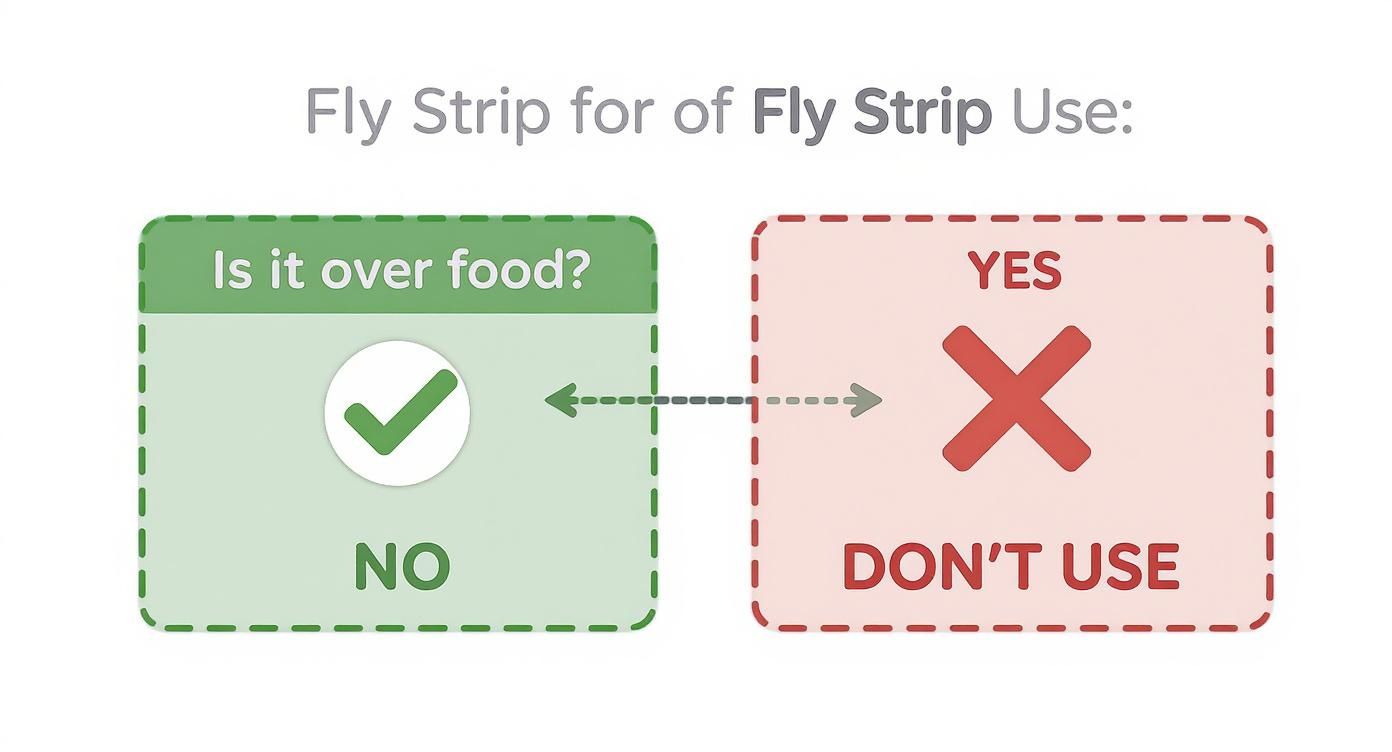
The takeaway is simple but critical: you must maintain a clear separation between your pest control tools and any food. This is non-negotiable for safety and compliance.
Defining Absolute No-Fly Zones
Knowing where not to hang a fly strip is just as important as knowing where to. The risk of a dead fly—or the sticky strip itself—falling into food is a major health code violation you can't afford to take.
Under no circumstances should a fly strip ever hang over a surface used for preparing, cooking, or serving food. This is a foundational rule of kitchen sanitation that protects your customers and your reputation.
To ensure safety and compliance, make these areas strict "no-fly zones" for your fly strips:
- Directly Over Food Prep Stations: This includes cutting boards, mixing bowls, and prep counters.
- Above Cooking Equipment: Keep strips far away from stovetops, grills, ovens, and fryers.
- Over Clean Dish and Utensil Racks: Prevent a trapped fly from falling onto sanitized plates, glassware, or silverware.
- Near Exposed Food Buffets or Service Lines: Protect ready-to-eat food by keeping all pest control devices well away from the service area.
Sticking to these clear boundaries ensures your pest control efforts support, not undermine, your food safety standards.
Weighing the Pros and Cons for Your Business
No single pest control gadget is a magic wand. When it comes to using fly strips for fruit flies in a professional kitchen, you have to look at the good and the bad before you hang them up. A clear assessment will show whether they fit your operational standards and food safety commitments.
On the plus side, fly strips are completely non-toxic and silent. You avoid chemical sprays near prep stations and the annoying zap from a bug zapper. They just work quietly in the background.
They also act as a cheap, effective monitoring tool. A quick glance tells you how bad your fly problem is. Are you catching more than last week? Fewer? That visual feedback is useful for gauging whether your cleaning efforts are paying off.
The Drawbacks You Must Consider
The downsides can be significant. The most obvious is their appearance. A sticky ribbon covered in dead flies is gross. It's the last thing you want customers to see, and it can damage the professional image you’ve worked to build.
Beyond aesthetics, there’s a real hygiene risk. If a fly strip is dangling over a prep counter, a dead fly could drop right into a customer's salad. That’s not just a bad look; it's a health code violation. When weighing these risks, many businesses find it helpful to learn about creating effective risk assessment forms to properly evaluate the safety of any new procedure.
Here's the most critical thing to remember: fly strips only treat the symptom, not the source. They catch adult flies but do nothing to stop the eggs and larvae breeding in your drains. A single female fruit fly can lay up to 500 eggs, so trapping adults is like bailing out a boat with a teaspoon.
Finally, they don't scale well. In a small, confined space like a storage closet, a fly strip can be effective. But in a large commercial kitchen with air vents and open doors, its weak scent lure gets lost. It can't compete with the smell of cooking food, and its effectiveness drops.
Weighing the Use of Fly Strips in Foodservice
To make a smart decision, see the benefits and drawbacks side-by-side. Here’s a breakdown of what you're getting into with fly strips in a commercial setting.
| Advantages (Pros) | Disadvantages (Cons) |
|---|---|
| Silent & Non-Toxic: Operates without chemicals or noise. | Visually Unappealing: Strips covered in dead flies look unsanitary. |
| Low Cost: An inexpensive and widely available pest control option. | Contamination Risk: Dead insects can fall onto food or prep surfaces. |
| Easy Monitoring: Provides a clear visual count of the pest population. | Addresses Symptoms, Not Cause: Only traps adults; doesn't stop breeding. |
| Simple to Deploy: Requires no electricity or special setup. | Limited Effectiveness: Less impactful in large, open, or airy spaces. |
While fly strips have a place, they are a minor tool in a much larger pest management strategy. They can help you monitor an issue, but they will never solve it on their own.
Exploring Smarter Pest Control Alternatives
Modern pest control is about more than catching the pests you see. While fly strips for fruit flies might snag a few adults, they do nothing to stop the next generation from hatching. To get ahead of an infestation, you have to move past reacting and start thinking proactively.
Consider professional-grade tools designed for performance and discretion. They are a major upgrade from dangling sticky paper and will keep your space clean and your customers happy.
High-Tech Trapping and Deterrence
Two of the most effective solutions in commercial settings are UV light traps and fly fans. They work quietly in the background, handling the problem without drawing attention to it.
- UV Light Traps: These aren't old-school bug zappers. Modern units use specific ultraviolet wavelengths (usually 365-395nm) that are a magnet for fruit flies. The light lures them inside, where they're caught on a hidden sticky board, keeping the process out of sight.
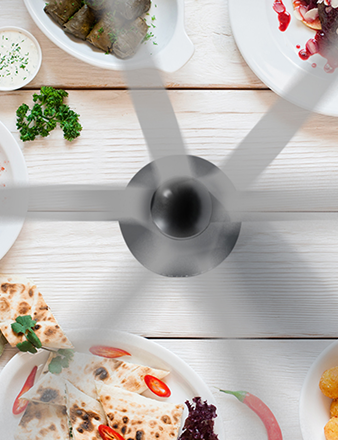
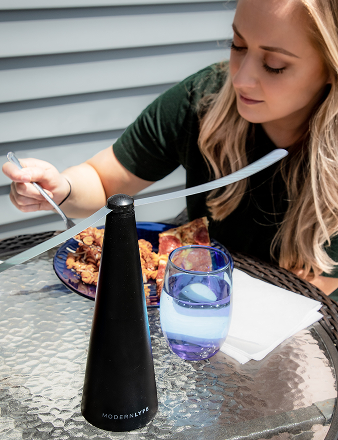
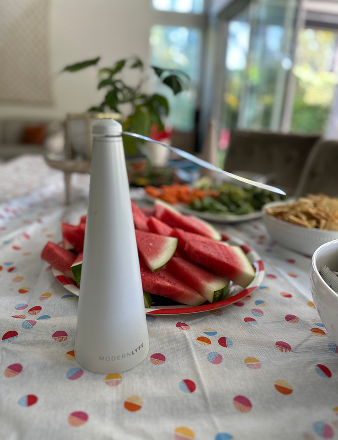
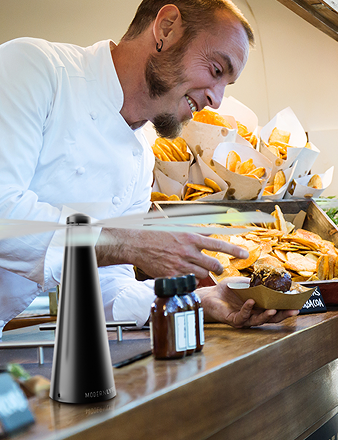
- Fly Fans: This is a different strategy. Instead of trapping flies, these fans use a gentle air current to create an invisible shield over food or dining areas. A fly’s wings are too weak to navigate the turbulence, making it impossible for them to land. You can learn more about using fly fans for food to protect buffets and prep stations.
Both methods offer a more permanent and professional solution than traditional fly strips, helping you maintain a clean image.
Prevention: The Ultimate Alternative
The best tool in your pest control arsenal isn't a device—it's prevention. Traps are your backup plan. Your real goal should be to make your kitchen a place where fruit flies can't survive.
This means cutting off their access to food, water, and breeding sites.
A proactive sanitation plan is the foundation of all successful pest management. By removing what attracts pests, you make your establishment an inhospitable environment for them, drastically reducing the need for traps.
Impeccable hygiene is non-negotiable. If you want a deep dive, explore some effective commercial kitchen cleaning practices that directly target pest attractants.
Focus on these three critical areas:
- Rigorous Drain Cleaning: Don't just pour bleach down the drain. Use enzymatic cleaners that consume the organic gunk where fruit flies lay their eggs.
- Secure Food Storage: Anything that can ferment is a fruit fly beacon. Keep all produce, bar syrups, and vinegars in sealed, airtight containers.
- Diligent Waste Management: Your trash cans need tight-fitting lids. Empty them frequently and wash out the bins themselves regularly.
When you combine smart tools like UV traps with a relentless focus on sanitation, you create a layered defense that turns your business into a true no-fly zone.
Common Questions About Fly Strips Answered
Even with the best plan, questions come up. When you're using fly strips for fruit flies in a busy kitchen, getting the right answers is critical for staying safe and compliant. Here are the most common questions from industry professionals, with direct answers.
Are Fly Strips Safe to Use Around Food Prep Areas?
Absolutely not. Never hang a fly strip directly over a food prep counter, open ingredients, or clean dishes. The risk of a dead fly or adhesive falling into your food is too high and a guaranteed health code violation.
Place them strategically to intercept flies, not hover over food. Hang strips where flies enter or congregate:
- Near back doors and windows where deliveries arrive.
- Around trash cans and recycling bins.
- Close to damp spots like floor drains or mop sinks.
How Often Should I Replace Fly Strips in My Restaurant?
It depends on the severity of your fly problem, but a good rule is to check them daily and replace them at least once a week. In a commercial kitchen, a full fly strip is a hygiene hazard and no longer effective.
Kitchen air is filled with grease, dust, and steam, which quickly coats the strip and makes the glue useless. Swapping them regularly shows attention to detail. A fresh strip is an effective tool; an old one is just more grime.
This simple maintenance goes a long way. A dirty, overloaded strip sends a message that you're not on top of your sanitation.
Do Fly Strips Actually Attract More Flies Into My Place?
No. This is a common fear, but fly strips are designed to attract flies that are already inside. The scent is subtle and only works at a short range.
Think of it as a local trap, not a beacon for every fly in the neighborhood. If you put out strips and suddenly see swarms, it’s not the strips pulling them in. It’s a red flag that you have a serious breeding ground somewhere inside that needs to be dealt with immediately.
What's the Best Way to Dispose of a Used Fly Strip?
Disposing of the old strip is the final, often overlooked, step. You have a sticky ribbon covered in dead bugs, so handle it carefully to avoid a mess.
Follow these simple steps:
- Remove it Carefully: Gently take the strip down. Wear gloves to avoid getting glue on your hands.
- Contain the Mess: Roll or fold the strip so the sticky, bug-covered side is on the inside.
- Wrap It Up: For extra protection, wrap the folded strip in a paper towel or place it in a small plastic bag.
- Toss It Securely: Throw it away in a trash can that has a solid, tight-fitting lid.
This process keeps the used strip from sticking to the inside of your trash bin or attracting new pests to your garbage. It closes the loop on the problem.
Ready to move beyond sticky, unsightly traps and create a truly pest-free space? The innovative fans from MODERN LYFE use a gentle, silent air current to create an invisible barrier, keeping flies away from food and guests without chemicals or traps. Discover a more elegant solution to fly control at modernlyfe.com and protect your reputation with a modern approach.