Getting rid of fruit flies for good isn't about setting out more traps. It’s about being smarter than they are and destroying their breeding grounds. The real win comes from a two-pronged attack: immediate sanitation to remove their food source and proactive prevention to make your space inhospitable. This is how you stop the cycle permanently.
Your Blueprint for a Fly-Free Space
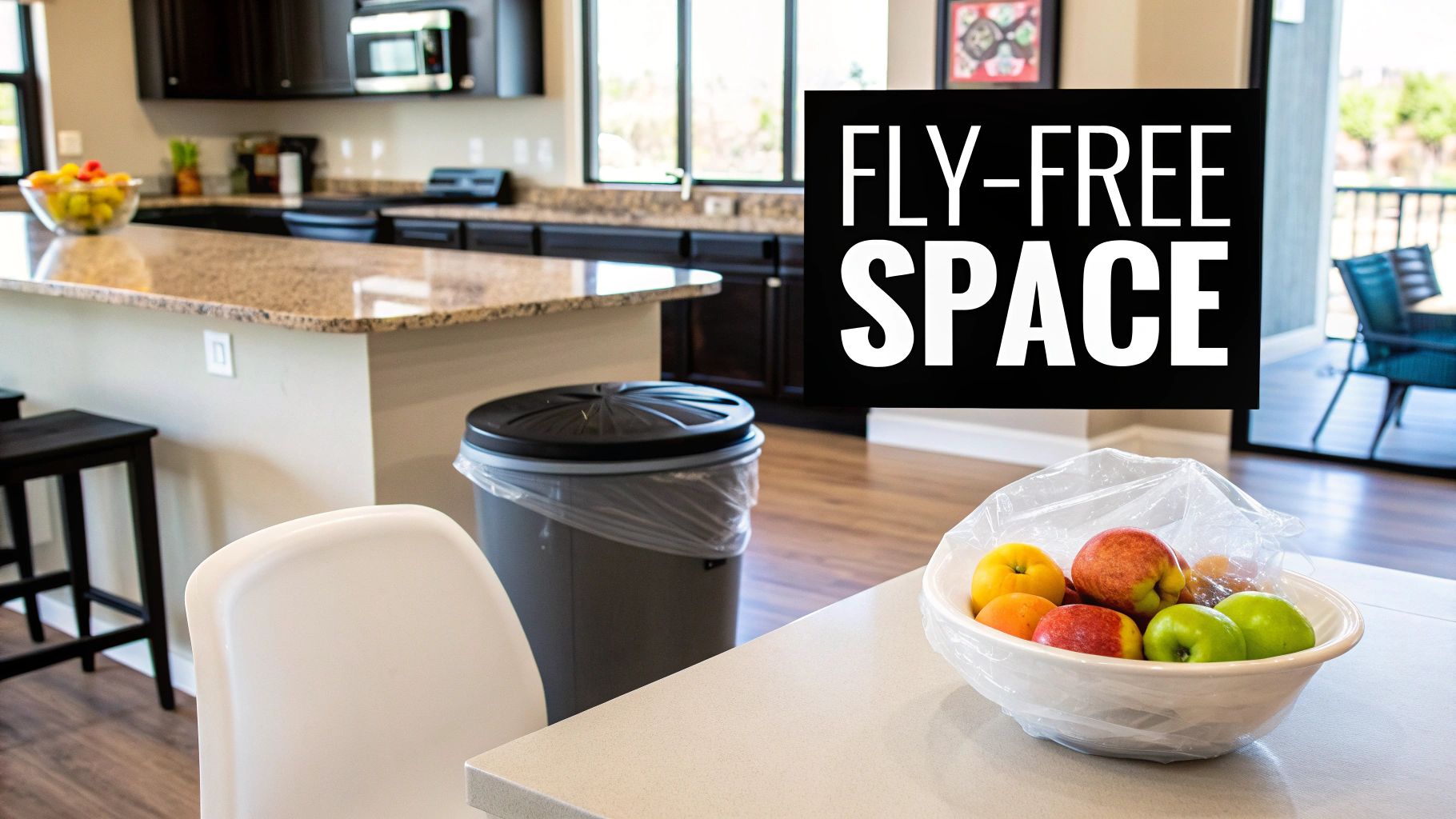
Fighting a fruit fly problem feels like a losing battle. Swat one, and ten more show up. This guide is your blueprint to move past temporary fixes and achieve a lasting solution.
The secret is understanding the enemy. Fruit flies are drawn to more than just ripe bananas. Their entire life cycle depends on finding moist, fermenting organic material to lay their eggs—and they can lay up to 500 at a time. This means their nurseries are often hidden in plain sight.
Uncovering Hidden Breeding Grounds
Success starts with detective work. You need to think like a fruit fly and hunt down forgotten spots where moisture and gunk build up.
Use this checklist to find and eliminate the most common fruit fly breeding grounds.
Fruit Fly Hotspot Identification Checklist
| Hotspot Area | What to Look For | Immediate Action |
|---|---|---|
| Kitchen & Bar Drains | A slimy, organic film just below the drain cover. A musty, sweet smell. | Pour boiling water down the drain, then scrub with a stiff brush and drain cleaner. |
| Garbage & Recycling | Sticky residue at the bottom of the can, especially under the bag. Lingering odors. | Empty the can, then scrub it inside and out with hot, soapy water. Let it dry completely. |
| Damp Cleaning Tools | Sponges, dish rags, and mop heads that stay wet for long periods. | Wring out sponges and rags thoroughly after each use. Store mops head-up in a well-ventilated area. |
| Underneath Appliances | Spills, crumbs, or moisture in refrigerator drip pans or under stoves and dishwashers. | Pull appliances out and deep clean underneath. Empty and wash refrigerator drip pans regularly. |
| Fruit & Vegetable Storage | A single piece of overripe or rotting produce in a bowl or pantry. | Inspect all produce daily. Store ripe fruit in the fridge or a sealed container. Discard any compromised items. |
By methodically checking these areas, you're not just swatting flies—you're destroying their ability to reproduce.
An effective pest control plan is proactive, not reactive. By focusing on sanitation and exclusion first, you dismantle the ecosystem pests rely on, leading to a sustainable, long-term solution.
This approach is a core principle of Integrated Pest Management, a strategy combining multiple tactics for effective control.
A Modern Approach to Prevention
Once the nurseries are clean, the next step is prevention. This means putting up physical barriers to make your space a no-fly zone.
A key part of a fly-free environment is maintaining your building's defenses. A tiny tear in a window screen is an open door for pests. Learning how to repair window screen holes is a simple, crucial step in keeping unwanted guests out.
While they seem like a small annoyance, the global impact of fruit flies is huge. The Mediterranean fruit fly, for example, is one of the world's most destructive agricultural pests. In the Mediterranean Basin alone, uncontrolled infestations would lead to an estimated U.S. $365 million in annual fruit losses. This blueprint gives you the tools to ensure they never become a problem in your space.
Getting to the Root of the Problem: Source Removal and Sanitation
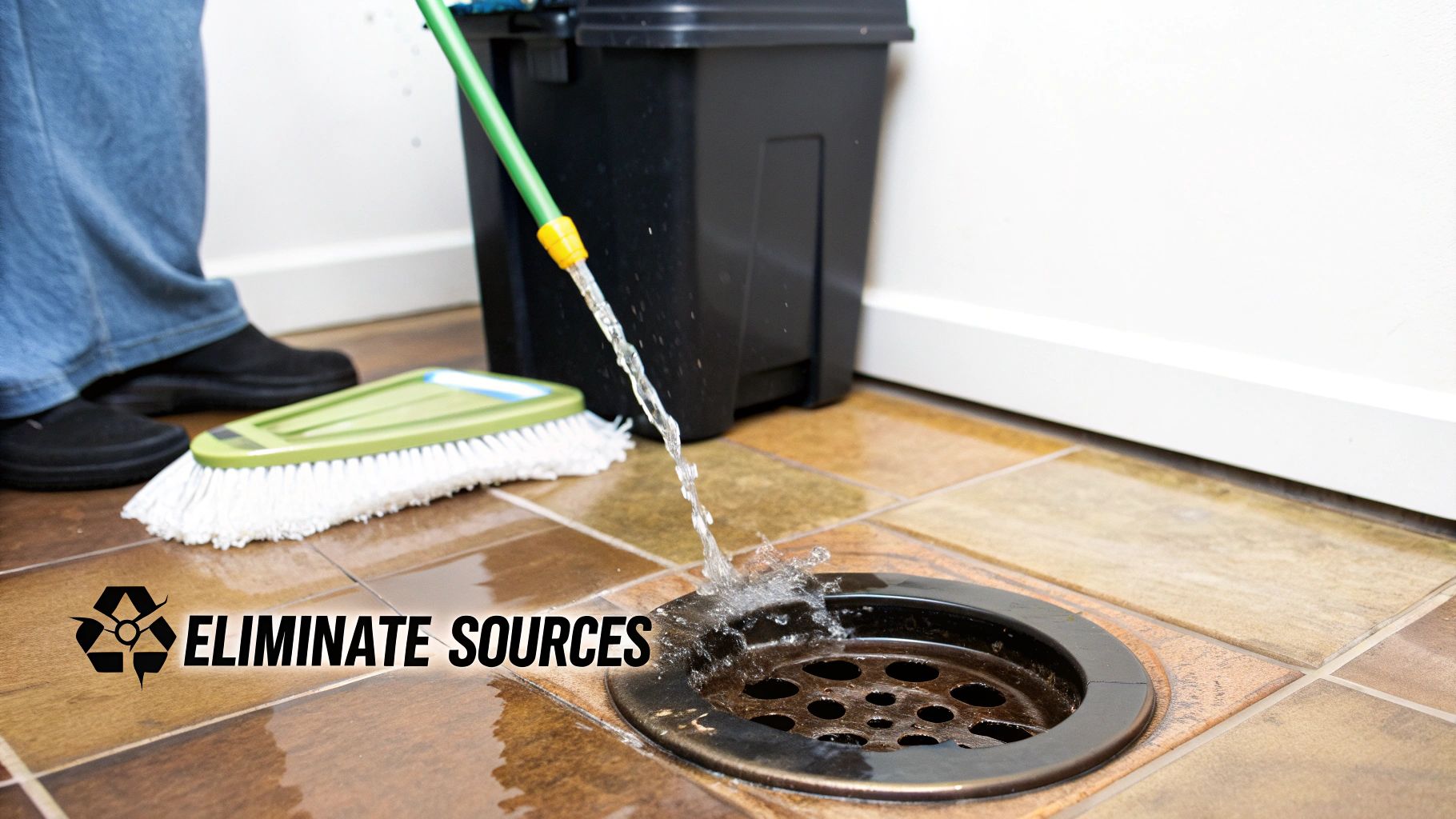
To win the war against fruit flies, stop chasing the ones you see. Real victory comes from destroying the hidden nurseries where they reproduce. While traps catch the current generation, lasting control starts with aggressive sanitation.
It’s about going beyond the fruit bowl and declaring war on the grime, moisture, and organic gunk that let their populations explode.
A single female fruit fly can lay hundreds of eggs, and their life cycle can complete in just over a week. This is why a forgotten patch of fermenting goo can quickly become a full-blown infestation. You have to be relentless.
Where They Really Come From
Fruit flies are incredibly resourceful. All they need is a thin film of organic slime to breed. Their favorite spots are often the places we forget to clean, but they all share one thing: a mix of moisture and decaying matter.
Your hunt should zero in on these targets:
- Drains and Garbage Disposals: The slimy, foul-smelling buildup inside kitchen sinks, floor drains, and bar drains is a five-star hotel for fruit flies. The garbage disposal, with its hidden rubber flaps, is a notorious hotspot.
- Waste Bins: Sticky gunk from a leaky trash bag or spilled soda that pools at the bottom of a garbage can is a perfect breeding ground—even after you've taken the trash out.
- Underneath Appliances: Condensation pans under refrigerators and ice machines are magnets for moisture and dust, creating a sludge that can support a colony. Spills under dishwashers or ovens can do the same.
- Damp Cleaning Tools: Sour-smelling sponges, perpetually damp mop heads, and dirty rags left in a bucket are all potential nurseries.
By shifting your focus from reacting to flies to actively preventing them, you tackle the problem at its core.
An Action Plan for a Deep Clean
Once you’ve found the hotspots, you need a methodical cleaning plan. This isn't just about wiping surfaces; it's about sterilizing their breeding grounds to break the life cycle.
I once worked with a restaurant manager who was losing his mind over a persistent fly issue near the dish pit. The culprit was a slow-moving floor drain. The nightly mopping pushed food debris into the drain, creating a constant food source. The fix was a weekly "drain shock": scrubbing the grate and pipe with a stiff brush, then flushing it with boiling water and an enzyme-based drain cleaner. This wiped out the organic film and stopped the infestation cold.
The goal of sanitation in pest control isn't just cleanliness. It's about strategically removing the three things pests need to survive: food, water, and shelter. Eliminate these, and the environment becomes uninhabitable for them.
Here’s a practical, non-toxic protocol for the most critical areas:
Drain Maintenance
Start by pouring a kettle of boiling water down each drain to loosen gunk. Follow with a half-cup of baking soda, then a cup of white vinegar. Let it fizz for 10-15 minutes before flushing again with more boiling water. For stubborn drains, a long, flexible drain brush is essential for scrubbing the pipe walls clean.
Trash Can Sterilization
Take all your trash cans outside. After emptying them, scrub the inside with hot, soapy water and a degreaser. Pay extra attention to the bottom where liquids pool. Rinse them and let them air dry completely in the sun before bringing them back in.
Appliance Deep Clean
This is the step most people skip, but it's often the key. Carefully pull your refrigerator and other appliances away from the wall. You’ll be surprised at what you find. Clean the floor underneath, and be sure to empty and scrub any drip or condensation pans. Solving a recurring infestation often comes down to this simple task.
This rigorous approach to sanitation is the most important step in your fruit fly elimination plan. Destroy their breeding sites, and you leave them with nowhere to hide and nowhere to reproduce. That’s how you guarantee a lasting, fly-free space.
Using Traps for Immediate Knock-Down
While a deep clean is your long-term solution, it won’t affect the adult flies currently buzzing around. This is where traps come in. Think of them as your immediate response team, intercepting adults and stopping them from laying the next generation of eggs while your sanitation efforts take effect.
But you have to use them smartly. A common mistake is placing a trap right next to a fruit bowl. You’ve just put the trap in direct competition with the real thing. Effective trapping is about using a fly's own behavior against it.
Choosing Your Weapon: DIY vs. Commercial Traps
You have two main options: make your own simple trap or buy a ready-made commercial one. Both have a place in a solid fruit fly elimination plan. The best choice depends on the size of your infestation and its location.
DIY traps are surprisingly effective, cheap, and easy to make. The classic version—a small jar with apple cider vinegar and a drop of dish soap to break the surface tension—works wonders. The soap is key; without it, flies can often land on the vinegar, drink, and fly away.
Commercial traps offer convenience and a more targeted approach. These usually fall into a few categories:
- Sticky Traps: These are non-toxic and work by luring flies to a surface they can't escape. They're great for gauging the severity of the problem and pinpointing hotspots.
- Contained Bait Traps: These typically use a liquid attractant in a discreet, spill-proof container, making them a great choice for customer-facing areas where you don't want an open jar of vinegar.
- Electric Zappers: While effective, these are almost always better for back-of-house or commercial kitchens where the noise and sight of dead insects won't be an issue.
A direct comparison can help you decide which tool is right for the job.
DIY vs Commercial Fruit Fly Traps
| Trap Type | Effectiveness Rating | Best For | Key Considerations |
|---|---|---|---|
| DIY Vinegar Trap | High | Homes, small kitchens, monitoring specific hotspots like a bar sink. | Requires refreshing every 2-3 days to remain effective and avoid becoming a breeding site. |
| Commercial Sticky Paper | Moderate to High | Monitoring activity near windows, drains, and waste bins. | Can be visually unappealing in customer-facing areas. Placement is critical. |
| Commercial Bait Stations | High | Restaurants, offices, and anywhere needing a discreet, low-maintenance solution. | Higher initial cost and requires purchasing refills over time. |
The best strategy often involves using a combination of traps. For a deeper look at different products, our guide on choosing the right fly trap for fruit flies breaks it all down.
The Art of Strategic Placement
Where you put your traps is just as important as what's inside them. You want to intercept flies along their "highways"—the paths between their breeding sites and food sources.
Instead of putting traps right on the countertop full of bananas, place them on the periphery. Set them up near potential entry points like kitchen windows, back doors, or next to the garbage can. This strategy catches them before they get to their main target.
The most effective trap placement creates a perimeter defense. You're not just luring flies away from food; you're capturing them in transit, shutting down their supply routes.
For example, in a restaurant, a great spot is at the end of the bar near the service well drain. In a home kitchen, place one near the sink and another by the compost bin. Watch where the flies hang out; those are your high-traffic zones.
Bait, Maintenance, and Best Practices
For DIY traps, the bait is everything. Apple cider vinegar is the gold standard, but you can increase its appeal. Adding a small piece of overripe banana or a drop of red wine can make your trap irresistible.
Finally, a trap that isn’t maintained can become part of the problem. You must refresh DIY traps every few days. This keeps the bait fresh and, more importantly, lets you dispose of captured flies and any eggs they may have laid. It's a simple but crucial step.
Proactive Prevention With Modern Fly Fans
Once you've scrubbed the drains and set your traps, the mission changes from cleanup to prevention. This is how you create an environment where fruit flies are not welcome, and modern fly fans are a brilliant, chemical-free way to do it.
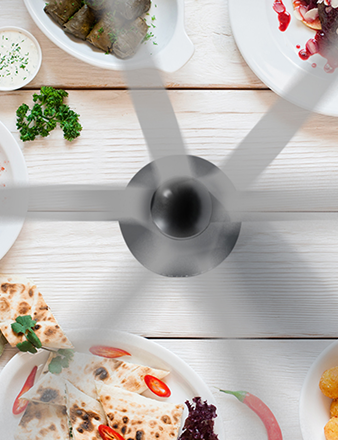
The concept is simple and based on a fly's own biology. The gentle air current from a fan disrupts their clumsy flight path, making it nearly impossible for them to navigate and land on food. It's an invisible barrier they can't cross.
Many of these fans also have blades with holographic or reflective patterns. This isn't just for looks—it scrambles ambient light, creating a confusing visual field that flies instinctively avoid. This combination of air disruption and visual confusion makes them a powerful prevention tool.
Designing Your No-Fly Zone
To use fly fans effectively, you need strategic placement. The goal is to create overlapping zones of protection, leaving no calm air for flies to exploit. The principle is always the same: guard the food.
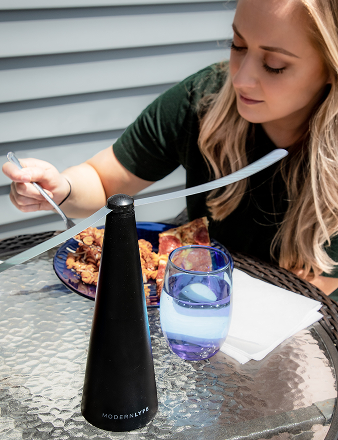
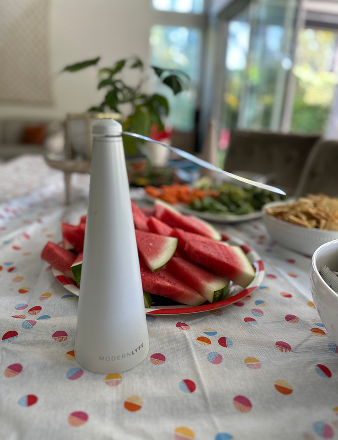
For a typical four-person patio table or a small kitchen island, one fan in the center is usually enough. It creates a protective dome with a radius of about three to four feet.
For larger setups, like a long buffet line, you'll need more. A good rule of thumb is one fan every four to six feet along the table. This ensures the air currents overlap, forming a continuous barrier.
Placement Scenarios for Complete Coverage
Here are a few real-world examples:
- The Backyard Barbecue: Place one fan on the main food table. If you have a separate drink station or dessert table, give it its own dedicated fan.
- The Outdoor Wedding Reception: Assign one fan for each guest table. For the buffet and bar, use the multi-fan strategy—place them every few feet to create an unbroken line of defense.
- The Restaurant Patio: Every outdoor table should have its own fan. It protects the food and signals a level of service that customers appreciate.
While fans are your primary defense, traps are still key for monitoring and catching stragglers.
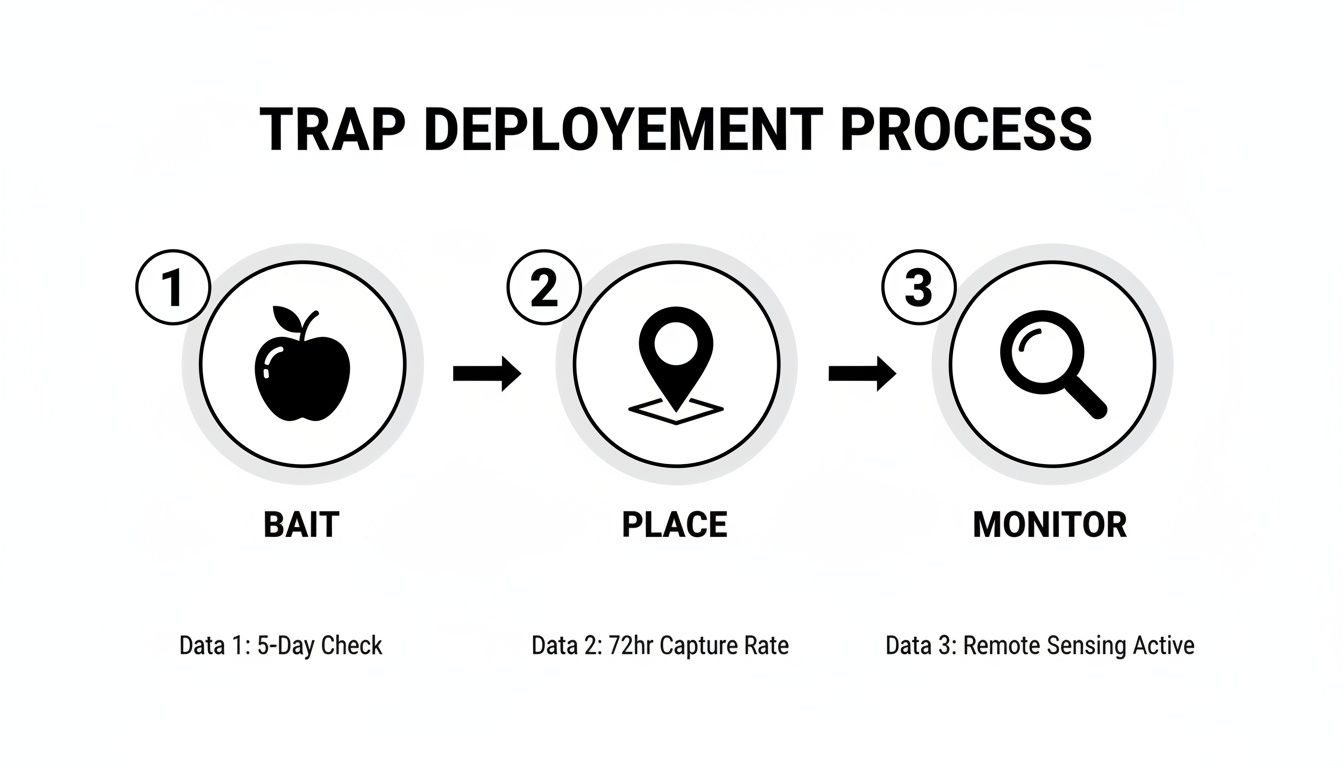
This visual guide breaks down the simple but critical steps of baiting, placing, and checking your traps, which supports your fan-based prevention system.
Creating these protected zones guarantees complete coverage without noise or chemicals. It’s a game-changer. If you're curious about the science, you can learn more about how fly fans work in our detailed guide.
The ultimate goal of prevention is to make your space inhospitable by default. Fly fans achieve this by altering the immediate environment around your food, making it physically impossible for flies to land. It's not about killing them; it's about making your table a place they can't visit.
This shift from a reactive to a proactive mindset is the final piece of the puzzle. When you combine aggressive cleaning with the protective barrier of fly fans, you create a sustainable, long-term defense.
Custom Strategies for Commercial Venues
A fruit fly problem at home is a nuisance. In a commercial setting, it’s a direct threat to your reputation and bottom line. One fly buzzing around a customer’s plate can undermine all your hard work. Eliminating fruit flies in these high-stakes environments requires a tailored plan.
For any business, the fight against these pests is about protecting your brand. From a bustling restaurant patio to an elegant catered wedding, every venue has weak spots that demand a custom strategy.
Restaurants and Bars: The Front-Line Battle
In a restaurant, the bar area is ground zero—a constant buffet of sugary spills, cocktail garnishes, and damp surfaces. Keeping a bar fly-free requires a continuous process, not just a quick wipe-down at closing.
- Daily Deep Clean: Nozzles for soda guns and beer taps must be thoroughly cleaned every day, not just rinsed. The drip trays underneath are a prime breeding ground and need daily scrubbing.
- Secure Your Syrups: Always cap or cover liquor bottles, especially sweet liqueurs, and any syrup dispensers overnight. Screened pourers are a small investment that pays off.
- Garnish Management: All fruit garnishes belong in sealed, refrigerated containers. Anything left over at the end of a shift gets tossed. Never hold it for the next day.
Outdoor patios add another layer of complexity, as you're battling flies from the entire surrounding area. Your best defense is to place Modern Lyfe fly fans on every table, creating individual protective zones for your diners.
For a commercial venue, a single pest complaint can have a massive impact. Proactive, visible measures like fly fans don't just solve the problem—they show guests you take hygiene and their comfort seriously.
Event Planners and Caterers: Pre-Emptive Strikes
For event planners and caterers, the battle is won before the first guest arrives. You don't have the luxury of observing a space for days; you need a rapid-deployment plan that guarantees a fly-free experience.
Start with a rigorous venue inspection. Hunt for potential hotspots: slow-moving drains, dumpsters located too close to an entrance, or nearby landscaping that could harbor pests.
Your setup protocols are critical.
- Elevate and Protect: Use buffet tables to your advantage. Set up a continuous barrier of fly fans, placing one every four to six feet to create an overlapping current of air.
- Waste Management: Position discreet, covered trash cans away from main food areas but still convenient for guests. Assign staff to empty them before they get full.
- Drink Station Defense: Beverage dispensers and open carafes are magnets for fruit flies. Place a dedicated fly fan at each station to keep the area clear.
This proactive approach is non-negotiable for maintaining high standards at weddings, corporate functions, and any large gathering.
Food Trucks and Outdoor Markets: Unique Challenges
Food trucks and vendors at open-air markets face the most intense pressure, as their entire operation is exposed. Success here requires mobility and meticulous sanitation in a compact space.
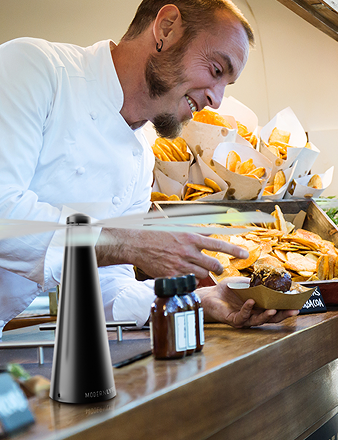
Waste disposal is paramount. Use small, lidded trash cans you can empty frequently. A single large, overflowing bin is a giant neon sign for every fly nearby. You also have to protect your open-air food displays; placing fly fans at the corners of your service window creates an effective air curtain.
In any food-service environment, rigorous cleanliness is key, which includes having specific protocols for maintaining commercial kitchen sanitation.
The core principles of large-scale pest control are proven. California's successful Medfly eradication program combined the sterile insect technique (releasing 250,000 sterile male flies per square mile weekly) with targeted organic treatments. The lesson is the same: combining different, targeted methods is the only way to achieve complete elimination.
Common Questions About Fruit Fly Elimination
Even with the best plan, you might have questions. Getting rid of fruit flies for good often comes down to the details. Here are answers to some of the most common questions.
Why Do Fruit Flies Keep Coming Back After I Clean Everything?
This is the most common frustration. The answer is almost always a hidden breeding ground you haven't found yet. Fruit flies can lay eggs in the tiniest bit of moist, fermenting material. If they’re back within a day or two, it’s time to dig deeper.
Check these sneaky spots:
- The gunk inside the rubber splash guard of your garbage disposal.
- The condensation drip pan underneath or behind your fridge.
- A damp sponge or dishcloth left under the sink.
- Any slow-moving floor or bar drains that aren't flushed and scrubbed regularly.
- The sticky film at the very bottom of a trash can, under the liner.
It doesn’t take much. A single old potato rolled to the back of a pantry can be the source of a new generation. Even overly damp soil in a houseplant can be enough to keep their life cycle going.
Are Fly Fans Safe Around Food and Children?
Absolutely. Safety is at the core of their design, making them a great solution for any setting. The fans are made with soft, flexible blades designed to stop the second they touch anything—a hand, a fork, or a pet's nose.
The beauty of a fly fan is that it's a physical barrier, not a chemical one. It creates a gentle breeze that tiny flies can't fly through. There are no sprays, fumes, or poisons involved, which means there is zero risk of contaminating food, drinks, or the air.
This chemical-free method makes them the perfect choice for any place where people are eating. You get a pest-free zone without the health or safety worries that come with bug zappers or sprays.
How Many Fly Fans Do I Need For My Patio or Event?
This depends on the size of the area you're protecting. The idea is to create overlapping zones of air movement so there are no "calm spots" for flies to land. A single fan typically covers a radius of about 3-4 feet, perfect for a standard four-person table.
For bigger areas, you'll need more than one. Here’s a quick rule of thumb:
- Long Buffet Tables: Place a fan every 4-6 feet to create a continuous wall of air.
- Large Patios or Events: The most effective strategy is to put one fan on each table. That way, every guest and every plate is protected.
Think of it as creating a complete "no-fly zone." A few strategically placed fans can guarantee total coverage.
Can I Also Use Fly Fans Indoors?
Yes, and they work incredibly well inside, especially as a final line of defense in busy spots. While your main indoor strategy should be cleaning and eliminating breeding sources, fans are fantastic for protecting specific areas from any stray flies that sneak in.
Try putting one near an open kitchen pass-through, by a back door that's always opening, or on an indoor bar top. They’re also perfect for guarding a fruit bowl, a dessert display, or a drink station. Because they’re quiet and have a clean, modern look, they blend right in.
For a truly effective and elegant solution to keep your dining areas pristine, trust MODERN LYFE. Our fly fans are designed to provide a safe, chemical-free barrier that protects your food and enhances your guests' experience.
Discover the perfect fly fan for your space at modernlyfe.com