Improving guest satisfaction is about mastering the details that shape the big picture. It’s a relentless focus on proactive service, creating a spotless and comfortable atmosphere, and maintaining seamless communication from booking to checkout. Nail these fundamentals, and you'll create memorable experiences that build loyalty and earn five-star reviews.
What Does the Modern Guest Experience Actually Look Like?
Today, a great guest experience is more than a clean room or a good meal. It’s the sum of every interaction, every sensory detail, and every need your team anticipates. The modern guest expects a journey where every touchpoint feels thoughtful and personal.
Guests no longer compare you just to the hotel down the street. They compare your check-in process to their favorite apps and your customer service to top online retailers. An exceptional experience isn't built on one thing—it’s built on key pillars working in harmony.
Here’s a breakdown of the core components that shape a guest's overall experience.
Key Pillars of Modern Guest Satisfaction
| Pillar | What It Means | Key Action |
|---|---|---|
| Proactive Service | Anticipating guest needs before they have to ask. | Train staff to read situations and offer thoughtful, unprompted help. |
| Curated Ambiance | Creating a comfortable, clean, and inviting environment. | Control lighting, sound, and temperature; maintain impeccable cleanliness. |
| Seamless Communication | Ensuring all interactions are clear, consistent, and friendly. | Use pre-arrival texts, in-person check-ins, and post-stay feedback requests. |
| Responsive Feedback | Actively listening to guests and using their input to make real improvements. | Monitor online reviews and direct feedback to identify and fix recurring issues. |
Mastering these pillars is the only way to create an environment where guests feel genuinely cared for.
The On-Site Experience Is Everything
This is where you win or lose. No amount of marketing can save a poor on-site experience. The data is clear: small details make or break a guest's perception of quality.
Dine-in restaurants lead the industry with a guest satisfaction score of 83 out of 100, far ahead of carry-out and delivery. But that high score is fragile. A single fly buzzing around a table can cause that score to drop by 10%. On the other hand, eliminating pests with discreet solutions can boost positive reviews by 20%. A flawless atmosphere matters.
For more industry data on this, check out the findings from the Restaurant and Food Delivery Study.
Ultimately, a holistic approach isn't just a good idea. In today's market, it's the only way to thrive. For a deeper dive, our guide to restaurant cleanliness standards offers practical advice.
Mastering Proactive Service That Wows Guests
Great service isn't just reacting to requests; it's getting ahead of them. This is how you move from serving people to truly hosting them. Anticipating needs before they're spoken is the magic ingredient that turns a good experience into an unforgettable one.
To get there, empower your team to observe, interpret, and act. Shift your service model from completing transactions to building genuine relationships. When staff are trained to notice the little things, they can turn routine interactions into moments of real connection.
Reading Guest Cues and Personalizing Interactions
It starts with paying attention. The core of proactive service is being observant. Train your team to watch body language, listen to offhand comments, and notice the small details that signal a guest's next need. This isn’t about being nosy; it’s about being present.
A front desk agent overhears a guest on the phone discussing a long, delayed flight. Instead of just handing over a key card, they could offer a room in a quieter part of the hotel or suggest fast room service options. That small gesture says, "I hear you, and I care."
In the dining room, a server sees a couple debating between two entrees. Instead of waiting, she steps in with a personal recommendation, perhaps suggesting a wine pairing. She just turned a moment of hesitation into a confident, enjoyable decision.
Fostering a 'Find a Way to Say Yes' Culture
A proactive team thrives only when they feel empowered to solve problems on their own. This comes from a "find a way to say yes" culture, where the first instinct is to explore what's possible, not list the reasons why it isn't.
"When you empower your team to make on-the-spot decisions to please a guest, you're not just solving a single problem. You're building a culture of ownership and creating brand ambassadors who feel a personal stake in guest satisfaction."
Not every request is possible, but the attitude should always be creative and helpful. If a guest asks for something off-menu, the empowered response isn't a flat "No." It's, "Let me check with the chef and see what we can do." That small shift in phrasing changes the dynamic from a dead end to a collaborative effort.
The Power of Personalized, Responsive Service
Ultimately, this level of service makes every guest feel seen and valued. It's a powerful way to build loyalty and earn glowing reviews. The impact is huge, especially when things go wrong. A staggering 79% of guests will return if a problem is solved quickly and effectively.
This is how to improve guest satisfaction in a way that sticks. Restaurants using data to personalize service see a massive 52-69x ROI on retention efforts—a critical edge in an industry with a 78.8% annual churn rate. You can dig deeper into these numbers in this detailed 2025 report on guest retention.
Proactive, personalized care isn't just a nice touch. It's a core business strategy. By anticipating needs and fixing issues with grace, you build the trust that keeps people coming back.
Crafting an Unforgettable Atmosphere and Ambiance
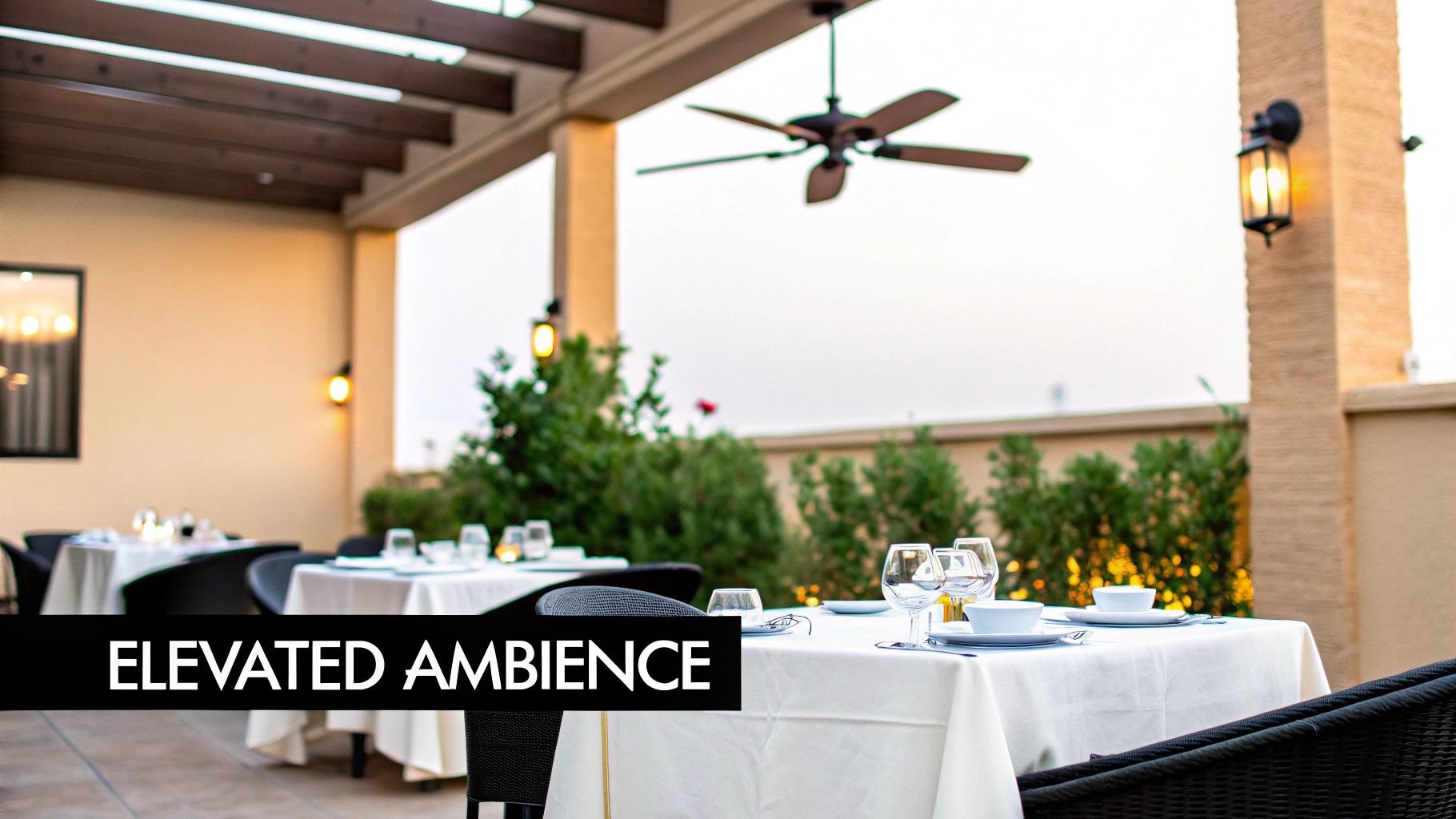
Before a server says hello, your space has already started a conversation with your guests. Your environment is your silent host, constantly communicating your brand's story, attention to detail, and promise of comfort.
A memorable atmosphere isn't just about the right furniture. It’s about choreographing an experience. How a space feels is as important as how it looks. The goal is to design an environment that doesn't just meet expectations but actively makes guests feel welcome and relaxed.
Engaging the Senses Beyond Sight
While looks matter, the best ambiances are multi-sensory. Think of it as composing a symphony where lighting, sound, and even scent work in harmony to set the perfect tone.
The right lighting can make a room feel intimate and cozy or bright and energetic. Sound is just as critical—a well-chosen playlist can fill an awkward silence and make a space feel alive. A subtle, signature scent in a lobby can create a powerful, lasting memory.
A study found that 81% of travelers read reviews before booking a hotel. Time and again, a consistently comfortable and clean atmosphere is one of the most mentioned factors in positive reviews, directly swinging booking decisions.
By appealing to all the senses, you build a rich, textured environment that feels intentional. This is a foundational step in understanding how to improve guest satisfaction.
The Unspoken Rule: Cleanliness and Comfort Come First
Let's be blunt: no amount of beautiful decor can save a space that feels unclean or uncomfortable. Cleanliness is the bedrock of guest satisfaction. It’s a non-negotiable that signals professionalism and respect for your guests.
This commitment must extend to every corner, from the front door to the restrooms. It’s absolutely critical in areas where people gather and dine, like patios and buffet areas. Here, a small oversight can make a huge negative impression.
One of the most common issues is the presence of flies, particularly in outdoor dining or open-air settings. Nothing ruins a fantastic meal faster than swatting at insects. This single annoyance can overshadow everything else you've gotten right.
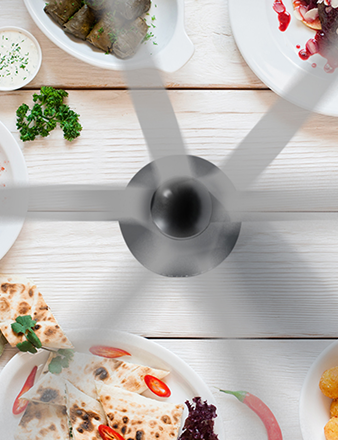
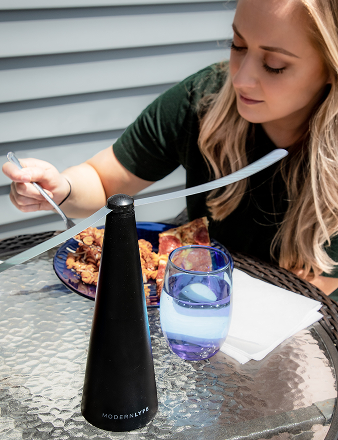
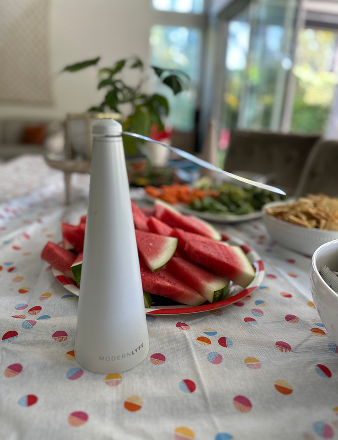
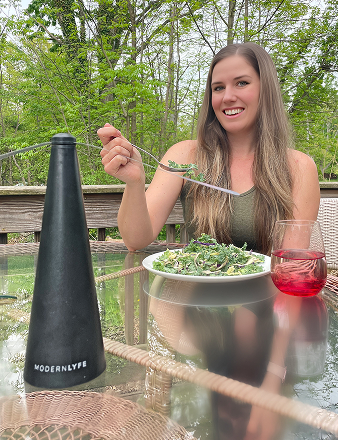
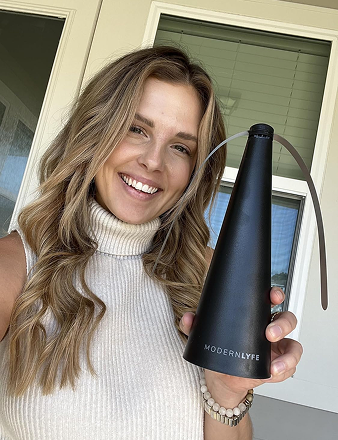
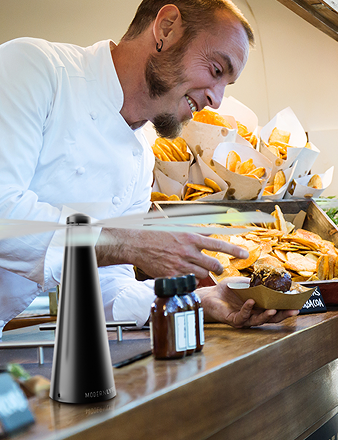
Thankfully, there are elegant solutions. Stylish, quiet fly fans on tables or near buffet stations can keep pests away without loud noises or chemical smells. It’s a simple addition that shows you’ve thought about the details and are proactive about guest comfort. Exploring options for fly control for restaurants is a great place to start.
Your Atmosphere Audit Checklist
To ensure your space always makes the right impression, see it through your guests' eyes. Walk through your property and put yourself in their shoes. What do you see, hear, and feel?
Audit these key areas regularly:
- Lighting Levels: Does the lighting match the mood and time of day? Are there harsh glares or dark corners?
- Soundscape Quality: Is the background music appropriate and at a comfortable volume for conversation?
- Ambient Scent: Does the space smell clean and pleasant, or are there lingering odors?
- Temperature and Airflow: Is it too hot or too cold? Do outdoor spaces have enough air circulation?
- Pristine Cleanliness: Look closer. Check for dust, smudges, and crumbs. Ensure shared spaces, especially buffet lines and outdoor tables, are impeccable and pest-free.
By consistently checking these elements, you maintain an atmosphere that not only looks great but feels great. This dedication is one of the most powerful tools you have for delighting guests.
Nailing Guest Communication and Service Recovery
In hospitality, clear and consistent communication is everything. It's the bedrock of trust, turning a simple stay into a genuine relationship. And when things go wrong, it's your most powerful tool. Great communication is about building a seamless experience where guests feel seen, heard, and valued from start to finish.
This begins long before they arrive—with a confirmation email or pre-arrival text. It continues with a warm welcome and wraps up with a simple "thank you" after they leave. Every touchpoint is a chance to show you care. But the real test comes when something goes wrong.
Turning Setbacks into Comebacks
No operation is flawless. A steak is overcooked, a room key stops working, a reservation gets mixed up. These moments define you. They can either fuel a one-star Yelp review or become a story of incredible service. The difference is how you handle it.
A fast, thoughtful fix can make a guest more loyal than if nothing had gone wrong. It's a proven phenomenon. When you resolve an issue effectively, guests are reportedly 40% more likely to share that positive story. Why? Because you proved you value their business enough to make it right.
To pull this off, your team needs to be empowered. They can't run to a manager for every minor issue. They need a simple, clear framework to follow.
The L.A.S.T. Method: Your Go-To for On-the-Spot Fixes
One of the best tools for service recovery is the L.A.S.T. framework. It's easy to remember, even under pressure, and guides your team through the process with confidence.
Here’s the breakdown:
- Listen: Stop and give the guest your full attention. No interrupting, no excuses. Just listen. Use body language to show you’re engaged. Your goal is to understand how the situation made them feel.
- Apologize: Offer a genuine apology. This isn't about admitting fault; it's about acknowledging their frustration. A simple, "I am so sorry to hear that. I can understand why you're upset," immediately de-escalates tension.
- Solve: Take ownership and offer a clear, immediate solution. Better yet, give them a choice to put them back in control. For a wrong order, you might say, "I can have the kitchen remake this immediately, or get you a different dish on the house while you wait." Empower your team to offer a small token—a free dessert, a round of drinks—to turn the tide.
- Thank: Always thank the guest for speaking up. Treat their complaint like a gift. Saying, "Thank you for bringing this to my attention. This feedback helps us get better," ends the conversation on a positive, collaborative note.
When your team masters this method, they stop dreading complaints. They see them as opportunities to show how much you care and create a loyal guest.
Mastering communication—both proactive and reactive—is a non-negotiable part of improving guest satisfaction. This extends online, too; knowing the right response to negative review can turn public criticism into a powerful marketing moment. When guests feel heard and respected, they build a trust that a single bad experience can't break.
Using Guest Feedback to Fuel Constant Improvement

Exceptional hospitality is a journey of constant refinement. The secret? Stop guessing what your guests want and start listening to what they’re telling you. A smart, responsive feedback system turns one-time visitors into loyal regulars and good reviews into great ones.
Think of it as a continuous loop: gather feedback, find the insights, act on what you've learned, and let guests know you listened. This cycle shows you respect their opinion and are committed to getting better every day.
Making It Easy for Guests to Speak Up
If you want honest feedback, you have to make giving it incredibly simple. People are busy. They won't fill out a complicated survey. Meet them where they are with methods that are quick and easy.
Forget old-school comment cards. Modern feedback channels are all about convenience.
- QR Code Surveys: A small QR code on a receipt, table tent, or menu is a game-changer. Link it to a super-short survey—three questions, max—that guests can complete on their phone before they leave.
- Post-Visit Emails or Texts: Send a friendly follow-up within 24 hours. This is the perfect time to ask for a quick rating or comment while the experience is still fresh.
- Active Social Listening: Your guests are already talking about you online. Use tools to monitor mentions on social media and review sites. This lets you engage with feedback almost instantly.
Making the process seamless pays off. Customers who give feedback via surveys show a 51% increase in review volume, giving you more valuable data to work with.
From Data Points to Actionable Insights
Collecting feedback is just the start. The real value is turning comments and ratings into a clear plan for improvement. Raw data is just noise; you need a system to find the patterns.
Tag and categorize every piece of feedback. Was the comment about food temperature? Service speed? Restroom cleanliness? Once you sort feedback into buckets, trends will emerge. Maybe you notice multiple comments about the patio being too loud, or you see consistent praise for a particular server.
This isn't about overreacting to every comment. It's about spotting recurring themes that point to a systemic issue or a major strength to lean into.
Don't just hunt for problems. Celebrating positive feedback is just as important for morale. When you share a glowing comment about a team member in your daily huddle, you're not just giving praise—you're defining what great service looks like for everyone.
Closing the Loop and Showing You've Listened
This is the most critical and often missed step. You must turn what you've learned into visible, meaningful change. Once you’ve identified a recurring issue, make a plan to fix it.
If multiple reviews mention slow drink service, the action might be to add a barback on weekend shifts. If guests rave about the lobby chairs, maybe it's time to source similar furniture for the rooms.
Then, close the loop. When you make an improvement based on feedback, let people know. A simple sign that says, "You asked, we listened! Enjoy our new and improved Wi-Fi," shows guests their voice matters. It transforms them from customers into partners in your success and is a core strategy for how to improve guest satisfaction for the long haul.
Your 90-Day Action Plan for Better Guest Satisfaction
We've covered the what and why. Now for the how. Implementing these changes is what separates good from exceptional. This 90-day plan turns ideas into action, breaking the process into manageable steps.
We'll start with quick wins—high-impact, low-cost actions—to build momentum from day one.
The First 30 Days: Making an Immediate Impact
This first month is about visible changes and getting your team aligned. These are adjustments guests will notice immediately without a massive budget. The goal is to tackle what every person sees, hears, and feels.
-
Week 1: Service Huddle. Kick off with a team meeting focused on proactive hospitality. Use real-world scenarios. Role-play how to anticipate a diner's indecision or what it looks like to offer a quiet spot to an exhausted traveler.
-
Week 2: Atmosphere Audit. See your space through your guests' eyes. Walk the entire property. Is the lighting too harsh? Is the music a distraction? Make immediate tweaks to lighting, sound, and cleanliness.
-
Weeks 3-4: Implement a High-Impact Upgrade. A small investment here can pay huge dividends. A perfect example is adding sleek, quiet fly fans for your patio or buffet line. It’s a subtle touch that solves a common frustration and shows guests you’ve thought of everything.
The Next 60 Days: Building Sustainable Systems
With initial improvements in place, the next two months are about creating systems that make this new standard last. This is where you build the foundation for long-term excellence.
A mere 1-point increase on a 5-point review scale can let you command an 11% higher daily rate. This phase is about building the habits that earn those higher scores.
-
Month 2: Open Up Feedback Channels. Make it easy for guests to talk to you. Set up QR code surveys and create a template for post-visit emails. Start tracking every piece of feedback you receive. For a deeper dive, check out these actionable strategies to improve customer satisfaction.
-
Month 3: Master the Art of Service Recovery. You need a game plan for when things go wrong. Formally train your entire team on the L.A.S.T. method (Listen, Apologize, Solve, Thank). Give them the power to resolve common issues on the spot.
By the end of 90 days, you'll have started to build a true culture of proactive service and constant improvement. These efforts don't just make current guests happier; they're a magnet for new ones. For more on that, read our guide on https://modernlyfe.com/blogs/articles/how-to-attract-restaurant-customers.
Here’s a simple checklist to keep you on track.
90-Day Guest Satisfaction Implementation Checklist
This timeline breaks down key strategies into concrete tasks for your first three months.
| Timeline | Focus Area | Actionable Task |
|---|---|---|
| Week 1 | Service Training | Host a team huddle on proactive service with real-world role-playing. |
| Week 2 | Atmosphere & Ambiance | Conduct a full guest-perspective "atmosphere audit" and make immediate adjustments. |
| Weeks 3-4 | High-Impact Upgrades | Install a small but noticeable improvement, like discreet table fly fans for outdoor/buffet areas. |
| Month 2 | Guest Feedback | Launch QR code surveys and post-visit email follow-ups. Start tracking all comments. |
| Month 3 | Service Recovery | Train the entire team on the L.A.S.T. method and empower them to solve issues. |
A structured plan takes the guesswork out of improving your guest experience. It ensures you build a strong foundation first, then layer on the systems needed to maintain excellence.
Frequently Asked Questions
You've got questions, we've got answers based on years of experience in hospitality. Here are some of the most common queries we hear.
What Is the Single Most Impactful Way to Improve Guest Satisfaction Quickly?
Focus on physical atmosphere and perceived cleanliness. Guests notice these things immediately, and small details make a huge difference.
Address common irritants. Something as simple as dealing with flies in an outdoor dining area can instantly improve comfort. A quiet, modern solution like a fly fan shows you're paying attention. Combine that with training your team to be more proactive, and you've got a powerful one-two punch that can lift satisfaction scores almost overnight.
How Do I Get More Positive Online Reviews from Happy Guests?
Ask at the right moment and make it simple. The perfect time is right after a fantastic interaction, like when a server has wowed them or you've turned a complaint into a win. A personal invitation to share their experience goes a long way.
Follow up with a text or email that links directly to your review profiles on Google, Yelp, or TripAdvisor. Act within 24 hours while the great experience is still fresh. Never offer incentives for good reviews, but always encourage your happiest guests to share their honest feedback.
A TripAdvisor study found that 4 out of 5 travelers read reviews before booking a hotel. Your online reputation isn't a vanity metric; it's a critical asset.
My Budget Is Limited. Where Should I Focus My Spending for the Best ROI?
With a tight budget, be strategic. Zero in on high-impact, low-cost areas that touch every guest. Your best investment is often in your people—staff training on communication and problem-solving costs more time than money but pays huge dividends.
For physical upgrades, think smart. Instead of a huge renovation, invest in items that directly boost comfort and cleanliness. Solving a persistent problem, like adding stylish fly fans to a patio, is a small spend that significantly improves the experience. Always start by tackling your most frequent guest complaints; that’s where you’ll find the best ROI.
This timeline gives you a practical framework for rolling out your improvements. You can start gathering feedback on Day 1, review your progress by Day 30, and start seeing better ratings by Day 90.
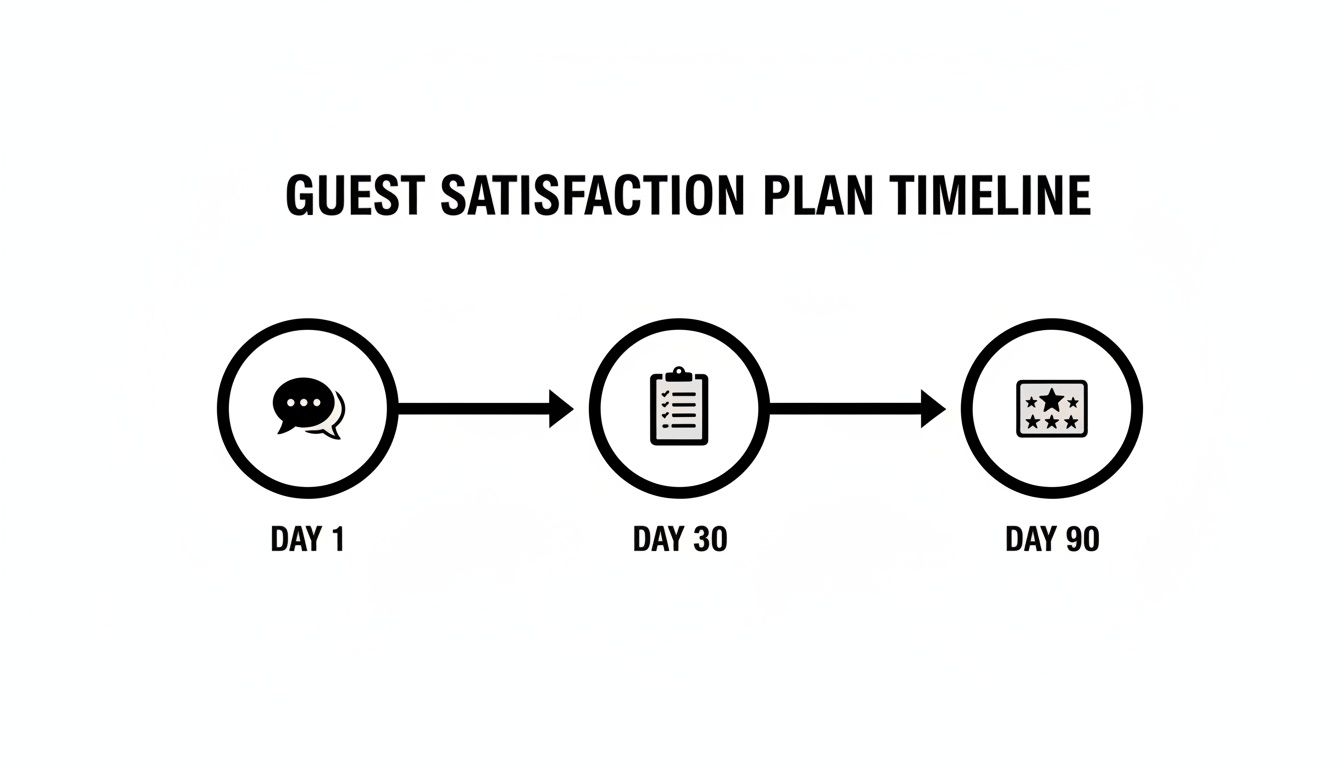
As the graphic shows, a focused, phased approach helps you build momentum and achieve measurable results in just one quarter.
Ready to create an environment where every guest feels comfortable and cared for? Explore the elegant and effective fly fans from MODERN LYFE to keep your dining areas pristine and pest-free. Visit our website to find the perfect solution for your space.