Ever had a perfect outdoor meal ruined by flies? An off bug fan is your simple, chemical-free answer to that exact problem.
Think of it as a quiet bodyguard for your food. It's not a cooling fan. Its job is to create a visual and physical barrier that insects, especially flies, naturally avoid.
The Simple Science Behind a Fly-Free Zone
The magic of an off bug fan is in its simple design, which taps directly into a fly's instincts. No chemicals, no zappers. It just uses a two-pronged approach to create an invisible shield that convinces insects your dining table is off-limits.
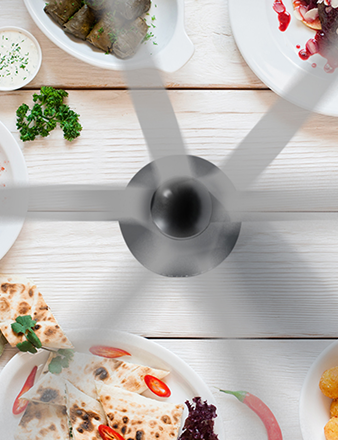
First, it messes with their vision. The fan's soft blades have a special holographic pattern. As they spin, they scatter light in every direction, creating a constantly shifting light show.
To a fly's sensitive compound eyes, this is sensory overload. The shimmering chaos scrambles their ability to navigate, making the area look like a dangerous no-fly zone.
The Power of Gentle Air Currents
On top of the visual trick, the spinning blades create a gentle but persistent air current. You’ll barely feel it, but for a tiny insect trying to land on your potato salad, it's a major obstacle.
Flies need calm air to land with precision. The subtle breeze from the fan makes it incredibly difficult for them to approach and touch down. This one-two punch of visual confusion and physical disruption makes the device so effective.
The goal isn't to blast bugs away. It's to create an environment where they feel too disoriented to even attempt a landing. It’s a passive but powerful form of pest control.
This dual-action system is the secret to its success. By targeting a fly's sight and flight, the fan sets up a powerful deterrent without any noise, smells, or chemicals.
Here's how these features work together.
How an Off Bug Fan Deters Insects
| Feature | Mechanism of Action | Benefit for You |
|---|---|---|
| Reflective Blades | Holographic patterns refract light, creating a disorienting visual field for insects with compound eyes. | Flies become confused and perceive the area as unsafe, so they instinctively avoid your food and drinks. |
| Soft Spinning Blades | Blades generate a gentle air current that disrupts the still air insects need for a controlled landing. | Bugs struggle to land on your table, turning your dining space into an undesirable target without blowing napkins away. |
| Chemical-Free Design | The fan relies entirely on physical and visual deterrence, using no pesticides, baits, or sprays. | You get a completely safe, non-toxic, and odor-free solution that's perfect for use around food, kids, and pets. |
By combining these elements, the fan creates a highly effective, multi-layered defense.
It's a modern solution for protecting your meals, whether you're running a restaurant patio, hosting a backyard barbecue, or enjoying a quiet dinner on your balcony. To dig deeper, see how well fly fans work in our detailed guide.
Why Old-School Pest Solutions Just Don't Cut It Anymore
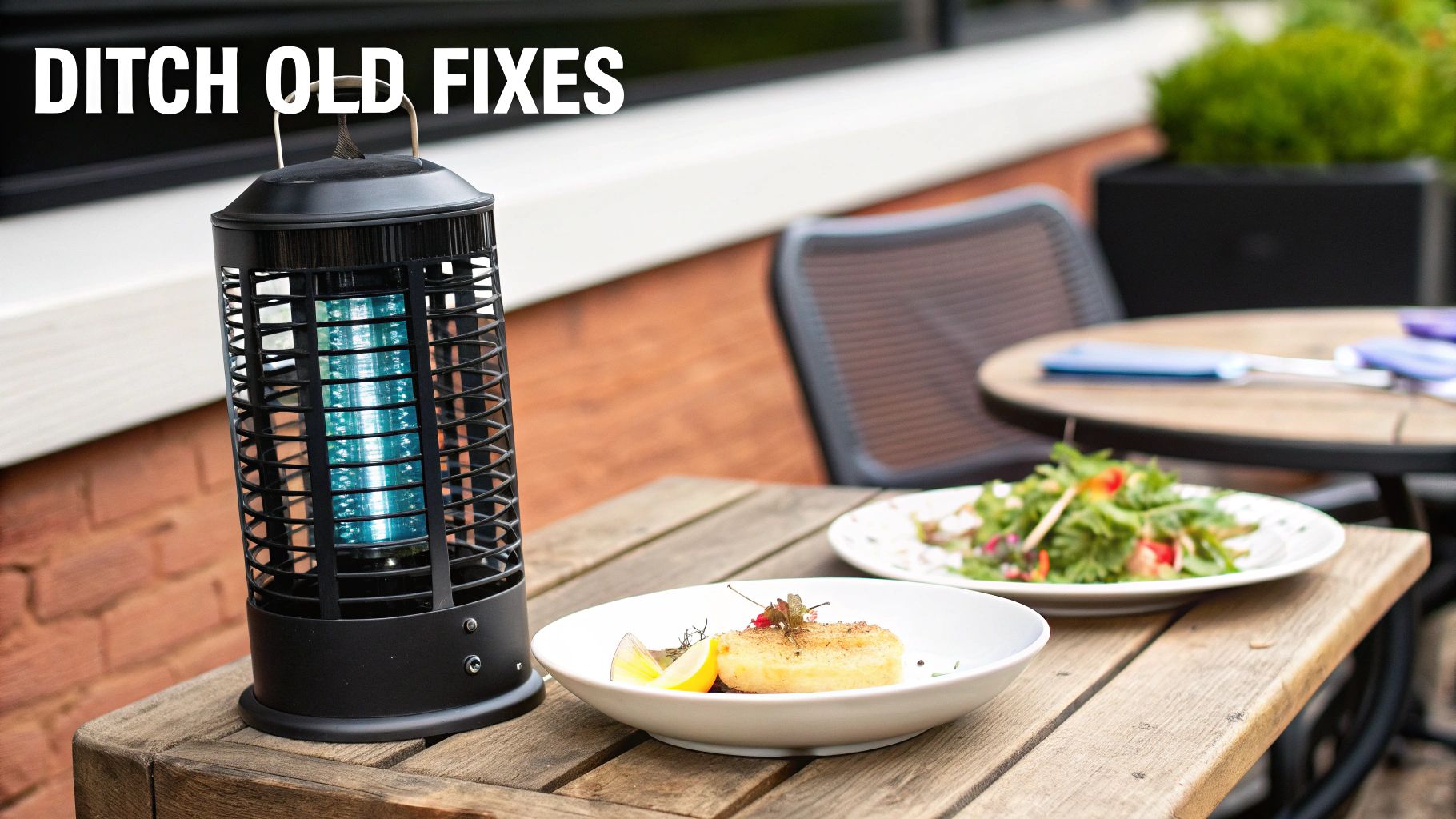
For years, we’ve used the same old tools to keep bugs away. But in today's dining world, those methods feel clumsy. They often create more problems than they solve, undermining the very experience you want to create.
Take the classic citronella candle. It has some charm, but its protective bubble is tiny. Even worse, the heavy, oily scent overpowers the aroma of food, clashing with the meal instead of complementing it.
The Trouble with Zappers and Sprays
Then there’s the bug zapper. That loud "ZAP!" is the last thing anyone wants to hear during a relaxing evening. Besides the noise, watching bugs get fried is hardly appetizing. The process can even spray insect fragments into the air—a serious sanitation issue near food.
Chemical sprays are another problem. The thought of aerosolized pesticides drifting onto plates is a food-safety nightmare. Plus, guests can have allergic reactions, making sprays a real gamble in any professional setting.
Modern guests expect solutions that are effective yet invisible. Today's standard is silent, odorless, and elegant—qualities that traditional pest control can't offer.
These old-school tactics are fundamentally at odds with modern hospitality. They’re intrusive, potentially unsanitary, and not that effective. We need a better way that respects the ambiance and hygiene guests expect.
A Cleaner, Smarter Alternative
This is where the off bug fan shines. Instead of adding unpleasant smells, sounds, or chemicals, it discreetly removes the problem. The fan is silent, its footprint is minimal, and its operation is completely clean.
The pest management market is always looking for smarter tools that put the guest experience first. An off bug fan hits that mark perfectly, creating a bug-free zone without the old-school baggage. It's a modern solution for a modern problem, keeping the focus on the food, drinks, and conversation. You can explore more about the growing demand for specialized solutions in the fan market.
Choosing a fly fan isn't just about shooing away pests. It’s about protecting the entire dining environment. It safeguards your food, preserves the atmosphere, and shows your guests you care about the details. It’s a simple upgrade that makes a world of difference.
Key Benefits for Restaurants and Event Planners
In hospitality, the guest experience is everything. An off-bug fan is a smart, subtle investment that solves a massive headache, turning a good experience into a great one. The most obvious win? A huge boost in guest comfort.
When diners aren't swatting flies, they can relax and enjoy themselves. This often means they stay longer, order another drink, and leave a glowing review. A comfortable guest is a happy guest, and a happy guest is good for business.
Elevating Food Safety and Hygiene
An off-bug fan is also a serious tool for food safety, especially outdoors. Buffets, catered events, and patio food stations are prime targets for insects that carry bacteria. An estimated 40% of foodborne disease outbreaks are tied to contamination where hygiene was a likely culprit.
A single fly can compromise an entire dish. By setting up a fan, you create an effective barrier over your food. It’s a proactive step that protects your menu and shows guests you take their health seriously. That commitment to hygiene sends a powerful message.
A single, well-placed off-bug fan sends a clear message: every detail of your guests' comfort and safety has been considered. It’s a small touch that speaks volumes.
This simple tool helps you maintain sanitary conditions without resorting to smelly chemicals or noisy zappers.
Protecting Your Brand and Bottom Line
Your reputation is built on details. An unobtrusive, silent off-bug fan shows you're thinking ahead. It proves you anticipate customer needs and solve problems before they arise, which directly impacts your brand perception.
This attention to detail pays off:
- Improved Customer Retention: Happy guests return. A pest-free meal is memorable for the right reasons.
- Enhanced Online Reviews: Fewer complaints about bugs mean better ratings on sites like Yelp and Google, attracting new business.
- Increased Perceived Value: When a dining space feels clean, safe, and comfortable, guests perceive the entire experience as higher quality.
For restaurant owners creating the perfect patio, it's all about a complete strategy. Fly fans are one of the most effective solutions for full-service restaurants aiming for total customer satisfaction. This device delivers a great return by boosting your reputation and encouraging repeat business. If you run a restaurant, check out this deeper dive into using fly fans for restaurants.
Choosing the Right Off Bug Fan for Your Venue
Picking the right off bug fan isn’t about finding the best one, but the right one for you. The perfect fan for an upscale patio is different from one needed for a large catering event. Let's match the fan to your specific needs.
The first decision is the power source. Do you need the convenience of rechargeable batteries for daily use, or will standard AA batteries work for occasional get-togethers? For a busy restaurant patio, a rechargeable model is a no-brainer. It's more cost-effective and eco-friendly long-term. For a few backyard barbecues a season, a standard battery-powered fan is a sensible choice.
Power, Noise, and Coverage
Once you’ve sorted out power, consider the environment. Noise level is crucial where ambiance matters. A fine-dining restaurant needs a virtually silent fan. At a lively outdoor market or busy buffet, a little hum won't even be noticed.
The final piece is coverage. A single off bug fan typically creates a bug-free zone of about two to three feet in every direction—perfect for a standard four-person table.
Think of each fan creating a protective "dome" of air. Your goal is to arrange these domes into an uninterrupted barrier over the entire area.
For larger setups like a buffet table, you’ll need more than one. A good rule of thumb is to place one fan every three to four feet. This ensures there are no gaps for flies to sneak through.
It's worth noting that a search for an off bug fan will show many general cooling fans. To understand why a purpose-built model is better, learn about the distinctions in the wider fan market.
This quick comparison will help you decide.
Feature Comparison for Different Scenarios
This table breaks down the key features to consider based on where you'll use your off bug fan.
| Feature | Restaurant Patio | Catering Event | Home Barbecue |
|---|---|---|---|
| Power Source | Rechargeable (for daily, long-hour use) | Rechargeable or long-life AA (for all-day power) | Standard AA (for occasional, shorter use) |
| Noise Level | Whisper-quiet (to preserve ambiance) | Low to moderate (masked by event noise) | Low noise (for relaxed conversation) |
| Mounting | Stable base (for tabletop use) | Versatile (clips, hooks, or stable base) | Stable base (for picnic tables and outdoor furniture) |
| Coverage | Multiple units (1 fan per 2-4 person table) | Many units (1 fan every 3-4 feet on buffet lines) | 1-2 units (for main table and serving area) |
Matching the fan’s features to your situation ensures a pest-free experience. If you’re a business owner, our guide on commercial fly fans dives deeper into making the right investment.
Strategic Placement for Maximum Effectiveness
Owning an off-bug fan is only half the battle. Placement is what truly creates a pest-free bubble. The right spot turns a simple gadget into a highly effective shield for your food and guests. It’s all about strategy.
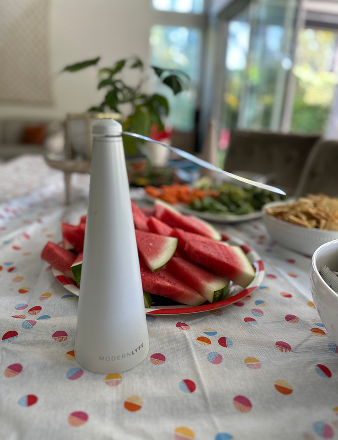
The golden rule is simple: get the fan as close to the food as possible. You want those air currents and reflective blades creating a direct barrier right over the plates. A fan at the far end of a long table won't do much for the food in the middle.
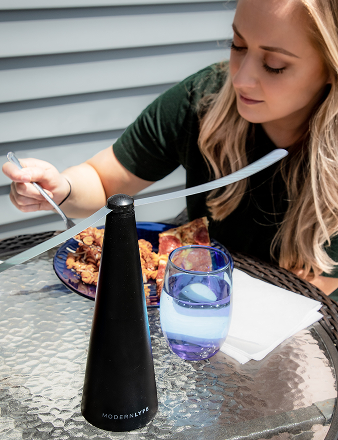
For a typical round table seating four to six people, one fan in the center works perfectly. It creates a protective "dome" over the entire surface. For a smaller two-person bistro table, one fan between the plates is plenty.
Setting Up for Larger Areas
For a long buffet line or large rectangular table, a single fan won't be enough. Your goal is to create a seamless, unbroken "no-fly zone."
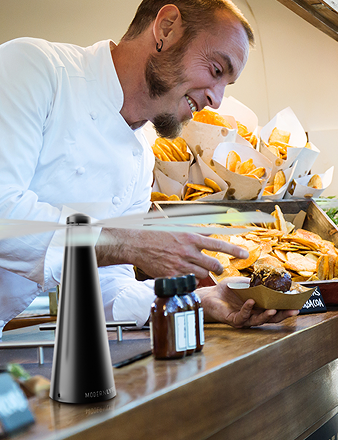
To do this, place one off-bug fan every three to four feet. This spacing allows their protective zones to link up, leaving no gaps for flies to sneak through. For a standard six-foot buffet table, start with one fan at each end.
The most effective setup creates overlapping fields of protection. Think of it as building an invisible, interconnected fence that insects can't cross.
Before placement, think about what you need from the fan itself. This guide breaks it down.
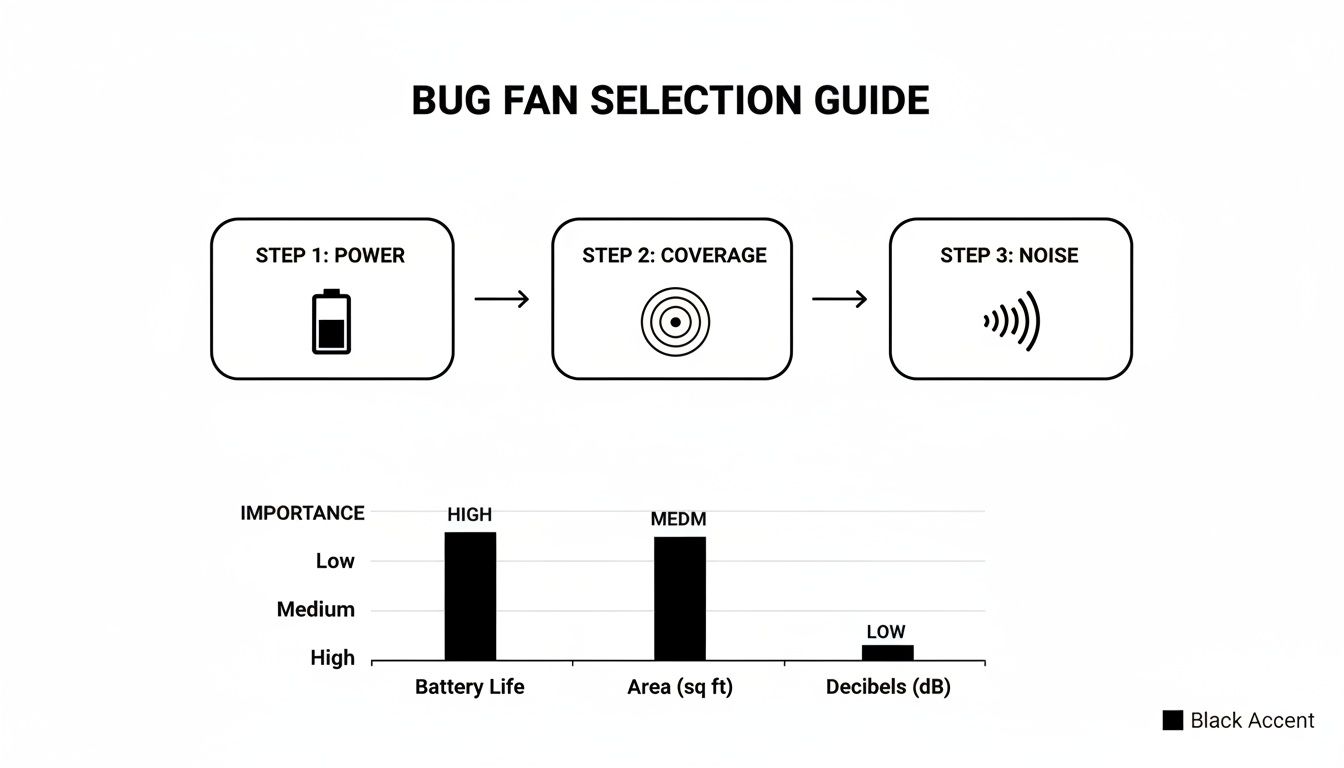
As you can see, matching the fan's power, coverage, and noise level to your needs is the first step. Getting that right makes everything else easier.
Simple Maintenance for Lasting Performance
Once you've nailed the placement, a little upkeep will keep your fans running smoothly. The reflective blades do most of the work, so keeping them clean is key.
A few quick tips:
- Wipe Blades Gently: Use a soft, damp cloth to wipe the blades. Dust and smudges can dull the holographic pattern, making it less effective.
- Check Batteries Regularly: If your fan is battery-powered, keep an eye on them. A fan spinning too slowly from weak batteries won't be as effective.
- Proper Storage: Store your fans somewhere dry when not in use. This prevents damage to the motor and ensures they're ready for your next event.
It’s straightforward, but a little care makes a big difference. As the market for specialized devices grows—see the general cooling fan market trends—knowing how to maintain them becomes even more valuable.
Still Have Questions About Off-Bug Fans?
It's smart to have questions before buying a new gadget. Even with something as simple as an off-bug fan, you want to be sure it’s the right call. Here are answers to the most common questions we get.
This is the final check—clearing up everything from how many fans you need to whether the blades are safe around kids and pets. Let's get you the answers you need.
How Many Fans Do I Need For My Table Or Buffet?
This is our number one question, and the answer depends on your table size.
The rule of thumb is one off-bug fan for a standard four-to-six-person round table. Place it in the middle to create an effective force field over the surface.
For a long rectangular table, like for a buffet, you'll want to create a continuous barrier. Place one fan every three to four feet down the length of the table. This ensures their zones overlap, leaving no gaps for flies.
Are The Fan Blades Actually Safe For Kids And Pets?
Yes, completely. Safety is a core design feature. The blades are made from a soft, flexible material with no hard edges.
They also include "soft-stop" technology. The moment a blade touches anything—a hand, napkin, or curious pet—it immediately stops spinning. There is zero risk of a pinch, making them a worry-free choice for family gatherings and pet-friendly patios.
The blades are designed to bother bugs, not people or pets. Thanks to the soft-stop mechanism, they're perfectly safe to the touch, giving you peace of mind.
This built-in safety is a huge advantage over other pest control options, especially those using chemicals or high-voltage zappers.
Does An Off Bug Fan Work On All Types Of Insects?
These fans are specialists. They’re most effective against common airborne pests like houseflies, fruit flies, and mosquitoes. The combination of reflective patterns and a gentle breeze is enough to scramble their senses and send them elsewhere.
However, it's good to have realistic expectations. They won't do much for crawling insects like ants or larger flyers like bees and wasps. Those insects aren't bothered by the same things. But for keeping the most common food-seeking pests at bay, an off-bug fan is a brilliant and targeted tool for the job.
Ready to enjoy a meal in peace? Check out the full collection of stylish and effective fly fans from MODERN LYFE to find the perfect fit for your home, restaurant, or next event. Stop by https://modernlyfe.com and see how easy it is to protect your food and keep your guests happy.