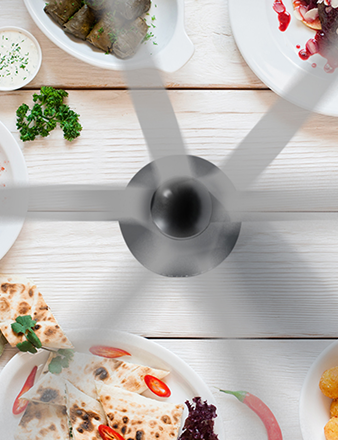
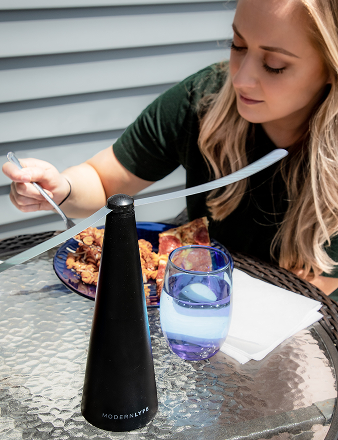
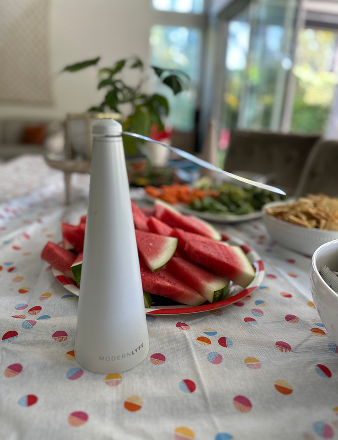
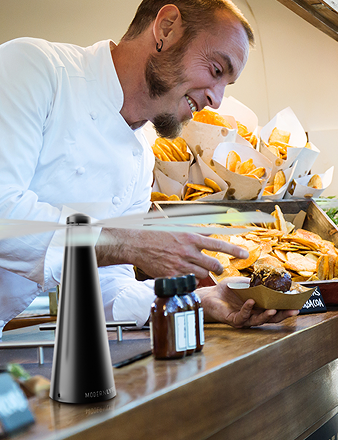
A bug spray fan is your chemical-free solution for protecting food from flying insects. Instead of using sticky, smelly aerosols, these fans create an invisible barrier with a gentle airflow. It’s a simple, effective method perfect for any dining event where food quality and guest comfort are top priorities.
A Chemical-Free Alternative to Traditional Bug Sprays
A pleasant atmosphere is key for any event, but nothing ruins a great meal faster than buzzing flies. For years, chemical bug sprays were the go-to solution, but they come with problems that clash with a quality dining experience.
The potent smell of chemical sprays is off-putting and can easily overpower the aroma of food and drinks. No one wants their meal to taste like bug spray. Beyond the smell, these sprays often leave a sticky residue on tables, chairs, and skin—an unwelcome experience for any guest.
Moving Beyond Sprays
This is where a bug repellent fan shines. It ditches the chemicals for a simple, brilliant principle: consistent air movement.
- It Disrupts Their Flight: The soft, spinning blades generate a current that small insects like flies find nearly impossible to fly through, creating an invisible shield.
- It Protects the Food's Flavor: With no chemicals, nothing can settle onto your dishes. The flavor and aroma remain pure and untainted.
- It Keeps Guests Comfortable: The fan operates silently, without fumes or sticky residue, letting guests focus on their meal and conversation.
A bug fan’s brilliance is in its subtlety. It protects your space without harsh smells or sounds, preserving the sophisticated ambiance you’ve created.
Using a bug spray fan isn't about fighting pests—it's about creating an environment where they simply can't bother you. This proactive approach elevates the entire guest experience by keeping the focus on the food and the company. You can learn more about how a fly repellent fan works and see why it's a clean, quiet, and effective way to keep your dining area pest-free.
Fly Fan vs. Chemical Bug Spray: A Quick Comparison
Here’s a direct breakdown of how fly fan technology stacks up against traditional chemical sprays in a food service setting.
| Feature | Fly Fan Technology | Chemical Bug Spray |
|---|---|---|
| Method | Creates a physical air barrier | Disperses chemical pesticides/repellents |
| Food Safety | 100% food-safe; no contact | High risk of contaminating food and surfaces |
| Guest Comfort | Silent, odorless, and non-intrusive | Strong chemical odors, sticky residue |
| Environmental Impact | Eco-friendly, no airborne chemicals | Releases chemicals into the atmosphere |
| Effectiveness | Highly effective in a defined area | Varies with wind and air circulation |
| Reusability | Reusable for years with simple maintenance | Single-use can; requires repeat purchases |
Ultimately, the choice comes down to prioritizing the dining experience. While chemical sprays offer a quick fix, a fly fan provides a sustainable, safe, and far more pleasant solution that aligns with serving high-quality food.
Where to Place Your Fans for Maximum Fly Protection
Effective use of a bug repellent fan comes down to smart placement. To create an invisible fortress around your food, you need to be strategic. The goal is to create overlapping zones of air that leave no gaps for flies to slip through.
It’s about aiming the fan's power with purpose. One fan might work for a small bistro table, but a long buffet line or a large dining table needs a more calculated setup to build a complete, pest-free perimeter.
This graphic shows the modern, chemical-free way to keep food safe.

The fan acts as a physical shield, completely replacing the need for chemical sprays. This means you can serve food openly without worrying about contamination or pests.
Creating Your Invisible Air Shield
For a long buffet table, a single fan isn't enough. Your goal is to create a continuous curtain of moving air. A good rule of thumb is to place one fan every 3-4 feet. This spacing allows their airflows to overlap, forming a solid barrier that flies can't cross.
For a 12-foot buffet table, you’d set up three or four fans spaced evenly along its length. This creates a powerful, combined defense that keeps everything from the salad bar to the dessert table safe.
For round tables, the strategy is different. You want central coverage that doesn't interfere with conversation.
- Small Round Tables (2-4 guests): One fan in the middle is perfect.
- Large Round Tables (6-8 guests): Place two fans on opposite sides for the best coverage.
Be intentional. Don't just scatter fans around. Position them to create a targeted defense exactly where you need it most.
Doubling Down on High-Attraction Areas
Some foods are magnets for pests. These spots need your strongest defense. Place fans closest to high-value targets.
Flies swarm these items first:
- Meats and Proteins: Freshly grilled burgers, chicken, and fish.
- Sweet Desserts: Cakes, pies, and fruit platters.
- Sugary Drinks: Open pitchers of lemonade or sweet tea.
By positioning a fan directly next to the dessert station or by the grill, you create a powerful micro-climate that shields the most vulnerable dishes. This focused approach is far more effective than random placement.
For more on different models and setups, check out our guide on fly fans for tables and how to use them best. A little planning goes a long way.
Adapting Your Fan Setup for Any Venue
A five-star wedding reception and a bustling food truck both need to be fly-free, but their environments require different strategies. Your fly fan setup must adapt to the unique challenges of the space.
Tailor your approach to placement, power, and logistics to create a reliable pest-free zone, no matter where you're serving.
For Restaurant Patios and Permanent Spaces
In a fixed location like a restaurant patio, integrate the fans into the environment to be effective but almost invisible.
- Consistent Power: Run discreet power cords to permanent stations for uninterrupted operation. This ensures your fans run at full strength all day.
- Strategic Mounting: For outdoor bars, mount fans on small stands or use clamps to elevate airflow and create a wider protective bubble.
- Weather Considerations: Choose durable models and place them where they're shielded from direct rain or heavy wind, which can reduce their effectiveness.
The best permanent installations feel like part of the original design, providing constant protection without cluttering tables or distracting from the atmosphere.
For Caterers and Mobile Events
If you're a caterer or food truck owner, your equipment must be agile. Portability, quick deployment, and power independence are crucial. The best setup is one you can get running in minutes and trust for the entire event.
Your mobile event checklist should focus on efficiency:
- Battery Management is Key: Arrive with every fan fully charged and bring charged spares for longer events. A dead fan mid-event is a disaster.
- Lightweight and Compact: Choose fans that are easy to pack, carry, and set up. Every minute saved during setup is a win.
- Adapt to Any Surface: Events happen on varied terrain. Look for fans with a wide, stable base that won't tip over on uneven ground.
The demand for efficient, portable solutions is growing. The global cooling fan market is projected to hit USD 22.83 billion by 2034, driven by hospitality and events. For North American businesses, this is critical. Health codes are strict, and studies show that proper airflow can slash fly landings by over 70% in food service areas.
Adapting your fan setup means thinking like a problem-solver. Whether you need a robust, permanent system or a nimble, on-the-go solution, the right approach makes all the difference. For more ideas, see our guide on choosing the best commercial fly fans.
Keeping Your Fly Fans Spinning: Power and Maintenance Tips
A fly fan only works when its blades are spinning. A dead battery is an open invitation for every fly nearby. Think of your fans as silent guardians; keeping them powered up is non-negotiable.
For long events, battery life is everything. Fully charge every unit the night before. Don't assume they have juice left from the last gig. The pro move is to have fully charged spare batteries on hand. Swapping them out takes seconds and ensures continuous protection.

This focus on reliable equipment is an industry-wide trend. The market for industrial fans and blowers is projected to hit USD 10,689.7 million by 2025, driven by demand for better solutions in food service. In a restaurant or catering setting, keeping flies off food can cut insect-related waste by up to 30%. You can find more data at cognitivemarketresearch.com.
How to Keep Your Fans in Top-Notch Condition
It's not just about power. Regular cleaning is crucial for performance and food safety. The blades can pick up dust, pollen, and bacteria. A simple maintenance routine keeps them sanitary and helps them last for years.
A clean fan is about food safety, not just appearances. Wiping down equipment after an event protects your guests and your reputation.
A quick post-event checklist is the best way to stay on top of it. It doesn't need to be complex; just a few simple steps will do.
My Go-To Maintenance Checklist
Here's a simple routine for after every event:
- Wipe the Blades: Use a soft, damp cloth and a mild, food-safe sanitizer. Be gentle to avoid damaging the soft-stop blades.
- Clean the Base: The housing and base get grimy. A quick wipe-down keeps the unit looking professional.
- Inspect Battery Contacts: Periodically check the battery compartment for corrosion. Clean contacts ensure a solid power connection.
- Store Them Properly: Don't just toss them in a bin. Store them upright in a clean, dry box so the blades don't get bent.
Making these steps part of your wrap-up routine ensures your fly fans are always clean, charged, and ready to perform. That reliability makes them an indispensable tool.
Creating a Complete Pest-Free Environment
Your fly fans are the MVP of your pest defense, but they work best as part of a team. To create a truly pest-free dining area, you need a multi-layered system that makes your space unwelcoming to insects from the start.
Manage the entire environment, not just the food on the table. When you address what attracts pests, your fans have an easier job, and the atmosphere is more pleasant for everyone.

Perimeter Defense with Natural Repellents
Your first line of defense starts at the perimeter. Instead of chemical sprays, use natural, fragrant plants to discourage insects from getting close. This strategy is both effective and improves the ambiance.
- Aromatic Plants: Place pots of lavender, mint, rosemary, or lemongrass around the edges of your patio or event space. Flying insects dislike the strong scents these plants emit.
- Strategic Placement: Position these plants near doorways, along railings, and around seating area borders to create a natural, fragrant barrier.
This simple move helps keep pests out, letting your fly fans focus on protecting the immediate dining zone.
A well-planned environment is your silent partner in pest control. By managing attractants like trash and light, you reduce the overall insect population, making your fans even more effective.
Managing Common Pest Attractants
A few good operational habits can make a huge difference. Pests are drawn to specific things; manage those, and you're halfway there.
Flies are attracted to food scraps and bright lights.
- Secure Your Trash: Always use trash cans with tight-fitting lids. Place them as far from dining areas as practical to keep smells and bugs away from customers.
- Rethink Your Lighting: Many insects are drawn to bright, white lights. Swap them for warmer, yellow-toned bulbs for ambient lighting, which bugs find less attractive. Aim any spotlights away from tables.
Combine these environmental strategies with the focused protection of your fans to create a complete playbook for a comfortable, hygienic, and pest-free experience.
Still Have a Few Questions About Using These Fly Fans?
Putting new gear into action always brings up practical questions. Getting the details right with these fans is what ensures a flawless, bug-free event. Let's cover the most common questions so you can set up your defense perfectly.
How Many Fans Do I Actually Need for My Table?
This is the number one question. A solid rule of thumb is one fan for every 3-4 feet of coverage. This spacing allows the air currents to overlap, creating a seamless barrier.
Here’s what that looks like in practice:
- A standard 6-foot rectangular table: Two fans work perfectly. Place one about a foot in from each end to create a powerful shield.
- A small bistro table for two: One fan in the middle is all you need.
- A large 8-person round table: Two fans on opposite sides of the centerpiece provide complete, 360-degree coverage.
Imagine the fans creating overlapping circles of protection. You want to eliminate any "lanes" a fly might use to reach the food.
Are the Soft Blades Really Safe Around Kids and Pets?
Absolutely. The blades on a quality off bug spray fan are engineered to be soft, flexible, and completely harmless. They use soft-stop technology, which means the blades immediately stop spinning the moment they touch something—like a small hand or a pet's tail.
This design makes them one of the safest pest control methods for events with children and animals. You can set them on the table without a second thought. As soon as the obstruction is removed, the blades start right back up.
This peace of mind is invaluable. Unlike chemical sprays or zappers, these fans provide a gentle, touch-safe solution that’s perfect for any social setting.
This focus on safe, effective airflow is part of a larger movement. The global centrifugal fans market is projected to hit USD 11.5 billion by 2034. The tech inside these fans often borrows from designs that move a lot of air at low, gentle pressures. Event pros report up to 50% fewer pest interruptions using these fans—a massive win for guest comfort. You can dive deeper into these market trends on fnfresearch.com.
Do Bug Repellent Fans Even Work if It's Windy?
That's a fair question for any outdoor setup. While a strong gust can disrupt the fan's air barrier, a well-made bug fan is designed to handle mild to moderate breezes. Its stable base prevents tipping, and the constant airflow creates a localized protective zone.
In breezier conditions, a few adjustments keep them working effectively:
- Move the Fans Closer: Place the fans nearer to the food to tighten the air barrier where it matters most.
- Add a Reinforcement: On a windy day, adding an extra fan can compensate for the disrupted airflow.
- Use a Windbreak: If possible, set up tables near a wall, hedge, or temporary screen to shield the area from the strongest gusts.
With a little strategy, you can ensure your fans keep everything protected, even when the weather isn't perfect.
Ready to create a sophisticated, pest-free dining experience? MODERN LYFE offers a range of elegant and effective bug repellent fans designed for any occasion. Protect your food and elevate your events with our silent, chemical-free solution.
Discover the perfect fly fan for your needs at modernlyfe.com