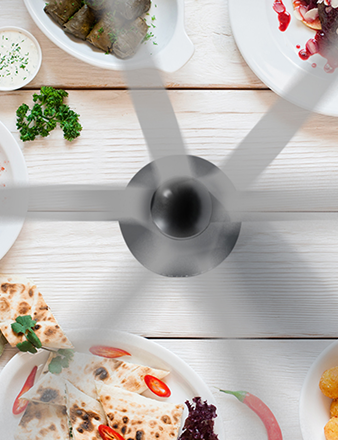
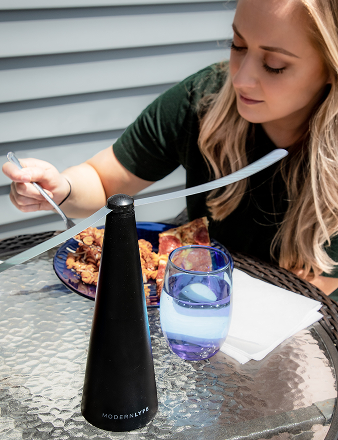
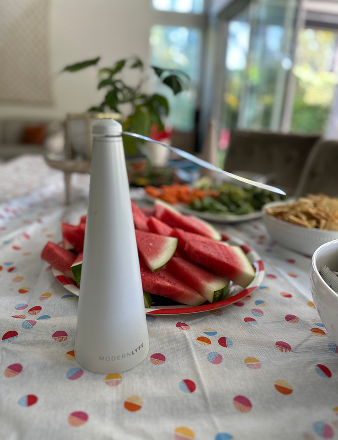
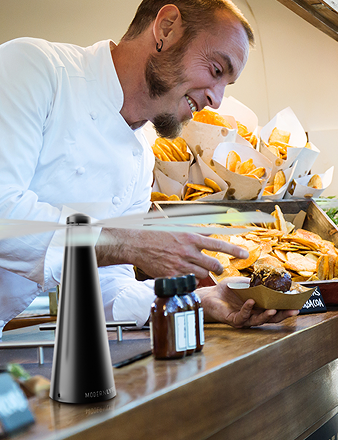
Forget smelly sprays and chemical fogs. The simplest, most effective way to create a bug-free zone is a fan. A steady stream of air creates an invisible barrier that weak fliers like mosquitoes and flies can't handle, making your outdoor space comfortable and pest-free.
Why Airflow is Your Best Weapon Against Bugs
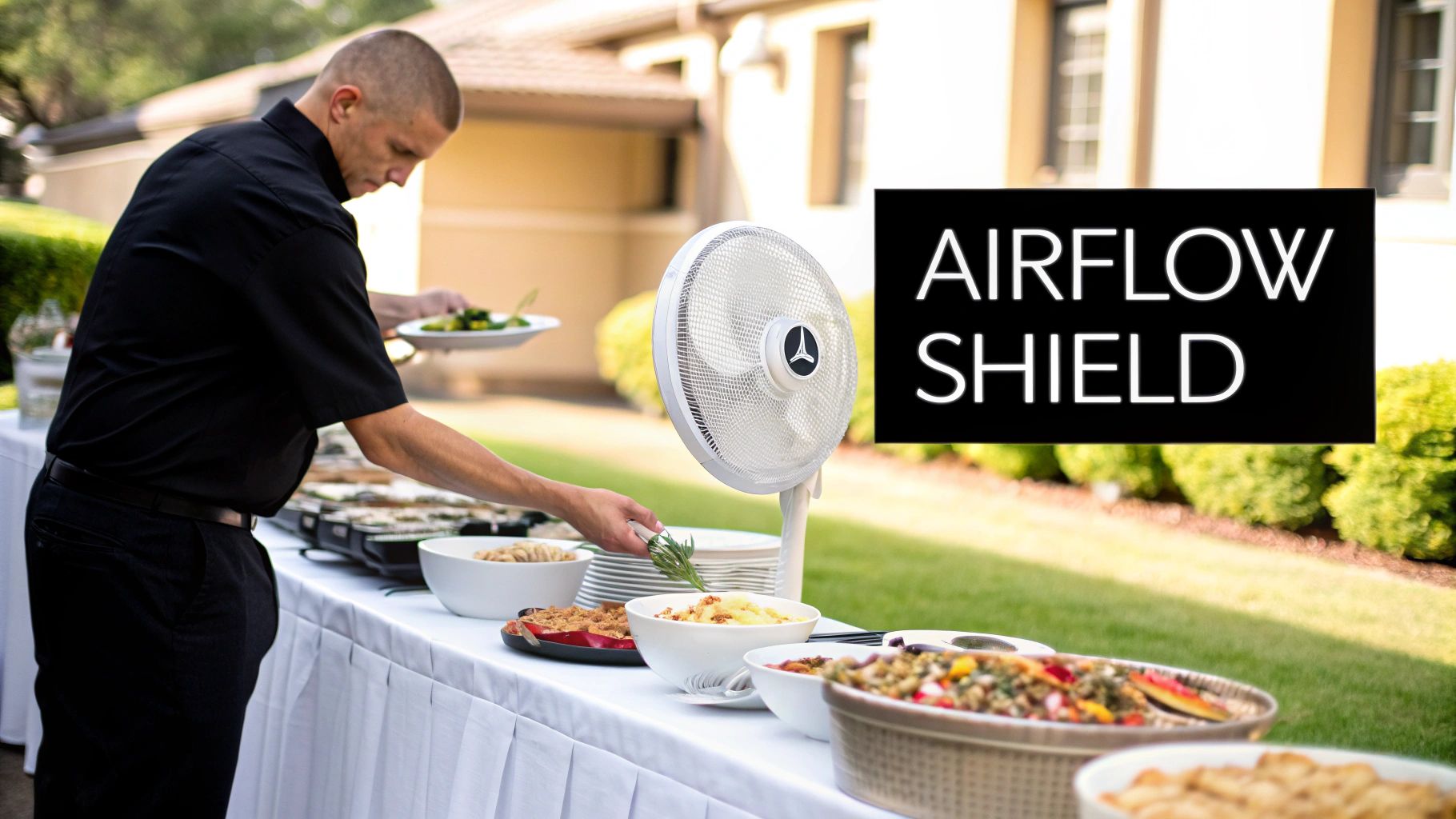
There's a reason professional caterers and savvy homeowners swear by this trick. It isn't a gimmick; it's physics. Mosquitoes are terrible fliers, and even a gentle breeze is enough to throw them off course.
Placing a fan correctly generates a current too strong for them to navigate. You're building a "wall" of air they can't cross, making it almost impossible for them to land on your guests or the food.
The Science of Disruption
It's not just about physical resistance. Airflow works on a smarter level, too. Mosquitoes track the plumes of carbon dioxide (CO₂) we exhale.
A fan's breeze instantly disperses those CO₂ trails, scrambling their signals and making it much harder for them to find you. It's a dual-action approach that makes fans a powerful, often overlooked tool.
Key Takeaway: A fan doesn't just push mosquitoes away. It actively confuses them by scattering the chemical cues they rely on, making you virtually invisible.
More Than Just a Breeze
This chemical-free strategy is part of a larger shift toward effective, non-toxic pest solutions. The market is booming, with the global mosquito-trap segment projected to hit USD 824.4 million by 2035. People want smarter, safer ways to deal with pests.
While a strong airflow is your best defense, consider adding complementary solutions like insect and fly screens for truly bug-proof events. A layered defense is always a winning strategy.
Now, let's get into choosing the right fan, mastering its placement, and keeping it powered for your entire event.
How to Choose the Right Mosquito-Repelling Fans
Picking the right fan isn't just about grabbing the most powerful model. It’s about being strategic. The goal is a reliable, pest-free zone, and the right features make all the difference.
The single most important feature is adjustable speed settings. You're not creating a wind tunnel; a steady, gentle breeze is more than enough to stop weak fliers like mosquitoes. As a bonus, lower speeds mean longer battery life and less noise—crucial for a pleasant atmosphere.
Versatility in Mounting and Placement
Think about where you'll put these fans. A fan is only as good as its position, which is why mounting options are so critical.
-
Clip-On Mounts: Your secret weapon for buffet lines and drink stations. Clip them directly onto a table edge, tent pole, or serving cart. Aim the airflow down and across the food to create an invisible barrier that flies won't cross.
-
Sturdy Bases: A must for dining tables and lounge areas. Place fans with a stable base on the ground between chairs or on an end table to generate a gentle cross-breeze. This disrupts a mosquito's flight path before it finds a target.
The best approach is a mix of both. Use clip-on fans for focused protection over food and freestanding models for broader coverage where people are sitting. This layered strategy leaves no gaps.
Balancing Size, Power, and Noise
Bigger isn't automatically better. Small, portable fans are often the smarter choice because they're quieter and less obtrusive—perfect for placing on a dining table without being a nuisance. Larger fans cover more area, but they can be too loud or create an uncomfortably strong wind.
A common mistake is buying one huge fan instead of several smaller ones. Multiple fans create overlapping zones of air movement, eliminating the still "dead spots" where pests sneak in. Think of it as building a layered fence instead of one tall wall.
The market for these devices has exploded. Global production of mosquito-killer devices has reached an estimated 150–200 million units annually from major players alone. This flood of options means you can find a fan perfectly suited for your needs.
Ultimately, you can't compromise on durability and battery life. Look for fans built from tough materials that can handle outdoor use. A long-lasting, rechargeable battery is non-negotiable; it prevents headaches and ensures your protective breeze doesn't quit halfway through dinner.
For a detailed look at our favorite models, read our guide on the best outdoor fan for mosquitoes.
Mastering Strategic Fan Placement
Don't just scatter fans and hope for the best. Placement is the secret to creating a pest-free zone. Think of it as building an invisible shield that weak fliers like mosquitoes and flies can't penetrate. It’s all about creating an intentional, overlapping airflow that protects your guests and food from every angle.
The goal is to build an "invisible wall" of air—a bouncer for bugs. One fan in a corner leaves huge gaps. A few thoughtfully placed units create a network of air movement, making it impossible for pests to find a calm spot to sneak in.
Creating Defensive Zones
Your first line of defense should target the places bugs love most: buffet tables, drink stations, and appetizer spreads.
For these spots, clip-on fans are essential. Attach them to table edges and angle the airflow down and across the food's surface. This creates a low, steady breeze that's too much for a fly to handle—they simply can't land. For dining tables and seating areas, the strategy is different.
"The aim is to create subtle, intersecting cross-breezes rather than one powerful gust. This gentle but persistent air movement disorients mosquitoes before they can lock onto a target, making the entire area inhospitable to them."
Choosing the right fan for each job is crucial. You have to consider its speed, mount, and size.
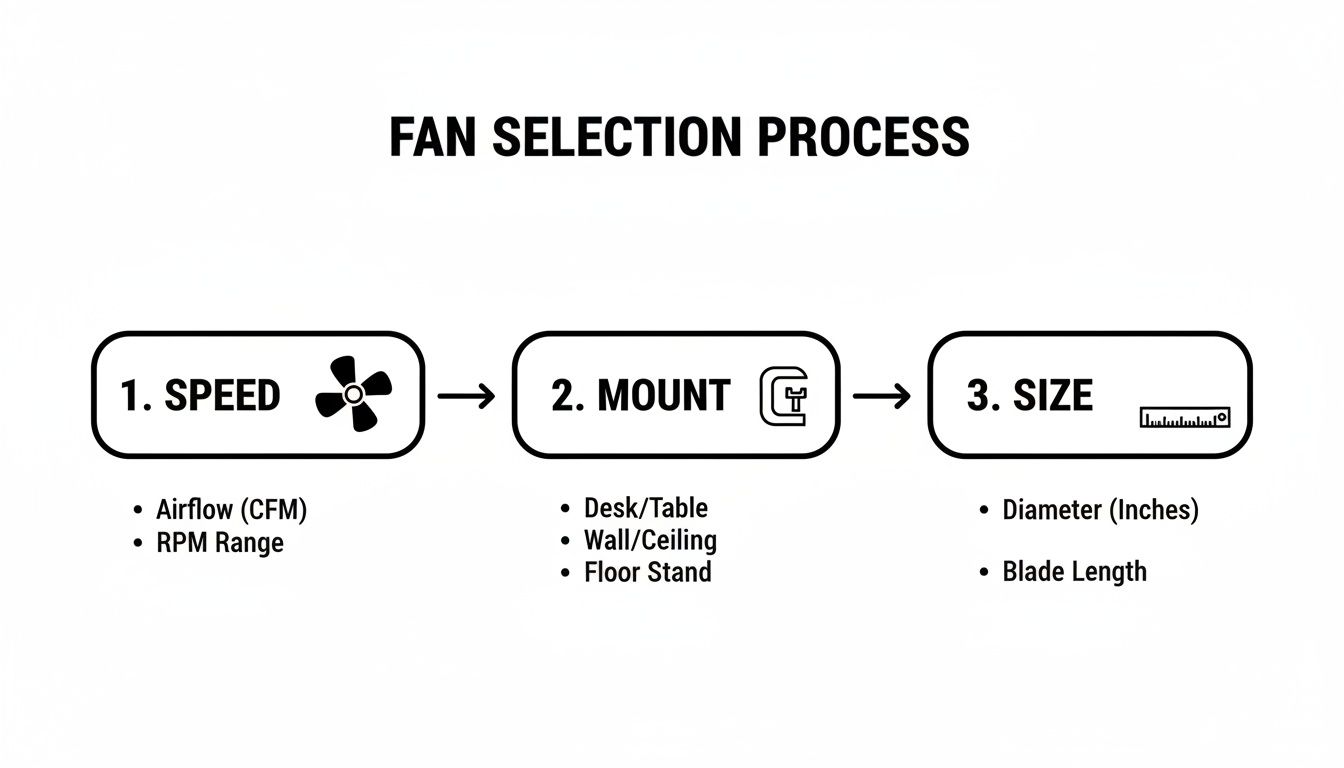
As you can see, it's not about one feature. The best choice is a combination of power, portability, and scale that fits the zone you're trying to protect.
Adapting to Your Environment
Every backyard is unique, so a one-size-fits-all approach won't work. Before setting up, feel which way the wind is blowing. You'll get more out of your fans if you position them to work with the natural breeze, not against it. This amplifies their effect and covers more ground.
The time of day also matters. Mosquitoes are most active at dawn and dusk. During these peak hours, you might need to increase the fan speed or move a fan to cover an area that’s now in the shade. It’s a small adjustment that makes a big difference in creating the perfect backyard atmosphere.
At a recent garden party, I noticed guests on the far side of the patio getting bit as the sun went down. The fan near the house wasn't reaching them. We grabbed a small battery-operated fan, placed it on a side table near their chairs, and the problem was solved instantly. If flies are your main enemy, our guide to choosing an outdoor fly repeller has more specific tips.
Here’s a quick-reference chart to get your settings right.
Optimal Fan Settings for Different Scenarios
| Scenario | Target Pest | Recommended Fan Speed | Optimal Angle |
|---|---|---|---|
| Buffet Line | Flies | Medium to High | Pointing down and across food |
| Seated Dining Table | Mosquitoes | Low to Medium | Creating a gentle cross-breeze |
| Cocktail/Lounge Area | Mosquitoes & Flies | Medium | Aimed at guests' lower legs/ankles |
| Small Patio (4-6 people) | Mosquitoes | Low | Oscillating to cover the area |
This table is a great starting point, but don't be afraid to experiment. A little tweaking based on your specific layout will give you the best results.
Keeping the Fans Running All Day
Your fans are keeping bugs away, but they're only as good as their power source. A dead battery mid-event means your invisible shield against pests comes crashing down. Getting your power strategy right is essential.
You don't want your protective breeze to die just as evening mosquitoes arrive.
It all starts with prep. Before your event, make sure every fan is fully charged. This sounds obvious, but it's the most common and avoidable mistake. Trying to get by on a partial charge is asking for trouble, especially for long events like weddings or all-day backyard parties.
To get the most out of each charge, stick to the lowest effective speed. As we've covered, mosquitoes are weak fliers. A gentle breeze is usually all it takes, and running the fan on high just drains the battery faster for little extra benefit.
Choosing Your Power Source
Your fan's power source makes a huge difference in convenience and long-term cost. While it's tempting to grab disposable batteries, they aren’t a great solution for regular use.
- Rechargeable Batteries: This is the best option. Quality rechargeable batteries, like Lithium-ion or NiMH, provide consistent power and can be reused hundreds of times. It's an investment that pays for itself after just a few events.
- Disposable Batteries: Keep these on hand as an emergency backup only. They’re less reliable for hours of continuous use and create more waste and recurring expense.
Whichever you choose, the golden rule is to have a fully charged backup set for every fan. It's your insurance policy. You might not need it every time, but you'll be glad you have it when you do.
For anyone running a catering business or managing events, a dedicated charging station is a game-changer. Set up an area with a multi-port USB hub or a power strip to charge everything at once. This system ensures every unit is 100% ready to go.
Extending Battery Life in the Field
Even with perfect preparation, a long event can push your batteries to their limits. A few simple tricks can help squeeze out every last minute of power. If you have fans covering different zones, turn off the ones in unused areas to save energy.
I also recommend throwing a portable power bank into your gear bag. It's perfect for giving a fan a quick boost if it starts to run low, saving you the hassle of swapping batteries mid-service. This proactive thinking ensures your protective airflow never quits.
Fan Maintenance and Long-Term Care
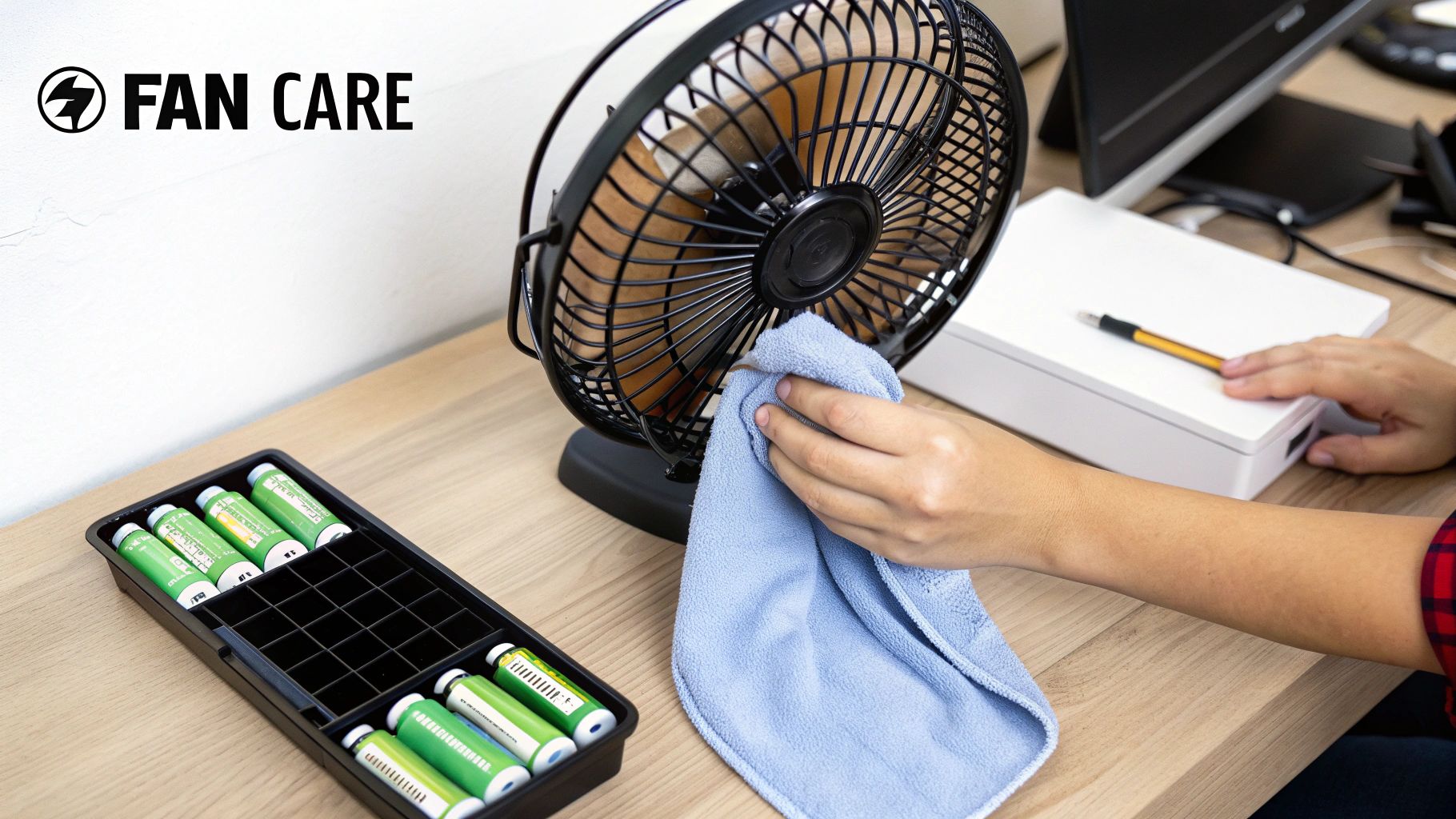
Your fans are only as good as the shape you keep them in. A fan caked in dust isn't just an eyesore; it's a hygiene risk when it’s blowing air over food. A little consistent care will keep them running smoothly for years.
A dirty fan has to work harder, which strains the motor and shortens its life. A quick wipe-down before and after each event prevents buildup and keeps the air clean. It’s a simple habit that protects your gear.
The Quick-Clean Routine
A straightforward cleaning routine is your best defense. Before turning on your fan, run through these steps.
- Power Down: First, make sure the fan is completely off. If it has removable batteries, take them out. Safety first.
- Wipe the Blades: Use a damp microfiber cloth to gently wipe down each fan blade. This removes the fine layer of dust that can end up on food.
- Clean the Cage: The fan guard is a magnet for dust. Give the front and back of the guard a thorough wipe.
- Don't Forget the Base: The base and clips can get surprisingly grimy, especially outdoors where they can pick up dirt or sticky spills.
This whole process takes less than two minutes per fan but makes a world of difference in hygiene and performance.
Pro Tip: Skip the harsh chemical cleaners. A cloth lightly dampened with water is usually all you need. For stubborn spots, a single drop of mild dish soap will do the trick, but wipe it off with a clean, damp cloth so there's no residue.
Smart Off-Season Storage
How you store your fans is as important as how you clean them. Tossing them in a damp shed is a surefire way to ruin them.
When it's time to pack up for the season, give each fan one last deep clean. Let it dry completely, then put it back in its original box or a clean storage bin to shield it from dust and moisture. If your fan uses rechargeable batteries, remove them before storing. Leaving batteries in for months can cause corrosion and wreck the contacts.
Store your fans in a cool, dry place like a closet or a climate-controlled unit. Avoid places like attics or garages where extreme temperature swings can make plastic brittle and damage the motor.
Dealing with Glitches and Staying Safe
Even the best plans can hit a snag. You've set up your fans, but a few stubborn pests are still crashing the party. Don't worry. A quick tweak is usually all you need.
You might notice that smaller insects like gnats are still landing. This is a classic sign that your fan speed is too low. Gnats are lightweight, so a small increase in airflow is often enough to send them packing. Bump the speed up one notch and see if it works.
Finding and Fixing Dead Spots
Ever see one side of a table clear of flies while the other side is getting buzzed? You've found a dead spot—a pocket of still air your fan isn't reaching. This is a common issue when you try to cover too much ground with one fan.
The solution is almost always to add another fan. Instead of blasting one powerful stream of air, create overlapping zones of gentle airflow. A second small fan aimed at the problem area will close that gap and create a much more effective barrier.
My Go-To Trick: To find invisible dead spots, use a lit stick of incense or a thin party streamer. Walk it around the edge of the buffet. If the smoke or ribbon goes limp, you've found a dead spot that needs more air.
A Few Words on Safety
These small fans are incredibly safe, but when you're hosting guests, you can never be too careful, especially with kids around.
Always check for stability. If a fan is wobbling on a tablecloth or uneven ground, find a better spot. For clip-on types, give the clamp a good wiggle to make sure it's secure.
Here are the non-negotiables for any event:
- Check for Wobbles: Ensure every fan is on a solid base or clamped on tight. You don't want a fan tipping over into the food.
- Tame the Cords: If you use a plug-in model, run cords away from walking paths. Gaffer tape can be your best friend for preventing trips.
- Mind Little Fingers: Place fans where curious kids can't reach the blades. Even with safety cages, it's better to keep them out of arm's reach.
Running through these quick checks takes less than a minute but ensures your party is remembered for the great food, not a preventable mishap.
Got Questions? We’ve Got Answers.
Still wondering about using fans to keep pests away? Let's tackle some of the most common questions we hear.
Do I need a special fan, or will any old fan work?
Technically, any fan that moves air can help. But there’s a world of difference between an old box fan and a modern, battery-operated clip fan.
The real advantage is portability and precision. Small, battery-powered fans let you direct airflow exactly where you need it—right over the food or aimed at guests' ankles. You're not stuck hunting for an outlet.
Are fans really safe to use around food?
Yes, and that’s one of their biggest selling points. Fans are one of the safest options for protecting food spreads.
You’re not using chemical sprays, smelly candles, or anything that produces smoke. It’s just air. The only thing to remember is to give the fan blades and casing a quick wipe-down before you set them up to ensure you're circulating clean air.
How many fans do I actually need for my patio or event?
This is the classic "it depends" question, but here's a solid starting point. For a typical backyard patio or a standard 10-foot buffet table, plan on using two to three small fans.
The trick isn't to create a windstorm with one giant fan. Instead, create gentle, overlapping zones of airflow that cover the whole area. This eliminates the calm pockets where flies and mosquitoes hang out.
The key takeaway is this: A few smaller fans working together will always beat one big fan. You'll get better coverage without blowing napkins everywhere.
Ready to set up your own fly-free zone? The innovative fans from MODERN LYFE are designed to be as stylish as they are effective, making them a perfect fit for any gathering. See how they can make a difference at your next event.