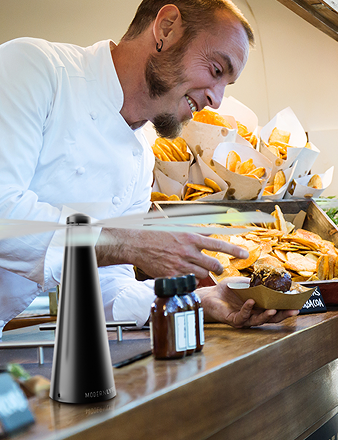
You're probably looking at a patio that almost works. The chairs are there. Maybe the grill is, too. But the space still feels off. Guests bunch up in the wrong spot, servers take awkward routes, buffet food attracts flies, and the whole setup looks more improvised than intentional.
A strong patio doesn't happen because you bought nicer furniture. It works when layout, materials, lighting, traffic flow, and food protection all support the same experience. That matters whether you're running a restaurant patio, styling a wedding venue, or trying to make your backyard feel finished instead of temporary.
Patios are also taking a larger role in how people build and renovate outdoor spaces. In 2023, 63.7% of new single-family homes in the United States included patios, while 17.5% included decks, according to outdoor patio design statistics from EBD Studios. That shift makes sense. Patios are flexible, easier to zone, and better suited to dining, lounging, service, and entertaining.
If you want a bigger framework before choosing a layout, start with this guide to outdoor living space design.
1. Modern Minimalist Dining Setup

This is one of the most useful outdoor patio setup ideas when you want the space to read as premium without feeling busy. Keep the palette tight. Matte black, warm gray, off-white, concrete, teak, and brushed aluminum usually work better than mixing five finishes that compete with each other.
The furniture should be slim, not flimsy. A modern patio look comes together fastest with slim-profile, dual-purpose furniture such as an aluminum two-seater sofa and a stackable coffee table, a combination highlighted in JML's modern patio design guidance. That same guidance favors clean lines, a minimalist aesthetic, neutral palettes, and controlled accent color instead of decorative overload.
What works in practice
For dining patios, I'd rather see fewer chairs with proper spacing than a packed floor plan that forces everyone to shuffle sideways. Modern minimalist patios depend on sightlines. If guests can see across the space, it feels bigger, calmer, and more expensive.
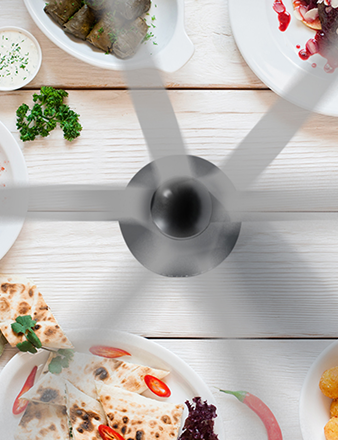
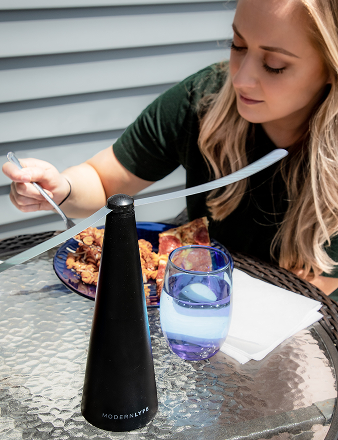
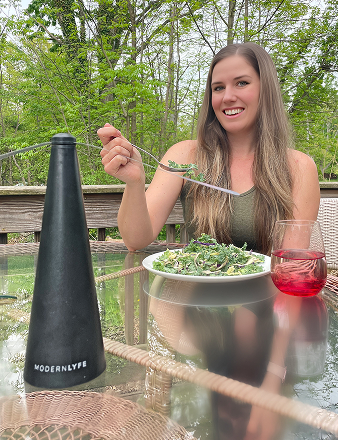
Fly control matters here because sprays and bulky devices ruin the look immediately. Modern Lyfe fly fans fit this style well because they sit low on the table and handle insect pressure without adding visual clutter over the dining surface.
Practical rule: If a decor item doesn't improve comfort, lighting, or service flow, remove it.
Use subtle lighting only where people need it. Edge lighting, small table lamps, and warm wall washes beat oversized string-light webs in this setup. Upscale restaurant patios, rooftop dining venues, and contemporary hotel event terraces all benefit from that restraint.
2. Garden-Inspired Outdoor Dining
A garden patio succeeds when it feels lush without turning into a maintenance problem. Crowding the perimeter with too many pots often results in lost chair clearance and easy cleaning access. It's better to group greenery into planned clusters and leave clear service lanes between tables.
This setup works especially well for farm restaurants, botanical wedding receptions, and Mediterranean-style dining spaces. Herbs near the dining zone add scent and texture. Flowering plants work best at the edge, not right beside plates and glassware where dropped petals become cleanup work.
Build the garden in layers
Use three layers instead of a random mix:
- Low layer: Ground pots, trailing plants, or low border planters
- Mid layer: Dining-height containers, herbs, and flowering accents
- High layer: Trellises, vines, or a living wall on one side only
That last point matters. One vertical green feature creates atmosphere. Four of them make the patio feel enclosed and humid.
Garden patios attract insects because you're combining food, moisture, and plant life in one place. Modern Lyfe fly fans help most when they're placed at shared tables, buffet points, and drink stations instead of hidden in corners where airflow doesn't protect anything meaningful.
Garden style should feel intentional, not overgrown. Guests want greenery around the meal, not in the meal.
Choose plant types for your climate, not for a photo reference from another region. Restaurant owners and homeowners both get better results from hardy, repeatable plant schemes than from fragile seasonal swaps.
3. Lounge-Style Social Hub Setup
If your patio is meant for long conversations, drinks, and grazing plates, stop arranging everything around one central table. Lounge patios work better in clusters. Create two-seater and four-seater groupings, then connect them with low tables that can hold cocktails, small plates, or shared appetizers.
This setup fits rooftop lounges, resort evening terraces, rehearsal dinners, and hotel bar patios. It also solves a common problem in larger outdoor spaces. People don't want to sit in one rigid formation for three hours.
The layout mistake to avoid
Don't push all seating to the perimeter. That leaves a dead zone in the middle and kills energy. Float furniture inward so the center of the patio becomes active, then leave direct walk paths around and between zones.
A linear fire trough along the patio edge creates a sharper focal point than a bulky traditional fire pit, especially when paired with low-profile seating and modular pieces, as noted in Peak Patio Life's modern patio guidance. That combination gives you warmth and flexibility without turning the whole patio rustic.
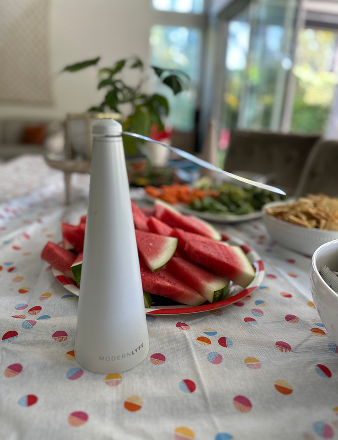
For buffet service or passed appetizers, set Modern Lyfe fly fans near food landing zones, not only on guest tables. In lounge environments, insects usually become most noticeable where drinks sweat, fruit garnishes sit out, and shareable plates remain open longer than they would at a formal dinner.
Use layered lighting after dark. Floor-level lighting defines paths. Small lamps and sconces create intimacy. Overhead lighting should stay soft so the patio feels social instead of clinical.
4. Farm-to-Table Service Setup
Guests should see the food story before the first plate lands. A farm-to-table patio works best when produce, bread, herbs, and finishing ingredients are part of the room, not hidden in the back. The goal is simple. Make freshness visible without turning service into a staged display.
This setup fits vineyard dinners, market-driven restaurants, CSA events, and destination farms. Long communal tables can work well, but only if they leave enough width for platters, water, shared condiments, and comfortable place settings. If that clearance is tight, switch to grouped tables of six to eight. You keep the warm, social feel and avoid the reach-and-pass chaos that slows service.
Where to spend and where to save
Spend on the areas guests inspect up close. Prep counters, plating stations, bread boards, produce displays, and wash-down surfaces need to look clean, solid, and intentional. Save on decorative props that photograph well but get in the way once service starts.
Outdoor cooking remains a major priority for homeowners, according to the 2024 U.S. Houzz Outdoor Trends Study. That tracks with what works in this setup. If the meal is the centerpiece, the prep and serving zone should read like a real working kitchen, not a temporary buffet. For built-in planning ideas, Modern Yard Landscapes outdoor kitchens show the kind of permanent layout that makes farm-driven service feel credible.
Keep the path from prep to table short. Ten to fifteen feet is comfortable for staff carrying boards, cast iron, or family-style platters. Longer runs cool hot food, slow turns, and create traffic jams around guests who are trying to linger.
Open food displays need insect control at the exact points where food sits exposed. Place Modern Lyfe fly fans on produce tables, dessert stations, bread service points, and garnish areas. In this setup, that visible protection matters as much as the practical effect because guests are paying attention to handling standards.
One more trade-off matters. Rustic materials photograph well, but rough tabletops, unfinished wood, and highly textured serving pieces are harder to sanitize between seatings. Use natural-looking finishes with commercial-grade cleanability instead. For hosts who want a related serving-and-grill layout at home, these backyard BBQ setup ideas for outdoor entertaining offer useful examples of how to organize prep, serving, and guest flow.
Train staff to explain provenance in one or two lines. Name the farm, the ingredient, and why it is on the menu today. That lands better than a long speech and keeps service moving.
5. Family Barbecue & Entertainment Zone
Saturday at 5 p.m., the grill is hot, kids are cutting across the patio, someone is looking for plates, and two guests are standing in the cook's path asking when the burgers will be ready. This setup works when movement is planned before anyone arrives.
Build the patio around three working zones: hot, seated, and active. Keep the grill and prep table on one side with at least a few feet of clearance so the cook can turn, plate, and rest trays without backing into guests. Put the dining table close enough for short serving trips. Push games, speakers, and kid activity space to the edge of the patio or onto the lawn so running traffic never crosses behind the grill.
A good visual reference helps. This barbecue layout video shows the kind of practical zoning that keeps backyard gatherings easier to manage:
Keep the mess contained
Family barbecue patios get dirty fast. Grease splatters, drink spills, sauce drips, and wet shoes all hit the same surfaces, so choose flooring and furniture for cleanup first and aesthetics second. Composite decking is a strong fit because it handles frequent washdowns and does not ask for the sanding, sealing, and stain management that wood often does. Pavers can also work well, but crumbs and grease collect in the joints, which means more scrubbing after larger gatherings.
For planning inspiration, these backyard BBQ setup ideas from Modern Lyfe are useful if you're balancing serving space, guest flow, and tabletop pest control. If you want ideas that translate well to temporary food service layouts, these outdoor vendor booth setup ideas for busy serving zones are also worth reviewing. If you're adding cooking infrastructure, Modern Yard Landscapes outdoor kitchens show how built-in prep and grill zones can make the patio function more like a real entertaining space.
Put Modern Lyfe fly fans on buffet tables, condiment stations, dessert surfaces, and kids' snack areas where food sits exposed. Keep them away from direct grill heat and open flame. Set one trash point near the food zone and another near the seating area so cleanup happens naturally instead of piling up on the main table. That small choice keeps the patio usable through the whole event, not just the first hour.
6. Upscale Cocktail Reception Setup
Cocktail receptions fail when the room looks elegant but the service pattern doesn't. Guests shouldn't have to hunt for a drink, crowd one appetizer display, or stand in the path of servers carrying trays. This patio format works best when it feels effortless, even though it's tightly planned behind the scenes.
Think in stations, not one centerpiece. A bar, a secondary beverage point, two appetizer placements, and a few standing-height surfaces usually create smoother movement than one grand table that everyone circles at once.
Make standing feel comfortable
People stay longer when they can alternate between standing, perching, and leaning. Use a mix of high-top tables, ledges, and a small number of low-profile lounge seats at the perimeter. Don't over-seat the patio or guests will camp in one place and the reception energy will flatten.
The global outdoor patios market was valued at USD 33 billion in 2025 and is projected to reach USD 57 billion by 2033, growing at a 6.5% CAGR, according to Future Data Stats on the outdoor patios market. That projection tracks with what venue operators already know. Guests want more polished outdoor social spaces, and owners are investing in permanent or modular patio infrastructure to deliver them.
Use Modern Lyfe fly fans directly on cheese boards, raw bar displays, and passed-appetizer landing tables where visual cleanliness matters most. At an upscale event, guests notice small annoyances faster because the rest of the environment is so controlled.
Service note: If staff have to cut across the guest cluster to refill drinks, the layout is wrong.
7. Casual Food Truck & Market Vendor Setup
This setup is about speed, hygiene, and repeatability. You may only have a small footprint, but customers still judge the space instantly. If the line blocks the service window, condiments are scattered, and the menu board is hard to spot, the whole operation feels less trustworthy.
Keep the front-of-house simple. One clear order point, one pickup point, one visible menu, and one side station for condiments or utensils usually works better than trying to offer every option at the counter.
Packable tools matter more than pretty ones
Food trucks and market vendors need equipment that sets up fast and breaks down without drama. That's why battery-operated fly fans are useful here. They protect food at the service window and on prep-adjacent surfaces without requiring hardwiring or permanent overhead installation.
More than two-thirds of households, 67%, are planning to purchase new outdoor furnishings in the near term, and the U.S. outdoor furniture market reached USD 18.24 billion in 2025, according to AMRA and Elma patio marketing statistics. For vendors, the takeaway isn't residential trend-watching. It's that customers are getting used to better outdoor environments and expect cleaner, more comfortable setups everywhere they eat.
These outdoor vendor booth ideas from Modern Lyfe fit well if you need portable food protection without cluttering the customer-facing setup. Keep prep visible when possible. Customers trust what they can see.
Use bold signage, weighted canopy elements, and compact queue management. Casual doesn't mean disorganized.
8. Mediterranean Alfresco Dining

Mediterranean patios work because they feel relaxed, textured, and sun-warmed without looking messy. Use stone, limewashed surfaces, wood, iron, terra cotta, and woven details. Then keep the seating comfortable enough for a long meal. If the furniture looks right but no one wants to sit through a second course, the style has failed.
This setup suits Italian and Spanish restaurant patios, wine-country dining rooms, villa venues, and Tuscan-style receptions. It also adapts well to homes because it doesn't depend on a huge footprint. Materials do most of the work.
Warm materials need disciplined editing
Pick two dominant materials and one accent. For example, stone and wood with terra cotta as the accent. Once you add patterned tile, wicker, wrought iron, colorful cushions, and heavy drapery all at once, the patio turns theatrical.
Use climbing vines sparingly, olive trees if your climate supports them, and warm lighting that lands low across the table. For service-heavy meals, these outdoor buffet table ideas from Modern Lyfe help keep the food presentation aligned with the rest of the setting.
Modern Lyfe fly fans can blend into this look if you match finishes carefully and place them at buffet edges or shared dining surfaces. The best Mediterranean patios feel easy. Hidden function is part of that illusion.
9. Glamorous Rooftop Event Setup
Guests step off the elevator expecting a skyline moment. What they remember, though, is whether the space felt comfortable, polished, and easy to move through. Rooftops punish decorative excess fast because wind, glare, access limits, and tight service paths expose every weak setup decision.
Start with the view line. Keep tall decor off the perimeter and away from the first sightline guests get when they enter. Use low-profile lounge seating, narrow cocktail tables, and lighting that frames the edge without competing with it. On a rooftop, the city already does the visual heavy lifting.
Build for wind, service, and guest flow
Furniture needs real weight, not just a heavy look. I avoid lightweight chairs that slide under gusts and table linens that need constant adjustment. Low centerpieces, enclosed candles, and tight floral work hold up better than tall arrangements or loose draping, especially during standing receptions.
Layout matters just as much as styling. Create a few defined zones instead of scattering small groupings across the roof. One clear bar zone, one conversation area, and one photo-friendly edge usually works better than filling every corner. Guests move more naturally, staff carry trays with fewer interruptions, and the setup looks intentional from every angle.
Cleaner furniture lines usually perform better here, as noted earlier in the article. Minimal forms keep the roof from feeling crowded, and they leave more visual space for architecture, lighting, and the skyline. That matters on rooftops where every unnecessary piece reads as clutter.
Use Modern Lyfe fly fans anywhere food or drinks sit exposed for more than a few minutes, especially bars, seafood displays, dessert stations, and bottle-service tables. Place them at the outer edges of service surfaces so they protect the product without interrupting guest interaction. For cooler nights, heat the seating clusters and queue areas instead of trying to warm the entire roof. That approach improves comfort, lowers fuel use, and avoids the common mistake of blasting heat into open air.
10. Sustainable and Eco-Conscious Outdoor Space
A good eco-conscious patio feels intentional the moment guests walk in. The furniture fits the space, the planting suits the climate, and the service plan produces less waste without looking improvised.
This setup works especially well for eco-certified hotels, green wedding venues, organic restaurants, and homeowners who want lower water use and fewer seasonal replacements. It also rewards disciplined planning. Fewer decorative extras means fewer items to clean, store, repair, or replace.

Focus on durability, not slogans
Start with the surfaces and systems that carry the most wear. Reclaimed wood can look excellent, but only if it has been properly sealed and stabilized. Recycled plastic lumber handles moisture well and cuts maintenance, though it usually runs hotter in direct sun and can feel less refined than hardwood. Native planting reduces irrigation and replacement costs, but it needs a layout that respects mature size, drainage, and seasonal appearance instead of treating plants as filler.
Outdoor investment has remained a priority for many property owners, as noted earlier in the article. In an eco-conscious patio, that budget works hardest when it goes into long-life flooring, repairable seating, shade structures that reduce heat gain, refillable serviceware, and planting selected for the actual site conditions.
Waste reduction also needs a service plan. For commercial patios, that can mean clearly placed sorting bins, washable dishware, and table layouts that shorten reset time. For residential spaces, it usually means fewer disposable party supplies, a compost spot that is screened from view, and furniture that can shift from dining to lounge use without buying a second setup.
Modern Lyfe battery-operated fly fans support this approach because they help control insects at food and drink stations without hardwiring power to every table or relying on heavier chemical treatments. Place them where food sits exposed longest, such as buffet corners, dessert tables, and outdoor prep stations.
The best sustainable patios stay in service longer because every choice has a job. That is what makes them look better over time, not just greener on day one.
10-Style Outdoor Patio Setup Comparison
| Setup | 🔄 Implementation Complexity | ⚡ Resource Requirements | 📊 Expected Outcomes ⭐ | Ideal Use Cases | 💡 Key Advantages / Tips |
|---|---|---|---|---|---|
| Modern Minimalist Dining Setup | Medium, precise finishes & integrated tech | Moderate, high‑quality materials, moderate staffing | High aesthetic clarity and hygiene; ⭐⭐⭐⭐ | High-end restaurants, hotel patios, rooftop dining | Use low‑profile fly fans; add subtle warm lighting |
| Garden‑Inspired Outdoor Dining | High, ongoing horticultural maintenance | High, plants, irrigation, skilled caretaking | Warm, lush ambiance; strong sensory appeal; ⭐⭐⭐ | Farm‑to‑table restaurants, wedding venues, garden restaurants | Deploy fly fans near food; choose low‑maintenance species |
| Lounge‑Style Social Hub Setup | Medium‑High, complex layout & circulation | High, extensive seating, AV, layered lighting | High guest engagement and dwell time; ⭐⭐⭐⭐ | Rooftop lounges, corporate events, rehearsal dinners | Position fly fans at buffet/bar; plan clear traffic flow |
| Farm‑to‑Table Service Setup | High, open kitchens & sourcing logistics | High, trained staff, local supplier relationships | High trust and premium perception; ⭐⭐⭐⭐ | Farm restaurants, vineyard events, CSAs | Prominently protect displays with fly fans; tell sourcing stories |
| Family Barbecue & Entertainment Zone | Low‑Medium, simple builds, active oversight | Moderate, grills, games, flexible seating | High participation and casual comfort; ⭐⭐⭐ | Home gatherings, company picnics, reunions | Zone cooking/eating areas; place fly fans at prep stations |
| Upscale Cocktail Reception Setup | High, coordinated service & styling | Very High, premium furniture, staffing, lighting | Strong luxury impression and revenue potential; ⭐⭐⭐⭐ | Wedding cocktail hours, galas, luxury hotel events | Use fly fans on appetizer tables; invest in quality lighting |
| Casual Food Truck & Market Vendor Setup | Low, mobile setup & quick turnover | Low, compact equipment, portable supplies | Flexible, rapid deployment; good ROI; ⭐⭐⭐ | Food truck parks, farmers' markets, festivals | Use battery fly fans at service windows; manage queueing |
| Mediterranean Alfresco Dining | Medium, authentic material sourcing | Moderate, terracotta, wood, climbing plants | Timeless, romantic atmosphere; ⭐⭐⭐ | Italian/Spanish patios, wine country venues, villas | Choose fly fan finishes that blend with warm materials |
| Glamorous Rooftop Event Setup | Very High, safety, wind, structural needs | Very High, structural prep, weighted furnishings | Dramatic views and premium pricing; ⭐⭐⭐⭐ | Luxury hotels, corporate galas, urban weddings | Use wind‑resistant decor; fly fans on service stations |
| Sustainable & Eco‑Conscious Outdoor Space | Medium, systems for sustainability | High initial, recycled materials, solar, composting | Strong brand value and long‑term savings; ⭐⭐⭐ | Eco‑certified venues, sustainable restaurants, green events | Choose battery/solar fly fans; implement composting and education |
Your Next Step to a Perfect Patio
The best outdoor patio setup ideas solve two jobs at once. They make the space look good, and they make it easier to use. That sounds obvious, but plenty of patios lean too far in one direction. They're either visually polished but frustrating to move through, or practical enough to function but too scattered to feel memorable.
That's why the strongest setups start with the same basic questions. How will people move through the space? Where will food land? Where will guests linger? What needs power, shade, heat, or cleanup access? Once those answers are clear, style choices get easier because they're supporting a real use case instead of fighting it.
For restaurant owners and venue operators, that often means building service into the design instead of hiding it as an afterthought. A cocktail patio needs refill routes. A farm-to-table patio needs display surfaces that stay clean and visible. A food truck zone needs queue control. A family barbecue layout needs clear separation between the grill and the play area.
For homeowners, the same logic applies. If your patio has to handle weeknight dinners, birthday parties, and the occasional big holiday gathering, flexibility matters more than trend-chasing. Modular furniture, durable flooring, stackable or movable pieces, and lighting that works across different uses will outperform highly specific decor every time.
The other detail people often underestimate is insect control. It's not glamorous, but it changes the experience fast. A beautiful table loses its appeal the second guests start waving flies away from food and drinks. Traditional fixes often create their own problems. Sprays can be unpleasant around meals. Large fans can be noisy and visually disruptive. Screening can trap heat and change the feel of the patio completely.
A better approach is to treat hygiene and comfort as part of the design language. That's where low-profile tabletop solutions make sense. Modern Lyfe's fly fans are especially practical because they protect food and guests without turning the table into a mess of gear. They fit naturally into modern dining setups, buffets, rooftop receptions, vendor booths, backyard barbecues, and hotel event spaces where presentation matters as much as function.
If you're planning a patio for 2026, keep the direction clear. Take a direct and modern approach and use clear messaging. Choose one concept. Build the layout around real movement and service. Then add the finishing layers that support comfort, maintenance, and food protection. That's how a patio stops feeling temporary and starts working like a finished space.
Modern Lyfe makes it easier to run a clean, stylish patio without bulky insect-control gear getting in the way. Explore Modern Lyfe if you want quiet, battery-operated fly fans that fit naturally on dining tables, buffet lines, vendor setups, wedding receptions, and backyard entertaining spaces while helping protect food and guest comfort.