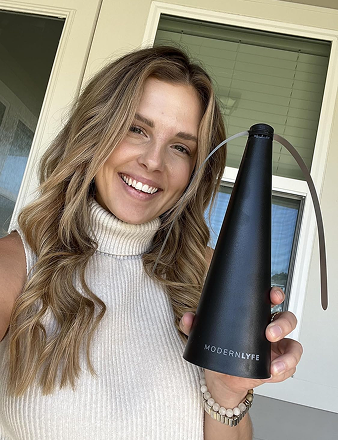
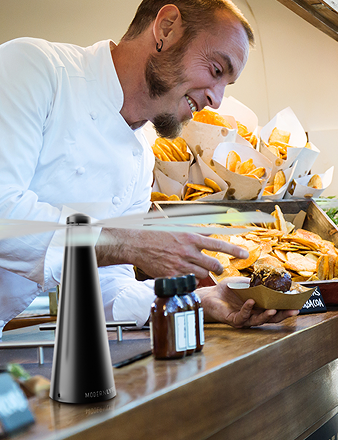
You've found the setting, started the menu, and saved photos of linen-covered tables beneath string lights. Now you're deciding where guests will queue, whether the lawn will stay usable after rain, and how to keep flies away from the food without filling every photograph with equipment.
Make the outdoors work harder. A successful reception balances atmosphere with operational detail. Guests should be able to move, eat, rest, and feel comfortable, while staff keep food protected and service running smoothly.
The demand for outdoor hospitality is substantial. Yelp searches for businesses offering outdoor dining were 292% higher in the pandemic's second year than before the pandemic, according to Restaurant Dive's coverage of Yelp's outdoor dining data. Treat the terrace, garden, or backyard as a complete reception space, not an attractive overflow area.
Before booking rentals, review your outdoor wedding venue considerations and establish where food, seating, power, shade, and weather backup will go.
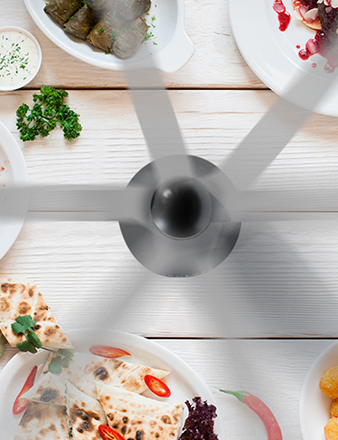
These outdoor reception ideas range from polished vineyard dinners to relaxed backyard gatherings. Each integrates discreet fly fans into the layout rather than adding them after the tables are dressed. Fans are a supplementary deterrent, not a substitute for covers, sanitation, or temperature control.
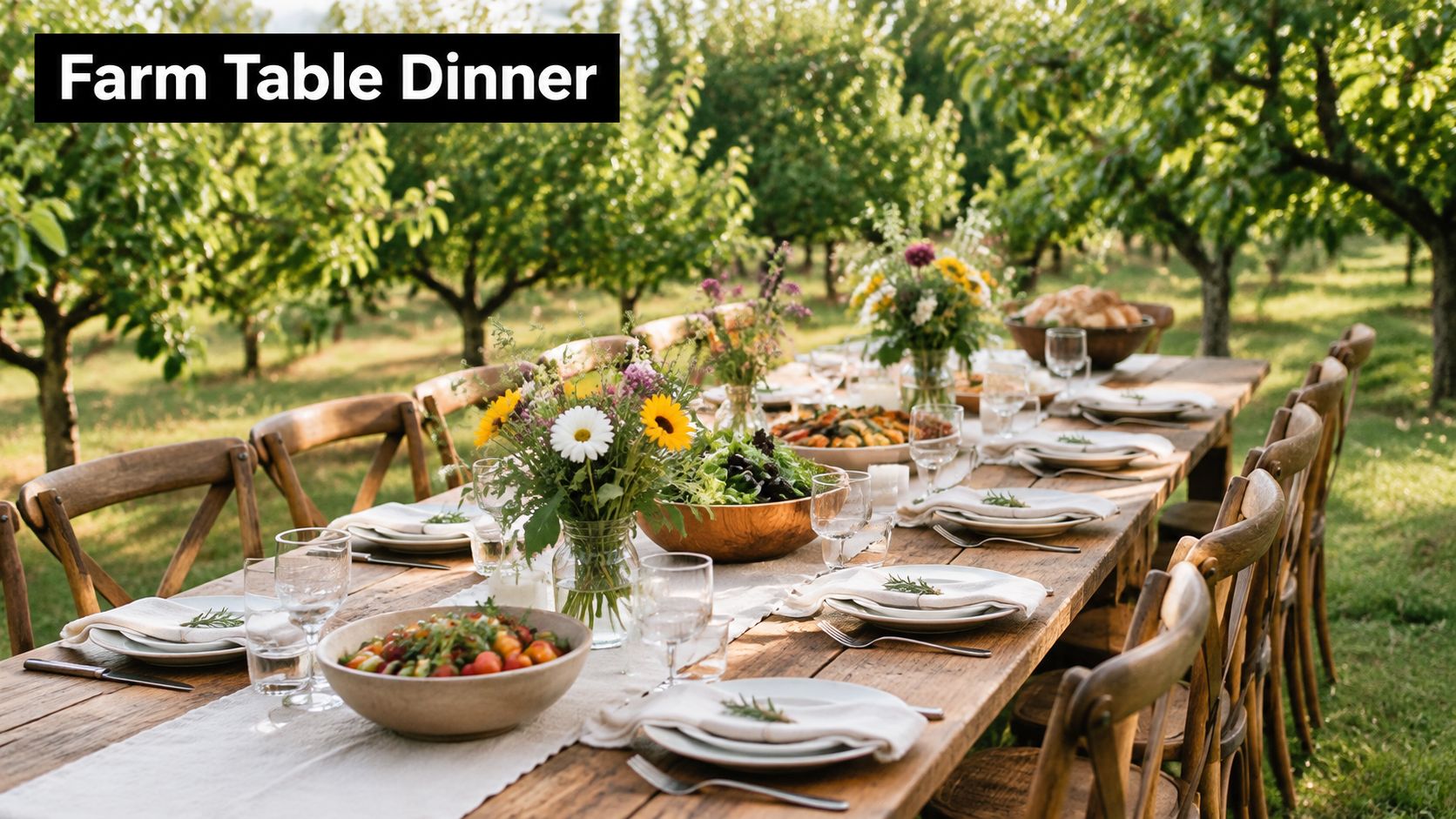
1. Farm-to-Table Long Table Dinner
Set a long wooden table beside an orchard, kitchen garden, or field, then serve seasonal dishes that connect the meal to its surroundings. Use Blue Hill at Stone Barns in Pocantico Hills, New York, as a creative reference for the farm-centered concept, rather than trying to recreate a formal restaurant outdoors.
Keep the styling restrained: textured linens, low arrangements, readable place cards, and serving pieces that staff can lift easily. Leave a clear service route along the table so servers don't have to reach across guests or carry hot platters over seated diners.
Build Protection Into the Tablescape
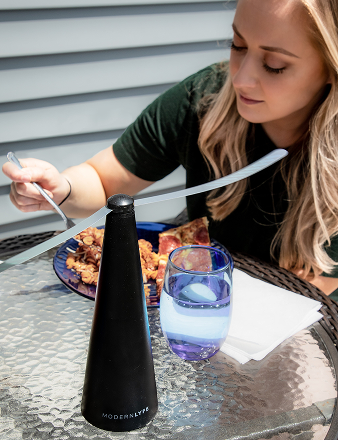
Place fly fans at the table ends and near the midpoint as a starting layout, then check placement against the equipment's instructions. Keep moving parts away from glassware, loose napkins, and reaching hands. Don't direct airflow across uncovered food or toward flame-based warmers.
- Before service: Position and test fans before plates, flowers, and shared dishes occupy the table.
- During dinner: Bring covered platters from protected staging and remove finished dishes promptly.
- For changing weather: Reserve a covered dining location and decide who can authorize the move.
Match fan finishes to candleholders or other tabletop hardware so they look intentional without hiding their operating space. For additional layout inspiration, use these outdoor wedding reception ideas to coordinate dining, lighting, and guest circulation.
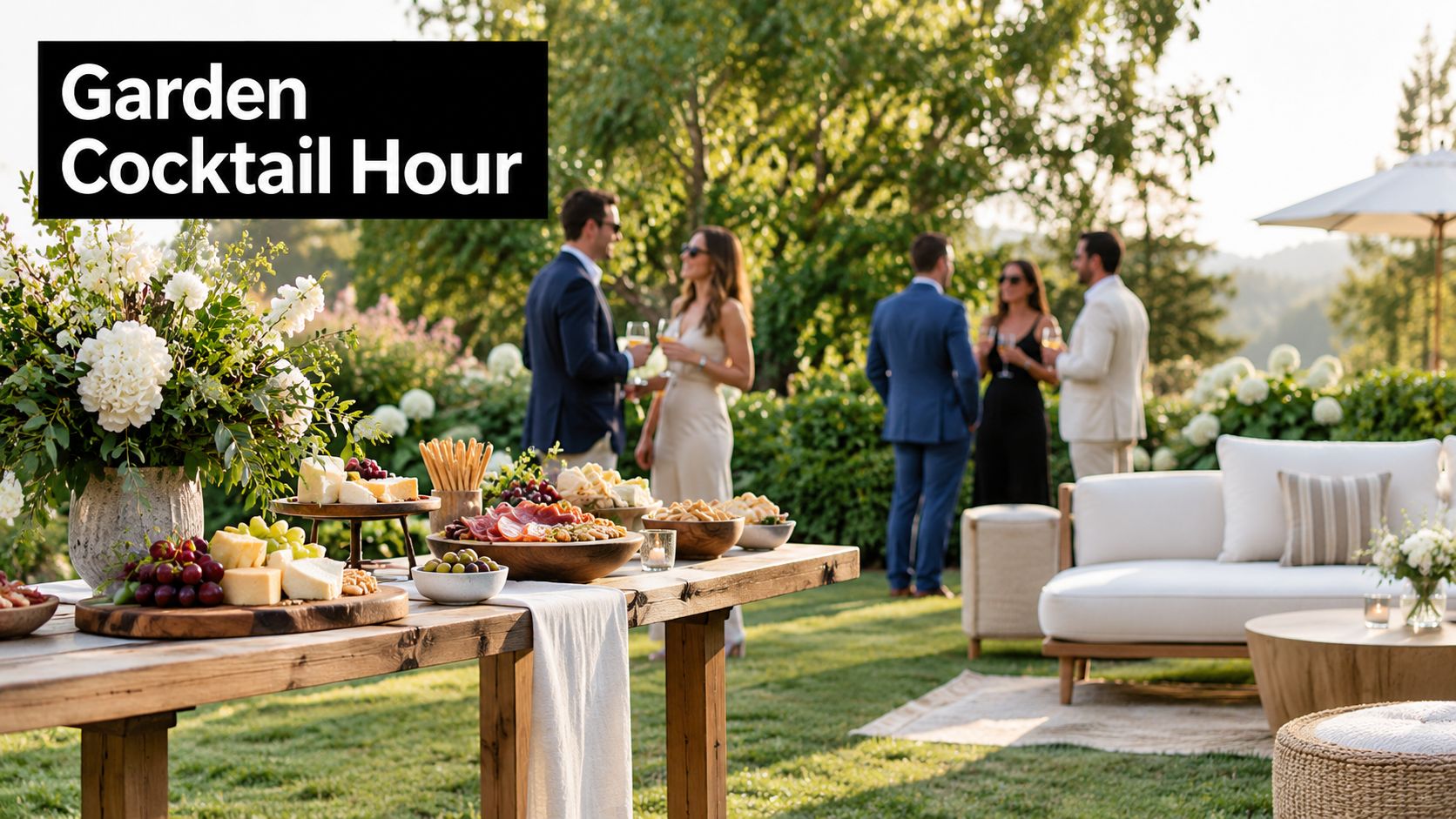
2. Garden Cocktail Hour with Grazing Stations
A garden cocktail reception works best when guests can see their next stop without joining a single sprawling queue. Arrange cheese, charcuterie, sliders, and crudités as distinct stations, with drinks positioned away from the busiest food approach.
For an estate-garden scenario, place savory food beside a firm terrace, drinks near the lounge, and dessert at a separate, staffed stop. Keep planting beds as the backdrop rather than pushing tables into foliage where staff can't inspect or clean behind them.
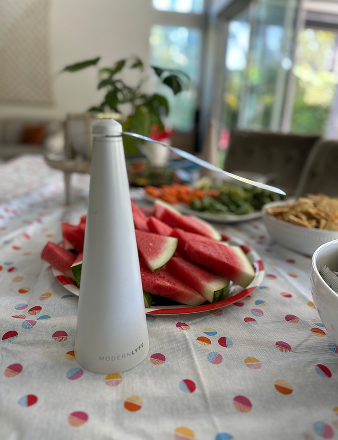
Give each station its own fly fan, including dessert, and separate displays enough that equipment, guests, and serving utensils don't compete for space. Install fresh batteries before arrival and keep replacements at the service point, not in a distant storage room.
Service principle: Open a fresh platter when guests need it. Don't leave the entire menu outdoors simply to make the display look abundant.
Use small serving vessels and protected reserve stock so staff can replace dishes instead of repeatedly adding fresh food to exposed remnants. Choose shade that will still cover the stations during service, and identify an indoor destination for every temperature-sensitive platter.
For cleanup, follow the EPA's sanitation-first approach to integrated pest management: remove crumbs and food debris, address spills, and keep wet areas dry. Assign these jobs to a named attendant so the grazing format doesn't become unattended service.
3. Raw Bar and Seafood Station on Ice
Design the raw bar around cold holding first, presentation second. Oysters, shrimp, crab, and ceviche can create a striking arrival feature, but a mound of ice isn't a temperature-monitoring plan.
Use an Island Creek Oyster Bar-inspired presentation as a visual reference: orderly shellfish, simple labeling, and a clear handoff between attendant and guest. Put the station on stable ground beneath dependable shade, with protected chilled storage immediately behind service.
Keep the Display Staffed
Place fly fans beside the display rather than directly over the ice or exposed seafood. Keep their operating area separate from shell disposal, serving utensils, and the attendant's working space. Replenish ice as needed, check food temperatures with a calibrated probe, and remove empty shells promptly.
The FDA's outdoor food-safety guidance identifies 40°F–140°F as the danger zone and limits perishable food in that range to two hours, or one hour when outdoor temperatures exceed 90°F; it recommends holding cold food at or below 40°F and hot food at or above 140°F.
- Protect the reserve: Keep replenishment stock refrigerated or in suitable cold-holding equipment.
- Control the surface: Provide covered condiments, dedicated utensils, and a separate shell-return container.
- Set a stop condition: Pause service when staff can't maintain the required holding conditions.
Use the following video as a visual reference, not as a replacement for the caterer's food-safety procedures.
4. Food Truck Reception
Build a food truck reception around the moment guests collect their meals. The lively, mixed-menu character associated with Off the Grid and Kogi BBQ offers a useful creative reference, but your layout needs a clear ordering point, collection point, and route back to seating.
Park trucks where operators can work without guest traffic crossing their preparation or delivery areas. Keep queues out of vehicle routes and preserve access to restrooms, shaded seating, and the indoor weather alternative.
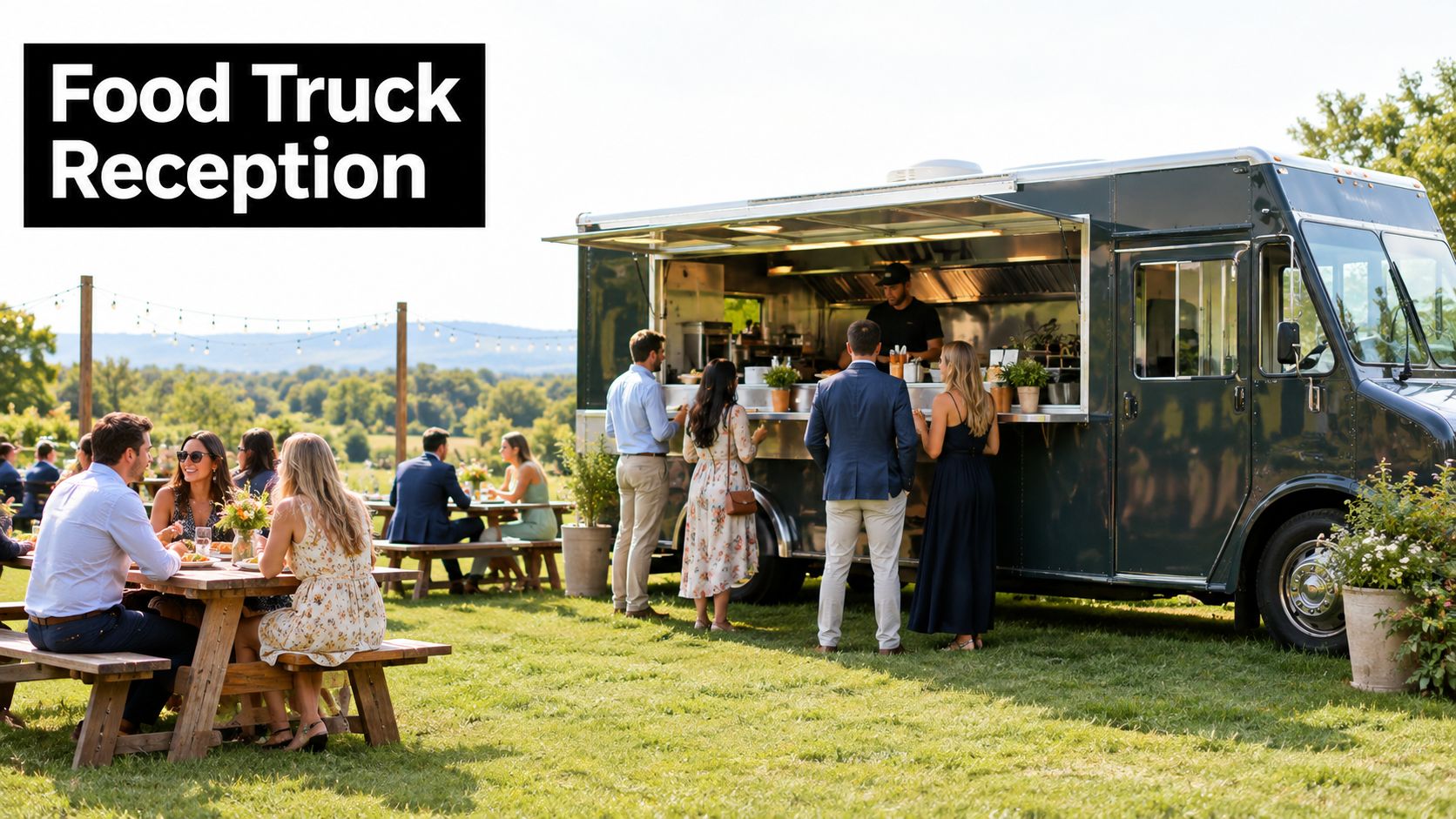
Coordinate fly-fan placement with each operator before decorating the service windows. Protect separate condiment and topping tables, but don't place equipment where it interferes with window closure, handoffs, or the truck's ventilation.
Resolve Power Before Arrival
- Confirm supply: Give operators a written plan showing approved power connections and cable routes.
- Protect walkways: Keep electrical connections weather-protected and cords out of guest circulation.
- Prepare backup: Store charged or fresh batteries for tabletop fans and confirm the operator's equipment contingency.
The FDA Food Code's provisions for temporary food establishments recognize properly designed and installed air curtains, screens, or other effective means for controlling flying insects. A tabletop fly fan isn't automatically an air curtain or a compliance substitute.
Ask operators to explain their own insect-exclusion arrangements. During rain or strong wind, move guest dining under cover and let operators determine whether they can continue safe service.
5. Backyard Barbecue Reception
Build the reception around the food you want to serve, not a buffet longer than your patio can support. Take Franklin Barbecue in Austin, Texas, as a menu inspiration for a slow-cooked centerpiece, then keep sides and service manageable for the people hosting.
Separate the grill from the guest buffet and give the cook an unobstructed route to a protected landing table. Put drinks elsewhere so guests looking for ice don't crowd the person carrying hot food.
For a menu that fits this approach, browse backyard barbecue menu ideas before deciding how many serving dishes and chilled containers you need.
Make the Patio Easy to Service
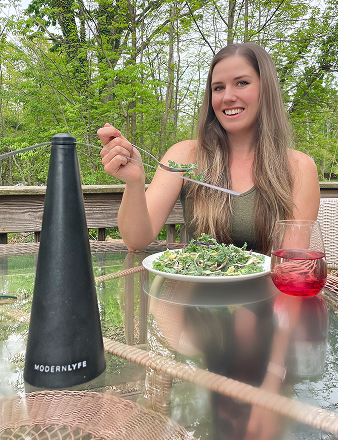
Place a battery-operated fly fan near the buffet and another beside the drink setup, with stable bases away from children's reach and table edges. Keep grilled food covered until serving, close condiment containers between uses, and clear used plates rather than letting them collect beside fresh food.
Practical rule: The person tending the grill shouldn't also be responsible for every food-temperature check, spill, and full waste bin.
Assign a separate host or helper to monitor the buffet and replace exposed dishes. Use the holding limits established earlier, and bring food back to controlled storage rather than relying on the evening becoming cooler.
Set dining beneath suitable shade, keep fans away from flame-based warming equipment, and have an indoor serving surface ready. If weather interrupts the party, move the meal first and adjust the furniture afterward.
6. Picnic-Style Blanket Reception
A blanket reception feels inviting until a guest has nowhere comfortable to sit or a sandwich box rests directly on damp grass. Create the relaxed look with blankets and cushions, but give the meal a more structured setup.
Use Fortnum & Mason picnic hampers as a creative reference for coordinated, individually packed meals. Serve sandwiches, charcuterie, and other suitable dishes in covered containers, bringing chilled portions out when guests are ready to eat rather than distributing everything at arrival.
Place compact battery-operated fly fans on stable low tables beside the food. Keep them clear of blanket folds, bags, and children's play space, and close containers whenever guests step away.
- Offer seating choice: Include conventional chairs and tables within the same social area.
- Protect the ground: Check for dampness, uneven surfaces, and a firm route from the entrance.
- Prepare shade: Reserve an appropriate canopy or covered alternative for midday conditions.
The MPI guide to accessible temporary events recommends sharing accessibility information before arrival and identifying accessible routes and amenities onsite. Tell guests where they can reach seating, food, and restrooms without crossing unsuitable terrain.
Choose accessories for a picnic around carrying, covering, chilling, and serving before adding decorative extras. For a park-style gathering, keep a staffed collection point near the accessible route so guests don't have to carry meals across the entire lawn.
7. Dessert Bar Under the Trees
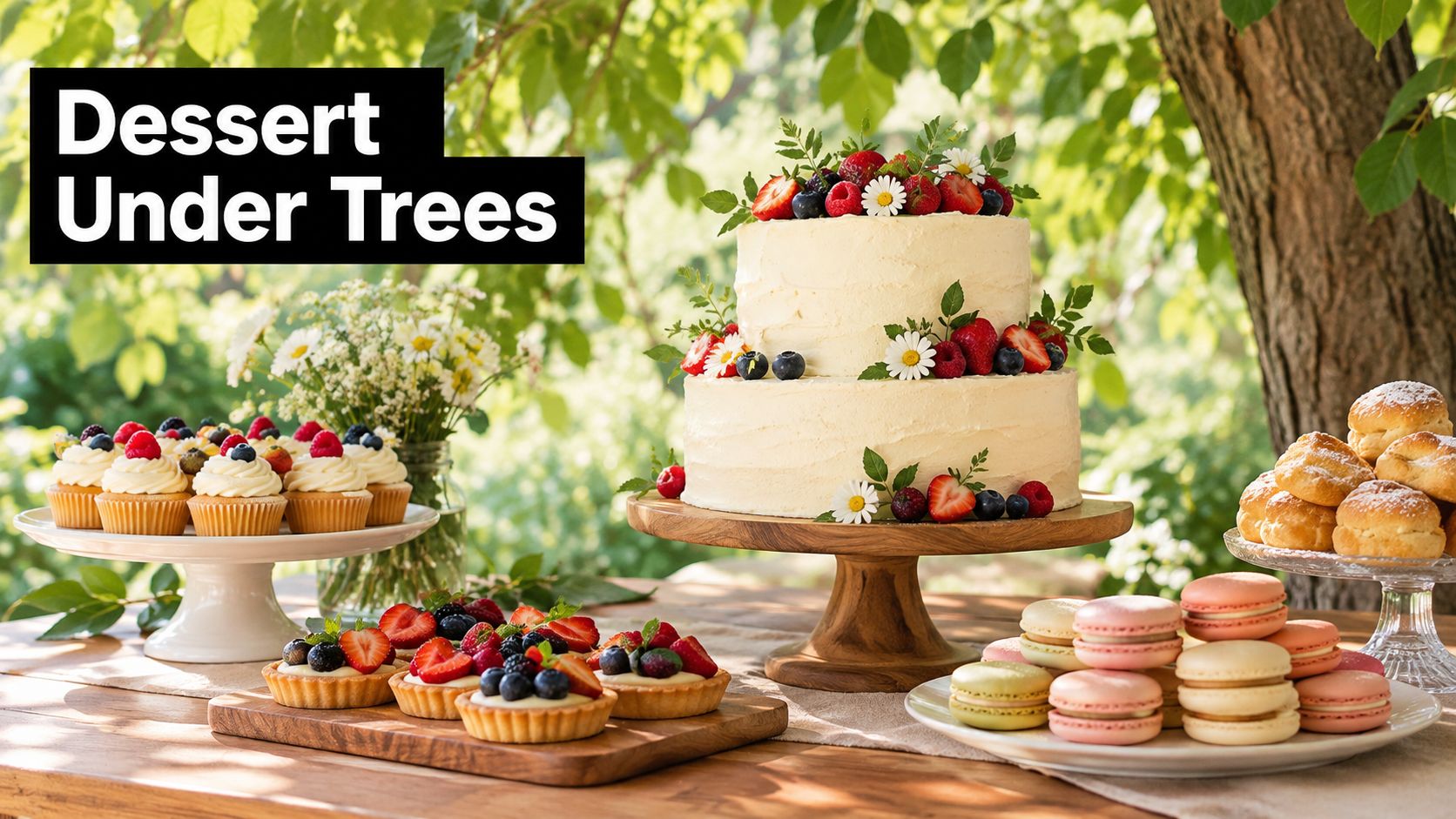
Give dessert its own reveal rather than leaving the full display outside throughout dinner. A Milk Bar-inspired arrangement can use bold color, playful signage, and varied serving heights without requiring every sweet to remain uncovered.
Choose a location beneath a canopy or suitable tree cover, then inspect the space above and around the table. Keep food away from dripping foliage, unstable ground, and areas staff can't reach to remove spills or dropped fruit.
Separate the Showpiece From the Reserve
Place a fly fan directly beside the display, with clearance from cake decorations, paper labels, and lightweight wrappers. Use covers where practical, keep serving tongs within easy reach, and hold temperature-sensitive reserve desserts in appropriate chilled storage.
Shade isn't refrigeration. The New York City Department of Health analysis of temperature and restaurant food safety reported a 1.27 rate ratio for cold-holding violations on hotter days. Although that analysis concerns restaurants, it reinforces the need to plan outdoor dessert service around equipment and monitoring, not appearance alone.
Ask the caterer which cakes, fillings, and pastries suit the proposed display conditions. Replace unsuitable items with a brief ceremonial presentation followed by service from a controlled location.
For evening service, light the labels and serving surface without putting hot fixtures close to delicate decorations. If wind lifts covers or disrupts the display, move dessert indoors instead of repeatedly rebuilding it.
8. Lawn Games and Lounge Zone
Put cornhole, ladder ball, or giant Jenga within sight of the lounge, but keep their playing areas separate from food service. For a corporate picnic or family reunion, guests should be able to watch, chat, and eat without standing in a game's landing area.
KanJam and Ladder Ball provide recognizable activity options. Choose games around the available terrain and guest group, then position seating where people can participate socially without having to play.
Keep the food in a defined service zone. Scattering snack bowls among the games makes monitoring and cleanup harder.
Protect the food zone with covers and appropriately placed fly fans. Don't set fans on game equipment, unstable side tables, or surfaces likely to be struck by a ball.
Give the Lounge a Clear Purpose
- Shade and rest: Arrange chairs beneath dependable cover with space for mobility devices beside companions.
- Drinks and cleanup: Keep water easy to reach and provide a visible return point for used cups.
- Weather and lighting: Prepare covered storage for games and illuminate the route back to dining and restrooms.
Serve light food in covered individual portions or through a staffed station rather than leaving shared bowls unattended. Assign someone to clear lounge tables throughout the reception.
For hospitality operators, the outdoor area deserves full operational attention: 65% of restaurant operators reported offering on-premises outdoor dining in a National Restaurant Association survey. Give the lounge the same staffing, cleaning, and weather planning as the main dining area.
9. Vineyard or Orchard Reception
Let the vines or fruit trees supply the setting, then keep the tasting area controlled and comfortable. A Robert Mondavi Winery-inspired concept can pair a wine-led menu with restrained table styling, clear tasting notes, and seated conversation.
Place tasting tables on a firm terrace or maintained event surface rather than forcing guests to balance glasses between planting rows. Keep the route to dining, restrooms, and the weather backup obvious.
The FDA Food Code's outdoor surface and weather-protection provisions address maintainable, dust-minimizing surfaces around food establishments and protection from weather and pests. For reception planning, that means checking the service route and structure, not judging the venue solely by its view.
Protect the Tasting Experience
Position fly fans beside food boards and open-glass service areas, leaving room for staff to pour without reaching across equipment. If the fan has adjustable settings or angles, use them according to its instructions and keep airflow away from wine and uncovered food.
- Control pours: Have staff pour when guests are ready rather than leaving filled glasses waiting.
- Cover accompaniments: Hold fruit, cheese, and garnishes in protected containers until service.
- Provide comfort: Include shaded seating, drinking water, and a clearly identified indoor alternative.
Use glass-return trays and remove dropped fruit or spills promptly. Keep waste away from guest seating and food, while maintaining a practical collection route for staff.
For an orchard gathering, position the bar away from fallen fruit and inspect the ground before setup. Choose the attractive backdrop, then bring service onto the most manageable surface nearby.
9 Outdoor Reception Ideas: Side-by-Side Comparison
| Reception Style | 🔄 Implementation Complexity | Resource Requirements | 📊 Expected Outcome | Ideal Use Cases | ⭐ Key Advantages & 💡 Considerations |
|---|---|---|---|---|---|
| Farm-to-Table Long Table Dinner | High: seating, staffing, and weather planning | One long table, seasonal menu, coordinated service, fly fans | Shared dining with strong visual impact | Weddings, corporate dinners, private events | Local sourcing and natural conversation flow; protect open dishes with fans |
| Garden Cocktail Hour with Grazing Stations | Moderate–high: multiple stations to coordinate | Several food stations, bar, lounge seating, fans for each station | Flexible, active mingling | Medium to large receptions seeking a social atmosphere | Scales well; space stations apart and monitor food across the lawn |
| Raw Bar and Seafood Station on Ice | High: careful food-safety and cold-holding oversight | Seafood, ice, attendant, shaded station, side-positioned fans | Premium, memorable focal point | Upscale events and seafood-focused receptions | High guest appeal; maintain cold temperatures and protect seafood from flies |
| Food Truck Reception | Moderate: vendor, power, and queue coordination | One or more trucks, serving area, seating, power or battery backups | Casual, interactive dining with menu choice | Informal weddings, younger audiences, large outdoor gatherings | Flexible cuisine and lower staffing needs; plan for lines and open serving windows |
| Backyard Barbecue Reception | Low–moderate: manageable home setup and food monitoring | Grill, buffet, drinks, casual seating, optional battery-powered fans | Relaxed, customizable gathering | Home receptions and budget-conscious events | Affordable and easy to scale; cover food and account for heat, smoke, and shade |
| Picnic-Style Blanket Reception | Low: simple setup, but weather-sensitive | Blankets, cushions, covered picnic portions, shade, compact fans | Intimate, informal daytime experience | Small gatherings, parks, garden events | Minimal equipment; ground-level food and limited seating can be challenging |
| Dessert Bar Under the Trees | Moderate: display, staffing, and temperature planning | Dessert display, serving tools, shade or chilled stands, fan | Photogenic finale and dedicated sweets stop | Weddings and themed receptions | Creates a focal point; protect sweets from insects and heat |
| Lawn Games and Lounge Zone | Moderate: layout and activity planning | Open lawn, games, lounge seating, concentrated food and drink zone | Active, inclusive entertainment | Corporate events, family reunions, casual weddings | Engages mixed age groups; keep food protected and fans away from play areas |
| Vineyard or Orchard Reception | Moderate–high: venue access and outdoor logistics | Tasting tables, light food, seating, shade, adjustable fans | Scenic, place-specific tasting experience | Weddings, premium events, wine or cider tastings | Distinctive setting; plan for insects, uneven ground, and remote-site logistics |
Build One Reception That Flows
Choose the format that matches your guest list, venue, menu, and service style, then map the full reception before buying decorative pieces. A long-table dinner needs unobstructed service lanes; a grazing reception needs replenishment access; a picnic needs seating choices beyond blankets. The right design makes those needs easy to meet without making the event feel managed.
Start with a simple site plan showing food holding, guest seating, beverages, waste, restrooms, and the weather alternative. Draw the route guests will take, including anyone using a wheelchair, walker, or stroller. Keep the prettiest route only if it also works in practice.
Assign Responsibility Before Adding Detail
Give someone clear ownership of food temperatures and exposure times, someone responsibility for guest-facing comfort, and someone authority to pause or relocate service. At a smaller home gathering, helpers can share these roles, but everyone should know who makes the call.
Use the FDA's guidance for handling food safely outdoors to build the service timeline around protected transport, controlled holding, and prompt handling. Don't use fly fans to justify longer exposure or leave dishes outside because the display still looks fresh.
- Food stations: Confirm covers, utensils, replenishment access, temperature checks, and nearby insect deterrence.
- Guest areas: Verify shade, supportive seating, clear signs, and comfortable access to water and restrooms.
- Power and equipment: Test fans, lighting, batteries, approved connections, and cable placement.
- Weather response: Name the destination for guests and food, plus the person responsible for initiating the move.
Keep the visual plan consistent by choosing fan finishes that work with the table hardware, but leave equipment visible enough to operate and inspect. Never conceal controls beneath linens or place a fan where a guest must reach through its operating area to collect food.
When evaluating a wine-country setting, review options such as private events at B.R. Cohn Winery and ask the venue to explain its event layout, service provisions, accessibility, and backup arrangements. Confirm what's available for your date rather than assuming the photographs show the complete setup.
Finish with a walk-through from the guest entrance to the last service point. Check sightlines, holding temperatures, fan placement, battery levels, lighting, accessible routes, and weather contingencies. A reception is ready when guests can enjoy the setting and staff can protect the experience without improvising.
MODERN LYFE offers battery-operated fly fans designed for dining tables, buffet lines, and outdoor event setups. Visit MODERN LYFE to explore discreet fan options and plan insect deterrence alongside your reception's food stations, seating, and décor.