When it comes to fruit flies, prevention is everything. The goal is to be proactive—making your space completely uninviting to these pests before you see a single one. It boils down to a simple strategy: eliminate their food, breeding grounds, and access points.
Why Preventing Fruit Flies Is Non-Negotiable

Let's be direct. A fruit fly over a buffet isn't just a nuisance; it's a direct hit to your reputation. In hospitality, perception is reality. Guests see flies and think "unclean," a connection that can instantly tarnish the trust you've built.
Whether you run a restaurant, plan a high-end wedding, or cater an outdoor party, a fruit fly problem is a red flag. It signals a lack of attention to detail and can quickly lead to bad reviews, customer complaints, or health code violations.
The Science of the Swarm
To stop them, you have to think like them. Fruit flies are masters at finding fermenting organic matter, which is everywhere in a food-focused business. Their favorite spots include:
- Overripe Produce: That bowl of bananas or tomatoes on the counter is a welcome mat.
- Sugary Spills: Sticky residue from soda guns, juice bars, and spilled wine is a five-star meal.
- Damp, Hidden Spots: Think moist mop heads, grime in floor drains, and condensation pans under refrigerators. These are perfect, undisturbed nurseries.
The need for a solid prevention plan is critical. In 2023, the United States faced one of its worst fruit fly seasons in 70 years, with the USDA reporting these pests threaten over 400 types of fruits and vegetables. When a single female can lay up to 500 eggs, you see how quickly a tiny problem becomes a full-blown infestation.
A proactive approach is always more effective and less costly than a reactive one. By focusing on preventing fruit flies, you're not just managing pests—you're protecting your brand and ensuring a flawless guest experience.
A Framework for Modern Prevention
Old advice revolves around setting traps after you have a problem. A smarter, modern strategy creates an environment where they can't get a foothold. This guide gives you actionable steps for top-tier sanitation, intelligent food handling, and using simple but effective tools like fly fans to build an invisible defense.
For those wanting to go deeper into foundational strategies, a comprehensive pest management manual offers excellent insights that apply to all pest challenges.
To get started, it helps to think in terms of a few core principles. I call them the Four Pillars of Fruit Fly Prevention.
The Four Pillars of Fruit Fly Prevention
This table breaks down the essential strategies into a simple, actionable framework.
| Prevention Pillar | Key Action Items | Best For |
|---|---|---|
| Sanitation | Deep clean drains, wipe up spills immediately, regularly clean soda fountains and bar mats. | Restaurants, Bars, Hotels |
| Storage & Waste | Use sealed containers for produce, take out trash frequently, keep dumpster areas clean. | All Food Service Businesses |
| Exclusion | Install door sweeps, repair screens, use air curtains or fly fans at entrances. | Caterers, Event Venues |
| Monitoring | Set up monitoring traps in low-traffic areas to catch the first sign of activity. | Anyone wanting early detection |
By mastering these four areas, you shift from reacting to a problem to actively preventing one. It's the most effective way to keep your space clean, professional, and completely fruit fly-free.
Sanitation: Your First Line of Defense Against Fruit Flies
When you're fighting fruit flies, aggressive sanitation isn't just a good idea—it's everything. A quick counter wipe-down at the end of the night won't cut it. To prevent these pests, you have to get serious about eliminating the hidden grime where they live and breed. The goal is to create an environment so clean that fruit flies have nowhere to go.
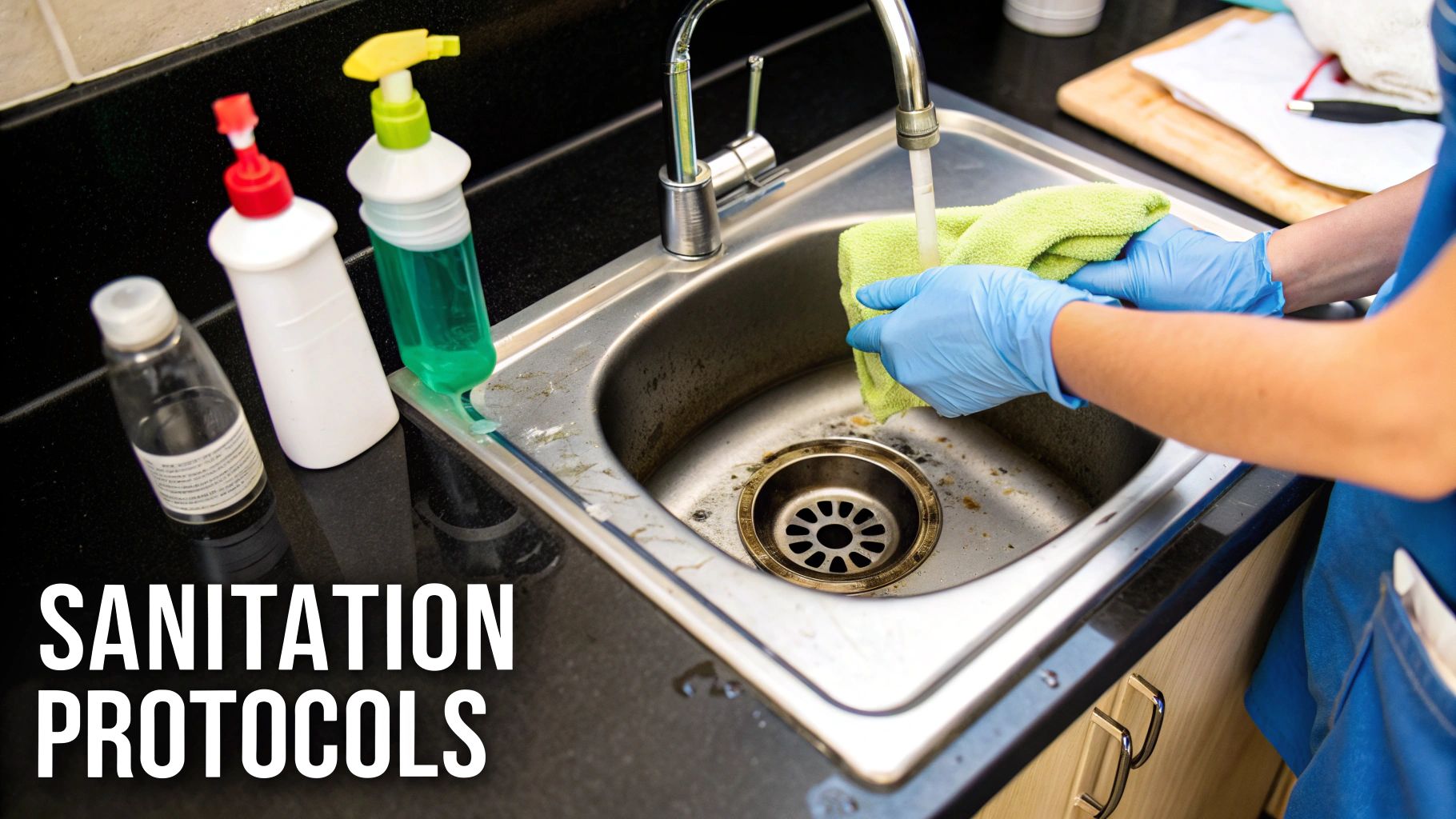
It’s easy to focus on obvious surfaces, but the real war is won in places you don't see. Fruit flies don't need a whole piece of rotting fruit to lay eggs. A thin, slimy film of organic goo in a floor drain or a sticky, damp spot under a bar mat is their perfect nursery. This is why a meticulous, consistent cleaning routine is the foundation of keeping them out for good.
Zero in on High-Risk Breeding Zones
In any restaurant, bar, or event space, certain spots are magnets for fruit flies. Make these areas a top priority in your daily and weekly cleaning to break their life cycle and stop an infestation before it starts.
Your hit list should always include these usual suspects:
- Drains: This is ground zero. Floor, sink, and bar drains are notorious for building up the gunk fruit flies love.
- Beverage Stations: Think soda gun holsters, drip trays, and espresso machine runoff. They constantly collect sugary residue.
- Underneath Bar Mats: The dark, damp, sticky space under rubber mats is a five-star hotel for fruit flies.
- Damp Cleaning Tools: A sour mop, old sponge, or dirty rag left in a bucket overnight is an open invitation.
The goal isn't just to make things look clean. It's to eliminate every trace of the moist, fermenting organic matter they need to reproduce. A properly sanitized surface offers them nothing.
Knowing what attracts fruit flies helps you focus your efforts. For a deep dive into specifics, this guide to cleaning commercial kitchens is an excellent resource.
Put an Actionable Sanitation Checklist to Work
Vague instructions lead to missed spots. You need specific, repeatable steps for your team to follow every shift, leaving no room for error. A good checklist builds consistency, which is crucial when multiple staff members handle closing duties.
Here’s a solid, no-nonsense closing checklist:
Nightly Bar Shutdown
- Break Down and Scrub: Take apart soda gun nozzles and beer taps nightly. Use a dedicated brush and sanitizer to scrub them clean.
- Soak, Scrub, and Dry: Pull up all bar mats and wash them in hot, soapy water. The most important part? Hang them up to dry completely overnight. Never leave them on the floor.
- Wipe Down and Seal Up: Use a clean cloth to wipe down speed rails, wells, and every liquor bottle to remove sticky drips. Finish by capping all pour spouts.
Kitchen and Dish Pit Closing
- Attack the Drains: Don't just pour cleaner down them. Pull off the covers. Use a long-handled, stiff brush and an enzyme-based drain cleaner to physically scrub the inside of pipes and remove organic buildup.
- Clean Under and Behind: Pull heavy equipment away from the wall. This is where spills, grease, and moisture collect and create a perfect breeding ground.
- Manage Your Mops: A sour mop is a fruit fly’s best friend. Thoroughly rinse mop heads and rags after use and—just like bar mats—hang them to air dry completely. Never leave them in a bucket of dirty water.
Smart Storage and Waste Protocols: Your First Line of Defense
Sanitation is critical, but it's only half the battle. The other, equally important piece is cutting off their food supply at the source through smart storage and waste management.
Fruit flies are hardwired to sniff out the slightest scent of ripening organic matter. Your job is to make your space a fortress they can't get into. This means looking at everything, from how you handle fresh produce to how you take out the trash. Every banana on the counter, every sticky can in recycling, every overfilled garbage bag is an open invitation. Let's make sure that welcome mat is pulled up for good.
Secure Your Food and Produce
Your first move is to manage inventory with pest prevention in mind. Ripe produce is the number one attractant for fruit flies, so how you store it can make or break your efforts.
Follow these practical habits:
- Refrigerate Ripe Items: Anything already ripe—soft peaches, speckled bananas, vine-ripened tomatoes—should go straight into the fridge. The cold slows down the fermentation process fruit flies love.
- Use Airtight Containers: For produce that stays at room temperature, like avocados or certain citrus, don't just leave it out. Store it in sealed, airtight containers or under a protective food dome. This simple physical barrier works wonders.
- Inspect and Rotate Daily: Make it a daily ritual to check all stored fruits and vegetables. Pull out anything overripe, bruised, or showing signs of decay. Get rid of it before it becomes a pest magnet.
Adopting a "clean as you go" mindset is non-negotiable. A spill isn't a mess to clean up later; it's a live food source attracting pests in real-time. Wiping up spills and crumbs the second they happen eliminates these small but powerful lures.
Overhaul Your Waste Management
A casual approach to trash is a surefire way to get a fruit fly problem. You need a disciplined, strategic system, especially in food service. Think of your trash cans and dumpsters as the final frontier in your defense.
Your waste protocol needs to be airtight—literally. Start by ensuring every indoor trash and recycling bin has a tight-fitting lid and a tough liner. Empty these bins throughout the day, long before they overflow. And don't forget to wash the bins themselves on a regular schedule; sticky residue at the bottom can keep a breeding cycle going even after the trash is gone.
Interestingly, improving waste routines often helps with reducing food waste in restaurants, which saves money and is better for the environment.
For larger operations, where you place and maintain your outdoor dumpster is huge. It should be as far from any building entrances as possible to keep flies from finding their way inside. Keep the lids closed, and work with your waste management company to schedule regular cleanings that get rid of foul odors and caked-on residue.
The stakes are higher than you might think. For perspective, Australia’s horticulture industry relies on intense prevention strategies to protect its $15 billion industry from fruit fly devastation. You can see the level of detail they go into in the National Fruit Fly Strategy Implementation Report. That same diligence will protect your business's reputation.
Creating a No-Fly Zone With Modern Technology
Once your sanitation and storage are airtight, you’ve removed the main attractions. The final step is creating physical barriers that stop fruit flies cold—without using chemicals or ruining the guest ambiance. This is where smart, modern tech shines.
Instead of swatting at a problem, you can build an invisible shield that physically blocks flies from ever getting near your food. It’s a proactive move that’s essential for maintaining a pristine environment, especially for high-stakes events like weddings or corporate functions.
This infographic breaks down the core prevention process, highlighting the foundational steps we’ve discussed.
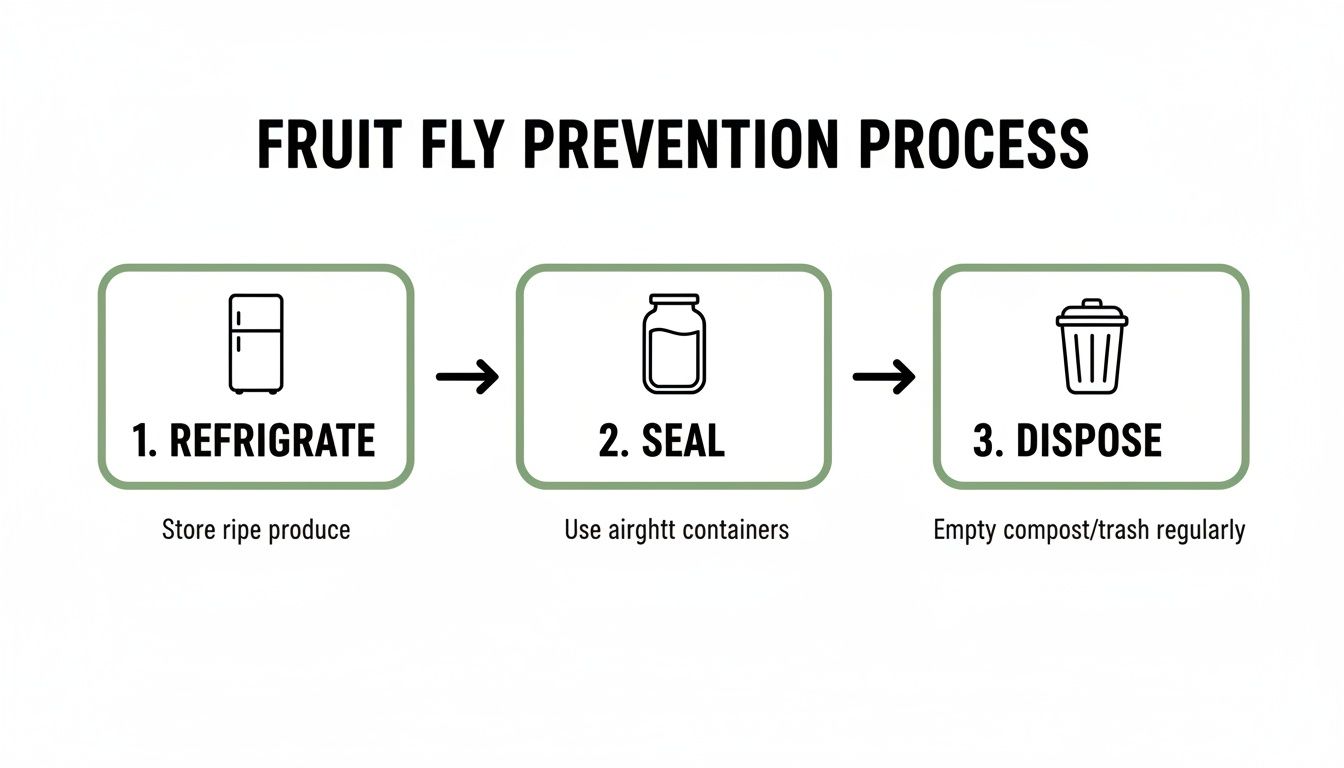
It’s a great reminder that a winning strategy combines refrigeration, secure storage, and diligent waste disposal.
The Power of Strategic Airflow
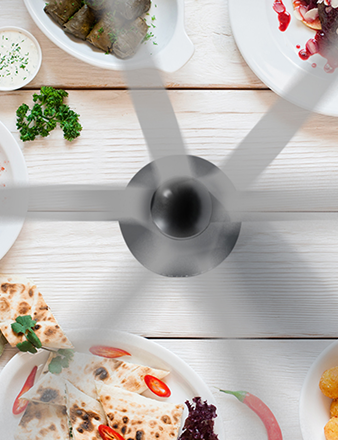
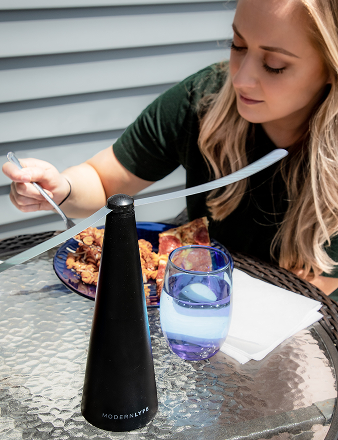
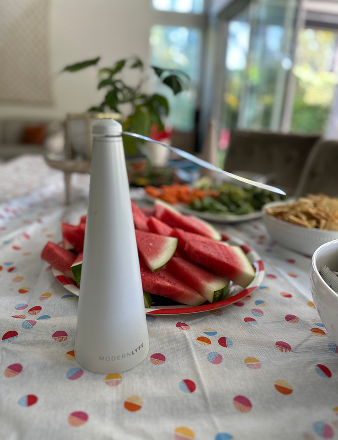
One of the simplest and most effective tools in your arsenal is the fly fan. These devices operate on a basic principle: fruit flies are terrible flyers. A gentle, steady stream of air creates an invisible wall they can't get through.
We're not talking about big, noisy industrial fans. Today's fly fans are designed to be subtle and stylish. They’re quiet, often battery-powered, and can be placed on a buffet line, guest table, or prep station without looking out of place.
For best results, think strategically about placement:
- For Long Buffet Tables: Set up a fan at each end of the table. The overlapping airflow creates a protective current over the entire spread.
- Outdoor Receptions: A small, discreet fan on each guest table is a game-changer. It protects food and keeps all flying pests away, making guests more comfortable.
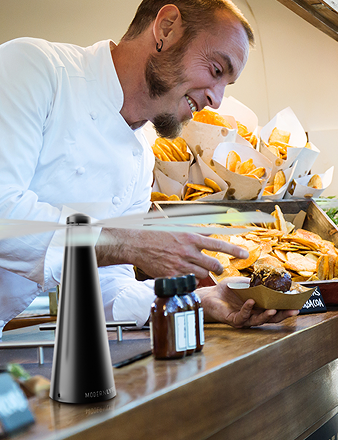
- Catering Stations: A single fan near a carving station or dessert bar can effectively guard the most vulnerable items on your menu.
The goal isn't to create a windstorm. It's to generate just enough air movement to disrupt a fly's flight path, making it impossible for them to land. This non-chemical approach is perfect for protecting food areas.
Expanding Your No-Fly Zone
Fly fans are brilliant for targeted protection, but what about securing larger spaces? That's where air curtains come in. Installed over doorways and service windows, they push a powerful stream of air downward, acting like an invisible door. This stops flies from zipping into your facility every time someone comes in or out.
This is especially critical for venues with heavy foot traffic or an indoor-outdoor flow. It keeps climate-controlled air in and unwanted pests out, boosting both hygiene and comfort.
The financial motivation for these measures is huge. Global research shows fruit flies target over 400 different types of plants, leading to billions in agricultural losses each year. For anyone in hospitality—especially in warm, humid climates—preventative tools like fly fans aren't a luxury. They're a necessity for protecting your inventory and reputation. You can dig into the data in the National Center for Biotechnology Information's comprehensive research article.
For a deeper dive into how to use these devices, check out our complete guide on commercial fly fans.
Prevention Isn't a One-Size-Fits-All Job
A generic plan to fight fruit flies won't work. The game plan for a bustling restaurant kitchen is worlds apart from what you'd do for a backyard barbecue. To win, you have to get specific and focus on the real-world risks of your environment.
This means ditching vague advice and creating a battle plan that fits your daily grind. Whether you're running a commercial kitchen or hosting a big family get-together, a specific checklist is what turns wishful thinking into real results.
In the Trenches: For Restaurant and Bar Managers
If you run a restaurant or bar, you know the fight against pests is a daily grind. One lazy closing shift is all it takes for an infestation to gain a foothold. The key is to build these tasks into your team's muscle memory.
Daily Closing Duties
- Bar Breakdown: This is non-negotiable. Soda gun nozzles and beer taps must be broken down and soaked every night. Get bar mats into hot, soapy water and hang them to dry completely. A damp mat is a breeding ground.
- Wipe Down Everything: Every liquor bottle, speed rail, and inch of the bar top needs to be wiped free of sticky residue. Cap every pour spout before you leave.
- Seal the Drains: After the final scrub, cover every floor and bar drain. Use simple plastic wrap or dedicated drain covers. This traps odors and stops flies from crawling up from the pipes overnight.
Weekly Deep Clean Focus
- Get Behind the Line: Once a week, pull heavy equipment away from the walls. You'd be shocked at the grime and dropped food that accumulates back there.
- Walk-in Check: Mop the floors of your walk-in coolers and wipe down the shelves. This is where you’ll find a forgotten onion or a hidden juice spill.
- Enzyme Treatment: Scrubbing drains is great, but it doesn't get everything. Use a professional-grade microbial drain cleaner to break down the organic gunk deep in the pipes that flies love.
In a restaurant, prevention has to be baked into your Standard Operating Procedures (SOPs). When sanitation is a non-negotiable habit, you're building a fortress where fruit flies simply can't thrive.
On the Move: For Caterers and Event Coordinators
Event pros face a unique challenge: setting up shop in new and unpredictable locations. Success hinges on smart site prep and an iron-clad process for setup and breakdown.
Pre-Event Site Check
- Scout the Location: Walk through the site a day or two before the event. Where are the dumpsters? Is there standing water? Are service doors propped open? Identify hotspots early.
- Smart Buffet Placement: If possible, set up food stations indoors. If you must be outside, find a shaded, breezy spot far from trash cans.
- Get Fans Running Early: Set up your fly fans on buffet tables and drink stations before any food comes out. This establishes a protective air curtain from the start.
Breakdown and Cleanup
- Trash Out, Immediately: Use heavy-duty, tied-off trash bags. The moment a bag is full, remove it from the event space entirely. Don't let them pile up.
- Spill Patrol: A small wine spill on a tablecloth can become a fly magnet in under an hour. Clean all spills—on linens, floors, or equipment—the second they happen.
At Home: For the Savvy Host
Hosting a party at home allows for a more relaxed approach, but you still need a game plan. It’s all about prepping the space, protecting the food, and being smart about cleanup.
- Prep Your Space: Before guests arrive, take out kitchen and bathroom trash, wipe down counters, and ensure the sink is empty and dry. If you have ripe bananas, stick them in the fridge.
- Cover the Spread: Use food domes or mesh covers for your dishes. For an outdoor barbecue, a small, discreet fly fan at one end of the table works wonders.
- Clean Up Quick: As the party winds down, don’t procrastinate. Pack leftovers into airtight containers, get all trash into a sealed bin outside, and load the dishwasher. Never leave dirty dishes sitting out overnight.
Prevention Checklist By Audience
Every setting has its own rhythm and priorities. This table breaks down the most critical daily and weekly tasks for different environments to help you focus your efforts where they'll have the biggest impact.
| Audience | Daily Priority Tasks | Weekly Deep Clean Focus |
|---|---|---|
| Restaurants & Bars | Break down and clean bar equipment (taps, soda guns), sanitize all surfaces, and cover drains overnight. | Pull out equipment to clean behind/underneath, deep clean walk-in coolers, and treat all drains with an enzyme cleaner. |
| Caterers & Events | Perform pre-event site inspection, strategically place food stations away from risks, and ensure immediate removal of full trash bags. | Thoroughly clean all transport equipment (hot boxes, coolers), and sanitize non-rental items like serving utensils and cutting boards. |
| Hotels (Breakfast Bar) | Wipe down all juice/cereal dispensers, clean fruit displays, and sanitize countertop areas and trash receptacles after service. | Inspect and clean under-counter refrigerators, deep clean floor drains in the service area, and check for spills behind beverage stations. |
| Home Hosts (Entertaining) | Take out trash before guests arrive, immediately refrigerate leftovers after serving, and clean all dishes and surfaces before going to bed. | Wipe down the inside of trash cans, check for and clean up any spills in the pantry, and ensure the garbage disposal is clean. |
Ultimately, a tailored plan means you're not just reacting to a problem—you're actively preventing it from ever starting. By aligning these simple habits with your specific routine, you create an environment that's welcoming for guests but completely inhospitable to fruit flies.
Answering Your Toughest Fruit Fly Questions
Even when you do everything right, fruit flies can be a puzzle. Preventing them often comes down to knowing the details and having a few tricks up your sleeve. Here are the go-to answers for the questions I hear most.
Why Do Fruit Flies Suddenly Appear Out of Nowhere?
It feels like they just materialize, doesn't it? One minute your bar is clean, the next, there's a cloud of them. It's not magic—it's math.
A single female fruit fly can lay up to 500 eggs, and in a warm kitchen, those can hatch in just 24 hours. That means one forgotten lemon slice or a tiny wine spill under a bar mat can become a nursery for hundreds of new flies in less than a week. They aren't coming from nowhere; they're multiplying from a source you haven't found yet.
Are My DIY Vinegar Traps Actually Doing Anything?
A DIY trap is useful, but it has limits. A small dish of apple cider vinegar with a drop of soap is a fantastic canary in the coal mine. It's a great way to catch stragglers and, more importantly, alert you that you have a problem.
But let's be clear: traps are for catching, not preventing. They only deal with adult flies.
A trap is a band-aid. It catches the adults you see, but it does nothing about the hundreds of eggs and larvae thriving in a sticky drain or at the bottom of a recycling bin. Real prevention means making your space a place they can't breed in at all.
Help! I Have Fruit Flies in the Middle of My Event—What Do I Do?
This is the nightmare scenario, but stay calm. You can handle this smoothly without guests ever knowing there was an issue.
- Bring in the Fans: This is your first and best move. Discreetly place a couple of sleek, quiet fly fans near the buffet or bar. The airflow creates an invisible wall that flies can't penetrate to land on the food.
- Remove the Target: Have a server calmly identify and remove the source. Is it the fruit garnish tray? A specific dessert? A sticky spot on the bar? Get it out of the service area, no fuss.
- Clean Up on the Sly: A quick, quiet wipe-down of the area with a sanitizer is all it takes. The key is to be fast, professional, and discreet. Most guests will be too busy to notice.
Are Certain Foods a Bigger Problem Than Others?
Absolutely. Fruit flies are connoisseurs of fermentation and have their favorites.
They go straight for anything sugary that's starting to turn. We're talking bananas (their absolute favorite), melons, grapes, tomatoes, and pineapples. Rotting onions and potatoes are also prime real estate.
In a bar, the biggest culprits are almost always spilled beer, wine, sugary syrups, and leftover residue on cocktail garnishes. If you do nothing else, make sure those items are always chilled or sealed tight.
The best defense is a good offense. A proactive strategy is the only way to truly protect your reputation and give your guests the flawless experience they expect. The powerful, quiet, and elegant fly fans from MODERN LYFE create that invisible shield over your food displays, stopping flies before they ever become a nuisance. You can check out the collection at https://modernlyfe.com.