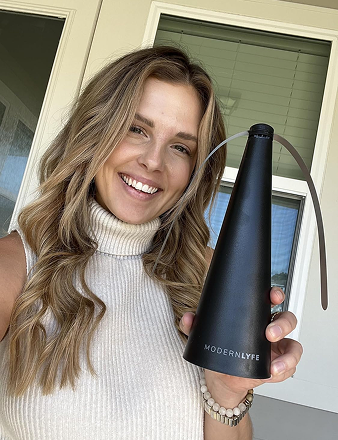
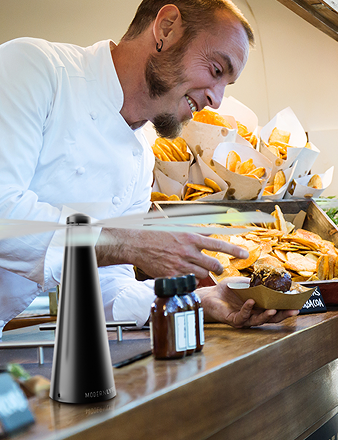
You're standing in the middle of service, and the problem is already visible. Flies are working the dessert station at an outdoor wedding, the buffet line is backing up, and your team is trying to solve a guest-experience issue while food is still on display. In restaurant, catering, and event work, the right problem solving methods matter because they stop you from patching symptoms and push you toward fixes that hold under pressure. Structured quality approaches grew around repeatable cycles like PDSA/PDCA and DMAIC, replacing guesswork with defined steps, measurement, analysis, improvement, and control, which is exactly why they still shape modern operations, manufacturing, and service work ASQ's problem-solving guidance.
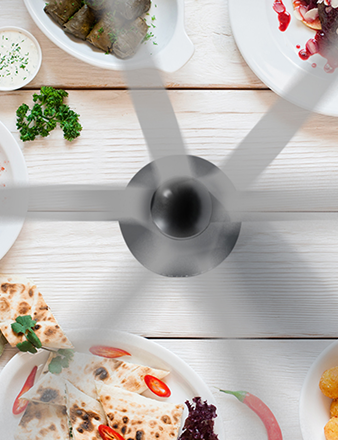
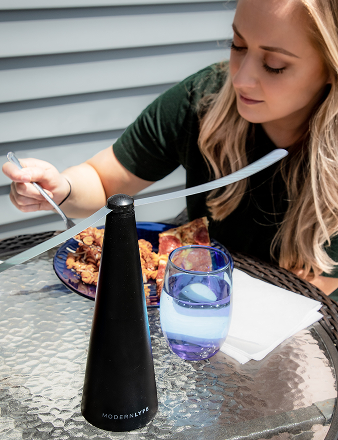
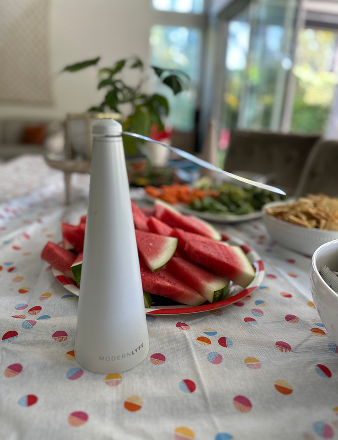
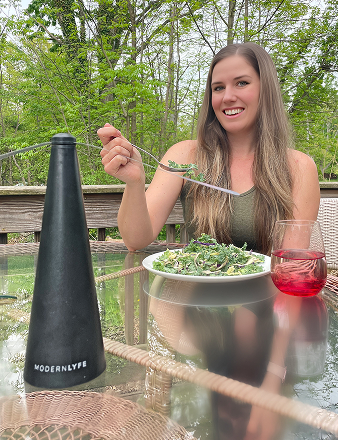
Use this list fast. Pick the method that matches the mess in front of you, then move. If the issue is flies around food, staff coordination, waste flow, or guest comfort, don't start with theory. Start with the method that fits the problem, then layer in a practical control like Modern Lyfe fly fans so the solution survives the next service.
1. Root Cause Analysis
A restaurant manager who keeps chasing flies with sprays is treating the symptom. Root Cause Analysis, or RCA, asks a harder question, what is creating the fly problem in the first place? In hospitality settings, that usually means looking at food exposure, waste timing, ventilation patterns, door traffic, and outdoor conditions instead of blaming one bad shift.

Build the analysis around facts, not assumptions
Start by writing the problem in plain language. Then pull in front-of-house, kitchen, stewarding, and event staff so the team can compare what they each saw. If flies show up every time waste leaves the prep area at the same hour, you've got a process issue, not a random nuisance.
Practical rule: If the same complaint repeats, the root cause is usually in the system, not in one person's mistake.
Use a simple RCA template in a banquet hall or restaurant kitchen.
- Define the visible problem: flies on buffet items, around trash, or near prep.
- Map the conditions: time of day, door openings, food coverage, and waste removal.
- Test one change at a time: adjust trash movement, ventilation, or table placement.
- Lock in the fix: keep the change if the problem drops, then document it for the next event.
A hotel catering team might discover that the outdoor buffet gets hit hardest when ventilation stalls near a side wall. A restaurant might find that fly activity spikes during trash transfer. In both cases, the win comes from changing the process, then supporting it with a control that keeps the area protected during service, such as Modern Lyfe's fly fans.
2. Design Thinking
Design Thinking starts with people, not process. That makes it strong for hospitality, where guests care about comfort, presentation, and the feeling of cleanliness as much as the food itself. In a wedding reception or resort event, the right answer isn't just “reduce flies.” It's “protect the guest experience without making the setup look clumsy.”
Prototype the guest experience before you lock the setup
Ask guests, planners, servers, and captains what gets in the way of a smooth service moment. Then test different layouts in the actual space. A caterer can prototype one buffet with open displays and another with better spacing, covered platters, and discreet Modern Lyfe fans placed to protect the service line.
One useful move is to treat the outdoor event like a live test. Put fans in different positions, watch how guests move, and see whether the food line stays cleaner without blocking access or sightlines. That is a better process than designing in a conference room and hoping the setup works on event day.
Guest feedback matters most when it comes from the actual service environment, not from guesswork after the event.
A simple Design Thinking flow for hospitality looks like this.
- Interview the people closest to the problem: guests, servers, chefs, planners.
- Define the pain point clearly: sightlines, access, comfort, or pest pressure.
- Build a quick prototype: one table layout, one station style, one protection setup.
- Test in service conditions: during prep, during guest arrival, and at peak traffic.
- Refine fast: keep the arrangement that guests and staff can use without friction.
Design Thinking works because it respects actual conditions. Guests don't care how elegant your internal process sounds if flies are landing on dessert. They care that the setup feels polished, controlled, and easy to enjoy.
A short field test can tell you whether a fan placement protects the buffet line better than a last-minute cover or a moved trash bin. That's where practical tools beat abstract planning.
3. Lean Problem Solving
Lean Problem Solving cuts waste. In hospitality, waste is not only food. It's time, motion, overhandling, poor layout, and any step that leaves food exposed longer than it should be. If flies are showing up around buffet service, Lean forces you to look at the process that created the opening.
Fix the flow, then protect it
A catering team can use Lean to shorten the time food sits uncovered between kitchen and service. A restaurant can use it to redesign trash routes so bins don't travel through guest-heavy or food-heavy paths. That lowers the number of fly-attraction zones without adding chaos for staff.
The strongest Lean move is to map the current state before changing anything. Watch where food waits, where staff cross paths, and where service slows down. Then remove one waste point at a time instead of trying to redesign the whole operation in a single night.
optimizing real-world team operations is the right mindset here. Lean works best when you treat the setup as a living workflow, not a fixed picture.
Use a simple Lean template on the floor
- Map the current path: prep, plating, transport, display, cleanup.
- Mark delay points: where food sits open or staff wait for clearance.
- Remove non-value steps: extra trips, unnecessary table changes, avoidable handoffs.
- Test the leaner version: run one service, then compare the flow.
- Add a control layer: use Modern Lyfe fly fans where exposure still exists.
Lean is especially useful for outdoor receptions and catered lunches because these setups often fail through small delays. One late tray, one open bin, or one awkward route can invite flies fast. Lean shrinks those gaps and makes the rest of your pest control more effective.
4. Six Sigma
Six Sigma is the method you use when you need hard numbers and repeatability. It's built around DMAIC, Define, Measure, Analyze, Improve, Control, and it suits hospitality teams that want to move from “we think this helped” to “we know what changed.” ASQ's quality guidance also describes the 8D model as an eight-step method that uses statistical analysis to establish permanent corrective action and focus on the origin of the problem, which is the same discipline you want when fly complaints keep coming back ASQ's problem-solving guidance.
Measure the failure, not the fear
If you're running a hotel banquet or catering operation, define the exact failure first. Is it contamination risk, guest complaints, or food being left exposed too long? Then collect the actual operational data you already have, complaint logs, service timing, and setup notes.
A strong Six Sigma rollout starts small. Pick one event type or one outlet and treat it like a pilot. Measure before and after the change so you can see whether the intervention held up. If your operation uses Modern Lyfe fans in the high-risk zone, track the service outcome around that setup instead of assuming it worked.
A practical DMAIC flow for hospitality looks like this.
- Define: spell out the fly problem in one sentence.
- Measure: capture when and where the issue appears.
- Analyze: look for timing gaps, exposure points, and layout errors.
- Improve: adjust the process and add the protection layer.
- Control: keep the new standard in place and review it every event.
The point of Six Sigma is not perfection theater, it's fewer defects, fewer surprises, and fewer repeat complaints.
Six Sigma works best in hotel chains, caterers, and high-volume venues because the same mistake can show up over and over. Once you learn where the failure starts, you can stop guessing and start controlling the process.
5. Brainstorming and Mind Mapping
Some problems need range before they need precision. Brainstorming gives the team that range, and mind mapping keeps it organized. For a restaurant or event planner dealing with fly pressure, this method helps you generate more than one line of defense, instead of betting everything on a single fix.

Build the map around real operational choices
Put the problem in the center, then branch out into food handling, waste control, airflow, protective devices, and staff timing. In a wedding venue, the team might map out where guests stand, where dessert sits, where servers pass, and where flies enter. That makes the problem visible before anyone argues about the solution.
Keep the first round judgment-free. The host, banquet captain, chef, and planner all need room to say what they see. After that, group the ideas into themes and pick the ones that work in the actual space, not the ones that sound clever in a meeting.
Use this quick brainstorming format
- Write every idea down: covered trays, tighter waste runs, better spacing, fan placement.
- Group similar ideas: airflow, layout, timing, and visibility.
- Mark what is practical now: what can happen before the next service.
- Choose one layered fix: combine process changes with Modern Lyfe fly fan deployment.
Brainstorming works because hospitality problems are rarely single-cause problems. A buffet with flies usually has more than one weak point. Mind mapping helps you see the stack of issues at once, then turn them into a plan the team can execute.
6. The 5 Whys Technique
The 5 Whys is simple, and that's why it works in a rush. You keep asking why until the answer stops being a symptom and starts being the cause. In hospitality, it's especially useful when the team keeps blaming the same visible issue, like flies near the buffet or food service delays.
Push past the first answer
If flies are showing up at an outdoor event, don't stop at “because the area is outside.” Ask why the buffet is exposed, why the staff chose that layout, why the covering system failed, and why no protection was built into the setup. Very often, the answer leads straight to timing, staffing, or service design.
A restaurant might use the same method and discover that flies appear near the buffet because food sits uncovered too long. Why does that happen? Because the service schedule isn't standardized. Why isn't it standardized? Because no one owns it. That chain tells you where to fix the problem.
Use a clean 5 Whys sheet
- State the problem: flies near food, delays at service, or repeated guest complaints.
- Ask why and write the answer: don't rely on memory.
- Keep going until the cause is operational: schedule, layout, or process control.
- Stop when the actual fix is clear: don't force exactly five rounds.
- Assign ownership immediately: one person closes the loop.
A good 5 Whys session should feel practical, not defensive. The team should leave with one clear change to make and one control to add. In many hospitality setups, that control is a physical deterrent like Modern Lyfe fans placed where the exposure is highest.
7. SWOT Analysis
SWOT is the strategic lens that keeps teams honest. It forces you to spell out Strengths, Weaknesses, Opportunities, and Threats before you commit to a fix. In hospitality, that matters because pest control isn't just a maintenance issue, it affects brand perception, guest comfort, and event reputation.
Use SWOT to make the whole picture visible
A restaurant might list strong food handling as a strength, outdoor dining exposure as a weakness, Modern Lyfe technology as an opportunity, and health-code pressure as a threat. That gives the manager a grounded view of where the operation is solid and where it still needs protection.
SWOT works well before a big season, a venue launch, or a new outdoor service model. It helps a catering director see whether the current setup is ready for pressure or whether it needs more support. It also gives teams a way to talk across departments without drifting into vague opinions.
A focused SWOT meeting should end with action, not just discussion.
Practical rule: If a weakness can't be controlled quickly, build an external defense around it.
A simple hospitality SWOT process looks like this.
- List current strengths: food handling, staff training, venue reputation.
- Name weaknesses clearly: exposure, layout gaps, timing issues.
- Spot opportunities: stronger guest trust, cleaner presentation, better tech.
- Mark threats: complaints, regulatory scrutiny, competitor comparison.
- Choose the top risk to solve first: then build around it.
Use SWOT before peak season, not after the damage is done. It helps you see where a layered defense will matter most, especially when you're weighing whether a fan-based control should be part of the standard setup.
8. Process Improvement, Kaizen
Kaizen means small improvements, made consistently. In hospitality, that approach works because the people closest to the work spot problems first. A line cook sees a tray sit too long. A server sees the buffet gap widen. A steward notices where trash draws attention and where pests start to gather.
Make the daily improvement habit real
A quarterly review is too slow for a problem that shows up every lunch service. Give staff one clear way to flag a fix, test it fast, and keep what works. In a busy kitchen, that might mean changing the timing of food release so exposed items spend less time out in the open. In a catering operation, it might mean shifting table position so the food is harder to reach and easier to protect.
Kaizen works because small changes build on each other. A tighter trash seal, a better fan position, or a cleaner service sequence can all cut fly pressure without disrupting the event. When those improvements are paired with Modern Lyfe fly fans, and supported by business process automation consulting, the operation gets a cleaner baseline and a tighter process to work from.
Keep the process tight and visible
- Ask for one improvement per shift: one person, one idea.
- Test it immediately when possible: don't let it sit in a notebook.
- Keep the useful ones visible: post them in the prep area.
- Review the setup monthly: not once a year.
- Use proven controls where risk stays high: especially in outdoor service.
Kaizen is the least dramatic method on this list, but it is one of the most dependable. Hospitality teams win when they stop waiting for a big overhaul and start improving the same process a little bit every week. That is how a restaurant steadies buffet service, how a caterer reduces exposure during outdoor service, and how an event team keeps the control plan working under pressure.
9. Critical Chain Project Management
Critical Chain Project Management is the right move when the fix has multiple moving parts. A hotel can't just buy equipment and call it done. It has to inspect the venue, adjust the layout, train the staff, and install controls in the right order. Critical Chain keeps those dependencies from tripping each other up.
Sequence the work so nothing stalls
If a wedding venue wants stronger fly protection before peak season, don't install gear before you've checked the space. Don't retrain staff before the layout is final. And don't leave the fan placement for the last hour before guests arrive. The method works because it respects task order and resource limits.
Map the longest dependent chain first. Then add buffers where delays would hurt the most. That gives you room to absorb a slow delivery, a staffing shortage, or a layout change without blowing the whole rollout. It also tells your team where to focus today, not next week.
Use this project sequence
- Inspect the venue first: know the weak points before buying gear.
- Adjust operations second: waste flow, table placement, guest pathways.
- Install the protection layer third: place Modern Lyfe fans where risk is highest.
- Train staff last but before launch: so the process lands cleanly.
- Track progress daily: catch delays before they stack up.
Critical Chain is a strong fit for seasonal venues and event businesses because they live on deadlines. If the setup is late, the fix doesn't matter. This method keeps the project on the track that matters most.
10. Failure Mode and Effects Analysis
Failure Mode and Effects Analysis, or FMEA, is what you use when you want to stop guessing how a solution might fail. It asks a plain question, how could this process break, what would happen if it does, and how do we stop it? In hospitality, that's a smart move because fly control fails for ordinary reasons, like a battery running down, a fan not being placed correctly, or staff forgetting to turn it on.
Plan for failure before the guest sees it
A restaurant can use FMEA on its fly protection plan and flag weak points before service starts. If a fan battery depletes during peak traffic, what happens next? If the coverage area is too small, which table is left exposed? If the team forgets activation, who owns the check?
That kind of thinking makes the setup stronger. It also keeps the operation from depending on one flawless action. Reliable controls matter, and Modern Lyfe fans fit well here because they reduce the number of moving parts you're trying to manage under pressure.
Build the FMEA around risk, not convenience
- List each possible failure mode: power loss, poor placement, staff lapse.
- Rate the likely impact on guests: focus on service and comfort first.
- Prioritize the biggest risks: fix the failures with the worst outcomes.
- Add detection steps: pre-service checks and shift handoffs.
- Review after every event: update the plan as the setup changes.
A good FMEA doesn't make the operation perfect. It makes the operation hard to break.
This is the method for teams that want prevention, not just reaction. It's especially useful in outdoor catering, banquet service, and wedding work where one weak point can spoil the whole line.
10-Method Problem-Solving Comparison
A fly problem in a restaurant dining room is not handled the same way as a layout issue in a catering tent or a delayed install at a wedding venue. The right problem solving methods depend on what the team is facing, how fast the fix must happen, and how much structure the operation can support.
| Method | Implementation Complexity 🔄 | Resource Requirements ⚡ | Expected Outcomes ⭐📊 | Ideal Use Cases 💡 | Key Advantages ⭐ |
|---|---|---|---|---|---|
| Root Cause Analysis (RCA) | High, systematic, cross-team investigation | Medium–High, time, skilled facilitators, data | Sustainable elimination of repeat issues, long-term cost reduction | Chronic/repeating pest problems, systemic failures | Targets root causes; sustainable solutions |
| Design Thinking | Medium–High, iterative workshops & prototyping | High, user research, prototypes, diverse participants | Creative, user-centered solutions with tested viability | Guest experience problems, novel outdoor setups | Encourages creativity, reduces implementation risk |
| Lean Problem Solving | Medium, process mapping, cultural change | Medium, training, mapping tools, staff involvement | Reduced waste, faster processes, measurable efficiency gains | Operational inefficiencies (timing, layouts, waste) | Eliminates non-value activities; measurable results |
| Six Sigma | High, structured DMAIC, statistical analysis | High, data collection, analytics, certified practitioners | Quantifiable defect reduction, standardized controls | High-volume operations needing tight quality control | Data-driven, highly measurable improvements |
| Brainstorming & Mind Mapping | Low, informal group sessions | Low, minimal tools, facilitator | Large volume of ideas; requires filtering and refinement | Early ideation, cross-team solution generation | Fast, low-cost creativity and engagement |
| The 5 Whys Technique | Low, simple iterative questioning | Very Low, no special tools, small group | Quick identification of likely root causes (may need follow-up) | Rapid incident diagnosis, frontline problem solving | Fast, easy, builds shared understanding |
| SWOT Analysis | Low–Medium, structured strategic review | Low–Medium, stakeholder input, basic data | Clear view of strengths, weaknesses, opportunities, and risks | Strategic planning, assessing tech adoption or positioning | Simple, complete situational insight |
| Process Improvement (Kaizen) | Low–Medium, continuous incremental changes | Low, ongoing staff engagement, minor resources | Gradual, sustainable performance gains over time | Ongoing operational refinement, frontline improvements | Low disruption, builds culture of continuous improvement |
| Critical Chain Project Management | High, complex scheduling & buffers | Medium–High, planning tools, accurate estimates | Timely completion of interdependent projects, fewer delays | Complex multi-step implementations (rollouts, installations) | Optimizes resources and protects critical tasks |
| Failure Mode & Effects Analysis (FMEA) | High, systematic failure analysis | High, cross-functional expertise, documentation | Prioritized risk mitigation, preventive controls | Safety-critical deployments, new solution risk assessment | Proactive risk identification and prioritization |
RCA is the right choice when a pest issue keeps returning in the same service line. If flies keep showing up near the pass, the team needs a cause-based fix, not another quick wipe-down. Design Thinking fits guest-facing problems, especially outdoor seating, banquet service, and event flow, where the answer has to work for staff and diners at the same time. Use it to test placement, movement, and guest comfort before the room opens.
Lean Problem Solving belongs in operations that waste time and motion. In a catering setup, that means cutting the extra steps that slow down prep, service, and cleanup. Six Sigma goes deeper on control and consistency. It works best in high-volume kitchens and production-heavy events where small errors keep repeating and need hard discipline.
Brainstorming and mind mapping are useful early, before the team gets locked into one idea. That is where catering managers can gather the line cook, the event lead, and the front-of-house supervisor, then sort practical fixes from bad ones. The 5 Whys is faster and more direct. It helps a shift lead trace a problem from the visible symptom to the underlying breakdown in minutes, not after a long meeting.
SWOT Analysis gives operators a clean strategic view. Use it before adopting new gear, changing an outdoor setup, or comparing service formats, because it shows where the operation is strong, where it is exposed, and what outside risks can hit service. Process Improvement, or Kaizen, is the better fit when the operation needs steady cleanup over time. Small changes to placement, routines, and handoffs build a stronger service floor without disrupting the shift.
Critical Chain Project Management is for jobs with dependencies. A new patio service line, a tent install, or a multi-stage event rollout needs careful sequencing, because one late task pushes everything else back. FMEA is the strongest prevention tool on the list. It belongs in safety-sensitive or guest-sensitive setups where the team must identify failure points before service starts, then assign control steps that stop the breakdown from reaching the guest.
Use the table as a decision tool, not a theory exercise. In a real restaurant or catering operation, the best method is the one the team can apply cleanly, repeat under pressure, and adapt to the room, the event, and the problem in front of them.
Implement, Iterate, Succeed
The best problem solving methods in hospitality are the ones your team can apply during service. A fly problem at a buffet line needs a different response than a prep delay in a banquet kitchen or a layout issue at an outdoor reception. Use RCA to find the source. Use Design Thinking when guest comfort is the primary target. Use Lean when the process is cluttered. Use Six Sigma when you need control and measurement. Use brainstorming and mind mapping when the team needs options fast. Use the 5 Whys when staff keep returning to the symptom. Use SWOT when the decision affects direction. Use Kaizen when small fixes need to stick. Use Critical Chain when tasks depend on each other. Use FMEA when you need to stop failures before service begins.
Structured methods work because they replace guesswork with a repeatable process, and education and training improve problem-solving performance in measurable ways, while adoption of analytics tools still stalls when teams lack training, data quality, or ease of use PISA and learning evidence and BI adoption barriers. The lesson is plain. The method matters, and so does the rollout. If your staff does not understand the process, or the tool is clumsy in a busy shift, the framework will fail at the point that counts.
Hospitality operators should treat these methods as working tools, not wall art. A restaurant manager can use RCA to trace a trash timing issue, then use Lean to remove the bottleneck, then use FMEA to check that the fix holds on a packed Friday night. A wedding planner can use Design Thinking to shape guest comfort around seating, airflow, and service flow, then use Critical Chain to order the install steps before the event starts. A catering director can use Six Sigma to measure what changed, then use Kaizen to keep tightening the process week by week.
Complex transformations often need outside help, especially when the team is changing systems, staffing, or service standards at the same time. In those cases, Beacon Recruitment's consulting services can support a turnaround with the kind of external perspective internal teams often miss. That is the right move when the problem is bigger than one shift, one department, or one quick fix.
When flies show up at the buffet, one tactic will not solve it. Fix the process, protect the food, and give the team a clear way to execute the same response every time. In a real restaurant, catering, or event setup, the best problem solving methods are the ones that hold under pressure, fit the room, and keep the service clean from start to finish.
If you want a practical layer of protection that fits real restaurant, catering, and event setups, Modern Lyfe makes elegant, battery-operated fly fans built for tables, buffet lines, outdoor receptions, and casual gatherings. Visit MODERN LYFE to add a reliable, low-maintenance control that supports your service, protects presentation, and helps keep guests comfortable.