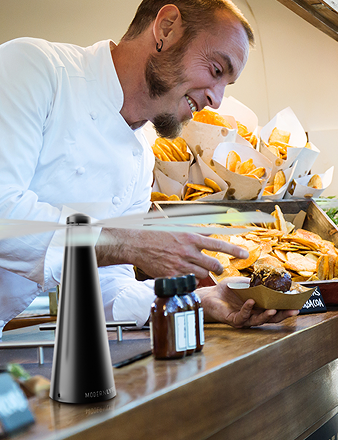
Tired of swatting flies while you eat? We've all been there. The best way to handle these pests isn't just reacting—it's having a smart strategy. You need to actively repel them with a fly fan and proactively remove what attracts them. This approach is a game-changer, moving you beyond temporary fixes like fly swatters to create a truly fly-free zone.
A Modern Strategy for a Fly-Free Home
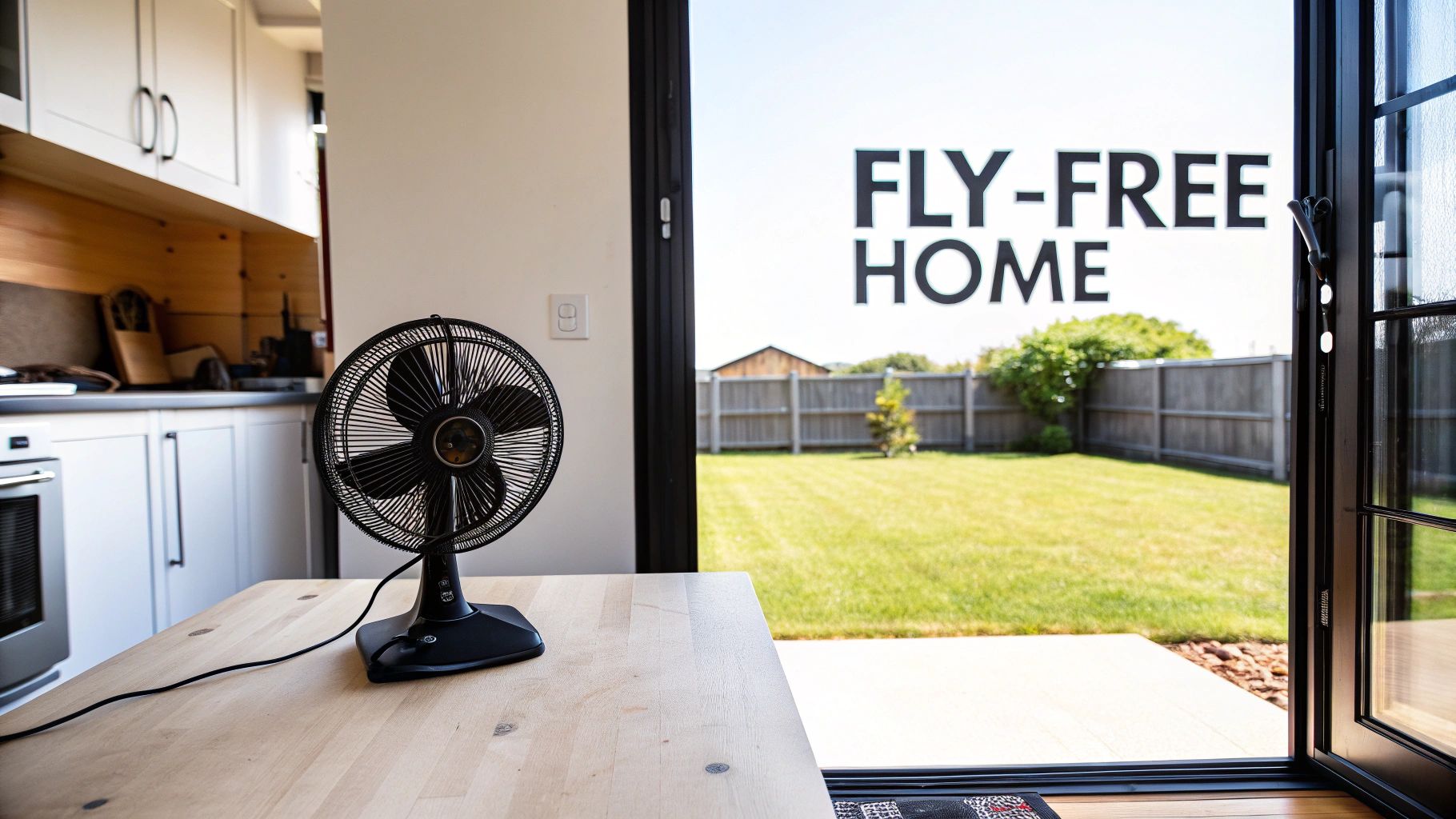
Let's be direct: nothing ruins a meal or a barbecue faster than flies. The constant buzzing is more than annoying; it’s unhygienic. For years, the go-to solutions have been messy fly traps, chemical sprays, or a fly swatter. But these are all reactive—they only deal with flies that are already crashing your party.
It's time for a smarter strategy that works. The idea is simple: create an environment where flies don't want to be.
A Two-Part Approach to Shoo Away Flies
The secret is combining active defense with preventative measures. Instead of waiting for flies to show up, make your space completely uninviting from the start.
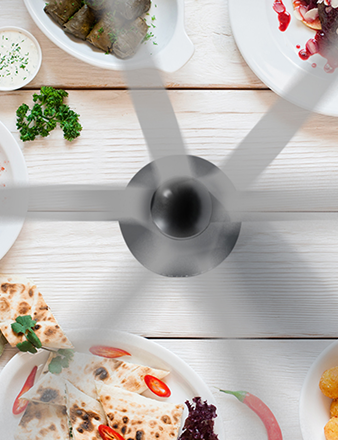
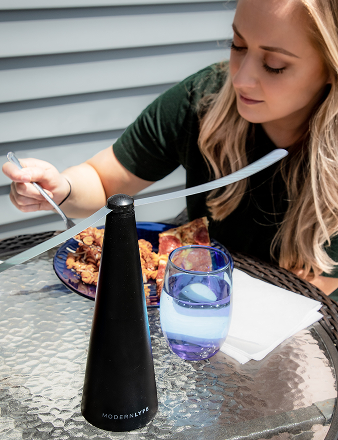
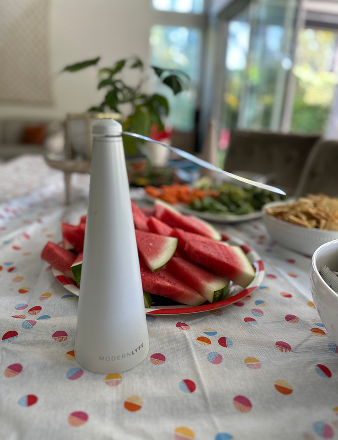
- Active Air Defense: Use the power of air currents. A tabletop fly fan creates a gentle breeze that disrupts a fly’s flight. Their wings can't navigate the moving air, making it impossible for them to land near your food.
- Proactive Prevention: This means removing the "welcome mat" for flies. It’s all about simple habits—managing food scraps, cleaning spills, and making sure they don't have easy ways into your home.
By combining these two tactics, you stop fighting the symptoms and start solving the problem. It's a sustainable way to keep your kitchen, patio, or any event enjoyable.
This isn't about an endless battle of swatting and spraying. It’s about reclaiming your space. Learn more about how a simple fly fan can be the cornerstone of your new pest-free strategy. Master both active repellents and smart prevention to finally get lasting peace from these pests.
Why We've Moved On From Old-School Fly Control
For generations, when a fly buzzed in, we grabbed a flyswatter or bug spray. It was a reflex. But these classic methods have a massive flaw—they're completely reactive. You're always playing catch-up, dealing with flies that are already there.
Take chemical sprays. They can kill a fly, but you're left with a temporary fix and chemicals lingering where you eat. It does nothing to stop the next fly from showing up minutes later. You're just stuck in a constant loop of spraying.
And sticky fly tapes are just gross. These strips hang there, passively waiting for a fly to make a mistake. They don't shoo away flies at all. Soon, you have a dangling, insect-covered eyesore that you don't want guests or customers to see.
The Problem with Playing Defense
The real issue is that traditional methods only treat the symptom—the one fly you can see—not the root problem. Smacking a single fly feels satisfying for a second, but it doesn't discourage the dozens of others waiting to take its place. It's an exhausting and losing battle.
At its core, these tools don't create a no-fly zone. They're designed for a war you can't win, especially if there's a constant source of flies nearby. What's needed is a proactive strategy, not just a reactive one.
This push for better solutions is a global trend. The pest control market was valued at USD 14.87 billion in 2024 and is projected to hit USD 15.69 billion by 2025. People are actively searching for smarter, healthier ways to handle pests. You can dig into the pest control industry trends yourself. This market shift says it all: it’s time for a more intelligent approach.
Using Airflow to Keep Flies Away for Good
The secret to getting rid of flies isn't a harsh chemical or an ugly trap. It’s simpler: moving air. Fly fans use a fly's own biology to create an invisible forcefield they can't cross. This is how you shoo away fly problems without constant swatting.
Flies are acrobats in calm air, but their sensitive wings and compound eyes are their downfall in a breeze. A fly fan creates gentle but chaotic air currents that make it impossible for them to navigate. They can't fight the turbulence, and the swirling air disrupts their vision, so they can't even try to land.
This infographic shows the frustrating cycle of dealing with flies—a reactive approach that never solves the problem.
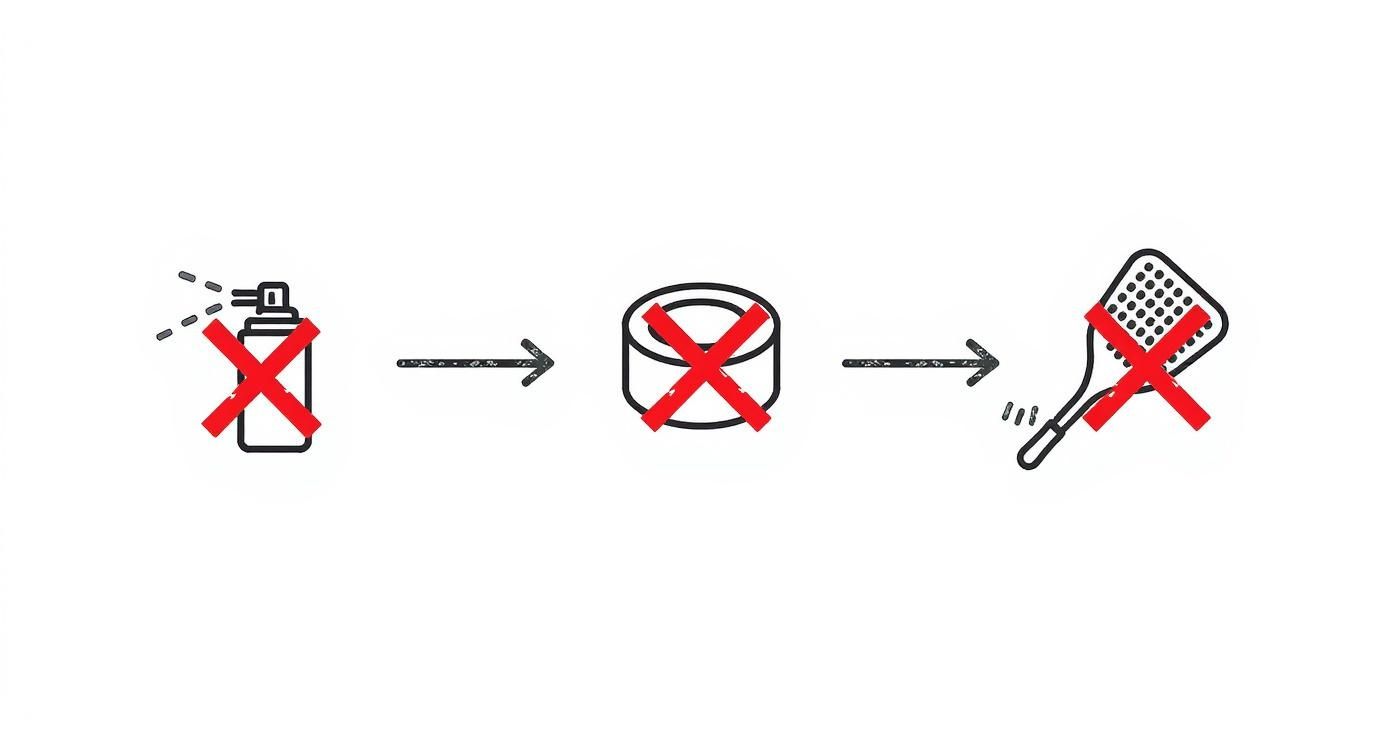
Unlike a swatter that gets one fly at a time, a fan creates a continuous, protected zone.
Smart Placement is Everything
Where you put your fly fans is just as critical as turning them on. Create overlapping zones of air movement over the spots you need to protect. Don't think of it as a single spotlight; aim for broad, consistent coverage.
- Backyard Barbecue: Place one or two fans on the main table where the food is, with the blades spinning directly above the burgers and potato salad. A separate drink station needs its own fan, too—flies love sugary spills.
- Kitchen Island: A single fan in the middle of your kitchen island is usually enough to guard the whole surface. It’s a lifesaver when you're prepping food or have a fruit bowl out.
Pro Tip: The goal is to set up an active barrier right where flies want to land. The breeze is so gentle you'll barely feel it, but for a fly, it's an impenetrable wall that turns your gathering into a no-fly zone.
Getting the most out of any fan comes down to placement and air circulation. For larger fans, these creative ceiling fan placement ideas offer great tips for maximizing airflow in a room.
And if you’re curious about the science, check out our deep dive that answers the big question: https://modernlyfe.com/blogs/articles/do-fly-fans-work. It will give you all the confidence you need in this simple, effective solution.
Creating a No-Fly Zone With Smart Prevention
While fly fans are on active duty, the long-term victory comes from making your space unappealing to flies. Think of it as proactive defense. Instead of just swatting them, you’re removing what invites them over.
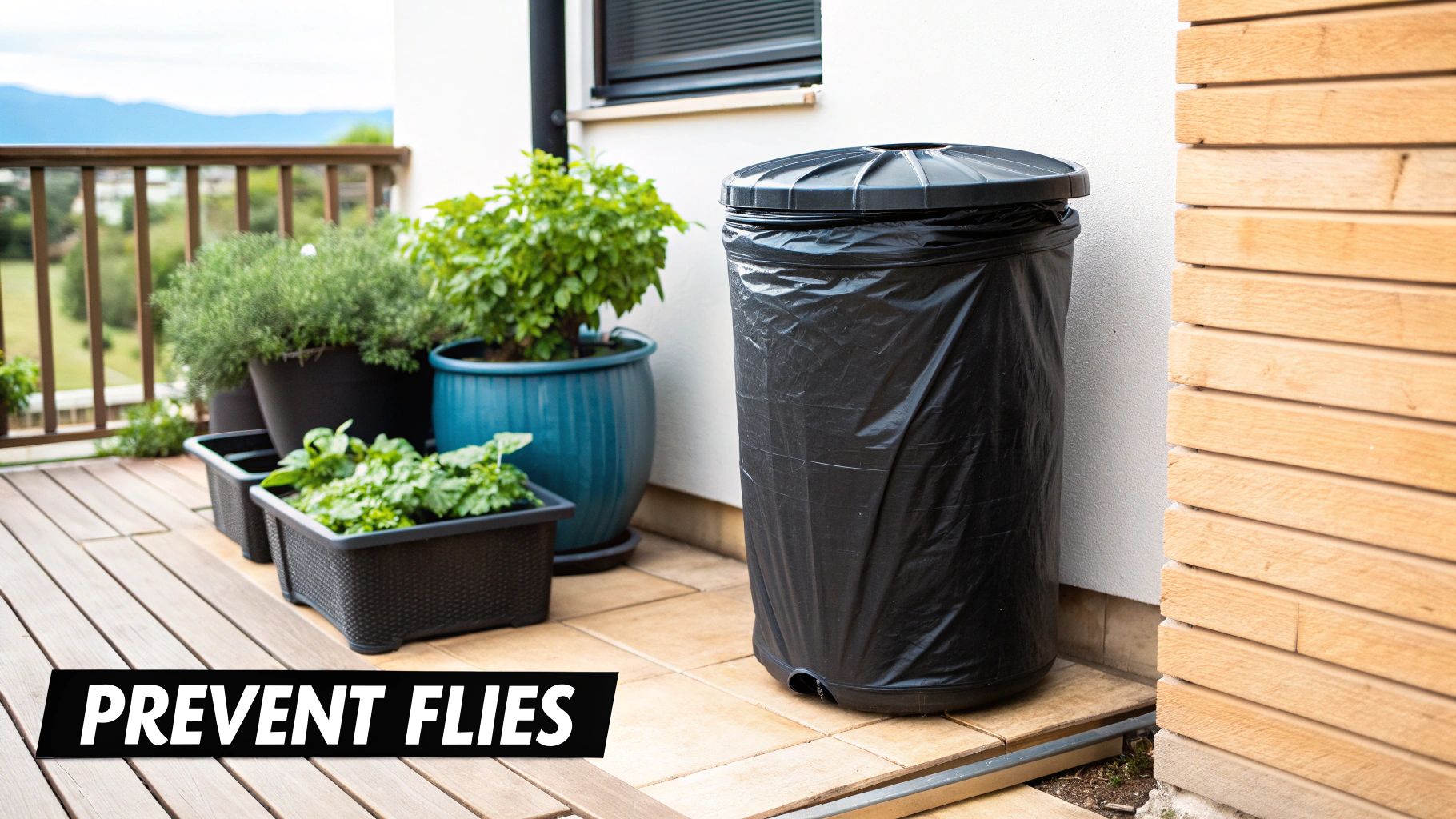
Flies are constantly searching for fermenting organic material to lay eggs. An overflowing kitchen trash or forgotten compost pail is a five-star resort to them. Simply ensuring all your waste is in tightly sealed containers cuts off their main reason for being there.
This mindset goes beyond the trash can. A few consistent habits are your most powerful weapon against flies.
Your Practical Prevention Checklist
To build that no-fly zone, think like a fly. They need food, water, and a way in. Your job is to eliminate all three.
- Cut Off the Buffet: Bag all trash securely and ensure outdoor bin lids are shut tight. If you have a compost pile, keep it in a sealed container and turn it regularly.
- Dry Up Watering Holes: Get rid of any standing water. Check for clogged gutters, empty saucers under flower pots, and fix leaky outdoor spigots.
- Block All Entrances: Flies can squeeze through tiny openings. Inspect screens on windows and doors for rips or gaps. For a truly sealed home, this guide on flawless bug off screen installation can make a world of difference.
The goal is simple: make your home a barren desert for flies. If there’s nothing for them to eat, drink, or lay eggs in, they'll move on to an easier target.
Natural Aromatic Defenses
You can also put nature to work. Flies dislike the scents of certain herbs. Planting basil, mint, and lavender in pots around your patio and near doorways creates another layer of natural deterrence and smells great to humans.
Of course, never leave food exposed. Our guide on fly covers for food has excellent tips for keeping your meals protected.
Here's a straightforward checklist to help you stay on top of things.
Your Weekly Fly Prevention Checklist
A little routine maintenance goes a long way. Use this simple checklist to keep your home from becoming a fly magnet.
| Area | Action Item | Frequency |
|---|---|---|
| Kitchen | Take out trash and recycling; wipe down bin | 2-3 times/week |
| Outdoors | Check for and eliminate any standing water | Weekly |
| Yard | Ensure compost bin is sealed and turn the pile | Weekly |
| Entryways | Inspect window and door screens for damage | Monthly |
| Pet Areas | Clean up pet waste from the yard immediately | Daily |
Sticking to a schedule like this turns prevention into a habit, ensuring your home stays fly-free.
When reclaiming your space from flies, picking the right tool is everything. What works for a backyard barbecue might not be the best fit for your kitchen. Match the solution to your specific situation.
Battery-Powered vs. Plug-In Fans
Let's start with the common dilemma: battery-powered or plug-in?
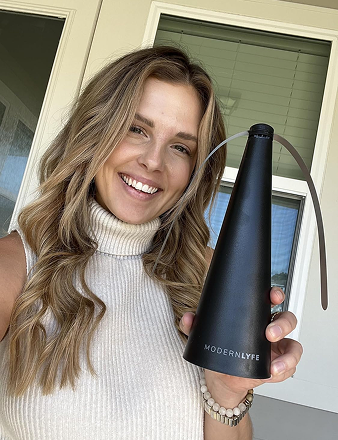
For flexibility, a portable, battery-operated fan is your best friend. Think picnics, food stalls, or camping trips. You can just place it right in the middle of the action—no cords, no fuss. They create a targeted, fly-free zone exactly where you need it most: over the food.
For permanent spots, a plug-in model is the way to go. Consider your kitchen island, a restaurant's buffet station, or a café's checkout counter. These are places where you need constant, reliable protection. The last thing you want is a battery dying during a dinner rush. Plug it in and forget about it.
Fans vs. Other Modern Methods
Fly fans are fantastic, but they're not the only non-chemical option. UV light traps use a glowing blue light to lure flies in and then either trap them on a sticky pad or zap them.
But here’s the critical difference:
UV traps work by attracting flies. They're reactive, pulling pests from the surrounding area towards the device. Fly fans are proactive. They create an invisible barrier of air that prevents flies from ever getting near your food.
For keeping a dining area pleasant, preventing flies from landing is a better strategy than inviting them in to be trapped. The global fly trap market is massive—valued at USD 303.68 million in 2024—and shows how many people are seeking safer solutions. You can dig into the fly trap market trends to see how fast eco-friendly pest control is growing.
Still, for immediate "get away from my plate" protection, a fan's simple air barrier is often the most direct and effective approach.
Modern Fly Control Methods Compared
With many non-chemical options available, it can be tough to decide. This table breaks down the most common methods to help you compare them at a glance.
| Method | How It Works | Best For | Pros & Cons |
|---|---|---|---|
| Fly Fans | Spinning blades create air currents that disrupt a fly's ability to fly and land. | Outdoor dining, picnics, kitchens, buffet lines. | Pro: Proactive; keeps flies away without killing them. Con: Requires a power source (battery or outlet). |
| UV Light Traps | Ultraviolet light attracts flies, which are then trapped on a sticky board or electrocuted. | Indoor areas away from food, commercial kitchens, patios. | Pro: Very effective at reducing overall fly population. Con: Reactive; attracts flies into the area. |
| Sticky Traps / Fly Paper | A non-toxic adhesive surface traps flies that land on it. | Barns, garages, porches, areas with high fly traffic. | Pro: Inexpensive and simple. Con: Visually unappealing and can trap other insects. |
| Ultrasonic Repellers | Emits high-frequency sound waves that are meant to be unpleasant for pests. | General indoor use. | Pro: Silent to humans and chemical-free. Con: Effectiveness is highly debated and varies greatly. |
Ultimately, the best defense is often a combination of methods. Using a UV trap on the perimeter of your patio while placing fly fans on the table gives you a powerful one-two punch against pests.
Your Top Questions About Modern Fly Control, Answered
When you try a new way to deal with pests, questions are normal. Here are the answers to the most common ones.
Are Fly Fans Safe for Kids and Pets?
This is the #1 concern for families. The short answer is yes, they're incredibly safe. These fans are designed with soft, flexible blades that stop the instant they touch something.
My dog has bumped his nose into ours more than once, and he just gets a little tickle. It's a huge relief compared to chemical sprays or bug zappers around little ones.
Do They Work on Mosquitoes, Too?
While they're engineered specifically for flies, the gentle breeze can certainly bother other bugs. The constant air movement makes it tough for weaker fliers like mosquitoes and gnats to land on you or your food.
Think of it as a bonus—you get targeted fly control plus a deterrent for other annoying insects.
What If I Have a Really Bad Fly Problem?
If you're dealing with a full-on invasion, you need to think strategically. One fan might not be enough. Set up several to create an overlapping network of moving air around your dining table or kitchen. This creates a stronger "no-fly zone" that's nearly impossible for them to breach.
Remember, fans are only one part of the solution. You have to get serious about prevention. Be ruthless about sealing trash cans, wiping up spills immediately, and not leaving pet food out. Cut off their food supply, and you'll cut down their numbers.
If you're still swamped, add some sticky traps away from where you eat and relax to help catch stragglers. If the situation still doesn't improve, it might be time to call a professional.
Ready to take back your space? A MODERN LYFE fly fan is the easiest first step to a peaceful, pest-free home.
Find the perfect fan on our website and start enjoying your meals in peace.