The top priority for a successful wedding buffet isn't the food—it's guest flow. A great layout is as crucial as the menu, ensuring a seamless dining experience for everyone.
Building Your Buffet Blueprint for a Smooth Flow
A smart buffet layout prevents traffic jams. The goal is a logical, intuitive path that guides guests from their seats, through the food line, and back again without a hitch.
Start with your venue’s floor plan. Identify high-traffic areas like the bar, dance floor, and entrance. Avoid setting up the buffet right next to these zones. Placing it by the bar, for instance, forces guests to navigate two separate crowds, creating a bottleneck.
Map the Guest's Journey
Picture the path a guest will take. The most effective setups begin with plates at the head of the line—a simple, unspoken cue that says, "Start Here." This prevents confusion and keeps the line moving.
The buffet should end near the seating area, but with enough space for guests to maneuver back to their tables with full plates. You don't want guests trying to balance food while squeezing past seated friends. For more inspiration, see our guide on wedding reception setup ideas.
This diagram shows the simple three-step journey for your guests.
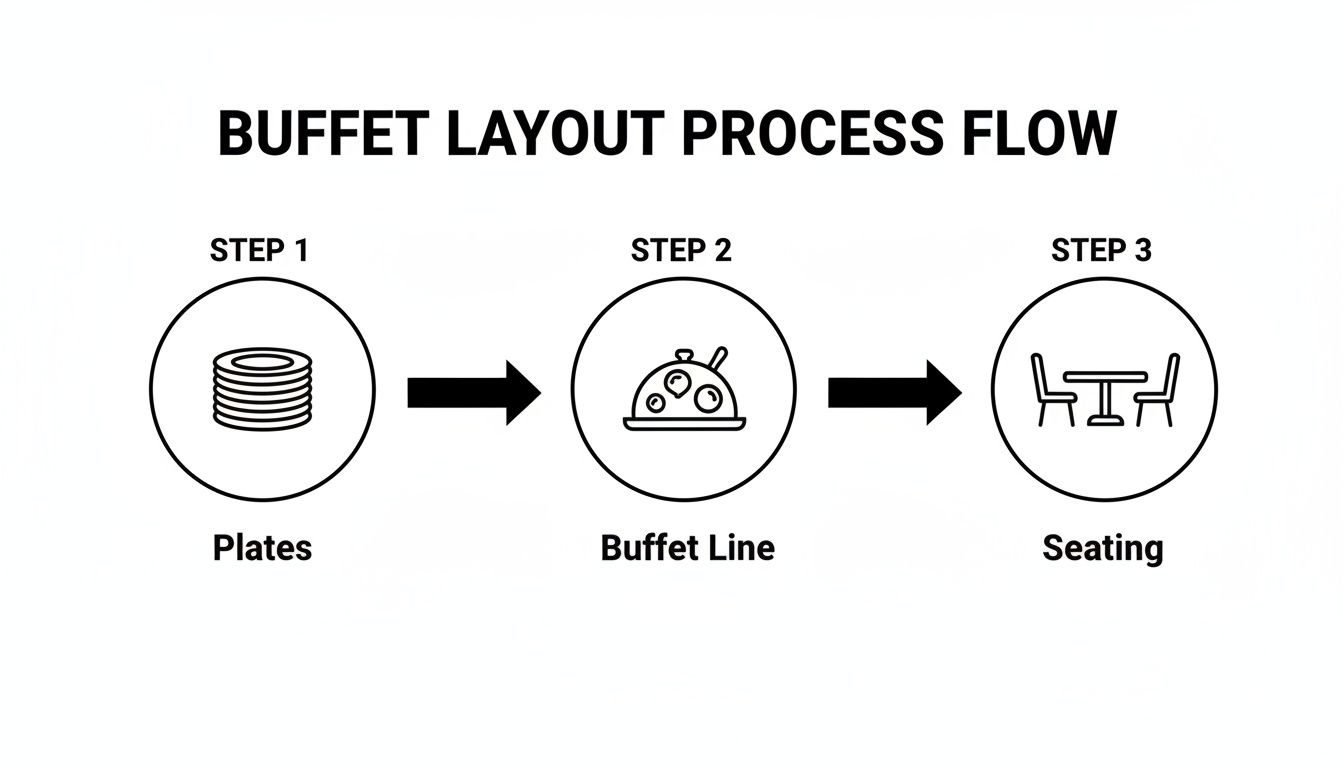
It’s a clear, linear progression: grab a plate, select your food, and find your seat.
Double Up for Larger Crowds
If you're expecting more than 100 guests, a single line will move too slowly. The solution is a double-sided buffet.
A double-sided or mirrored buffet is a go-to strategy for larger weddings. It can cut serving time in half, which makes a huge difference in the guest experience.
By setting up identical arrangements of dishes on both sides of the tables, you create two parallel lines that move at the same time. This is especially critical if you aren't serving a plated first course. A quick trip through the buffet line keeps everyone happy, fed, and ready to celebrate.
Designing a Smart and Appetizing Food Layout
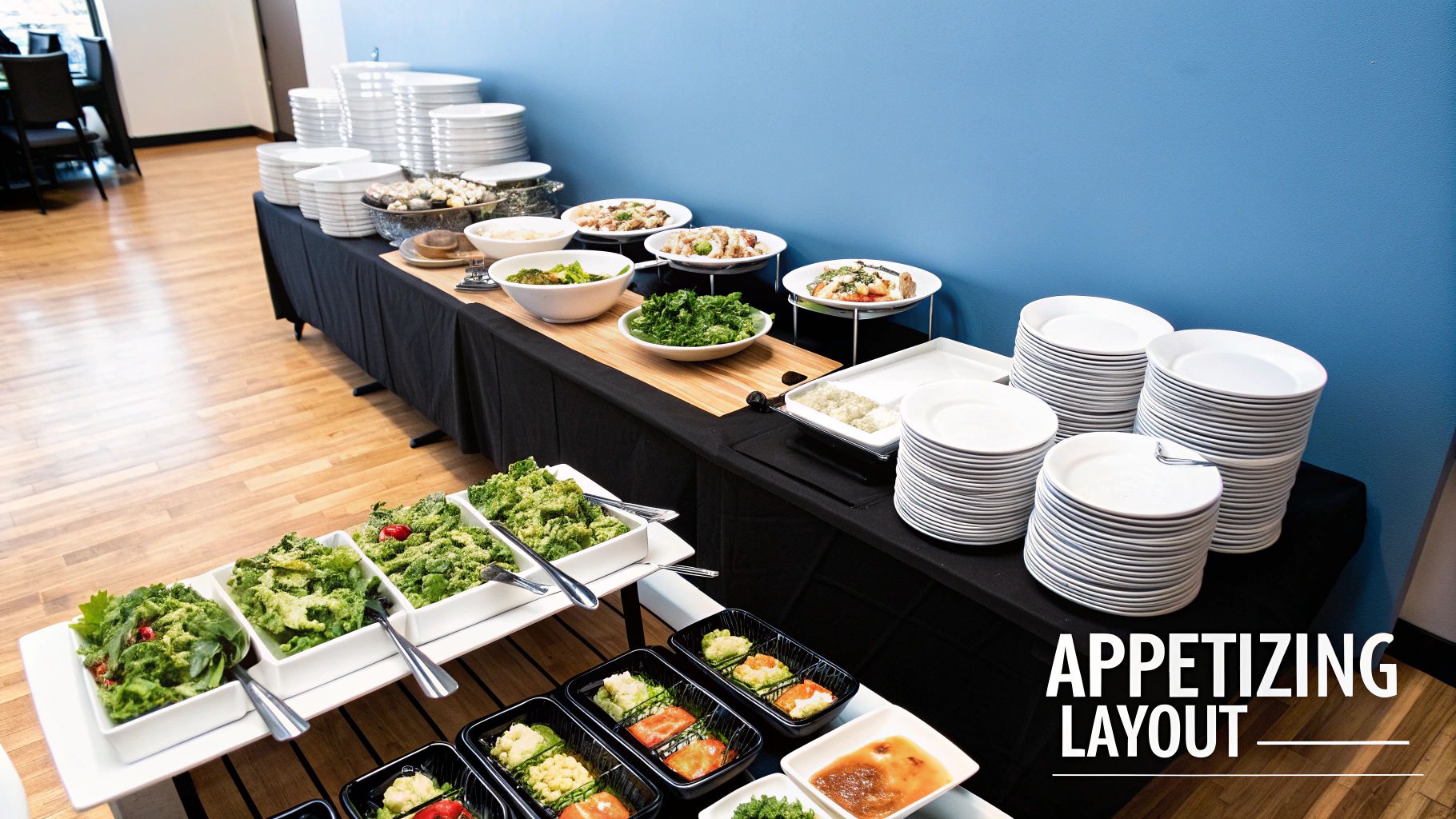
The order of food on your buffet table is strategic. A well-planned layout guides guests intuitively and makes the spread feel generous.
Follow the natural progression of a meal. Begin the line with salads, cold appetizers, and charcuterie boards. This approach meets guest expectations and is a classic catering trick: plates fill with less expensive items first, helping manage costs before guests reach pricier main courses. After the starters, introduce side dishes, then main proteins, and always place bread and rolls at the very end.
Balancing Hot and Cold Dishes
Keeping food at the correct temperature is a constant challenge. To simplify, many caterers use the “80/20 rule.”
The concept is to build a menu where roughly 80% of the dishes are served cold or at room temperature, with only 20% requiring heat. This ratio reduces the burden of temperature management and makes replenishment smoother.
For hot dishes, quality chafing dishes are non-negotiable. If you're new to them, learn about mastering chafing dishes for perfect buffet service. They are key to keeping food safe and tasting great.
A well-designed buffet doesn't just present food; it tells a story. The flow from one dish to the next should feel natural and enticing.
Creating Visual Interest with Height and Texture
A flat buffet table is uninspired. When every dish sits at the same level, guests can’t easily see everything offered. Create visual interest with varying heights to achieve a look of effortless abundance.
Use risers, tiered stands, elegant boxes, or rustic wooden crates to give the table dimension.
Here are a few simple ideas:
- Elevate Key Dishes: Place main courses like beef tenderloin or grilled salmon on risers to draw the eye and signal the anchor dishes.
- Go Vertical with Small Bites: Use tiered platters for appetizers or mini desserts to save table space and add elegance.
- Mix Materials: Combine serving ware with different textures and shapes, like a slate board for cheeses next to a polished ceramic platter for hors d'oeuvres.
This layering technique not only improves the look but also makes food more accessible, ensuring no dish gets hidden.
Styling Your Buffet to Elevate Your Wedding Theme
Your buffet line is a major piece of your reception's decor. Treat it as a focal point to weave your wedding theme into the dining experience, transforming it from a functional station into a stunning visual statement.
The foundation is the linens. The fabric sets the mood instantly. A textured burlap runner over a cream tablecloth is perfect for a rustic chic wedding, while deep navy velvet suits a modern, glamorous affair.
Layering different fabrics, like a sequined runner over a solid color, adds depth and texture. Table skirting also makes an impact; a crisp box-pleat skirt feels formal, while a softly gathered one lends a romantic vibe.
Designing Cohesive Signage and Labels
Polished signage is a key detail in a professional wedding buffet table setup. Food labels identify each dish and serve as a key part of your decor. They should clearly name each item and include notes for common dietary needs like "Gluten-Free," "Vegan," or "Contains Nuts."
Ensure labels match your wedding's visual identity. Use the same fonts, colors, and design motifs from your invitations to create a seamless, high-end look.
Popular label ideas include:
- Tented Cards: Classic, simple, and effective.
- Chalkboard Signs: Ideal for a rustic or vintage theme.
- Acrylic Stands: A sleek, modern option for minimalist decor.
Consider placing a larger, framed menu at the start of the line to get guests excited about the meal.
Your head table is often the most photographed. Carry over key elements like premium linens or floral arrangements to your buffet for a cohesive, high-end feel.
Adding the Finishing Touches
Decorative accents and serving ware take a buffet from standard to stunning. Unique platters, bowls, and utensils that fit your aesthetic make a big difference.
Pull in elements from your other wedding decor. Tuck small floral arrangements that mimic the bouquets between dishes. For an evening reception, candlelight adds a romantic glow—just ensure any open flames are safely enclosed in hurricane glasses.
When you thoughtfully choose every element, from the tablecloth to the tongs, your buffet becomes an unforgettable part of your wedding story.
Essential Food Safety and Hygiene Practices
Food safety is a crucial detail that ensures a positive guest experience. The last thing anyone wants is a foodborne illness associated with your wedding.
It starts with temperature control. The "danger zone" for food is between 40°F and 140°F (4°C and 60°C), where bacteria multiply rapidly.
Chafing dishes are essential for keeping hot dishes safely above 140°F. For cold items, use chilled platters or bowls nestled in ice to keep everything below 40°F.
Preventing Cross-Contamination and Pests
Cross-contamination is another major risk. Every dish needs its own serving utensil—no exceptions. This rule is a massive safeguard, especially for guests with severe food allergies.
For outdoor events, you must contend with pests. Keep bugs away from the food with style.
- Stylish Food Covers: Use elegant mesh dome covers or clear acrylic lids to protect food while keeping it visible.
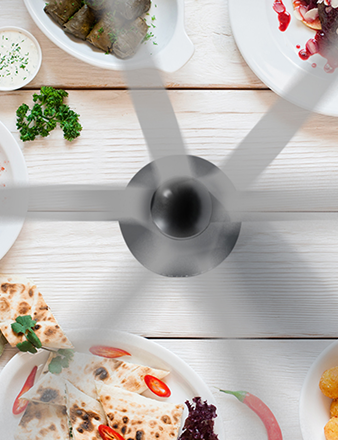
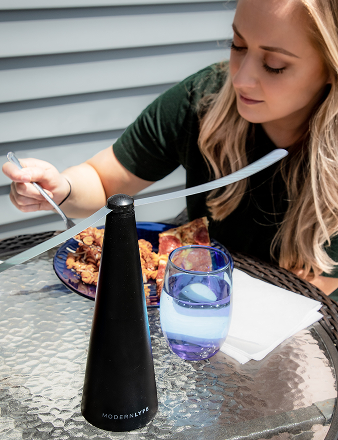
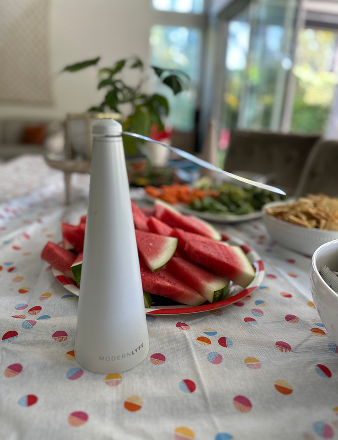
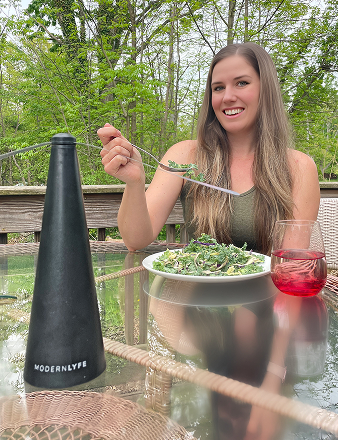
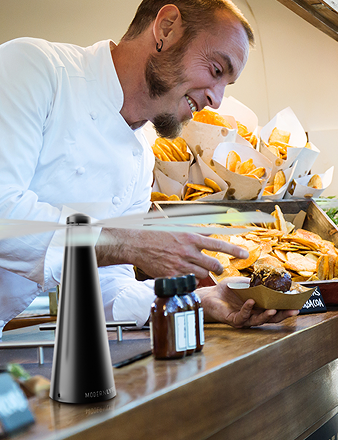
- Discreet Fly Fans: Quiet, blade-free fans from brands like Modern Lyfe can be placed at either end of the buffet. They create enough air movement to deter flies without being distracting.
- Smart Placement: Set up the buffet away from garbage cans, standing water, or thick bushes.
Taking hygiene seriously means guests will remember your amazing food, not an upset stomach. A few proactive steps are all it takes.
Communicating With Your Caterer
Your caterer is your primary partner in food safety. Discuss their hygiene protocols well before the event. A professional team will expect these questions and have clear answers.
Ask how they manage common allergens like nuts, gluten, or dairy. How do they label dishes? What are their kitchen procedures to prevent cross-contact?
For more guidance, consult our detailed guide on how to prevent foodborne illness.
This isn't about being difficult; it's about being diligent. Clear answers will give you the peace of mind to relax and enjoy your celebration.
Here’s a quick checklist to help you cover all your bases:
Buffet Safety Checklist
| Safety Area | Key Action Item | Why It Matters |
|---|---|---|
| Temperature Control | Use chafing dishes for hot food & ice trays for cold food. | Prevents bacterial growth in the "danger zone" (40°F - 140°F). |
| Cross-Contamination | Provide a unique serving utensil for every single dish. | Stops the spread of germs and allergens between food items. |
| Allergen Management | Clearly label dishes containing common allergens (nuts, dairy, gluten). | Protects guests with food allergies from accidental exposure. |
| Outdoor Pest Control | Use food covers and discreet fly fans. | Keeps insects and other pests away from the food, ensuring sanitation. |
| Server Hygiene | Ensure servers use gloves or tongs and practice hand washing. | Prevents the transfer of germs from staff to the food your guests eat. |
| Replenishment | Replace dishes with fresh platters, not by topping off old ones. | Ensures food quality and temperature are maintained throughout the event. |
Reviewing this checklist with your caterer ensures nothing is missed and guarantees a safe, delicious dining experience.
Keeping the Buffet Flawless: Service and Replenishment
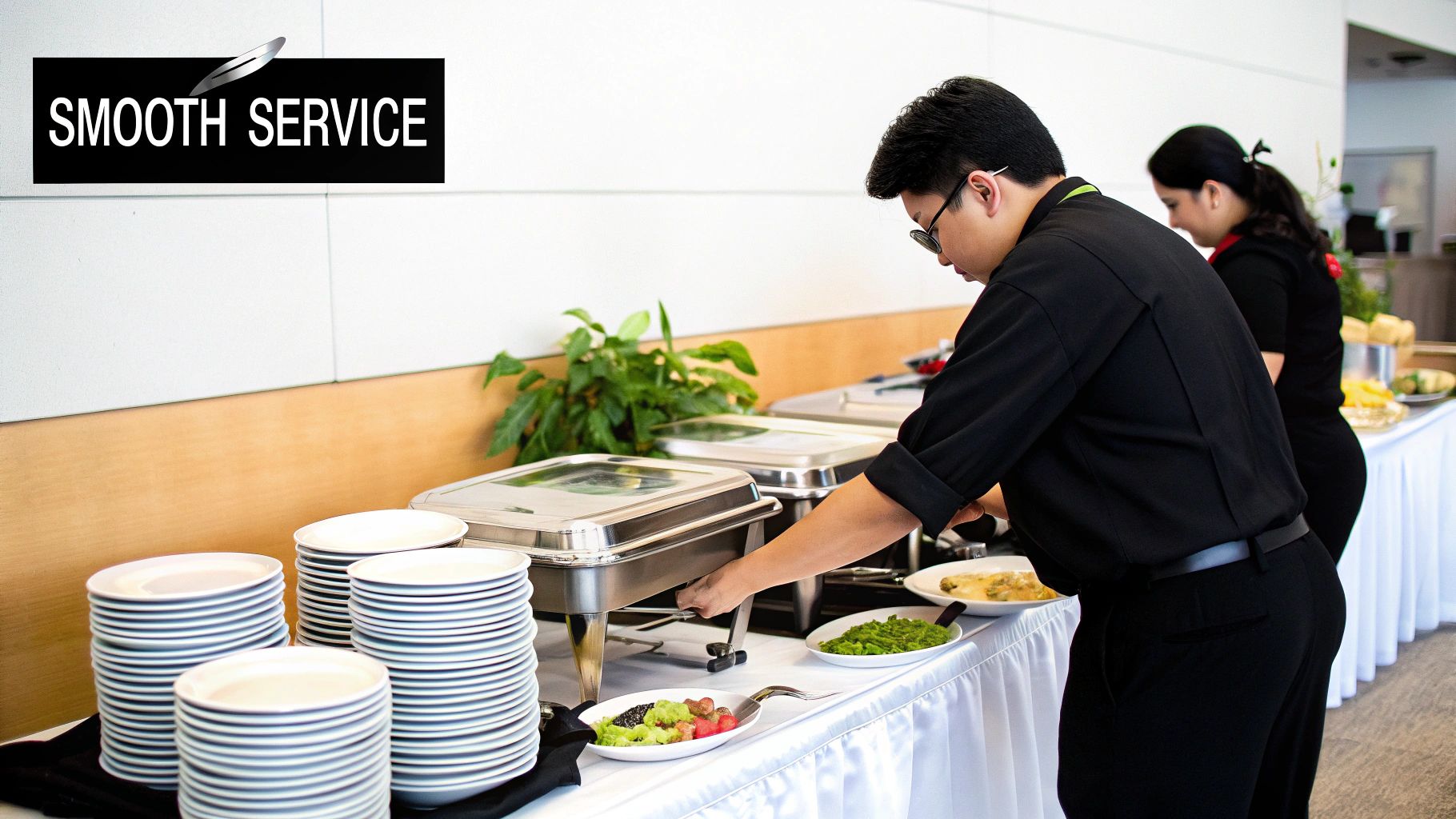
A beautiful buffet is only half the battle. The secret to a memorable dining experience is the behind-the-scenes plan for service and replenishment that keeps food fresh and lines moving.
This is what elevates a good buffet to a great one. The last guest in line should have the same delicious, picture-perfect options as the first.
Staffing for a Seamless Experience
A good rule of thumb is one dedicated server for every 50-75 guests to manage the buffet.
These staff members are the guardians of the food display. Their responsibilities include:
- Monitoring food levels: They spot which dishes are low and alert the kitchen before a tray is empty.
- Keeping the area clean: They constantly wipe spills and tidy platters to keep the setup appetizing.
- Managing serving utensils: They swap out messy or dropped utensils immediately.
- Clearing guest tables: They also help clear used plates, preventing clutter and making room for dessert.
Pro Tip: A dedicated buffet attendant ensures the food line never looks messy or picked-over. The presentation stays top-notch all night.
A clear plan prevents service gaps and keeps the dining experience effortless. A key part of this is keeping hot food hot. Understanding using chafing dishes effectively is non-negotiable.
The Art of Timing and Replenishment
Great buffet flow is about timing. Your caterer should have a strategy for opening the buffet and a system for calling tables in small groups to avoid a logjam.
A pro trick is to have two to three dinner plates available per guest. This prevents the line from backing up while people wait for their first plate to be cleared before getting seconds.
For refilling, swap, don't top. Staff should bring out a completely fresh, full platter from the kitchen instead of adding food to a half-empty dish. This looks better and is a crucial food safety practice.
This smooth operation requires having everything ready. A detailed catering equipment checklist is essential to ensure enough backup platters, chafing dishes, and serving tools are on hand. These details create a five-star experience that feels effortless to your guests.
Answering Your Top Wedding Buffet Questions
Even the most well-planned wedding has last-minute questions. Here are answers to common queries about buffet setups to put your mind at ease.
A common worry is ordering enough food. While your caterer is the expert, a solid guideline is to budget for one pound of food per guest, not including dessert. This typically breaks down to a half-pound for main proteins and another half-pound for sides.
How Many Buffet Lines Do We Really Need?
The number of lines impacts the guest experience. No one wants to spend cocktail hour in a queue.
For an intimate wedding of 75 guests or fewer, a single buffet line works well.
As the guest list grows, adjust your strategy:
- 75-150 Guests: A double-sided buffet is best. It creates two lines, slashes wait times, and prevents a dinner traffic jam.
- 150+ Guests: Use two separate, double-sided buffet stations, ideally on opposite sides of the room. This disperses the crowd and encourages mingling.
The goal is to keep the energy up and the party moving.
Should We Serve a Plated First Course?
Serving a plated first course like a salad or soup is a game-changer for managing guest flow. It gives guests something to enjoy immediately and eliminates the initial rush to the buffet.
A plated starter allows your coordinator to gracefully dismiss tables one by one. It feels organized and sophisticated, ensuring a relaxed transition to the main meal.
This hybrid approach combines the variety of a buffet with the elegance of a plated dinner.
What’s the Best Way to Handle Dietary Restrictions?
Clear communication is critical. Every guest should feel confident about what they're eating. The best method is clear, easy-to-read labels for every dish.
Include key identifiers beyond the dish name:
- GF (Gluten-Free)
- V (Vegetarian)
- VG (Vegan)
- DF (Dairy-Free)
- Contains Nuts (Always spell this out!)
For guests with severe allergies, have a knowledgeable catering staff member near the buffet to answer specific questions about ingredients or cross-contamination. This extra care shows your guests you’ve thought of everything.
Keep your celebration pest-free with elegant, effective solutions from MODERN LYFE. Our quiet and stylish fly fans are the perfect addition to any wedding buffet, ensuring your food stays fresh and your guests stay comfortable. Explore our collection and find the perfect match for your event today!