A wedding reception checklist is your blueprint for a seamless celebration. It breaks the entire process into clear, manageable steps, guiding you from big-picture vision to day-of details. It all starts with three key elements: your vision, your budget, and your guest list.
Laying the Groundwork for Your Reception
Planning a reception can feel overwhelming, but it doesn't have to be. Start with a strong foundation built on clear decisions. This first phase, which typically begins 12 to 15 months out, is all about defining the big picture.
When you lock in your vibe, budget, and guest list first, every other decision becomes simpler. This approach transforms a massive project into a series of achievable goals, setting you up for success from day one.
This timeline shows those critical first steps. Establishing your vision, setting a budget, and drafting your guest list are the building blocks of your entire reception plan.
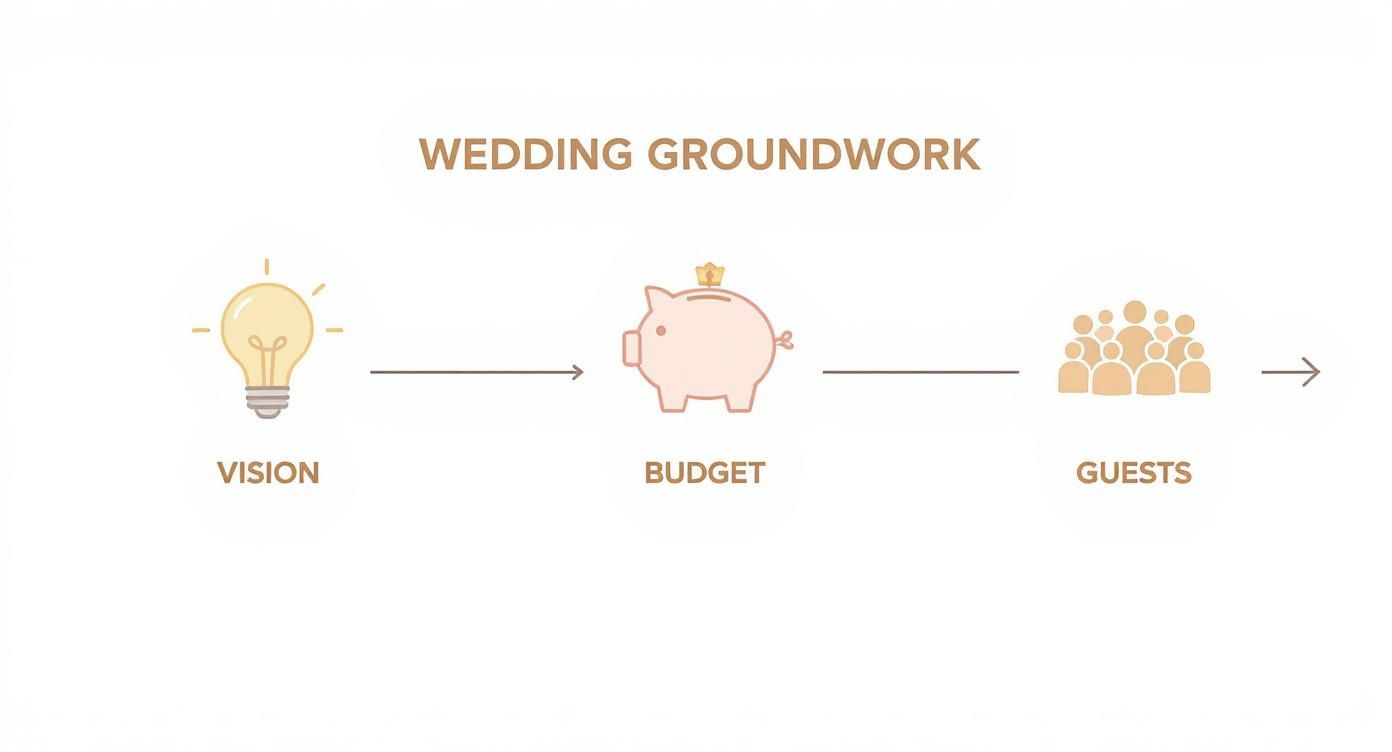
The infographic highlights how interconnected these first decisions are. Your vision shapes your budget, and your guest count directly impacts both.
Here’s a clear look at the essential first steps for planning your reception.
Your 12-Month Wedding Reception Kick-Off Plan
| Milestone | Key Actions | Why It's Critical |
|---|---|---|
| Define the Vision | Decide on your reception's theme, mood, and style. Talk about the feeling you want. | This becomes your North Star, guiding all future decisions, from venue to playlist. |
| Set the Budget | Determine your total wedding budget and allocate 40-50% for the reception. | A clear budget prevents overspending and helps you prioritize what truly matters to you. |
| Draft the Guest List | Create a preliminary guest list with input from both families. Don't worry if it's long initially. | Your guest count is the biggest factor in your venue size and catering costs. You can't book a space without it. |
Getting these three pillars in place early makes the rest of the planning process more organized and less stressful.
Define Your Reception Vision
Before looking at venues, sit down with your partner and talk. This is the fun part. Are you picturing a classic, black-tie affair in a ballroom, or a laid-back party in a rustic barn?
Focus on the feeling you want to create. Do you want a high-energy dance party with a live band? Or something more intimate and conversational with soft music? This vision guides you. For example, a couple who loves the outdoors might focus on tented receptions, which immediately narrows the venue search and informs decor choices. For inspiration, check out these stunning outdoor wedding reception ideas to see how different themes come to life.
Set a Realistic Budget
With the dream in mind, it's time for the numbers. This part is tough but non-negotiable. Start by deciding on the total amount you can comfortably spend on the entire wedding. From there, earmark about 40-50% for the reception.
Break down the reception budget into major categories:
- Venue and Catering: Usually the largest expense, covering the space, food, and drinks.
- Entertainment: Your DJ or band.
- Décor and Florals: Centerpieces, lighting, and atmospheric touches.
- Photography and Videography: Capturing the memories.
- Attire and Rings: Key parts of the overall budget, though not exclusive to the reception.
A common mistake is forgetting hidden costs. Taxes, gratuities, and service fees can add another 20-30% to your final bills. Always ask vendors for an all-inclusive quote to avoid surprises.
Build Your Preliminary Guest List
Your guest count drives your budget and venue choice. You can't book a space without knowing how many people to expect.
Start a spreadsheet. Have you and your partner list everyone you want to invite, and ask your families to do the same. This first draft will likely be longer than your target, and that's normal. From there, you can work together to trim it down. This process forces you to set priorities and makes finding the right-sized venue much easier.
As you pull these pieces together, a structured plan is a lifesaver. Use a comprehensive wedding reception timeline template to keep everything organized. The average U.S. couple spends 15 months planning their wedding for a reason—it's a complex process. A detailed checklist is essential for managing everything without getting overwhelmed.
Assembling Your Vendor Dream Team
With your vision and budget set, it's time to build your team of professionals. This is where the magic happens, usually around the 9-12 month mark. Your vendors are the architects of your celebration.
The key is to prioritize. In-demand photographers or popular venues can book up over a year in advance. Securing these big-ticket vendors first ensures you lock in your date and can build the rest of your team around that foundation.

Prioritize Your Bookings
You don't need to book everyone at once. Trying to do so will only cause stress. A logical booking order makes the process smoother and leads to better decisions. It's like building a house—you pour the foundation before you pick out pillows.
Here is the recommended booking order:
- Wedding Planner (if hiring one): This should be your first call. A great planner helps you find the right venue and vendors for your style and budget, often saving you time and money.
- Venue: This is the big one. Your venue locks in your date and location, which every other vendor will need to know.
- Photographer & Videographer: The best creative talent gets booked quickly. Start your search early to find someone whose work you love.
- Caterer & Entertainment (DJ/Band): These two vendors define the guest experience. Great food and a packed dance floor are what people remember most.
Secure Your Venue First
Your reception venue is the canvas for your entire event, making it the most critical initial booking. Once you have a date secured with your venue, the other pieces of the puzzle will start falling into place.
During site tours, look beyond the scenery. Ask practical, detailed questions to avoid surprises later. For example, does the venue have an exclusive list of caterers? That detail alone can dramatically affect your food options and budget.
Pro-tip: Always ask for a complete cost breakdown. Some venues have hidden fees for cake cutting or security that aren't advertised upfront. Knowing the total investment before you sign is essential.
Choose Your Photographer and Videographer
After the venue is booked, find the artists who will document your day. A photographer or videographer's portfolio should resonate with you. Are you drawn to bright, airy photos, or a more dramatic, cinematic style?
When you meet potential candidates, pay attention to the vibe. This person will be by your side for hours on an emotional day. You need to feel comfortable and confident with them.
Book Your Caterer and Entertainment
Now for the party. Your caterer and your DJ or band set the tone for the reception. A tasting with potential caterers is non-negotiable—you have to experience their food. It's also the perfect time to discuss menu ideas that fit your theme and address any guest dietary needs. Our catering equipment checklist can help you cover all the details.
For entertainment, decide between the energy of a live band or the variety of a great DJ. Always ask for sample playlists or, even better, a video of them performing at a wedding. This gives you a real feel for how they manage a crowd and the flow of an evening.
Staying organized is crucial as you contact vendors. A solid wedding vendor checklist template helps you track contacts, quotes, and booking details in one place.
Finally, before signing anything, read every word of the contract. Pay close attention to the payment schedule, cancellation policy, and what services are included. A clear contract protects both you and your vendors and sets the stage for a spectacular reception.
Crafting an Unforgettable Guest Experience
Around the 6 to 9-month mark, your planning shifts from logistics to the guest experience. This is where you add the details that make your reception a true reflection of you as a couple.
Now is the time to nail down a cohesive vision that connects everything from your save-the-dates to the final song. Think of it as a creative thread weaving through your celebration, making every element feel intentional and personal.
Designing a Cohesive Atmosphere
Your reception's theme is its soul. It doesn’t have to be over-the-top; it can be as subtle as a feeling, like "cozy garden party," or a color palette, like deep jewel tones with gold accents.
For example, if you love a modern, minimalist vibe, your save-the-dates might feature clean lines and sans-serif fonts. That aesthetic would then carry over to the reception with simple centerpieces, neutral linens, and uplighting that highlights the venue’s architecture. Consistency is key. When every element speaks the same design language, it shows your guests that every detail was chosen with care.
Collaborate closely with your creative team—your florist, stationer, and decor rental company. Create a shared mood board on a platform like Pinterest. It’s the best way to get everyone on the same page and turn abstract ideas into a tangible reality.
The Fun Part: Menu and Cake Tasting
Few tasks on your wedding reception planning checklist will be as enjoyable as the tastings. This is your chance to plan the culinary experience for your guests. When you meet with your caterer, think beyond the main course.
- Cocktail Hour: Will you serve passed hors d'oeuvres, stationary platters, or a mix? A combination encourages mingling.
- Dinner Service: Do you want a formal, seated dinner, a relaxed buffet, or interactive food stations? Each option creates a different vibe.
- Dietary Needs: This is a must. Your RSVP card needs a clear space for guests to note allergies or dietary restrictions (vegetarian, gluten-free, etc.). Confirm with your caterer how these special meals will be handled to prevent any day-of issues.
And then there's the cake. Don't feel pressured to choose a traditional flavor. This is another opportunity for your personalities to shine. Maybe you both love lemon raspberry, or a decadent chocolate salted caramel cake reminds you of a first date. Go for it.
Elevating the Experience with Modern Guest Comfort
An unforgettable wedding is about making guests feel genuinely cared for. It’s about anticipating their needs.
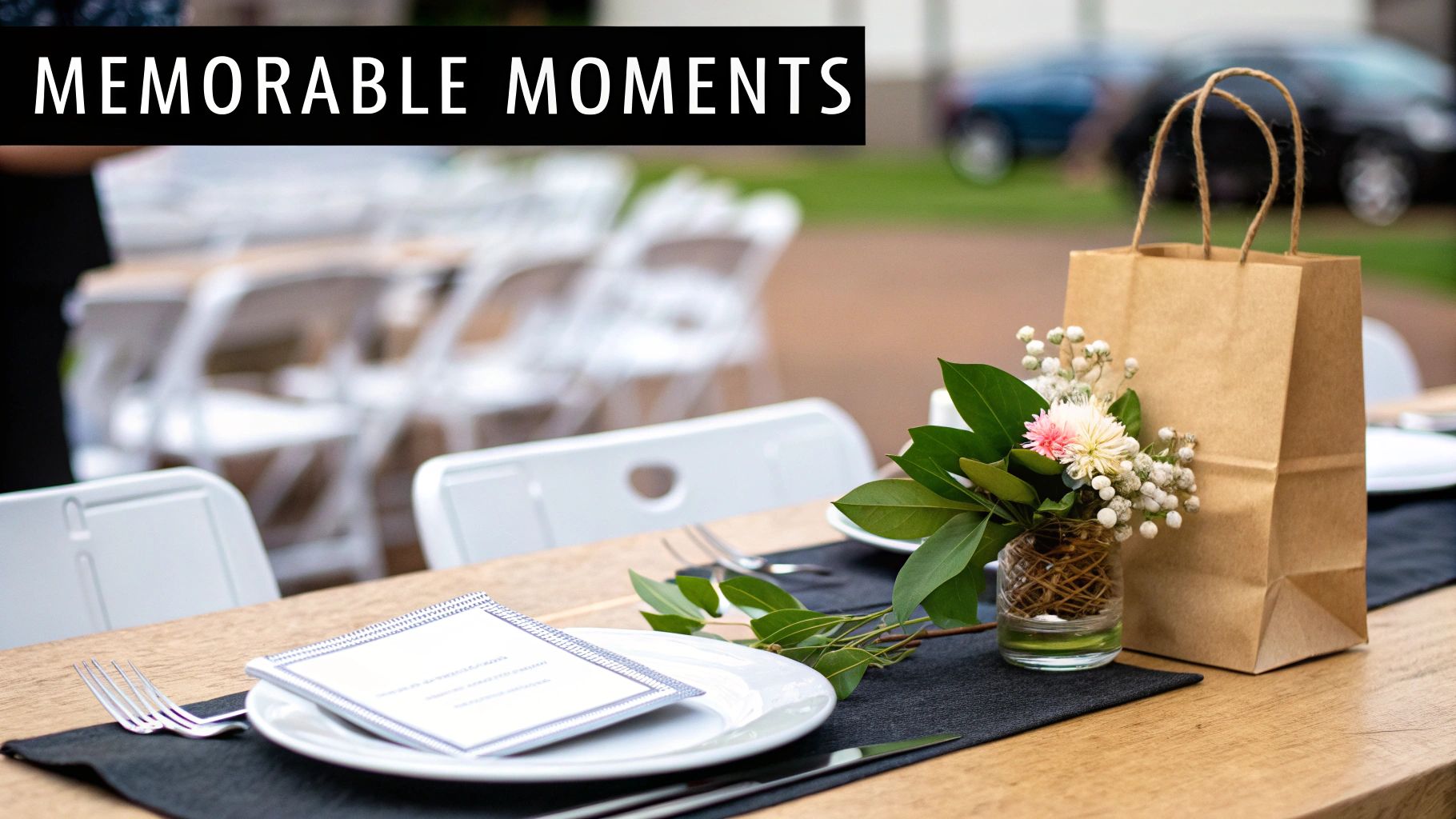
A memorable wedding isn't just about beautiful decor; it's about how you make your guests feel. Simple gestures of comfort and consideration are what people remember long after the last dance.
Here are a few modern comforts that make a big difference:
- Welcome Bags: For out-of-town guests, a bag with a local snack, a bottle of water, and a weekend itinerary is a warm welcome.
- Clear Signage: No one likes to feel lost. Tasteful, easy-to-read signs for the gift table, guest book, restrooms, and bar help the evening flow smoothly.
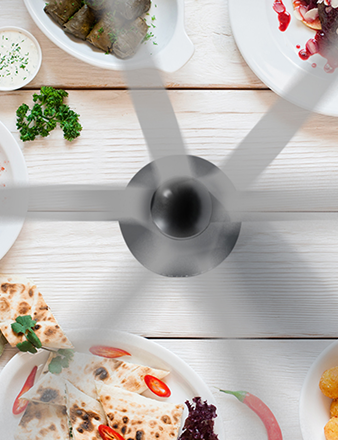
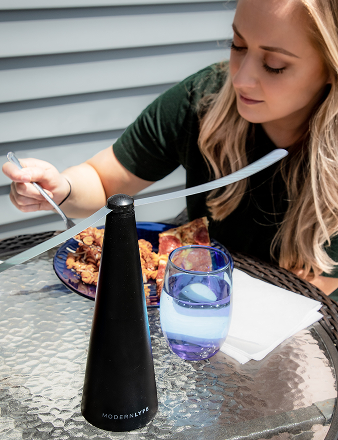
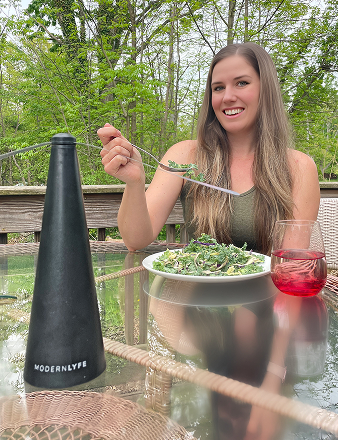
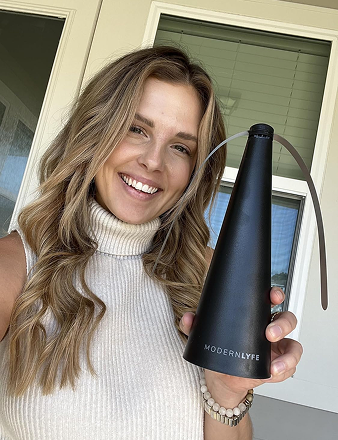
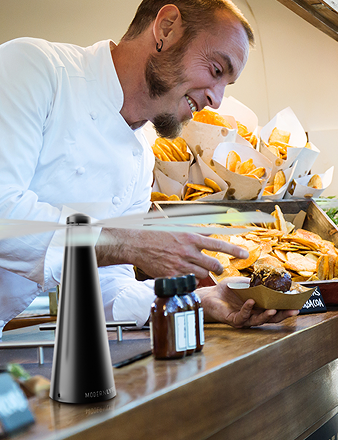
- Outdoor Event Essentials: If any part of your reception is outside, guest comfort is paramount. Provide fans to keep things cool. For a practical and elegant touch, place stylish Modern Lyfe fly fans on buffet tables or near seating areas to keep insects away without disrupting your decor.
- A "Just in Case" Basket: Stocking restrooms with a basket of mints, safety pins, hairspray, and bandages is a small detail that shows immense thoughtfulness.
This stage of planning is about weaving your story into every detail. From florals to small, considerate gestures, these personal touches will transform your reception into a cherished memory for everyone.
Crunch Time: The Final 3 Months
As the wedding day approaches, your focus shifts to logistics and execution. The last three months are about pulling all your plans together. This is where your wedding reception checklist proves its worth.
You’re about to send invitations, which means RSVPs will soon follow. The final guest count is the magic number that dictates your catering bill, seating chart, and the entire reception layout.
Nail Down Your Guest Count and Seating Plan
The ideal time to mail your invitations is eight weeks out. Set a clear RSVP deadline, usually three to four weeks before the wedding. This gives you a buffer to chase down stragglers before you have to give final numbers to your vendors.
Once the RSVPs are in, it's time for the seating chart. This can feel like a puzzle, but a little strategy makes it manageable.
- Start with the VIPs: Place yourselves, your wedding party, and immediate families first. These tables anchor the room.
- Group by Connection: Seat people with others they know—college friends at one table, work friends at another. This ensures everyone has a conversational starting point.
- Play Matchmaker (Platonically): Mix personalities. Seat outgoing friends with quieter guests to help get conversations flowing.
A thoughtful seating chart isn't just about finding a spot for everyone. It’s about creating a warm, lively atmosphere where people can connect.
Create the Master Day-Of Timeline
The day-of timeline is the master script for your wedding. It’s a detailed, minute-by-minute schedule you’ll share with every vendor. When your whole team works from the same playbook, the day runs smoothly.
An effective timeline includes more than just the ceremony and first dance. Be sure to add:
- Vendor Logistics: Note arrival times for floral delivery, the band's soundcheck, and when the catering team needs kitchen access.
- Key Moments: Pinpoint exact times for your grand entrance, first dance, toasts, and cake cutting.
- Meal Service: Coordinate with your caterer on timing for cocktail hour, dinner, and dessert. For buffets, this is crucial for avoiding long lines. Our guide on how to set up buffet tables for events offers great layouts to streamline flow.
- Wrap-Up Times: Schedule when each vendor will pack up and depart.
Send this document to your vendors one to two weeks before the wedding. This gives them time to review it and ask questions, ensuring everyone is in sync.
Handle Final Payments and Legal Details
You're in the home stretch, so it’s time to settle accounts. The venue and catering are typically the largest expenses, often accounting for over 40% of the total budget. And location matters. The latest industry reports show that a wedding in a major city can cost nearly double the national average, which is why locking in your budget early is so important.
My advice: Create a spreadsheet listing each vendor, their final balance, and the due date. Most vendors require final payment two weeks before the event. Staying organized now prevents last-minute financial stress.
Now is also the time to make it legal. Research the requirements in your area for a marriage license. Note any waiting periods and know which documents (like birth certificates and photo IDs) you need. Don't put this off.
Finally, double-check any transportation arrangements and put the finishing touches on your guest favors.
Executing a Flawless Wedding Day
https://www.youtube.com/embed/kZZhx5vdfgs
You’ve made it to the final week. All the planning and checklists are about to pay off. The goal now is to stay calm, trust your plan, and get ready to enjoy the moment.
This last stretch is about smart delegation and final confirmations. Don't try to do it all yourself. The secret to a stress-free wedding day is empowering your support system. When you hand off responsibilities, you give yourself the freedom to be fully present.
Delegate and Empower Your Team
Your wedding party and family want to help—they just need direction. Instead of managing every detail, start delegating.
Assign small, specific jobs. Ask your maid of honor to handle lunch for the getting-ready suite. Task the best man with getting the marriage license to the officiant. These small hand-offs collectively lift a huge weight off your shoulders.
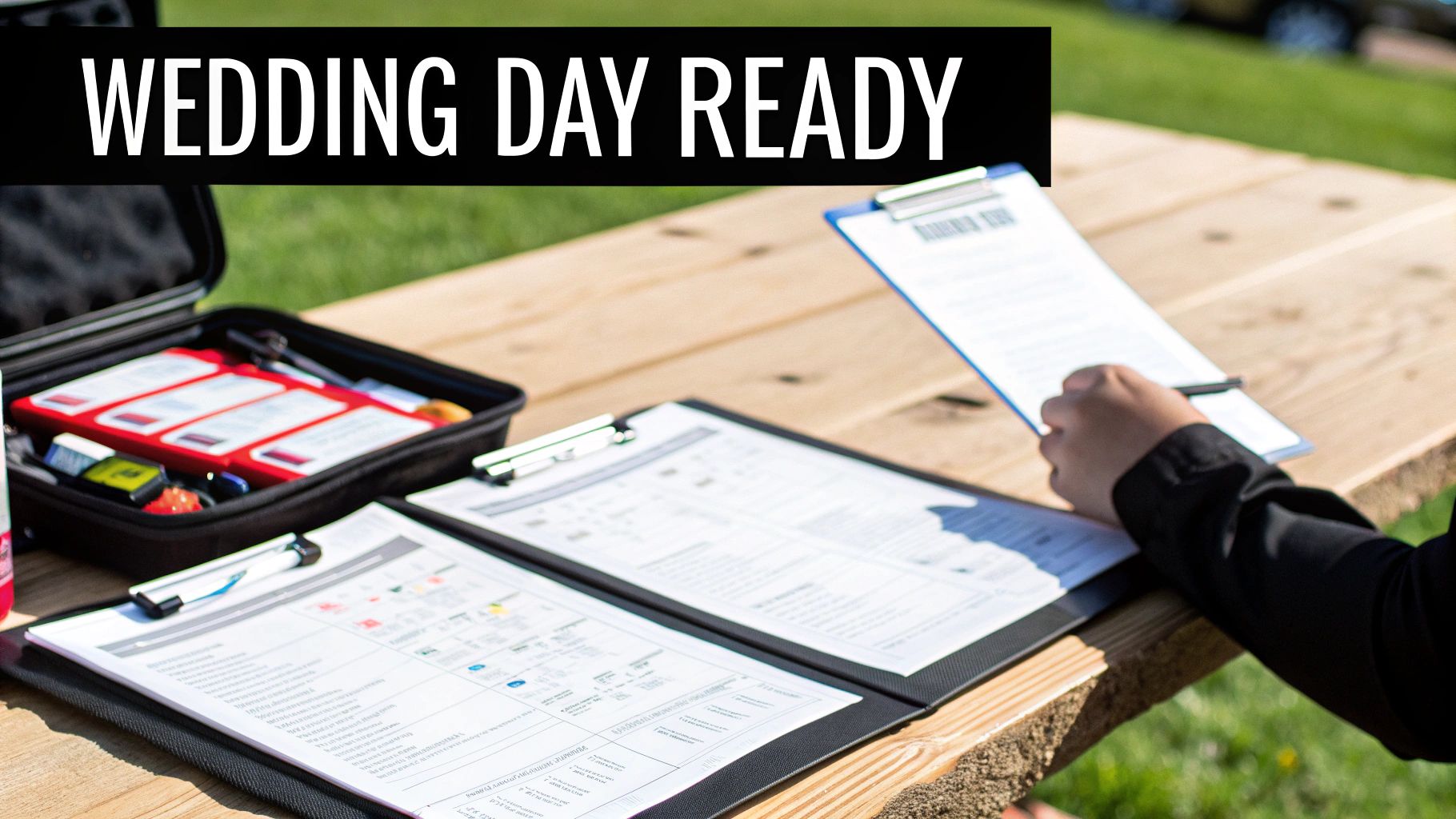
The most critical person to empower is your day-of coordinator or a designated, organized friend. This person is your shield against last-minute issues. Give them the tools they need to succeed.
- Master Vendor Contact Sheet: Provide a printed list with every vendor's name, cell number, and scheduled arrival time.
- Final Timeline Copy: Ensure they have the most up-to-date version of the day-of timeline.
- Emergency Authority: Let them know they have your full permission to make small executive decisions—like moving the DJ if it starts to rain—without bothering you.
Handing over the logistical reins is the best gift you can give yourself on your wedding day. A prepped coordinator can handle a late florist or a missing boutonnière, allowing you to stay blissfully unaware and focused on the joy of the moment.
Final Confirmations and Pickups
This week is about tying up loose ends. A few quick check-ins now can prevent stress later.
Confirm pickup times for all wedding attire. Try everything on one last time with the correct shoes and undergarments to ensure a perfect fit. If anything needs a final steam, now is the time.
You’ll also want to confirm your beauty appointments. Double-check the time and location for hair and makeup, then share the schedule with your wedding party so everyone knows where to be and when.
Assemble Your Day-Of Emergency Kit
Even with perfect planning, small things can happen. A well-stocked emergency kit is your secret weapon for handling any minor hiccup. Pack a tote bag with these essentials.
| Category | Essential Items | Why You Need It |
|---|---|---|
| Wardrobe Fixes | Safety pins, fashion tape, mini sewing kit, stain remover pen | For a popped button, a fallen hem, or a small spill. |
| Personal Care | Pain reliever, allergy medicine, antacids, bandages, mints | To manage a sudden headache, an unexpected allergy, or a minor scrape. |
| Beauty Touch-Ups | Hairspray, bobby pins, blotting papers, lipstick, deodorant | For quick fixes to keep you looking and feeling fresh all day. |
| Just-in-Case | Phone charger, granola bars, small scissors, clear nail polish | For a low battery, a run in stockings, and other random needs. |
Finally, shift the focus back to you. Pack for your honeymoon, get a manicure, and try to get some sleep. You’ve done the work, and your wedding reception planning checklist has guided you here. It’s time to let go and celebrate.
Still Have Questions? We've Got Answers
No matter how thorough your wedding reception checklist is, questions will pop up. It's completely normal. Here are direct answers to common issues couples face.
Think of this as your guide for navigating last-minute hurdles. Knowing how to handle these situations in advance will save you stress and let you focus on the fun.
When Should We Send Our Wedding Invitations?
The ideal time to mail wedding invitations is 6 to 8 weeks before the event. This gives guests enough time to check their schedules, arrange for a babysitter, and RSVP without feeling rushed.
There are exceptions. For a destination wedding or a holiday weekend date, send invites 3 months in advance. Save-the-dates should go out much earlier—about 6 to 8 months ahead—especially for guests who need to book flights.
How Do We Handle Unexpected Guests or Late RSVPs?
This classic wedding headache happens, but it's manageable. Your best defense is a firm but friendly RSVP deadline printed on your invitation. Don't hesitate to follow up with a polite text or call to anyone who misses it.
For day-of surprises, have a backup plan. When you give your caterer the final headcount, ask to budget for one or two extra "just-in-case" meals.
Pro-tip: Designate a point person—your planner or a calm friend—to handle any surprise arrivals. They can quietly work with the venue staff to add a chair and place setting without you ever needing to know.
What Should We Confirm With Our Venue The Week Before?
Schedule a final, detailed call with your venue coordinator during the last week. This is your chance to ensure you are both 100% on the same page.
Here’s a checklist for that final call:
- Final Guest Count: Lock in the absolute final number and review the seating chart.
- Timeline Review: Walk through the entire reception schedule, from vendor arrivals to the last song.
- Final Payment: Confirm the final balance, due date, and preferred payment method.
- Setup Details: Confirm the exact locations for the gift table, cake, and DJ booth.
- End-of-Night Plan: Clarify who is responsible for packing up gifts, personal items, and decor after the event.
Creating a comfortable experience for your guests is the ultimate goal. For outdoor celebrations, that includes keeping flies away from the food. The sleek, silent fly fans from MODERN LYFE are a brilliant solution for protecting your catering spread without clashing with your decor. Explore their collection at modernlyfe.com to add that perfect touch of practical elegance.