A 1.2 volt rechargeable battery is your reusable power source for today's electronics, engineered to replace standard 1.5V disposables. While the voltage seems lower, it’s the secret to their consistent, reliable performance in high-demand devices.
For any business, switching to rechargeables is a smart move to cut operational costs and reduce waste.
Will 1.2 Volts Power Your 1.5V Devices?
The number one question from hospitality and event managers is: "Will a 1.2V battery work in gear that requires 1.5V?" The short answer: yes, perfectly. The key isn't the starting voltage—it's how the battery delivers power over its cycle.
A disposable 1.5V alkaline battery acts like a sprinter. It starts with a burst of energy, but its voltage drops almost immediately and steadily fades. A 1.2V rechargeable is a marathon runner. It maintains a steady 1.2V for up to 80% of its runtime, giving your devices a predictable and consistent power source.
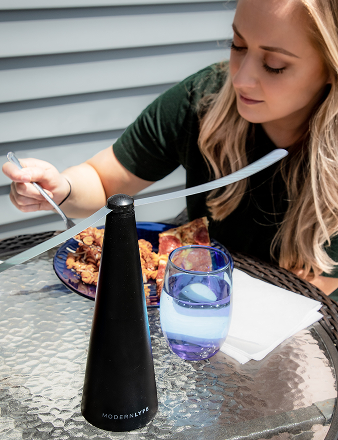
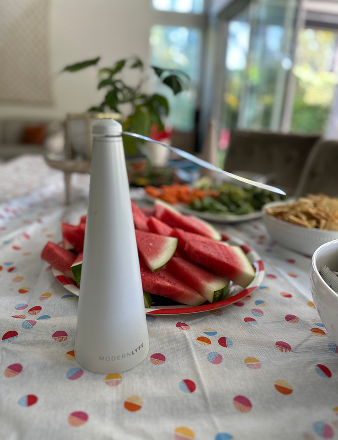
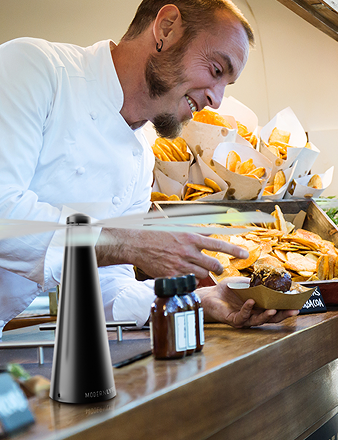
This stable output is why a 1.2V rechargeable battery often outperforms disposables in high-drain equipment like Modern Lyfe fly fans, digital cameras, or wireless microphones. The alkaline battery's voltage dips so fast that a device may register it as "dead" long before it's truly empty. The rechargeable keeps delivering consistent power until it's ready for a recharge.
Let's break down the key differences.
1.2V Rechargeable vs. 1.5V Alkaline
| Feature | 1.2V Rechargeable (NiMH) | 1.5V Alkaline (Disposable) |
|---|---|---|
| Voltage Profile | Steady 1.2V output for most of its cycle. | Starts at 1.5V but drops steadily during use. |
| Best For | High-drain devices (fans, cameras, controllers). | Low-drain devices (clocks, remote controls). |
| Cost | Higher initial cost, but very low cost per use. | Low initial cost, but must be repurchased. |
| Environmental Impact | Reusable hundreds of times, reducing waste. | Single-use, contributing to landfill waste. |
For professional gear in constant use, the rechargeable's consistent performance and long-term value are unmatched.
The Two Main Types of Rechargeables
When shopping for 1.2V batteries, you'll encounter two primary chemistries:
- Nickel-Metal Hydride (NiMH): The modern standard. NiMH batteries offer high capacity, a long service life, and are environmentally friendly. They don't suffer from the "memory effect" that plagued older technologies.
- Nickel-Cadmium (NiCd): Obsolete technology. NiCd batteries hold less charge and contain cadmium, a toxic heavy metal. Their poor performance and environmental risks make them a bad choice for modern applications.
For any business prioritizing reliability, NiMH is the only logical choice. This shift is reflected in the market, which is projected to hit USD 136.17 billion in 2025 and grow to USD 195.40 billion by 2030. You can explore more market trends about rechargeable batteries to see their increasing importance.
Key Takeaway: The 1.2V rating is not a weakness. It signifies stable, consistent power delivery that results in better performance in demanding electronics compared to the fluctuating voltage of a 1.5V alkaline. This makes them a superior investment for professional use.
Choosing the Right Battery Chemistry
When selecting a 1.2 volt rechargeable battery, you're choosing between NiMH and NiCd technology. While they share the same voltage, their internal chemistry creates a massive difference in performance, safety, and long-term value. For a critical task like keeping fly fans running during an event, the right choice is crucial.
Nickel-Cadmium (NiCd) is the older technology. It was dependable in its day but comes with operational headaches that are unacceptable in a modern professional setting.
Nickel-Metal Hydride (NiMH) is the current standard. It was designed to fix the major flaws of NiCd, making it the clear winner for any demanding application.
Why NiMH Batteries Are the Superior Choice
For any business using battery-powered equipment, NiMH batteries deliver tangible benefits that improve efficiency and your bottom line. Their chemistry is a better match for the constant demands of the hospitality industry.
Here’s why NiMH is the undisputed winner:
- Higher Energy Density: A NiMH battery packs up to 40% more energy than a NiCd of the same size. For you, this means longer runtimes. Your fly fans keep spinning, and your staff isn't busy swapping batteries.
- No "Memory Effect": This is a huge advantage. NiCd batteries had to be fully drained before charging to avoid capacity loss. NiMH batteries have no memory effect, so you can top them off anytime without damaging their capacity.
- Environmentally Friendlier: NiCd batteries contain toxic cadmium, making disposal a challenge. NiMH batteries contain no toxic heavy metals, simplifying recycling and aligning with sustainability goals.
The reliability and eco-friendly design of NiMH have secured its market position. The NiMH sector is expected to grow from USD 3.4 billion in 2025 to USD 4.8 billion by 2034. You can explore the growth of NiMH battery technology to understand its continued relevance.
The Drawbacks of Outdated NiCd Technology
You might still find NiCd batteries for sale, but they are legacy tech for a reason. Choosing them today means opting for a less efficient, more difficult power source for your business-critical equipment.
Their disadvantages create unnecessary friction. Lower capacity means more frequent battery changes. The need to fully drain them before recharging adds a complicated, time-consuming step to your workflow.
When you weigh the options, the user-friendly design and superior performance of NiMH make it the obvious choice. There is no practical reason to invest in outdated NiCd technology today.
Matching Battery Capacity to Your Needs
You've settled on NiMH batteries—a smart choice. The next step is to match the battery's capacity to your operational needs. While a 1.2 volt rechargeable battery comes in standard AA or AAA sizes, the key metric on the label is its capacity, measured in milliampere-hours (mAh).
Think of mAh as the size of a fuel tank. A 1300mAh battery is like a compact car—great for short trips but needs frequent refueling. A 2500mAh battery is like a long-haul truck—it has a massive tank built for extended use between fill-ups.
This difference is critical in hospitality. A low-capacity battery might work for a TV remote, but for a device that must run for hours—like a Modern Lyfe fly fan at an outdoor wedding—a higher mAh rating is essential.
Why High Capacity Matters in Hospitality
Choosing a higher-capacity battery is a strategic operational decision. A bigger "fuel tank" delivers longer, more reliable performance, which means less work for your staff and a better experience for your guests.
For example, using 2500mAh batteries in your fly fans instead of 1300mAh versions can double their runtime. This simple switch prevents your team from scrambling to replace dead batteries mid-service. Your equipment just works, from the first guest's arrival to the last one's departure.
By investing in higher capacity, you're buying hours of uninterrupted operation. It’s a proactive choice that eliminates mid-event failures and lets your team focus on service, not battery management.
This comparison chart highlights why NiMH is the clear winner for delivering the dependable, high-capacity power modern events require.
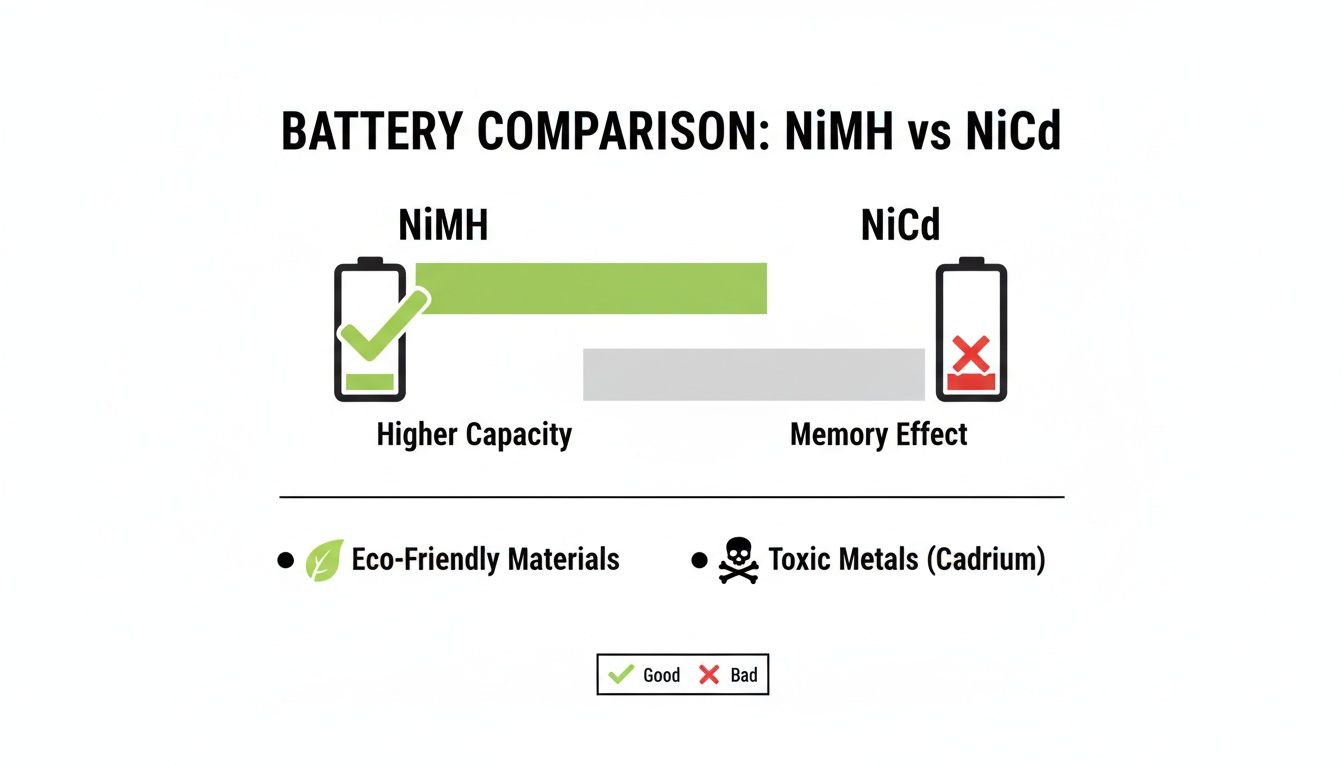
As you can see, NiMH technology provides that bigger "tank" and is a much more eco-friendly choice than older NiCd batteries.
Real-World Runtimes for Your Fly Fans
Let's get practical. How does battery capacity affect the runtime of a standard battery-operated fly fan? Knowing these estimates helps you plan your power strategy for any event. This same logic applies to any high-drain gear you use, from wireless mics to portable lighting.
Here are typical runtimes based on different battery capacities.
Typical NiMH Battery Runtimes for Fly Fans
| Battery Capacity (mAh) | Estimated Continuous Runtime | Best Use Case |
|---|---|---|
| 1300mAh | 4–6 hours | Short events, controlled settings, quick swaps |
| 2000mAh | 8–10 hours | Half-day events, brunch or lunch service |
| 2500mAh | 12–15 hours | All-day events, weddings, long dinner service |
These are estimates, but they show a clear trend: investing in higher mAh delivers significantly longer performance. For critical devices that ensure guest comfort—like fans keeping pests off a buffet—a higher mAh is always the smarter, safer bet.
If you're looking for more ways to keep your event spaces comfortable, check out our guide on the best battery powered cooling fans.
Mastering Charging and Maintenance
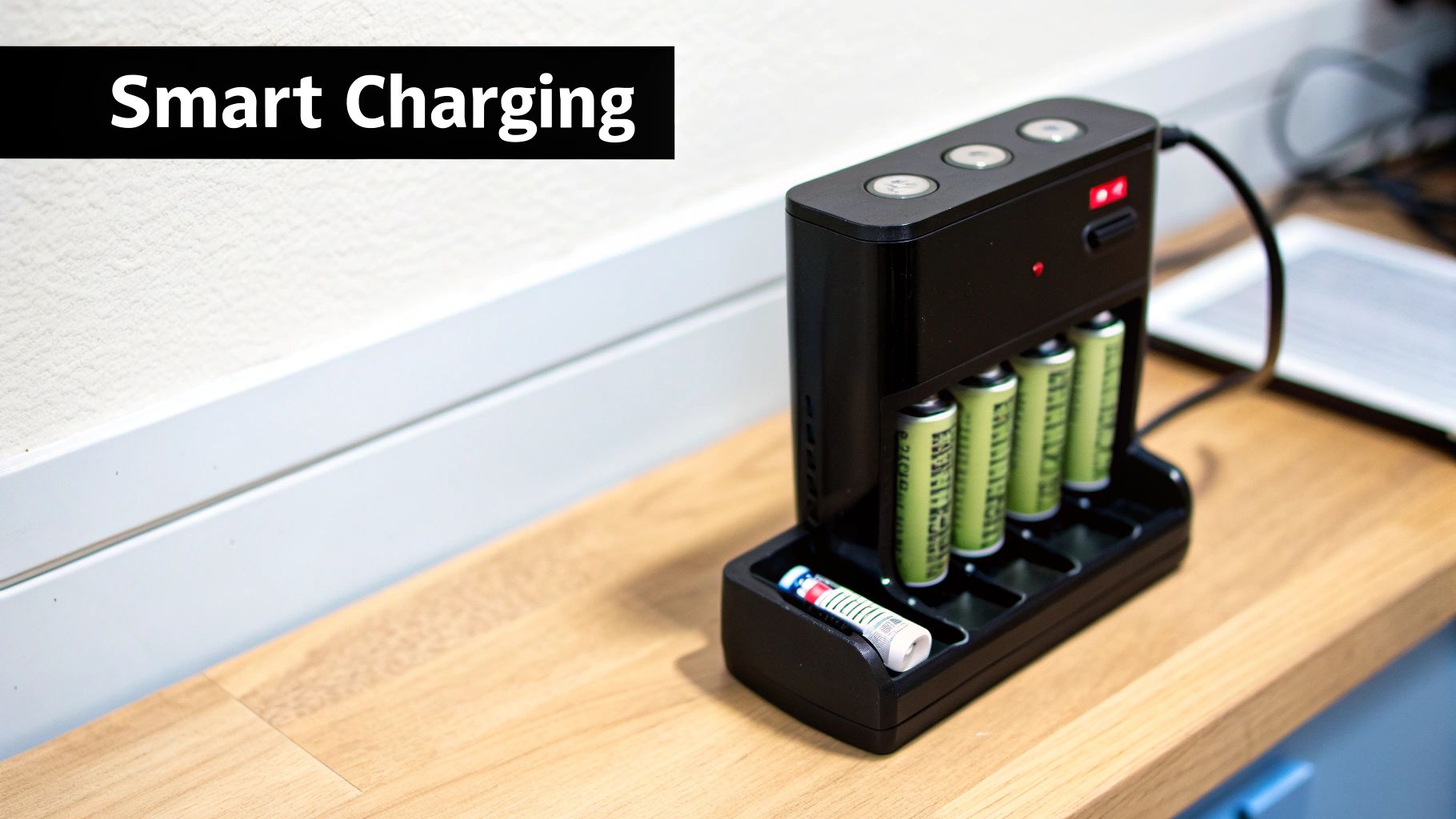
Buying a 1.2 volt rechargeable battery is only the first step. To maximize their value, you need proper charging and maintenance habits. This is how you turn a simple purchase into a reliable, long-term asset.
Overcharging is the fastest way to destroy NiMH batteries. It generates excessive heat, which permanently damages the internal cells and reduces their ability to hold a charge.
The Power of a Smart Charger
This is why a smart charger is non-negotiable. A basic "dumb" charger supplies a continuous current, never knowing when to stop. A smart charger monitors each battery individually. Its microprocessor detects when a battery is full and automatically cuts power or switches to a gentle trickle charge.
Investing in a quality smart charger is the single best thing you can do for your batteries. It eliminates the guesswork, prevents overcharging, and ensures you get the maximum number of charge cycles—often 500 or more—from each one.
With a smart charger, your staff can set the batteries to charge and forget them, confident that your investment is protected.
Simple Habits for a Longer Battery Life
Beyond using the right charger, a few simple practices will extend the life of your batteries. Training your team on these habits is easy and pays off in performance and cost savings.
Follow these three golden rules for battery care:
- Avoid Deep Discharges: Modern NiMH batteries don't have a "memory effect," but you should still avoid running them completely flat. Draining a battery to zero stresses the cells and shortens its overall lifespan.
- Store Them Properly: For long-term storage, find a cool, dry place. The ideal storage state is a 40% charge, which keeps the chemistry stable and the battery healthy until its next use.
- Keep Them Paired: Always charge and use batteries in sets. This ensures they wear at an even rate, which is critical for devices that use multiple cells, like a versatile clip-on fan.
These simple steps can triple the working life of your batteries, meaning fewer replacements and more reliable equipment. For more ideas on using battery-powered tools, see our article on the convenience of a top-tier clip on fan.
Keeping Everything Running During Your Event
When guests are arriving, flawless execution is what matters. The last thing any hospitality professional wants is for a critical piece of equipment to fail mid-event. For your battery-operated fly fans, the goal isn't to hope for the best—it's to implement a solid power plan that guarantees uptime.
A simple calculation can help. You can estimate runtime by dividing the battery's capacity (in mAh) by the device's power draw (in mA). For example, if a fly fan draws about 150mA and you're using a 2500mAh battery, you can expect it to run for roughly 16.6 hours.
This number is your starting point.
Planning for Reality
Of course, that calculation is for ideal conditions. In the real world, factors like temperature can affect performance. A 1.2 volt rechargeable battery can lose up to 20% of its capacity in cold weather. That 15-hour runtime you were counting on is now closer to 12.
The solution is to build a buffer into your plan. If your event is eight hours long, don't rely on a battery rated for ten hours. Instead, create a simple battery rotation schedule. This ensures you always have a fresh set ready, eliminating any chance of equipment failure.
This proactive approach is what separates amateurs from professionals. It gives your team the confidence that equipment will perform perfectly from start to finish. For more insights on choosing the right gear, check out our guide to the best battery-operated table fans.
The entire rechargeable market is booming, bringing more powerful and efficient options to market every year. The lithium-ion sector is projected to grow from USD 194.66 billion in 2025 to an incredible USD 426.37 billion by 2033. You can dive deeper by reading the full rechargeable battery market analysis. This growth ensures even better power solutions are on the horizon.
Implementing Safe and Sustainable Battery Practices
In a busy hospitality operation, small details define your professionalism. How you handle your 1.2 volt rechargeable batteries is a detail that reflects your commitment to safety and quality. It's about protecting your team, your equipment, and your reputation.
Start with a simple pre-charge check. Before charging, staff should quickly inspect each battery for dents, leakage, or corrosion. A damaged battery is a safety hazard and must be removed from service immediately. It's also critical to never mix different battery chemistries or capacities in the same device, as this can lead to poor performance and damage.
Creating an Effective Recycling Plan
Every rechargeable battery eventually reaches the end of its life. When it does, tossing it in the trash is not an option. It's bad for the environment and may be illegal, depending on your location.
Setting up a recycling program is simple. Place a dedicated, clearly labeled container where staff can deposit used batteries. This keeps them out of regular waste streams and simplifies collection. To learn more, explore sustainable battery recycling solutions to understand the process and its importance.
Many local governments have strict battery disposal regulations. In the U.S., programs like Call2Recycle offer free drop-off points at major retailers. A quick search will identify options in your area.
Implementing these safety and recycling habits does more than ensure compliance. It demonstrates to your team and customers that you run a safe, responsible business. A smart battery program is a small but powerful indicator of your commitment to quality.
Common Questions Answered
Here are direct answers to the most common questions hospitality managers and event operators have about using 1.2 volt rechargeable batteries.
Can I Really Use a 1.2V Battery in a 1.5V Device?
Yes, absolutely. The idea that lower voltage is a problem is a common misconception.
A standard 1.5V alkaline battery's voltage drops continuously during use, spending much of its life operating below 1.2V. In contrast, a NiMH rechargeable battery maintains a steady 1.2V for almost its entire cycle. This provides a more stable and reliable power stream, which is ideal for high-drain devices like fly fans.
How Many Times Can I Recharge a NiMH Battery?
A quality NiMH battery can be recharged 500 to 1,000 times. The actual number of cycles you get depends on how you treat them.
To maximize your investment, use a smart charger, avoid frequent deep discharges, and store them correctly. These good habits are key to a long and useful service life.
Pro Tip: Every recharge cycle saves you money. Each time you recharge, you avoid the cost of a disposable battery. Over hundreds of cycles, this translates to significant savings and a major reduction in waste.
Why Is My Rechargeable Battery Not Lasting As Long Anymore?
All rechargeable batteries naturally lose capacity over time. However, a sudden drop in performance usually indicates a preventable problem.
The number one cause is heat damage from overcharging, which is why a smart charger is essential. Other factors include letting batteries drain completely too often or storing them in a hot environment.
If a battery's runtime has significantly decreased, it's time to recycle it. To keep your batteries healthy, follow these simple rules:
- Always use a smart charger to prevent overheating.
- Top them off before they are completely empty.
- Store batteries in a cool, dry place, ideally with a partial charge.
Is It Safe to Leave Batteries on the Charger Overnight?
It depends entirely on the charger. With a basic "dumb" charger, leaving batteries on for too long will overcharge and ruin them.
A smart charger, however, makes overnight charging completely safe. It monitors each battery and automatically stops charging or switches to a trickle current when full, preventing any damage.
What Should I Do with Old Rechargeable Batteries?
Never throw them in the trash. Rechargeable batteries contain materials that should not end up in a landfill.
They must be recycled properly. Most areas have dedicated recycling programs with drop-off bins at electronics stores, home improvement centers, or local recycling facilities. A great practice is to set up a small, labeled collection box for staff to make responsible disposal an easy, routine part of your operation.
Ready to power your events with reliable, long-lasting batteries? Explore the full range of solutions at MODERN LYFE and find the perfect power source for your fly fans and other essential devices. Visit us at https://modernlyfe.com to learn more.