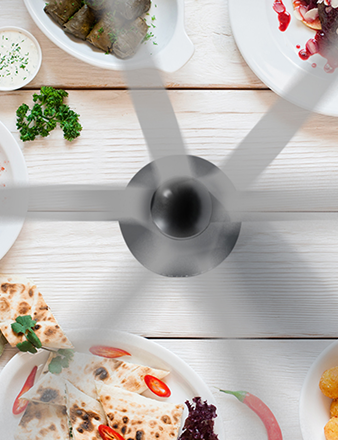
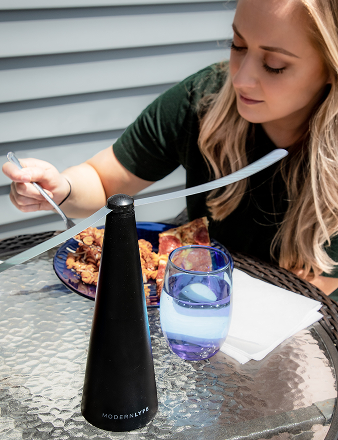
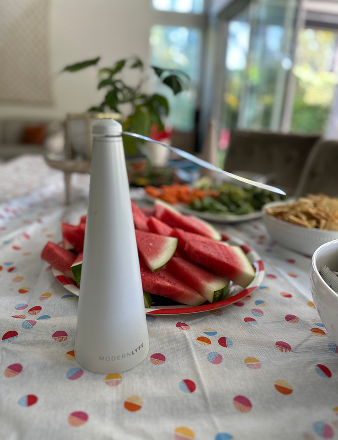
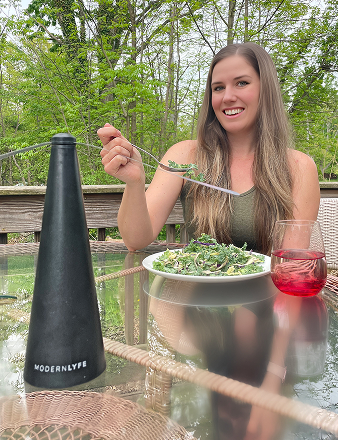
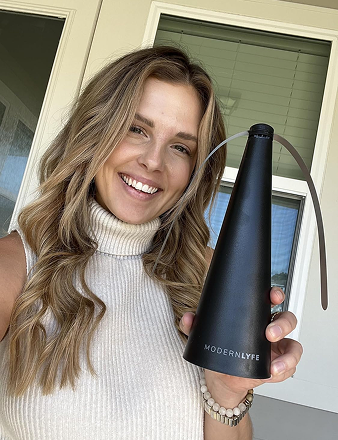
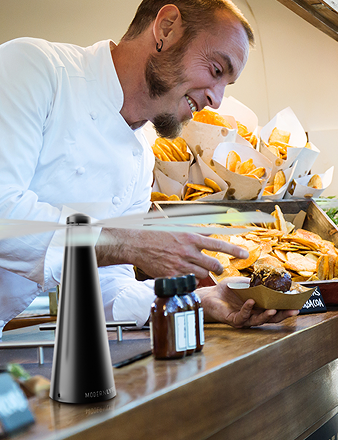
In hospitality, small details make a big impact. A single fly on a buffet can ruin the atmosphere you’ve worked hard to create. This is where a small but crucial piece of equipment—and its battery—comes into play.
We’re talking about the 1.5V C battery, the power source for many devices you rely on, from tabletop fly fans to emergency exit signs. It might seem like a minor supply order, but choosing the right one directly impacts your service quality and reputation.
Why the Right C Battery Matters for Your Business

For restaurant owners, event planners, and caterers, reliability is everything. You need your equipment to work every single time. A dead battery in a fly fan during a wedding reception isn't a small glitch—it's a ding against your attention to detail.
Think of it this way: a dependable battery is like a trusted employee who shows up and does their job flawlessly. It just works, letting you focus on your guests.
The Foundation of Uninterrupted Service
When a fly fan sputters and dies mid-service, it’s a visible failure that can make customers question your standards. Selecting a quality C battery ensures your essential tools perform without fail when you need them most.
A reliable power source is the backbone of smooth operations. Keeping devices like fly fans running consistently prevents service disruptions and shows guests you care about their comfort.
This guide provides practical, straightforward advice to cut through the technical jargon. We'll break down everything you need to know about the 1.5V C battery so you can make smart, cost-effective choices for your business.
Understanding your power needs helps you:
- Improve Guest Comfort: Maintain a pleasant, pest-free environment.
- Boost Operational Confidence: Eliminate the risk of device failure during peak hours.
- Spend Smarter: Balance battery performance and budget to avoid waste.
Ultimately, mastering this small component helps your entire operation run smoothly, protecting both your food and your professional image.
What Is a 1.5V C Cell Battery?
When setting up dozens of fly fans for an event, the last thing you want is for them to die halfway through. The key to avoiding this is picking the right battery, which for many of these devices is the 1.5V C cell. The name tells you its two most critical specs: its power and its size.
First, the “1.5V” is its voltage. Think of voltage as the electrical pressure that powers your device. A 1.5-volt output is a universal standard, running countless medium-drain electronics like portable stereos and tabletop fly fans.
The letter "C" simply refers to its physical size. A standard C battery measures about 50mm long (around 2 inches) and 26.2mm in diameter (just over 1 inch). This form factor strikes a perfect balance between performance and portability.
Here's a quick look at the core specs for a typical C battery.
1.5V C Battery at a Glance
| Specification | Details |
|---|---|
| Nominal Voltage | 1.5 Volts (Alkaline); 1.2 Volts (Rechargeable NiMH) |
| Common Chemistry | Alkaline, Nickel-Metal Hydride (NiMH) |
| Typical Length | 50 mm (1.97 inches) |
| Typical Diameter | 26.2 mm (1.03 inches) |
| Best For | Medium-drain devices like fly fans, toys, and flashlights |
This table shows why the C cell is such a workhorse for hospitality needs. It's built to provide sustained power in a manageable size.
The Goldilocks of Batteries: Not Too Big, Not Too Small
The C battery’s main advantage is its ideal balance of power and size. It holds far more energy than a smaller AA battery, meaning your fly fans will run for hours longer without a swap.
At the same time, it’s not as heavy or clunky as a D cell, making it perfect for portable gear where every ounce matters.
For a device like a fly fan that has to run unattended for an entire dinner service, a C battery delivers the endurance you need without adding unnecessary bulk. It's the perfect middle ground.
This smart design is why the 1.5V C battery remains a go-to for manufacturers and a smart choice for your business.
Alkaline vs. Rechargeable: Choose for Your Needs
When stocking up on C batteries, you’ll find two main options. The best one depends on how you use your devices.
-
Alkaline (Single-Use): These are the classic, disposable batteries you see everywhere. They’re reliable, hold a charge for years in storage, and are perfect for one-off events like a wedding or monthly market. They offer a simple, no-fuss solution.
-
NiMH (Rechargeable): For daily use, Nickel-Metal Hydride batteries are the clear winner. They are the most cost-effective and eco-friendly choice. While they start at a slightly lower 1.2V (which is fine for most 1.5V devices), you can recharge them hundreds of times. For a busy restaurant running fly fans daily, rechargeables will dramatically cut your long-term battery costs and waste.
If your devices see frequent use, investing in a good set of rechargeables and a charger pays for itself quickly. For occasional use, the convenience of alkaline might be a better fit. To get a better handle on the most common disposable option, you can learn more about the 1.5V alkaline battery in our detailed guide.
Choosing the Right Battery for Your Fly Fans
Picking the right power source for your fly fans is a small detail that makes a big difference. It impacts your budget, your staff's workload, and your guests' comfort. It’s not about grabbing any 1.5 c battery; it’s about making a smart choice based on how your business operates.
Think of it like fueling a car. You wouldn't put basic fuel in a high-performance engine. Similarly, the battery for a fan running all day on a busy patio is different from one used for a single wedding reception.
Match the Battery to the Job
For anyone in hospitality, the choice comes down to two C battery types: single-use alkaline and rechargeable NiMH. Each excels in different situations.
-
For Occasional Use: If your fly fans only come out for special events—like a few outdoor parties a month—single-use alkaline batteries are your best bet. They’re dependable, can sit in a drawer for up to 10 years and still work, and offer a simple "plug-and-play" solution. Stock up, and they’ll be ready when you are.
-
For Daily Use: For a bustling restaurant patio where fans run every day, rechargeable Nickel-Metal Hydride (NiMH) batteries are the undisputed champions. The upfront cost for batteries and a charger is higher, but the long-term savings are massive. A good NiMH C battery can be recharged hundreds of times, dramatically cutting recurring costs and waste.
This guide makes the decision straightforward.

It's all about matching the battery to your business's pace. Doing so saves money and ensures your fans are always ready to go.
Understanding Capacity for Longer Runtimes
Once you've picked a type, check the capacity. Measured in milliamp-hours (mAh), you can think of it as the battery's fuel tank. A higher mAh number means more energy and longer runtimes for your fly fans.
A high-capacity 1.5 c battery rated at 5,000 mAh or more can power a device like a Modern Lyfe fly fan for over 30 continuous hours. This easily covers multiple dinner services, ensuring your fans don't die mid-shift.
When shopping, always check the mAh rating on the package. Spending a little more on higher-capacity cells means fewer dead batteries, less staff maintenance, and more peace of mind. For a deeper look at getting the most out of your setup, check out our guide on battery-operated table fans.
Ultimately, the right battery choice balances today's cost with tomorrow's value and reliability. For any business that prides itself on creating a perfect atmosphere, this is one detail that ensures your equipment works as hard as you do.
How to Maximize Battery Performance and Lifespan

Getting the most out of your 1.5 C battery isn't just frugal—it’s smart business. For any busy restaurant or venue, a dead fly fan is an avoidable headache. A few simple habits are all it takes to keep your equipment running reliably.
Think of this as a low-effort maintenance plan for your batteries. Following these best practices will extend their life, cut waste, and protect the devices they power.
Start With Smart Storage
How you store batteries directly impacts their lifespan. They’re sensitive to their environment, especially temperature.
The best thing you can do is store batteries in a cool, dry place, like an office closet or a climate-controlled stockroom. Heat is the enemy, as it speeds up the chemical reactions that drain power. High humidity is just as bad, inviting corrosion.
Keep them in their original packaging or a plastic battery case. This simple step prevents the terminals from touching metal objects like keys or coins, which can cause a short circuit and drain them before you even use them.
Best Practices for Handling and Use
A little care in daily use goes a long way. Consistent handling by your team prevents the most common issues that cause premature battery failure.
-
Don't Mix and Match: This is a golden rule. Never put old and new batteries together in the same fan. The weaker battery will die first, forcing the new one to work overtime and shortening its life. The same goes for mixing different types, like alkaline and rechargeable cells.
-
Remove Batteries for Long-Term Storage: If you're storing fly fans for the off-season, always take the batteries out. This is the only way to guarantee you prevent leakage and corrosion, which can permanently ruin the device.
Smart Charging for Rechargeable Batteries
If you use rechargeable NiMH batteries, your charging routine is everything. These batteries are designed for hundreds of charge cycles, but whether they reach that potential depends on how you charge them. The main thing to avoid is overcharging, which damages the battery and is the #1 cause of early failure.
The solution is a quality "smart" charger. Unlike basic chargers, these advanced units monitor each battery individually and automatically cut power when it's full. It’s a simple upgrade that protects the cells from heat damage and dramatically extends their usable life.
You can learn more by checking out our complete guide to 1.5 volt rechargeable batteries. Follow these tips, and you’ll spend less on replacements and more time focused on your customers.
The Future of Portable Power in Hospitality
The simple 1.5 C battery in your tabletop fly fan is part of a much bigger story. The global push for better, greener power is transforming battery technology, and those ripples are reaching the equipment you use every day. For any hospitality business, this isn't just a tech trend—it's an operational game-changer.
This extends far beyond fly fans. Think of all the cordless devices that make your service possible: portable heaters, flameless candles, event lighting, and mobile payment systems. As batteries improve, so does your ability to create a seamless guest experience, free from wall outlets.
The big idea is freedom. As power sources get smaller, stronger, and last longer, your team can design events and set up service areas based on what works best for the guest, not on where you can plug something in.
This wave of innovation is driven by massive R&D in the electric vehicle and renewable energy sectors.
The Bigger Picture of Battery Innovation
The race for better energy storage is moving incredibly fast. Breakthroughs in large-scale systems eventually trickle down, making our smaller consumer batteries more powerful, longer-lasting, and more eco-friendly. The end goal is a future where your tools are always ready to go.
The market forecasts show this momentum. The global battery energy storage system (BESS) market is expected to hit nearly USD 100 billion by 2033, driven by the need for flexible power grids. While that sounds abstract, it means the supply chain for companies like Modern Lyfe is getting stronger and more advanced. For a deeper dive into this supply chain, RMI.org offers a great explanation.
What This Means for Your Business
So, how does this high-level tech help you run your restaurant or event space? The benefits are direct and practical.
- Longer Runtimes: Imagine your fly fans running through an entire dinner service without a battery change. Future batteries promise just that, freeing up your staff from tedious maintenance.
- Enhanced Reliability: Better battery chemistry means more consistent performance and fewer duds. You can set up equipment with confidence, knowing it will work reliably through peak hours.
- Sustainability Gains: The focus is shifting to greener materials and batteries that can be recharged hundreds of more times. This helps you cut waste and align with the values of modern, eco-conscious customers.
Ultimately, these advancements aren't just about the technology. They’re about giving you more reliable tools to deliver flawless service and create unforgettable experiences for your guests.
Common C Battery Questions Answered
In hospitality, details make the difference—including the batteries in your essential equipment. When you’re focused on the guest experience, you can’t get bogged down by technical questions.
Here are straight-to-the-point answers to the most common questions about the 1.5V C battery to help you make smart, quick decisions for your business.
Can I Use 1.2V Rechargeable Batteries in a 1.5V Device?
Yes, absolutely. For daily use in devices like fly fans, it’s not only safe but also the smartest choice for your budget.
An alkaline C battery starts at 1.5V, while a rechargeable NiMH (Nickel-Metal Hydride) version is rated at 1.2V. This slight difference won't cause problems. Most modern electronics, including quality fly fans, are designed to work across a range of voltages. As any battery is used, its voltage naturally drops, and your fan is built to handle that.
The key takeaway: a 1.2V rechargeable cell will run your 1.5V device just as well as an alkaline. Your fan won’t know the difference, but your bottom line and the environment will.
How Long Will C Batteries Last in a Fly Fan?
The runtime depends on two things: the battery's capacity and the fan's power draw. Think of capacity, measured in milliamp-hours (mAh), as a fuel tank. The bigger the number, the longer it runs.
A good C battery, whether disposable alkaline or rechargeable NiMH, packs a serious punch.
- Continuous Runtime: A quality C cell with 5,000 mAh of capacity or more can easily power a fly fan for over 30 straight hours.
- Real-World Application: For a busy restaurant, this means one set of batteries can get you through several packed dinner services before needing a swap or recharge.
This endurance is exactly why the 1.5 C battery is the go-to for equipment that needs to run for hours without constant staff intervention.
What Is the Safest Way to Dispose of Old C Batteries?
Proper disposal is a non-negotiable part of being a responsible business. Never throw batteries in the regular trash. They contain chemicals that can leak and harm the environment.
The right method depends on the type:
- Alkaline Batteries (Single-Use): Check with your local waste management services. Many municipalities have special recycling programs or drop-off locations.
- NiMH Batteries (Rechargeable): These must always be recycled. Many hardware and electronics stores have collection bins. You can also use online resources like the Call2Recycle locator to find a drop-off spot near you in seconds.
Setting up a small battery recycling bin at your business is a simple but powerful step toward running a more sustainable operation.
Is a Good Charger Worth the Investment for Rechargeables?
Without a doubt. If you're using rechargeable NiMH C batteries, the charger is just as important as the batteries themselves. A cheap, basic charger is a false economy—it can overcharge your batteries, generate excess heat, and drastically shorten their life.
Investing in a quality "smart" charger is one of the best things you can do. These chargers monitor each battery individually and automatically stop the current when it's full. This prevents the damage that kills lesser batteries.
A smart charger protects your investment, helping you get the maximum number of recharges—often 500 cycles or more—from every cell. It’s a small upfront cost that pays for itself repeatedly by keeping your batteries in prime condition for every service.
Ready to create a more comfortable, pest-free environment for your guests? MODERN LYFE offers a range of quiet, effective fly fans perfect for any restaurant, event, or home gathering. Discover the elegant solution to keep your space pristine and your guests happy at https://modernlyfe.com.