1-inch hardware cloth is a heavy-duty, reinforced screen for outdoor and utility projects. It’s a grid of steel wire, welded or woven into a 1-inch by 1-inch square pattern. Its main job is to create a tough, dependable barrier against pests while letting air and light pass through easily.
What Is 1 Inch Hardware Cloth?
First, hardware cloth isn't "cloth." It's a rigid metal grid with the transparency of a screen and the strength of a light-duty fence. The "1 inch" refers to the size of the openings, making it a go-to choice for countless commercial and DIY projects.
This mesh size hits the sweet spot. The openings are large enough for excellent airflow and visibility but small enough to stop common pests. Think of it as a physical block against critters like rabbits, squirrels, and raccoons, keeping them out of areas they don’t belong.
The Basics: Mesh vs. Gauge
To master hardware cloth, you need to know two terms:
- Mesh Size: This is the measurement of the openings. For 1-inch hardware cloth, each square is one inch by one inch. This size is ideal for keeping out any animal too big to fit through that gap.
- Gauge: This measures wire thickness. It's a bit counterintuitive: a lower gauge number means a thicker, stronger wire. For example, a 16-gauge wire is much more rigid than a flexible 19-gauge wire.
Before you build, get familiar with the hardware that holds everything together. Knowing about different fasteners and fittings will help you understand how to build a project that lasts.
Its Role as a Barrier
The real power of 1-inch hardware cloth is its versatility. It’s the core material for projects ranging from simple vent covers to full-scale animal enclosures. You'll find it used for everything from chicken coops and garden beds to industrial sieves. You can learn more about its industrial applications at Gerard Daniel.
The balanced design of 1-inch hardware cloth is its greatest strength. It creates a reliable physical barrier without blocking the view, making it an effective, low-profile way to protect your property.
Here's a quick recap of its standout features.
Key Features of 1 Inch Hardware Cloth
| Feature | Description | Primary Benefit |
|---|---|---|
| Mesh Size | Each square opening measures 1 inch by 1 inch. | Blocks medium-sized pests like rabbits and raccoons while allowing excellent airflow. |
| Material | Typically steel wire, often galvanized or vinyl-coated for rust protection. | Provides long-lasting durability and resistance to weather and corrosion. |
| Gauge | Wire thickness; lower numbers (e.g., 16-gauge) mean thicker, stronger wire. | Lets you choose the right balance of strength and flexibility for your project. |
| Versatility | Can be easily cut, bent, and shaped for various applications. | Serves as an all-in-one solution for garden fencing, pest control, and enclosures. |
This combination of features makes it a uniquely practical material for many different situations.
How to Choose the Right Material and Gauge
Picking the right 1-inch hardware cloth requires matching the material and wire thickness to your project. Think of it like choosing a coat—a light windbreaker won't work in a blizzard. Your choice here determines how well the mesh holds up and how long it lasts.
Two factors guide your decision: the material and the wire gauge. Together, they determine its rust resistance, toughness against pests, and ease of installation. Getting this right from the start saves you headaches and money down the road.
Comparing Hardware Cloth Materials
Where will you install the hardware cloth? The answer points you to the right material. Each option offers a different level of defense against moisture and corrosion—the biggest enemies of any outdoor metal.
You'll generally find three main types:
- Galvanized After Welding (GAW): This is the gold standard for rust-proofing. The mesh is welded first, then the entire sheet is dipped in molten zinc. This process completely seals every wire and weld point. GAW is your best bet for humid climates, coastal areas, or any job where the mesh touches damp soil.
- Stainless Steel: If your project involves food or animals, stainless steel is the premium choice. It offers the best durability and corrosion resistance and is completely food-safe. This makes it perfect for protecting garden produce, building high-end aviaries, or screening areas in a food service environment.
- Galvanized Before Welding (GBW): This is the more budget-friendly option. The individual wires are galvanized before welding, which leaves the weld joints exposed and vulnerable to rust. GBW is best for dry, protected areas where it won't be exposed to much moisture.
When you're choosing the perfect hardware for your building projects, understanding these material differences is key to getting the results you want.
Decoding Wire Gauge for Strength
Wire gauge is all about thickness. Just remember: a lower gauge number means a thicker, stronger wire. A thicker wire provides much better protection against animals that might try to chew or force their way through.
It's a trade-off. A heavier gauge gives you more security, but a lighter gauge is more flexible and easier to cut and shape.
Here are the common gauges for 1-inch hardware cloth:
- 16-Gauge: This is a thick, sturdy wire. It’s what you need for projects requiring maximum strength, like a raccoon-proof chicken coop or reinforcing a fence line to stop diggers.
- 19-Gauge: This is a great all-purpose option that’s much more flexible. It’s strong enough for rabbits and squirrels but easier to cut and bend, making it a favorite for garden fences, vent covers, and other DIY jobs.
This flowchart can help you visualize how your project should guide your choice of material and gauge.

As you can see, high-security projects like animal enclosures demand a thicker gauge, while general-purpose jobs like a simple garden fence allow for more flexibility.
Putting 1-Inch Hardware Cloth to Work
Enough with the technical details. What can you actually do with 1-inch hardware cloth? This isn't just a roll of wire; it's one of the most versatile problem-solvers for your property. Its real power is its combination of strength and open weave, letting you build tough, lasting barriers that simply work.

From protecting your tomatoes to keeping pets safe, the applications are incredibly practical. Each use takes full advantage of the unique balance between protection and visibility that hardware cloth delivers.
Build a Fortress for Your Garden
One of the most common uses for 1-inch hardware cloth is defending a garden. If you've ever watched groundhogs destroy your tomato plants or seen rabbits treat your lettuce patch like a buffet, you know the frustration. The 1-inch mesh is the perfect size to stop these common garden thieves.
This isn't flimsy plastic netting. Hardware cloth is a serious steel barrier. For maximum effect, bury it at least 6-12 inches deep and bend it outward at the bottom to form an "L" shape. This underground lip is a secret weapon that stops digging animals dead in their tracks. While it won't stop a deer, it’s a game-changer for ground-level threats.
Construct Secure Animal Enclosures
When building a home for an animal, safety and airflow are top priorities. Whether it's a chicken coop, a rabbit hutch, or a "catio," 1-inch hardware cloth delivers on both. It’s tough enough to keep predators like raccoons and hawks out but open enough to let fresh air circulate.
Here are a few popular uses:
- Chicken Coops: It's perfect for covering windows, vents, and other gaps. A fully enclosed run gives your flock a safe space to roam.
- Rabbit Hutches: Many builders use it for flooring, allowing waste to drop through and keeping the hutch cleaner.
- Outdoor Pet Runs: You can easily build a protected outdoor space for cats or small dogs, giving them fresh air without the dangers.
If you're thinking about creating larger protected outdoor zones, our guide on setting up a 10 x 10 screened canopy has some great ideas you can adapt.
Shield Your Home’s Vents and Utilities
Your house has weak points that animals love to exploit. Foundation vents, soffits, and gaps around HVAC units are open invitations for birds, squirrels, and rodents. An infestation can lead to chewed wires, ruined insulation, and expensive repairs.
You can easily create custom guards from 1-inch hardware cloth to seal these entry points for good, all without blocking critical airflow. A small piece of mesh, securely fastened over a vent, can prevent a massive pest problem.
This is a preventative fix you can complete in a weekend, and it provides incredible peace of mind. It’s a staple for DIYers and pros for a reason.
A Practical Guide to Installation and Safety
Working with 1-inch hardware cloth is straightforward, but the right technique makes all the difference. Proper installation creates a secure and effective barrier from the start. With a few common tools and a bit of care, you can turn a roll of mesh into a rugged, long-lasting solution.

First, grab your measuring tape. Carefully measure the area you plan to cover, then add a few extra inches to both the length and width. This buffer prevents you from ending up short and gives you plenty of overlap for a secure attachment.
Mastering the Cut
With your measurements ready, it's time to cut the mesh. Be warned: the cut edges of hardware cloth are incredibly sharp. Do not skip on safety. Always wear thick leather or canvas work gloves and safety glasses to protect yourself from jagged wires and metal shards.
The best tool for the job depends on the wire gauge:
- Tin Snips or Aviation Shears: For lighter-gauge wire (like 19-gauge), these are your go-to. They give you excellent control for clean, precise cuts.
- Angle Grinder with a Cutting Wheel: When tackling thicker wire (like 16-gauge), an angle grinder will slice through it effortlessly. This is a power tool, so it demands extra caution.
Pro-Tip: For a perfectly straight cut, unroll the hardware cloth on a flat surface. Lay a 2x4 or a metal straightedge along your cutting line as a guide. This simple trick ensures a clean, professional edge every time.
Secure Fastening for a Sag-Free Finish
A barrier is only as good as its attachment. A loose, sagging installation leaves gaps for pests. To get a tight, drum-like finish, attach the hardware cloth securely to its frame.
For most wood frames—like garden beds or vent covers—a pneumatic staple gun is fast and efficient. For an even stronger hold, use screws paired with washers. The washer is key; it distributes the pressure and prevents the screw head from tearing through the mesh, creating a much more durable connection.
To keep everything taut, place a fastener every 4-6 inches along the entire perimeter.
Assembling your gear ahead of time makes the process smoother. Here’s a quick checklist of what you'll need.
Your Hardware Cloth Installation Toolkit
| Tool/Material | Purpose | Pro Tip |
|---|---|---|
| Measuring Tape | For accurate sizing and marking. | Measure twice, cut once. It's an old saying for a reason. |
| Work Gloves | Protects hands from sharp wire edges. | Choose thick leather or canvas for the best protection. |
| Safety Glasses | Shields eyes from flying metal fragments. | Don't make a single cut without them. |
| Cutting Tool | Tin snips, aviation shears, or an angle grinder. | Match the tool to the wire gauge for the cleanest cut. |
| Fasteners | Heavy-duty staples or screws with washers. | Washers are a game-changer for preventing pull-through. |
| Drill/Staple Gun | To drive in your fasteners quickly. | An electric or pneumatic stapler will save your hands a lot of work. |
| Pliers | For bending and shaping small sections of wire. | A good pair of linesman's pliers is invaluable. |
With these tools, you're set for a professional-quality installation that will last.
Finally, remember that a little maintenance goes a long way. Once or twice a year, inspect your hardware cloth barriers. Check for rust, damage, or loose fasteners, and make repairs as needed. This ensures your hard work continues to protect your property season after season.
Pairing Hardware Cloth with Other Pest Controls
Think of effective pest management as layered defense. 1-inch hardware cloth is your main structural wall—it’s the foundational barrier that stops larger invaders.
But even the strongest wall can't stop everything. A raccoon or rabbit will be stopped cold, but the 1-inch openings are open gates for smaller pests like flies, mosquitoes, and gnats. True pest-free comfort comes from combining methods to create a complete, overlapping shield.
Creating a Comprehensive Protected Zone
Relying on one product is a gamble. An effective strategy layers different solutions together, ensuring you're covered from every angle and against pests of all sizes.
Here’s what that looks like in a real-world scenario:
- The Foundation: Install 1-inch hardware cloth around the base of your patio or deck. This physically blocks larger creatures from getting underneath.
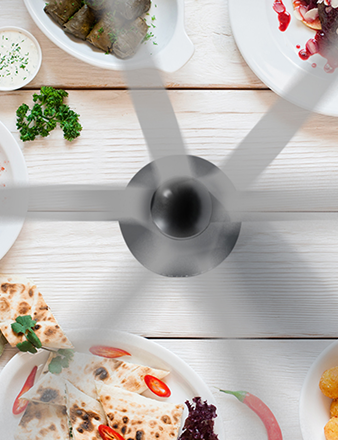
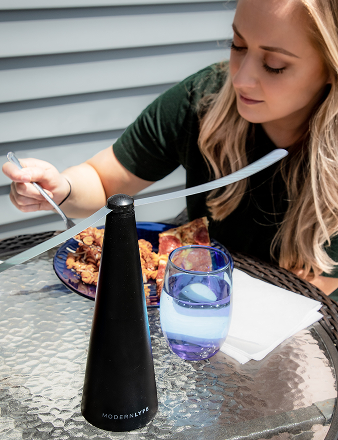
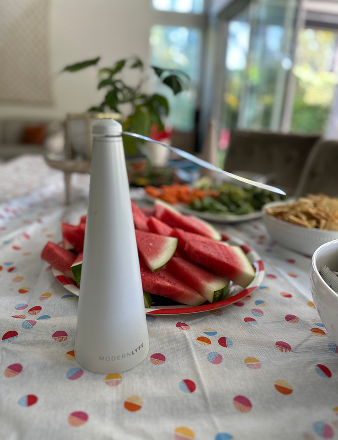
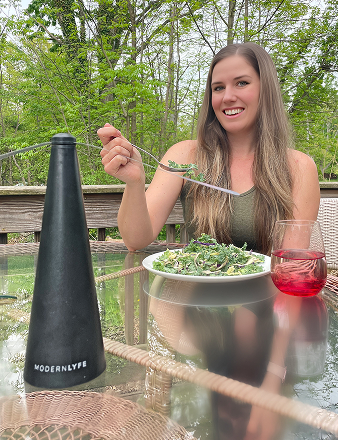
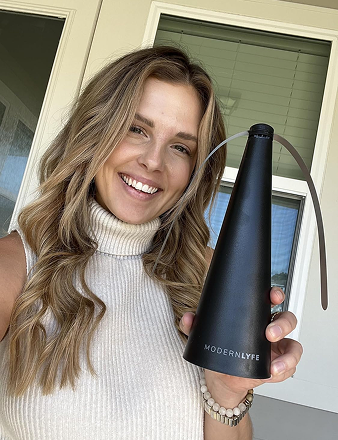
- The Second Layer: Inside this secured perimeter, bring in specialized tools. Placing Modern Lyfe fly fans on tables creates localized no-fly zones where you eat and drink. The fans’ gentle air currents are impossible for small flying insects to navigate.
- The Third Layer: As night falls, your pest threats change. Add mosquito traps or citronella torches to handle the evening shift of flying insects, completing your pest control system.
This multi-layered system is all about synergy. The hardware cloth handles the physical exclusion, while other tools deter airborne insects. The result is a far more pleasant and protected environment.
This holistic strategy is a cornerstone of integrated pest management.
Why This Integrated Approach Works
When you combine a physical barrier like hardware cloth with active deterrents like fly fans, you get a system where each part makes the other more effective. The hardware cloth prevents intrusions from larger animals, ensuring your fans and other devices aren't knocked over or damaged.
At the same time, the fans handle the pests the mesh can't, making the entire space genuinely enjoyable. It’s a one-two punch that defends against everything from a curious squirrel to a persistent housefly, making your pest control efforts far more robust and successful.
Got Questions About 1-Inch Hardware Cloth? We've Got Answers
Even with a solid plan, questions can pop up. We've gathered the most common ones to help you avoid mistakes that can derail a project.
Think of this as your final check. Getting these details sorted out now will save you frustration and ensure you choose the right material for the job.
Can 1 Inch Hardware Cloth Stop Mice and Snakes?
The short answer is no. While 1-inch hardware cloth is fantastic for keeping out medium-sized animals like squirrels, rabbits, and raccoons, the openings are simply too large for smaller critters.
A mouse can slip through a hole the size of a dime, making a 1-inch square feel like a garage door. The same goes for many common snakes, which can easily slither right through.
Key Takeaway: For a rodent-proof or snake-proof barrier, you need a smaller mesh size. 1/4-inch or 1/2-inch hardware cloth is the gold standard here, as the grid is too small for these pests to get through.
Matching the mesh size to the pest you’re trying to block is the most important decision you'll make.
What's the Best Way to Cut It?
Cutting hardware cloth safely and cleanly comes down to using the right tool for the wire gauge. But first, put on thick work gloves and safety glasses. The cut wire ends are incredibly sharp.
For the flexible 19-gauge mesh common in DIY projects, a sturdy pair of tin snips or aviation shears works perfectly. They give you great control for cutting straight lines or custom shapes.
But for thicker, rigid 16-gauge wire, you'll struggle with hand tools. An angle grinder with a metal-cutting wheel is your best friend here—it slices through the heavy wire quickly and efficiently. Just be ready for sparks and take proper safety precautions.
- For Control & Precision: Tin snips or aviation shears.
- For Power & Speed: An angle grinder.
- Non-Negotiable Safety: Always wear heavy gloves and eye protection.
Is "Galvanized After Welding" (GAW) Worth the Extra Money?
For almost any outdoor project, the answer is a definite yes. The difference between Galvanized Before Welding (GBW) and Galvanized After Welding (GAW) comes down to rust-resistance at the weld points.
With GBW mesh, the wires are coated with zinc before welding. The heat of welding burns that protective zinc coating right off at every intersection, leaving hundreds of tiny, exposed steel joints that are prime targets for rust.
GAW mesh flips the process. The grid is welded first, and then the entire sheet is dipped in molten zinc. This superior method coats everything—every wire and every joint—in a thick, seamless layer of protection. This makes it far more resistant to corrosion from rain and soil. While GAW costs more upfront, its dramatically longer lifespan makes it the smarter investment.
Ready to create a pest-free zone? While hardware cloth provides an excellent physical barrier, Modern Lyfe offers the perfect complement with our stylish and effective fly fans. Keep your outdoor dining and entertainment areas completely free from annoying flying insects.
Explore our collection of innovative fly fans at https://modernlyfe.com and complete your pest control strategy today.