Integrated Pest Management (IPM) is a smart, sustainable strategy for keeping pests out of your business. It’s a long-term approach that puts prevention first, minimizing risks and the need for heavy chemical use. At its core, IPM is about understanding why pests show up and creating an environment where they can't thrive.
What Is Integrated Pest Management? A Smarter Pest Control Strategy
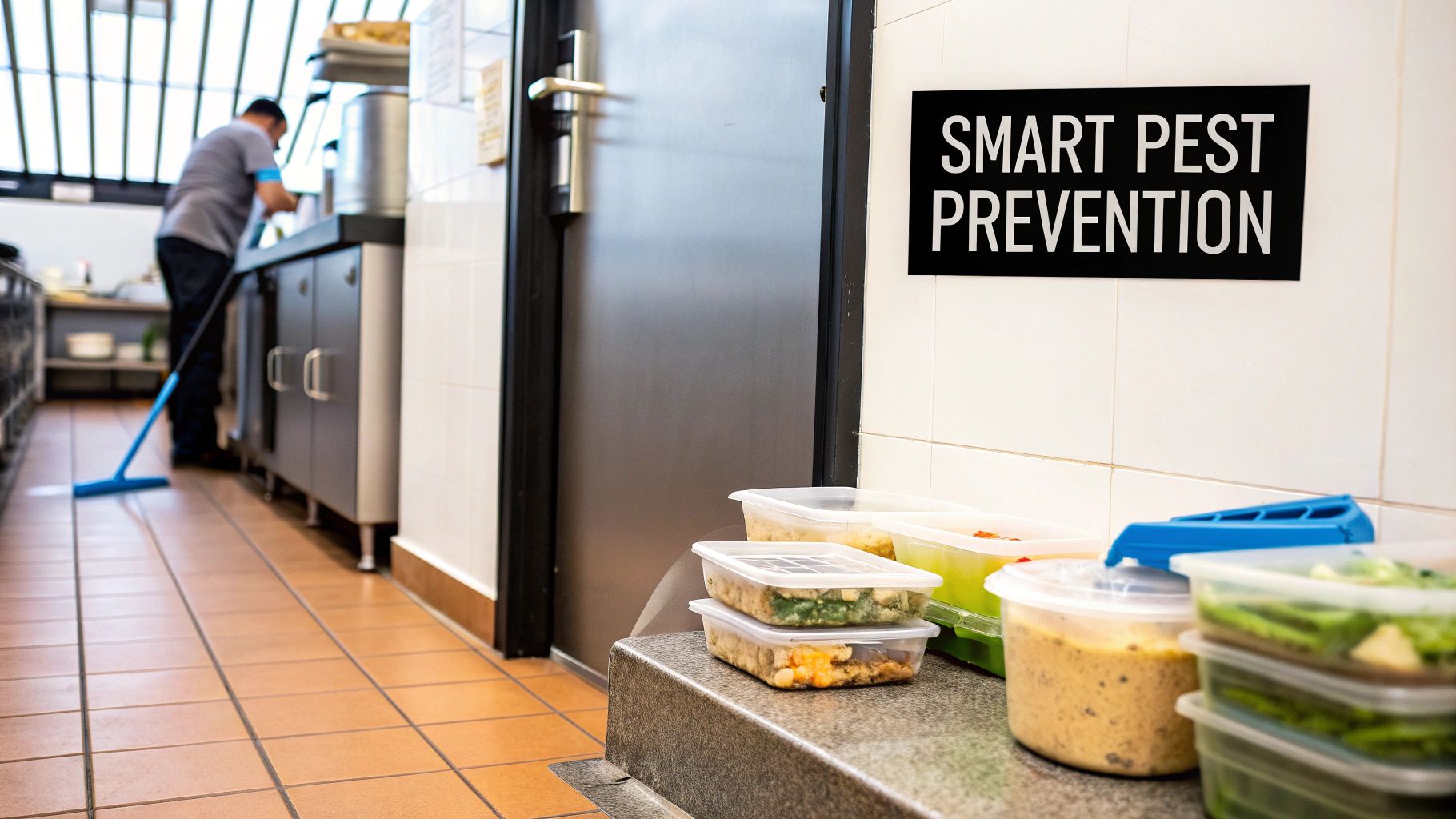
Forget the old "spray and pray" method. An IPM program is a continuous, intelligent security system for your facility. Instead of reacting to an infestation with harsh chemicals, IPM focuses on making your business an unwelcome place for pests from the start.
This modern strategy is driven by data, not a routine spraying schedule. It requires a solid understanding of pest life cycles, their behaviors, and what attracts them. By tackling the root causes—easy access to food, water, and shelter—you stop pests before they become a real problem.
The concept of IPM isn't new. It gained traction in the mid-20th century in response to concerns over widespread pesticide use. Public awareness, fueled by events like the DDT crisis in the 1960s, pushed experts to find more sustainable control methods, leading directly to the integrated strategies we use today.
The Four Pillars of Pest Prevention
So, what does an IPM strategy look like in practice? It’s a comprehensive approach that rests on four types of control methods. Each plays a specific role, but together they create a powerful, multi-layered defense system. This ensures you’re always using the most effective and least invasive solution for any situation.
IPM isn’t about eliminating chemicals, but about using them intelligently as a last resort. The goal is a sustainable, long-term solution that addresses the 'why' behind a pest problem, not just the symptoms.
For example, effective fly and mosquito control for an outdoor dining area doesn't start with chemical foggers. It begins with practical steps like removing standing water and using physical barriers like air curtains. That philosophy is the heart of a successful IPM program.
This framework is flexible enough to fit any business, from a downtown restaurant to a resort hotel. An IPM plan combines tactics from four key areas, giving you a set of tools to build a robust defense.
The Four Pillars of Integrated Pest Management
| Pillar | Description | Example in a Restaurant Setting |
|---|---|---|
| Biological Control | Using natural enemies—predators, parasites, or pathogens—to manage pest populations. | Introducing beneficial insects to outdoor patio plants to control aphids without chemicals. |
| Cultural Control | Modifying your operations and environment to make it less hospitable for pests. | Adjusting irrigation to reduce standing water that attracts mosquitoes; training staff on strict sanitation protocols. |
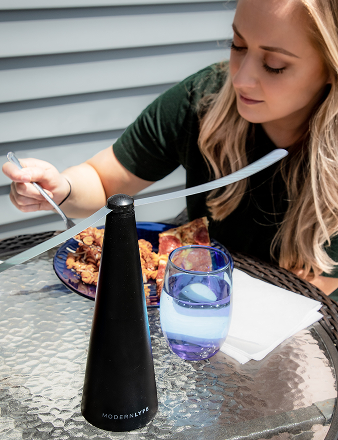
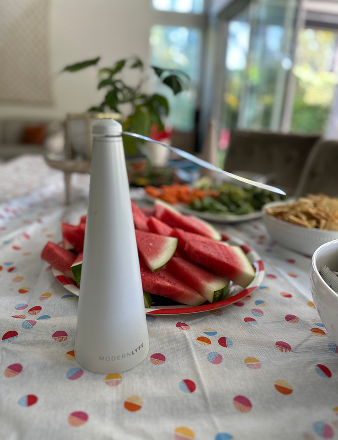
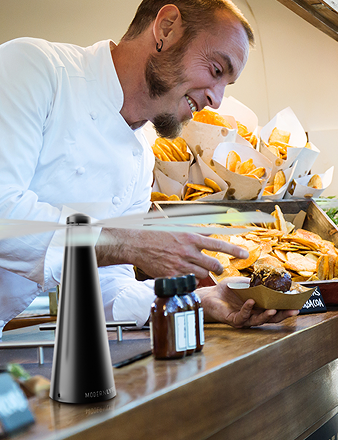
| Physical/Mechanical Control | Using physical barriers or mechanical devices to block, trap, or remove pests. | Installing door sweeps, sealing cracks in walls, using fly fans over buffet tables, and setting snap traps for rodents. |
| Chemical Control | Applying pesticides only when necessary, choosing the least toxic options and targeting specific areas. | Using targeted gel baits in cracks where cockroaches are found, rather than broad-spectrum spraying of the entire kitchen. |
By combining these four pillars, you create a system that is highly effective and safer for your customers, staff, and the environment.
The Core Principles Driving Modern IPM Strategies

To understand Integrated Pest Management, you have to look beyond the tools and adopt the mindset. IPM isn't a checklist; it's a decision-making cycle built on four core principles that work together to create a smarter defense against pests.
Think of these principles as the operating system for your pest control program. Each one flows into the next, guiding you from observation to action. It’s a framework that ensures you’re making informed choices instead of just reacting to problems.
1. Set Action Thresholds
First, you need to know when to act. An action threshold is the pre-set point at which pest levels or environmental conditions trigger an intervention. It’s the specific signal that moves you from passive monitoring to a planned response.
In a restaurant kitchen, for example, the action threshold for cockroaches isn't ten—it's one. A single sighting is enough to launch a protocol, like a detailed inspection and targeted monitoring traps.
This is a major shift from old-school pest control, which often involved spraying on a fixed schedule, regardless of pest presence. Action thresholds ensure you only intervene when necessary, saving time, money, and unnecessary chemical exposure.
2. Monitor and Identify Pests
You can't fight an enemy you don't understand. That's why meticulous monitoring and accurate identification are the foundation of any solid IPM program. It means regularly checking your property for signs of pests and knowing exactly what you've found.
This is all about gathering intelligence. Is that a German cockroach or an American one? The answer matters because their habits and food preferences are different, which changes your entire control strategy. Simple tools like sticky traps, insect light traps, and visual inspections give you the data you need to make the right call.
An IPM mindset treats every pest sighting as a clue. It’s not just about killing the pest you see; it’s about figuring out why it’s there and what that reveals about your facility's weak spots.
3. Prioritize Prevention
In the IPM playbook, prevention is the most powerful and cost-effective principle. This proactive stage is all about making your establishment as unwelcoming to pests as possible. The goal is to deny them the three things they need to survive: food, water, and shelter.
Preventive actions are often simple, non-chemical solutions with a huge impact.
- Exclusion: Sealing cracks in the foundation, repairing torn screens, and installing tight-fitting door sweeps to block entry.
- Sanitation: Sticking to rigorous cleaning schedules, managing waste properly, and storing all food in pest-proof containers.
- Environmental Modification: Fixing leaky pipes to cut off water sources and trimming landscaping away from the building to remove a "bridge" for pests.
This focus on prevention aligns directly with other critical food safety systems. You can see how these concepts overlap in our guide on what is HACCP food safety, another system built on proactive control.
4. Implement Strategic Controls
When monitoring shows a pest population has crossed its action threshold, it's time to implement a strategic control method. IPM always prioritizes non-chemical options, escalating to chemicals only as a last resort. The key is to select the most effective, lowest-risk option available.
For instance, if you have a fly problem near a kitchen entrance, an IPM approach would first look at installing an air curtain or a powerful fly fan. A pesticide would be the final option. If a chemical is needed, the choice would be a targeted gel bait applied precisely into a crack where pests hide, not a broad-spectrum spray blanketing the area.
This measured selection of control methods is what makes the approach "integrated." The stakes are high, with global crop production losses to pests hovering between 20% to 40% each year. By integrating smarter, preventive tactics, IPM offers a more sustainable and effective solution than simply relying on a can of spray.
Why Adopting IPM Is a Smart Business Move
Thinking of Integrated Pest Management as just another expense is a mistake. It's not just about killing pests; it's a strategic decision that delivers a strong return on investment. For any hospitality business—restaurant, hotel, or event space—IPM is an investment in your reputation, resilience, and success.
It’s about shifting from a reactive mindset to a proactive, preventive one. This change builds a stronger, more dependable business from the ground up.
Protect Your Brand and Build Customer Trust
In this industry, your reputation is everything. One cockroach, one negative online review with a photo, or one failed health inspection can undo years of hard work. An IPM program is your frontline defense against this kind of disaster.
When you commit to IPM, you're not just managing pests—you're showing customers that their health and safety are your top priority. This builds the authentic trust that creates loyal patrons and positive word-of-mouth. In a crowded market, that's a priceless advantage.
Think of an Integrated Pest Management program as proactive brand insurance. It stops the incidents that can destroy a hard-won reputation before they happen.
Unlock Significant Long-Term Savings
A routine chemical spray might seem cheaper upfront, but the hidden costs of an infestation can be devastating. These expenses go far beyond a single exterminator's bill.
Consider the financial fallout from a pest problem:
- Emergency Treatments: These are always more expensive, paying a premium for last-minute, heavy-duty chemical applications.
- Health Department Fines: A failed inspection can bring steep fines and, in severe cases, force a temporary shutdown.
- Lost Business: The revenue you lose from customers who vow never to return can cripple your bottom line.
- Wasted Inventory: Contaminated food and supplies have to be thrown out—money straight into the dumpster.
The small, upfront investment in an IPM program—sealing cracks, improving sanitation, constant monitoring—is minor compared to these crippling costs. It’s a classic case of an ounce of prevention being worth a pound of cure.
Improve Safety and Ace Regulatory Audits
A solid IPM plan helps you exceed minimum health code requirements. By reducing the use of broad-spectrum pesticides, you create a safer environment for your staff and guests, lowering the risk of chemical exposure and food contamination.
Better yet, the meticulous record-keeping that is central to IPM gives you an ironclad defense. When a health inspector arrives, you can provide a detailed logbook showing every monitoring check, risk identified, and corrective action taken. This proves you’re not just compliant, but professional and responsible. Incorporating non-chemical tools like specialized commercial fly fans can be a smart part of this strategy, boosting safety while improving the guest experience.
Meet Your Sustainability and Corporate Responsibility Goals
Today's customers care where they spend their money. They actively support businesses that are environmentally and socially responsible. An IPM program is a great way to show you're one of them. By minimizing your reliance on chemical pesticides, you’re shrinking your environmental footprint in a real, measurable way.
This isn't just good practice; it's a great story to tell. Share it with your customers, team, and community. It proves your business is forward-thinking and dedicated to doing the right thing, cementing your image as a leader. IPM isn't just good pest control—it's good business.
Your Practical Guide to Implementing IPM
Now that we’ve covered the "what" and "why," let's get into the "how." Putting IPM into practice isn't a massive overhaul. It's a series of smart, logical steps that build on each other to create a powerful, pest-proof defense for your operation.
Think of it as moving from a firefighter to a fire marshal—instead of reacting to problems, you're proactively preventing them. This guide walks you through exactly how to do that, with advice tailored for hospitality.
Start With a Thorough Facility Assessment
Everything starts here. Before you do anything else, conduct a comprehensive facility assessment. Walk through every inch of your property with a critical eye—from the back loading dock and dumpster area to the guest suites and dining rooms.
Your mission is to find any condition that could attract pests. You’re not just looking for pests; you’re looking for the opportunities you’re accidentally giving them. This means identifying potential entry points, hidden food sources, and hiding spots before a pest finds them.
Use a checklist to systematically inspect your property for these vulnerabilities:
- Entry Points: Check for gaps under doors, cracks in the foundation, torn screens, and openings around utility pipes. A mouse can squeeze through a dime-sized hole, and roaches need even less space.
- Food and Water Sources: Look for obvious and non-obvious issues, including leaky faucets, standing water in floor drains, uncovered trash bins, and improper food storage. Even tiny crumbs under a prep table are a buffet for insects.
- Shelter (Harborage): Pests love clutter. Inspect messy storage rooms, wall voids, unused equipment, and overgrown landscaping touching the building. These are perfect places for pests to hide and breed.
This initial assessment gives you a clear roadmap. It tells you exactly where to focus your efforts to get the biggest impact, helping you prioritize fixes that will immediately make your facility less inviting to pests.
IPM for Restaurants and Kitchens
Nowhere is IPM more critical than in a commercial kitchen. It’s a high-stakes environment where food safety is non-negotiable. The constant presence of food, water, and heat makes a kitchen a paradise for pests like cockroaches, flies, and rodents if you let your guard down.
A successful kitchen IPM plan is built on two pillars: relentless sanitation and strategic exclusion.
- Optimize Your Sanitation Schedule: Go beyond a basic nightly wipe-down. Implement deep-cleaning routines for hard-to-reach areas like under the cook line, behind refrigerators, and inside floor drains. Train all staff to clean up spills immediately.
- Secure All Food Storage: This is a simple but powerful rule. All food must be stored in airtight, pest-proof containers and kept at least six inches off the floor. This applies to dry goods in the pantry and produce in walk-in coolers.
- Manage Waste Effectively: Use trash cans with tight-fitting lids and empty them frequently. Your exterior dumpster area is just as important—keep it clean, position the dumpster far from entrances, and ensure it sits on a sealed concrete pad.
- Control Flies Proactively: Install physical barriers like air curtains or fly fans at delivery entrances and service windows. This simple step stops flies from getting inside, which is far more effective than trying to swat them later.
This proactive mindset is catching on. The global IPM market is projected to reach $151.0 billion by 2025. This isn't a trend; it's a fundamental shift in how businesses approach pest control. You can dive deeper into this shift with a detailed market analysis from Grandview Research.
IPM for Hotels and Lodging
In a hotel, IPM extends beyond the kitchen to guest rooms, common areas, laundry facilities, and landscaping. The primary goal is protecting guest comfort and preventing "hitchhiker" pests like bed bugs.
Here are specific actions for a lodging facility:
- Staff Training is Key: Your housekeeping and maintenance staff are your eyes and ears. Train them to spot the subtle, early signs of bed bugs (like tiny dark spots on mattresses) during room turnovers and empower them to report any pest sighting immediately.
- Seal and Protect Common Areas: Lobbies, gyms, and lounges need regular inspections. Pay close attention to live plants, upholstered furniture, and areas where guests might leave food and drinks.
- Implement a Luggage Protocol: Create a clear procedure for inspecting and treating any luggage suspected of carrying pests. This is vital for properties with many long-stay or international guests.
As you can see, these are common-sense, practical steps. The infographic below shows how these actions translate into the benefits every business owner cares about: reputation, savings, and safety.
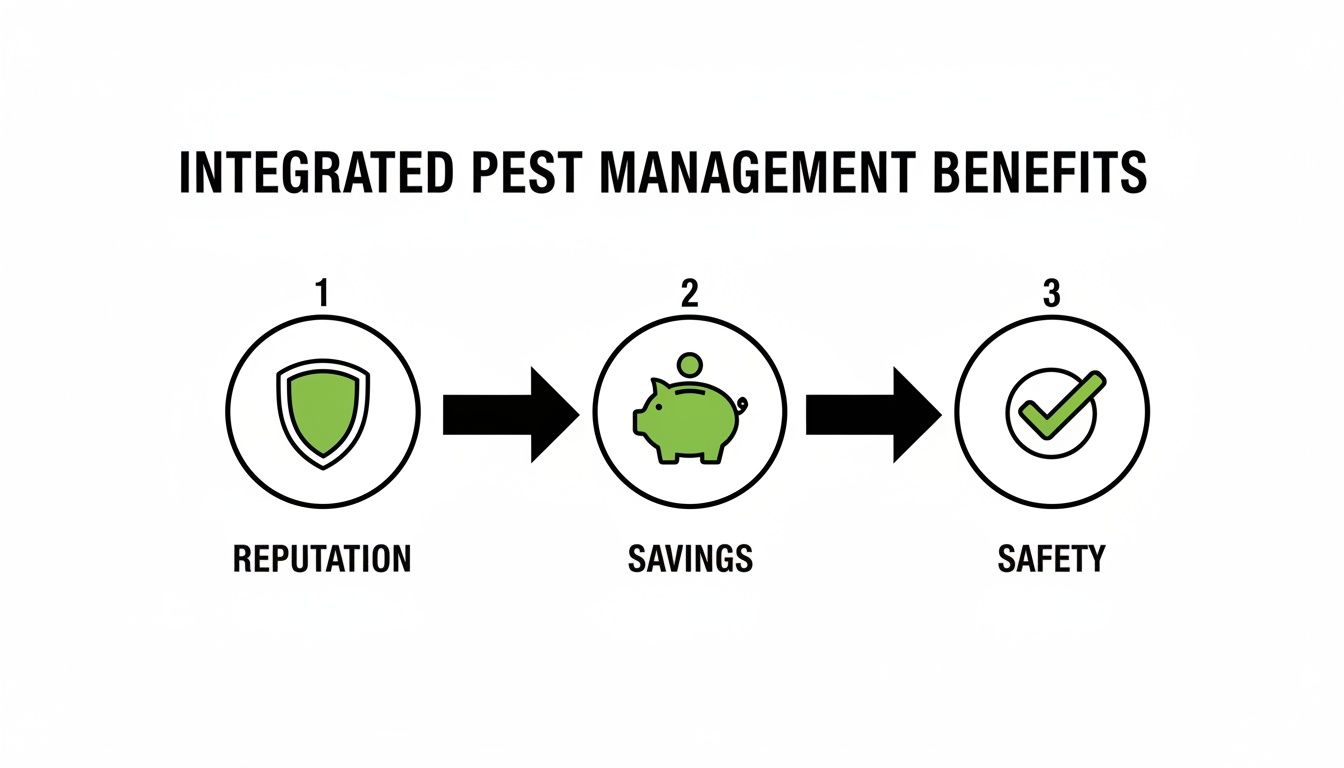
Focusing on these core areas makes it clear that a strong IPM program isn't just about killing bugs—it's a direct investment in the long-term success of your business.
The Critical Role of Monitoring and Record Keeping

An Integrated Pest Management program isn't a "set it and forget it" solution. It’s a living strategy that needs a constant flow of information to stay effective. This is where continuous monitoring and sharp record-keeping come in—they are the backbone of your plan.
Without solid data, you're flying blind. You might solve an issue today, but you won't know how to stop it from recurring next month. Monitoring turns guesswork into strategy, transforming random sightings into intelligence that guides your entire IPM program.
Turning Data Into Your Best Defense
Monitoring is more than just looking for pests. It’s about methodically gathering clues. Think of your building as a crime scene and you're the detective. Every piece of evidence helps you understand what's really happening on your property.
This means using the right tools for the job. Discreet sticky traps in quiet corners can provide a clear picture of crawling insect activity. Insect light traps do more than just kill flies; they collect a data-rich sample that tells you what types of flying insects you're dealing with and in what numbers.
An agronomist’s perspective on IPM is that it’s “a mindset and an attitude towards every decision taken.” This applies perfectly to monitoring—it’s not just a task, but an ongoing approach to understanding your environment.
This steady stream of information is your early warning system, letting you spot problems long before they become full-blown infestations. It’s what keeps your IPM plan proactive instead of reactive.
The Power of a Detailed Pest Sighting Log
Gathering data is only half the job. The magic happens when you organize it to reveal patterns. That’s why a detailed pest sighting log is non-negotiable for any business serious about Integrated Pest Management.
This logbook is the brain of your program. It must be simple, accessible, and consistently used by any staff member trained to report pest activity.
For every sighting, your log must capture four key details:
- WHAT: What kind of pest was it? Be as specific as possible.
- WHERE: Pinpoint the exact location (e.g., "under the prep sink in the main kitchen").
- WHEN: Note the date and time it was seen.
- HOW MANY: Was it a single pest or several?
This simple habit turns a casual "I saw a bug" comment into valuable data. Over time, these entries start to paint a clear picture.
Using Records to Drive Continuous Improvement
With a well-kept log, you can stop guessing and start making smart, targeted decisions. You’ll begin to notice trends that were previously invisible.
For instance, maybe you see a spike in fly activity every Tuesday morning. Your log shows this aligns perfectly with your weekly produce delivery. Suddenly, you have a lead—it could be an issue with an incoming shipment or the delivery door being propped open too long.
This level of detail is a game-changer for several reasons:
- Identify Root Causes: Your records help you connect pest sightings to specific events or conditions in your facility.
- Measure Effectiveness: You can track whether a new control strategy is working by seeing if sightings decrease after implementation.
- Ensure Airtight Compliance: During a health inspection, a detailed logbook is undeniable proof of a professional, proactive system.
Ultimately, monitoring and record-keeping make an IPM program intelligent. They close the loop, ensuring every action you take is informed, effective, and always improving.
How to Choose the Right IPM Professional
While a strong in-house IPM program gives you significant control, there are times when you need to bring in the pros. Knowing when to make the call is just as important as knowing how to set a trap. Some situations clearly demand an expert.
If you’re seeing pests repeatedly despite your best efforts, that’s a red flag. An established infestation needs professional-grade tools and experience. If you find high-risk pests like rodents or cockroaches near food prep areas, don't hesitate—call immediately. Getting an expert involved early can be the difference between a minor issue and a crisis that costs you customers and revenue.
Finding a True IPM Partner
You don't just want an exterminator; you need a partner. The goal is to find someone who embodies the IPM philosophy, not a technician whose first move is to grab a chemical sprayer. A company that defaults to routine spraying misses the point of modern pest control.
Your ideal professional acts more like a consultant. They should focus on why the pests are there, helping you find and fix root causes to build a stronger long-term defense. When interviewing potential companies, focus on their process and mindset. A true IPM professional will always start with a thorough inspection and a real conversation before proposing a treatment plan.
A genuine IPM professional sees their job as a collaboration. They work with you to make your establishment resilient and pest-proof, providing the data and insights to keep you in control.
Critical Questions to Ask Potential Partners
How do you separate the real experts from the old-school "spray and pray" crowd? Ask the right questions. Their answers will reveal whether they truly understand Integrated Pest Management.
Here’s a checklist of questions to ask before you hire anyone:
- How do you prioritize non-chemical solutions? The right answer should immediately cover inspection, exclusion (sealing entry points), sanitation, and monitoring. If they jump straight to pesticides, it's a warning sign.
- Can you show me sample reports and data logs? A professional IPM provider should produce detailed, data-driven reports that track pest sightings, show trends, and log every action taken.
- What specific IPM training and certifications do your technicians have? Look for proof of commitment to modern, sustainable methods, not just a basic applicator license.
- How will you work with my staff? A great partner will want to empower your team. They should offer to train your staff on better sanitation practices, how to report sightings, and what early warning signs to look for.
Choosing the right professional isn’t just about putting out a fire; it’s about adding a key player to your team who will strengthen your entire IPM strategy.
Got Questions About IPM? We've Got Answers.
Switching to a new pest control strategy brings up questions. Let's tackle some of the most common ones that businesses have when considering a move to Integrated Pest Management.
Think of this as your quick-reference guide to bust myths and get straight to the facts.
Is an IPM Program More Expensive Than Traditional Pest Control?
While there can be a slightly higher initial investment, an IPM program is almost always more cost-effective in the long run. The first steps often involve paying for a thorough inspection and making one-time fixes, like sealing cracks or installing better door sweeps.
But that proactive spending saves you from the massive costs of a full-blown infestation later. By focusing on prevention, you avoid hefty bills for emergency chemical treatments, business downtime, potential fines, and damage to your brand's reputation. Over time, those savings add up significantly.
An IPM program shifts your spending from expensive, reactive emergency calls to smaller, proactive investments in your facility’s resilience. This change in focus delivers a much greater return over the life of your business.
Does Integrated Pest Management Mean Never Using Chemicals?
Not at all. This is the biggest misconception about IPM. The strategy isn't about eliminating chemicals; it's about using them smartly and only when absolutely necessary.
IPM always prioritizes non-chemical solutions. But if monitoring shows a pest problem has crossed a set threshold and other methods aren't working, a targeted chemical application may be the next step. When pesticides are used, they're applied with precision—using the least toxic option available—not sprayed everywhere as a first resort.
How Long Does It Take to See Results From IPM?
You'll see some benefits immediately. Preventive actions—like tightening sanitation or sealing entry points—start working on day one, making your facility instantly less inviting to pests.
If you're dealing with an existing infestation, an IPM approach might take longer to achieve total control compared to a single, heavy-handed chemical spray. That's because IPM is designed to disrupt the pest life cycle and fix the root cause. The payoff? The results are far more sustainable, providing a lasting solution instead of a temporary fix.
What Is the Most Important Part of an IPM Plan for a Restaurant?
For any food-handling business, it boils down to two critical elements: sanitation and exclusion. Pests need food, water, and shelter to survive. Mastering these two areas effectively removes all three.
- Sanitation: This is more than just sweeping. It means meticulous cleaning, proper waste management, and wiping up every spill immediately to remove food and water sources.
- Exclusion: This is the physical work of sealing every possible crack, gap, and entry point to deny pests shelter and block them from ever getting inside.
By relentlessly focusing on these two pillars, a restaurant can shut down the vast majority of pest problems before they start.
Ready to create a pest-free environment that protects your guests and your reputation? The fly fans from MODERN LYFE offer a stylish, effective, and non-chemical solution that perfectly complements any IPM strategy. Explore our collection and elevate your space today at https://modernlyfe.com.