When you're building temporary water lines for an outdoor service, the weak point usually isn't the pump, the hose, or the sink. It's the connection you need to open later.
That’s why the 1 inch pvc union earns a permanent place in event kits, food truck builds, portable handwashing stations, and back-of-house outdoor extensions. It solves a simple problem that turns ugly fast at live events. You need a water line that goes together quickly, holds under service, and comes apart without cutting pipe when teardown starts.
For hospitality teams, that matters more than most plumbing guides admit. A bad connection doesn't just drip. It creates slip hazards, mud near service areas, messy guest sightlines, and avoidable food safety headaches. A good union keeps the setup clean, the staff calm, and the event moving.
Your Secret Weapon for Flawless Event Plumbing
A caterer setting up for an outdoor reception usually has a long list before guests arrive. Handwashing stations need water. A prep sink has to run. Beverage service can't wait on a plumbing fix. If one connection starts leaking during setup, the whole team loses time.
The fitting that often prevents that scramble is the 1 inch pvc union. It’s small, plain, and easy to overlook. In practice, it’s the planned break point in your system. You install it where you know you'll need to separate a line later, such as near a portable sink, filter, pump, or temporary branch feeding service equipment.
Why event teams keep reaching for unions
A glued coupling is fine when a line is meant to stay put. Event plumbing usually isn't like that. You may need to break down the whole run after one service, move it to another venue next week, or swap out one damaged component without rebuilding the line.
That’s where a union changes the job:
- Fast teardown: You can separate one section without cutting pipe.
- Cleaner maintenance: A clogged filter or worn fitting is easier to isolate.
- Better planning: You decide in advance where the line will come apart.
- Less disruption: Staff can service one connection instead of dismantling everything.
A temporary water line stops feeling temporary when it takes permanent work to fix.
PVC unions became dependable, standardized fittings after ASTM D 2466 standardization in the mid-20th century, with full availability from 1/4-inch to 12-inch by the 1980s, which helped make them reliable, mass-produced components used from irrigation to industrial processing worldwide (Plasti-Bond product background).
Why this matters in hospitality
In hospitality, reliability isn't only about whether water flows. It's about whether your setup supports service without drawing attention to itself.
A puddle near a buffet line changes how the whole event feels. So does a shut-down handwashing station during a busy service window. The right union helps you avoid both by giving you a removable connection that belongs in the design from the start, not as an afterthought.
What Exactly Is a 1 Inch PVC Union
A 1 inch pvc union is a removable pipe fitting that joins two sections of pipe while letting you disconnect them later without cutting. The easiest way to think about it is this: it’s the reset button in a PVC line.
A standard coupling is permanent once glued. A union is built to come apart and go back together.

The three parts that make it work
Most PVC unions are made of three basic pieces:
- One end connection attaches to the first pipe.
- The other end connection attaches to the second pipe.
- A center nut threads over the body and pulls the two sides together.
Inside that connection point, the union uses a sealing surface and usually an O-ring. That’s what gives you a watertight joint while still allowing future disassembly.
If you manage event equipment, this matters because a union isn't just another connector. It's a service point. You place it where people may need access later, such as:
- before a portable sink
- after a filter housing
- near a pump
- at a section of line that gets packed and unpacked often
How it differs from a coupling
A coupling does one job well. It permanently joins pipe. If the line needs to come apart later, you're cutting and rebuilding.
A union costs more than a plain coupling, but it saves time where repeated setup and teardown are part of the job. That trade-off makes sense in hospitality because labor, speed, and reliability matter more than shaving a tiny amount off fitting cost.
Here’s the practical comparison:
| Fitting | Best use | Comes apart later | Good for repeated event setups |
|---|---|---|---|
| PVC coupling | Permanent line | No | No |
| PVC union | Serviceable line | Yes | Yes |
Practical rule: If you know you'll need to remove a sink, pump, or filter later, install a union there now instead of regretting a coupling later.
Why the name “1 inch” can confuse people
The “1 inch” in 1 inch pvc union refers to the pipe size it’s made for, not the outside width of the fitting body. In the field, people often hold a fitting in their hand and assume the label matches what they can measure across the outside. That’s not how PVC sizing works.
What matters is that the union matches the pipe size you're using. If the rest of your temporary line is built around 1 inch PVC, the union needs to match that line exactly.
Decoding Key PVC Union Specifications
Buying the right union gets easier once you ignore the clutter and focus on four things: schedule, connection type, seal, and certification. Those are the details that decide whether the fitting works reliably all season or becomes the part everyone blames during setup.

Schedule 40 versus Schedule 80
For most hospitality teams, this is the first real decision.
Schedule 40 is the standard-duty option. It’s the common choice for general water distribution, temporary service lines, and portable setups where the job is straightforward and the environment isn't abusive.
Schedule 80 is the heavier-duty option. It makes sense when the line sees more punishment, such as repeated transport, harsher handling, or vibration from mobile equipment.
Here's a practical perspective:
| Type | Best fit | Trade-off |
|---|---|---|
| Schedule 40 | Portable sinks, event handwashing, standard service water | Lower cost, lighter duty |
| Schedule 80 | Food trucks, harder-use mobile systems, rougher service conditions | More robust, usually costs more |
For a 1-inch Schedule 40 PVC union, the matching pipe has an outside diameter of 1.315 inches, and the pipe supports a maximum working pressure of 450 PSI. The union itself, using an EPDM O-ring, is typically rated for a leak-proof seal up to 150 PSI at 73°F (PVC pipe sizes chart and union details). If you need a refresher on matching fittings to pipe dimensions, this quick guide to 1 inch pipe is useful before you order parts.
Slip versus threaded ends
This choice affects how permanent the line feels.
Slip connections glue onto pipe with primer and solvent cement. They’re secure and common, but they aren't meant to be undone at the pipe end. The union itself still opens in the middle.
Threaded ends screw into matching threaded parts. They can be easier when you want modularity, but they also demand cleaner alignment and better thread discipline.
In hospitality use, a common pattern works well:
- Use slip-end unions when the union body is your planned disconnect point.
- Use threaded-end unions when you expect to swap connected equipment more often.
O-ring material and water safety
A union’s sealing performance often comes down to the O-ring. Product listings commonly mention EPDM or Buna-N. For event professionals, the key point isn't chemistry jargon. It's fit for use and condition over time.
Check that the O-ring sits cleanly, isn't twisted, and isn't nicked before each event. Most “bad fitting” complaints are seal issues or installation issues.
Certifications matter too. If the line carries drinking water or feeds handwashing, look for potable-water approvals. In the verified product data, PVC unions in this category are described as certified under NSF 14 and NSF 61 for thermoplastic piping and potable water contact in relevant applications.
Buy the union the same way you'd buy a food-contact item. If the line carries potable water, treat certification as part of sanitation, not an optional upgrade.
Temperature and real-world use
PVC isn't the material for every condition. The point for hospitality teams is simple: keep your fitting choice aligned with the water service you’re running.
Standard event handwashing and cold-water distribution are a strong fit for common 1 inch PVC unions. If your setup pushes into hotter service or tougher duty, review the product rating carefully before committing.
How to Select the Right Union for Hospitality Use
Choosing a 1 inch pvc union gets easier when you stop thinking like a plumber buying for a building and start thinking like an operator buying for service conditions. The right pick depends on whether the line sits still, rides in a truck, feeds potable water, or gets broken down every weekend.

Portable handwashing station
For a portable sink at a wedding, market stall, or outdoor tasting event, a Schedule 40 union is usually the sensible choice. It covers standard water distribution well and keeps the setup affordable.
Priorities here are simple:
- Potable-water suitability: Use a fitting intended for safe water contact.
- Easy service access: Place the union where the sink line can be disconnected fast.
- Clean teardown: You want no cutting, no rebuilding, no wasted time at load-out.
This is also where hose transitions often come into play. If your setup mixes rigid PVC with flexible supply lines, it helps to review practical hose sizing and adapters before the event. This overview of a 1 inch water hose can help you avoid mismatched connections.
Food truck main hookup
For mobile systems, I’d lean toward Schedule 80 without overthinking it. Mobile systems live with vibration, movement, and harder use.
Verified data notes that while Schedule 40 unions are rated for 150 PSI at 73°F, they can fail 25% sooner than Schedule 80 unions under significant vibration, which matters in mobile applications like food trucks (product reference and related testing summary).
That doesn't make Schedule 40 bad. It means the environment decides the fitting.
Temporary patio misting or service water branch
A misting branch or auxiliary service line usually benefits from simplicity. If the line is seasonal, outdoor, and regularly assembled and disassembled, place the union where staff can isolate the branch quickly.
What works well:
- Union near the branch start so you can separate the accessory line fast
- A visible location for quick inspection before service
- A standard-duty schedule if the setup is stable and low stress
What doesn’t work well is hiding the union behind stacked gear, skirting, or service tables where nobody can inspect it until something drips.
Coffee cart or filtration connection
Mobile beverage setups often need one section of plumbing that can be detached for cleaning, transport, or winter storage. A union shines here because you can remove a filter assembly or service section without disturbing the rest of the layout.
If one component needs regular attention, put the union there. Don't make the entire line pay for one maintenance task.
A good rule is to buy the union for the harshest condition in that specific section, not the average condition of the whole setup. One rough-use point can justify a tougher fitting even if the rest of the line is mild.
A Practical Guide to Installing PVC Unions
Most leaking unions aren't defective. They're installed poorly.
That’s good news because it means a reliable result usually comes down to repeatable habits, not luck. If you train your crew to install unions the same way every time, your setup gets cleaner and faster.

Start with alignment and clean parts
Before tightening anything, dry-fit the assembly and make sure both sides meet squarely. If the pipe is pulling sideways, the union will fight you the whole time.
Then check three things:
- Threads are clean: Dirt in the threads leads to crooked tightening.
- O-ring is seated: If it’s twisted or pinched, expect a drip.
- Pipe support is in place: Unsupported lines put stress on the fitting.
If you need to stabilize a run before tightening the union, a properly placed support can make the connection much easier to seat. A simple guide to choosing a 1 inch pipe clamp is helpful if your temporary line tends to sag or twist during setup.
Tightening the union the right way
Many installations go wrong at this point. Vague advice like “make it snug” doesn't help much under event pressure.
Verified field data from product Q&As and plumbing forums suggests 20-30% of user-reported PVC union leaks come from improper tightening, and using a strap wrench to apply 10-15 ft-lbs can prevent 90% of those common installation failures (Homewerks Q&A summary).
That leads to a simple routine:
- Hand-tighten first until the connection seats evenly.
- Check alignment again before adding any tool.
- Use a strap wrench for the final snugging.
- Stop once seated. More force isn't better.
Avoid channel locks or aggressive metal jaws on the nut if you can. They can scar or crack plastic, especially on fittings that get reused.
Here’s a useful visual walkthrough of the general fitting process:
If the union has slip ends
With slip connections, the union body may be removable, but the pipe ends are still a permanent glued joint. Take your time there.
Good habits include:
- Cutting the pipe square
- Cleaning the mating surfaces
- Using primer and solvent cement correctly
- Giving the pipe a slight twist during assembly
- Letting the joint set before pressurizing
Tighten the union to seal it. Support the pipe to protect it. Glue the slip ends like you won't get a second chance.
Test before guests arrive
Never make the first pressure test part of service.
Run water through the system during setup. Watch the union closely. Wipe it dry, then check again. A slow drip caught before doors open is a five-minute fix. The same drip during service becomes a staff distraction and a presentation problem.
Troubleshooting Common Leaks and Maintenance Tips
A leaking union usually means one of two things. The seal isn't sitting right, or the connection was stressed during installation. It almost never means the PVC itself was too weak.
That last point matters. Verified product data notes that 1-inch Schedule 40 PVC unions are built to ASTM standards and have a hydrostatic burst pressure rating of 14,500 psi, far beyond normal operating demand, which is why leaks are generally tied to installation error or seal failure rather than material weakness (Ferguson product specifications).
If the drip comes from the center nut
This usually points to the sealing area.
Check these first:
- Dirty O-ring or seat: Grit, dried cement residue, or debris can break the seal.
- Twisted O-ring: Remove it, inspect it, and reseat it cleanly.
- Over-tightening damage: A crushed or distorted seal can leak just as easily as a loose one.
If the O-ring looks worn, replace it before the next job. Reusing a damaged seal to “get through one more event” is how a minor issue becomes an on-site problem.
If the leak is where the pipe enters the fitting
That points away from the union face and toward the pipe connection itself.
Likely causes include:
- Bad solvent weld on a slip connection
- Mis-threaded connection on a threaded end
- Side load from unsupported pipe
For a practical outside reference on diagnosing and fixing these kinds of issues, this guide on repair leak PVC pipe is worth bookmarking.
Maintenance that helps reused fittings last
Event gear gets packed, rattled around, stored, and reused. Treat your unions like service equipment, not disposable plastic.
A simple routine works:
- Inspect seals before each season
- Clean threads after teardown
- Store parts out of direct sunlight
- Separate damaged fittings immediately instead of tossing them back into the main bin
A union that closes smoothly and seats cleanly is usually one that was cleaned and stored properly the last time it was used.
The Smart Choice for Flexible and Professional Plumbing
The 1 inch pvc union solves a very hospitality-specific problem. You need plumbing that behaves professionally even when the venue is temporary.
That means water lines that go together fast, come apart cleanly, and don't create drama during service. A well-chosen union supports all three. It gives portable sinks, mobile bars, food trucks, and outdoor catering setups a planned point of access instead of a future point of failure.
The value isn't in the fitting alone. It's in what the fitting protects. Clean work areas. Reliable handwashing. Faster teardown. Less time spent fixing drips while guests are already arriving.
For teams that want to sharpen their broader maintenance habits, this ultimate guide to plumbing tips, techniques, and services is a useful general reference to keep alongside your event setup checklists.
In real operations, small hardware choices shape the guest experience. A fly issue at the buffet hurts the presentation. So does a puddle forming under a service table. Strong events usually come down to details handled before anyone notices them.
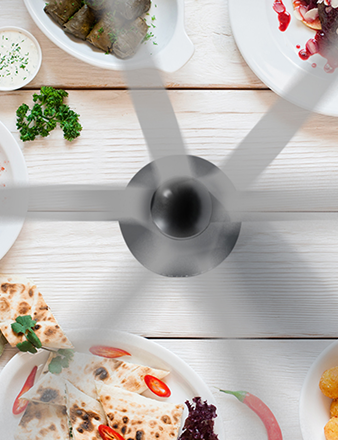
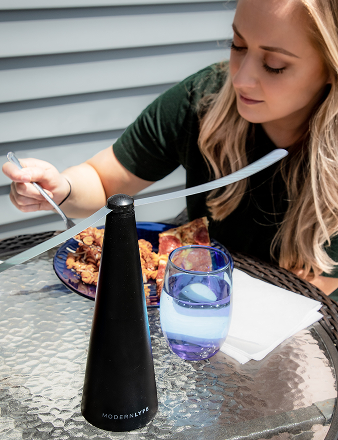
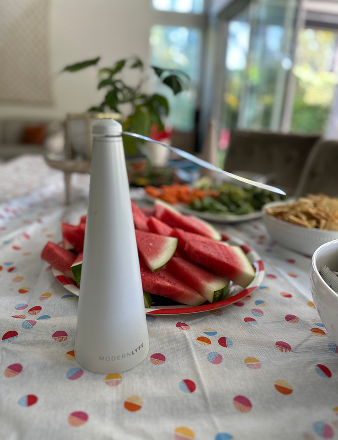
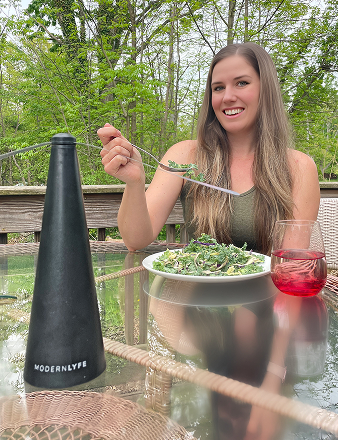
If you're building a cleaner, more professional event setup from end to end, MODERN LYFE offers smart fly fan solutions that help protect food presentation and guest comfort at restaurants, weddings, buffets, patios, and outdoor gatherings. Pair dependable plumbing with dependable table-side insect control, and your setup works the way guests expect it to.