Ever grab a 1 lb box of powdered sugar and wonder how many cups that actually is? You're not alone. Straight from the box, you’re looking at roughly 4 cups. Sift it, and that number jumps to about 4 ¾ cups.
That small difference might not seem like a big deal, but it's why a pastry chef’s icing is perfect every time. They almost always bake by weight, not volume.
Your Quick Guide To 1 Lb Powdered Sugar
When a recipe calls for 1 lb powdered sugar, it's giving you a precise weight. A heavy-handed scoop from a measuring cup weighs far more than a lightly spooned one. This is where inconsistencies in frostings, glazes, and delicate cookies come from.
The best way to guarantee perfect results is to use a kitchen scale. One pound of powdered sugar is always 454 grams. No guesswork, no variation—just precision.
Key Powdered Sugar Equivalents
No scale? No problem. You can still get great results with standard volume conversions. The key is to remember that sifting adds air, making the sugar fluffier and increasing its volume.
Here's a quick reference table to help you visualize these conversions.
1 Lb Powdered Sugar Quick Conversion Guide
| Unit | Equivalent (Unsifted) | Equivalent (Sifted) |
|---|---|---|
| Weight | 1 lb / 454 g | 1 lb / 454 g |
| Volume (US Cups) | ~4 cups | ~4 ¾ cups |
As you can see, the weight stays constant, but the volume changes depending on how you prep it.
The image below gives you a clear visual breakdown of these equivalents.

Notice how sifting can add almost a full cup to the volume of the same pound of sugar. It’s a game-changer for texture.
The core principle is simple: weight is constant, but volume is variable. Embracing this is the first step toward mastering any recipe that calls for powdered sugar.
Getting your measurements right is a cornerstone of good baking. This applies to other ingredients, too. Knowing the measurements of a 1 lb block of butter is just as crucial for achieving consistency in your kitchen.
Why Weighing Powdered Sugar Is a Game-Changer

Ever follow a frosting recipe perfectly, only to get runny icing one day and stiff buttercream the next? The problem isn't the recipe—it's your measuring cup. Professional bakers live by their digital scales for one reason: consistency.
Powdered sugar packs down easily. You can loosely spoon it into a measuring cup or pack it tight. Even the "scoop and level" method can vary depending on how compacted the sugar is or how humid your kitchen is.
This seemingly small difference is often the culprit behind a flawless dessert versus a frustrating mess.
Volume vs. Weight: The Baking Showdown
Measuring by volume (cups) is essentially guesswork. A single cup of unsifted powdered sugar can weigh anywhere from 100 to 120 grams. That 20% variance is more than enough to throw off the delicate balance of a baking recipe.
Here’s the breakdown:
- Volume (Cups): Inconsistent. Affected by how you scoop, pack, or sift.
- Weight (Grams/Pounds): A precise, absolute measurement that never lies.
A 1 lb powdered sugar box will always contain 454 grams. By placing your bowl on a scale and measuring by weight, you use the exact amount the recipe intended, every single time. For scaling recipes with this kind of precision, a recipe adjustment calculator can be an incredibly useful tool.
The secret to consistent baking isn't magic—it's removing variables. Weighing your ingredients eliminates the biggest variable of all.
The Truth About Sifting
Sifting does more than just remove clumps; it aerates the sugar, making it much lighter and fluffier. This is key for achieving a silky-smooth texture in a glaze or for melt-in-your-mouth cookies.
But here’s the catch: sifting makes volume measurements even less reliable. That aeration means the same weight of sugar takes up much more space.
When you weigh your ingredients, you get the best of both worlds. You can sift your powdered sugar for that perfect, airy texture without worrying about messing up your ingredient ratios. It's a simple habit that delivers professional, repeatable results.
Mastering Frostings, Glazes, And Buttercreams
Once your powdered sugar is measured, it’s time to put it to work. Powdered sugar creates the decadent frostings, simple glazes, and rich buttercreams we all love. Its ultra-fine texture is the key to a silky, luxurious finish, preventing the gritty mouthfeel that can ruin an otherwise perfect dessert.
Whether you're whipping up a two-ingredient glaze for donuts or a sturdy buttercream for piping roses, powdered sugar is your go-to. It dissolves almost instantly into fats and liquids, which is exactly what you need for a smooth, cohesive result.
The Perfect American Buttercream
A classic American buttercream is the perfect place to start, and it conveniently uses a standard 1 lb powdered sugar box as its base. This recipe yields a versatile frosting that’s easy to adjust for spreading, piping, or filling cookies.
Here’s a tried-and-true recipe:
- 1 lb powdered sugar (about 4 cups), sifted
- 1 cup (2 sticks) unsalted butter, softened
- 1-2 teaspoons vanilla extract
- 2-4 tablespoons milk or heavy cream
- Pinch of salt
Start by creaming the butter until light and fluffy. Slowly add the sifted powdered sugar, mixing on low until incorporated, then increase the speed. Add the vanilla, salt, and 2 tablespoons of milk, and beat until everything is perfectly smooth.
The secret to amazing buttercream is learning to adjust the consistency. If it's too stiff, add more milk a teaspoon at a time. If it’s too thin, mix in more sifted powdered sugar until it’s just right.
The Role of Cornstarch
Ever wonder why cornstarch is on the ingredient list of your powdered sugar? It's not just a filler. That small amount, usually around 3% of the total weight, acts as a stabilizer. It absorbs moisture from the air and prevents the sugar from clumping into hard rocks.
This built-in stabilizer also gives your frostings and glazes extra body and helps them keep their shape. It’s the unsung hero that keeps your piped buttercream flowers from wilting at room temperature.
Creative Ways To Use Powdered Sugar

When you think of powdered sugar, silky buttercream and perfect glazes probably come to mind. But its role in the kitchen is so much bigger. This pantry workhorse has a few surprising tricks that can solve common baking problems and elevate your desserts.
Never underestimate the power of a simple dusting. That light, snowy finish can instantly make fudgy brownies, a rich chocolate torte, or a weekend stack of delicious pancakes look professional. Of course, after all that work, you'll want to protect your masterpiece—a good fly cover for food is a must-have for keeping treats safe.
More Than Just a Garnish
Beyond looking pretty, powdered sugar is a secret weapon for texture. Its incredibly fine particles dissolve instantly, which is why it’s the only choice for recipes where a gritty feel is unacceptable.
You might be surprised by its other talents:
- Stabilize Whipped Cream: If your whipped cream turns watery, a tablespoon or two of powdered sugar per cup of heavy cream is the fix. The cornstarch soaks up extra moisture, keeping your cream fluffy and stable for hours.
- Improve Cookie Texture: For cookies like shortbread, powdered sugar is a game-changer. It helps create that signature delicate, melt-in-your-mouth texture that granulated sugar can't match.
- Act as a Binder: In no-bake recipes like chocolate truffles, powdered sugar binds all the ingredients together, giving the dessert structure without turning on the oven.
Think of powdered sugar as more than a sweetener. It's a texture-enhancer and a stabilizer. That little bit of cornstarch gives it superpowers you can use in all sorts of creative ways.
That familiar 1 lb powdered sugar box holds so much more potential than just frosting.
How To Buy And Store Your Powdered Sugar
Whether you’re grabbing a 1 lb powdered sugar box for a weekend project or buying in bulk, what you do after you open it makes all the difference. The trick isn't in the buying; it's in the storing.
Once you’ve broken the seal on that paper box or plastic bag, the clock starts ticking. The original packaging isn't built to protect the sugar from its biggest foe: humidity. The first thing you should do is move it into a dedicated, airtight container. This one small habit is the best way to keep your pantry staples safe and is a core part of how to prevent food contamination in your kitchen.
The secret to perfect, lump-free powdered sugar isn’t a fancy trick. It's just a good container. A sealed environment keeps moisture out and locks freshness in, so your sugar is always ready to go.
Long-Term Storage And Shelf Life
Powdered sugar doesn’t really "spoil" or go bad. It has an indefinite shelf life, but only if you store it correctly. If not, the quality will absolutely decline.
For the best results, follow these simple rules:
- Location: Find a spot in your pantry that’s cool, dark, and—most importantly—dry. Avoid storing it near the stove or sink where steam is common.
- Packaging: A high-quality airtight container is non-negotiable. Glass jars with sealing lids, dedicated plastic food containers, or ceramic canisters all work well.
This ingredient is a cornerstone of the baking world, driving a global market valued in the billions. You can see just how massive the demand is with insights from giiresearch.com. Storing it properly means you protect your investment and ensure every dusting, drizzle, and dollop is perfect.
Solving Common Powdered Sugar Problems
Every baker has been there. You reach for the powdered sugar, only to find a solid brick instead of a fluffy powder. Or your perfect icing turns into a soupy mess. These common kitchen hiccups are surprisingly easy to solve.
The number one culprit behind clumps is humidity. Powdered sugar loves to absorb moisture from the air, turning it into a dense block. For small, soft lumps, just sift the sugar through a fine-mesh sieve. If you’re dealing with a rock-solid chunk, break it into smaller pieces and give it a quick blitz in a food processor or blender until it’s fine and powdery again.
Rescuing Runny Or Stiff Icing
Getting the perfect icing consistency can feel like a balancing act. The good news is that you're always in control; the fix is all about adjusting the ratio of sugar to liquid.
- If your icing is too thin: The solution is simple: add more powdered sugar. Start with one tablespoon at a time, mixing thoroughly until you get the thickness you want.
- If your icing is too thick: Just add a touch more liquid. Whether it's milk, water, or lemon juice, add it one teaspoon at a time until the icing is smooth and spreadable.
This humble ingredient is a powerhouse in the global baking industry. For those interested in the business side, the powdered sugar market is a fascinating space, driven by everything from home baking booms to large-scale food production. You can dive deeper into these industry dynamics with market insights from Data Bridge Market Research.
Pro Tip: To avoid a sugar-dusted kitchen, always start your stand mixer on its lowest speed. You can also drape a clean kitchen towel over the bowl to catch the initial powder cloud.
Frequently Asked Questions About Powdered Sugar

Powdered sugar can still throw a curveball, no matter how often you use it. Let's tackle the most common questions so you can get back to baking.
Can I Make My Own Powdered Sugar at Home?
Absolutely. It's a classic baker's trick for when you're in a pinch. Just blitz regular granulated sugar in a high-speed blender until it's a super-fine, fluffy powder.
To get it closer to the commercial kind in a 1 lb powdered sugar box, add one tablespoon of cornstarch for every cup of sugar. This prevents clumps and gives it that signature silky feel.
What Is the Difference Between Powdered Sugar and Icing Sugar?
This is a common point of confusion, but they're the same thing. Whether the recipe calls for 'powdered sugar,' 'confectioners' sugar,' or 'icing sugar,' you're reaching for the same bag.
In the U.S., this finely ground sugar almost always contains a little cornstarch to prevent caking, which is key for smooth icings.
It's no surprise this versatile ingredient is a pantry staple worldwide. Its role in everything from home baking to commercial food production is huge. In fact, market experts are watching its continued growth, with a closer look at the future of the powdered sugar market on openpr.com.
Is There a Good Substitute for Powdered Sugar?
Honestly, the best substitute is the DIY version we just covered. If you just need a light dusting over a dessert, finely blended plain sugar works fine.
However, for recipes like frostings and glazes where a melt-in-your-mouth texture is non-negotiable, a direct replacement is tough. While some powdered sweeteners like erythritol can be used, they will change the taste and consistency of your final product.
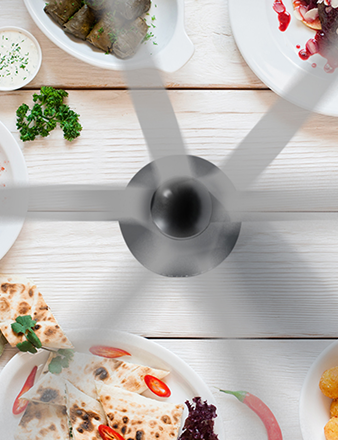
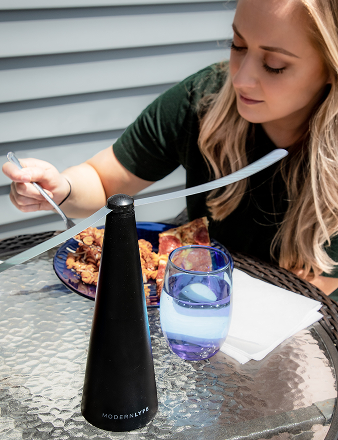
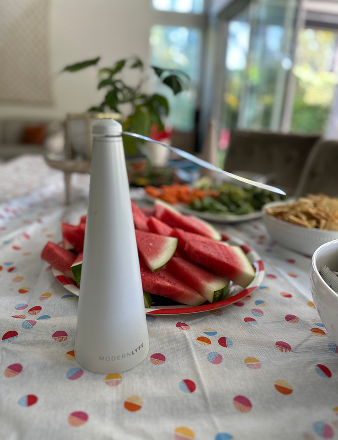
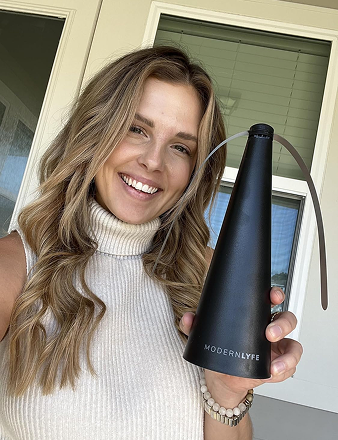
Keep your food fresh and fly-free with an elegant solution from MODERN LYFE. Our quiet, effective fly fans protect your culinary creations without disrupting your event's atmosphere. Shop now at modernlyfe.com and ensure your gatherings are remembered for the food, not the flies.