A busy service falls apart in small ways first.
A ramekin runs out at the buffet. One server fills dressing cups heavy, another fills them light. Takeout bags come back slick with leaked sauce. The garnish station looks cluttered by halfway through the rush, and guests notice the mess before staff do.
That is why the 1 ounce cup matters more than it gets credit for. In hospitality, tiny tools carry the biggest operational load. A well-chosen cup does not only hold sauce. It standardizes portions, cleans up presentation, speeds the line, and helps protect food from unnecessary handling.
Used well, it becomes part of the system behind a polished event or restaurant service. Used poorly, it turns into one more disposable item that creates waste, confusion, and visual noise. The difference comes down to material choice, setup discipline, and understanding where a 1 ounce cup earns its place.
The Unsung Hero of a Flawless Event
At a catered wedding, the failure point is seldom the main course. It is the side details. Sauces pool on linen. Condiment bottles get passed from hand to hand. A buffet line slows because guests stop to open packets or wait for staff to refill a bowl that emptied faster than expected.
The 1 ounce cup resolves that kind of friction.
In real hospitality work, the best tools are the ones guests barely notice. A row of neatly filled cups at a carving station keeps the table clean and gives every guest the same experience. A tray of pre-portioned aioli, chimichurri, or dressing removes guesswork for staff. In takeout, a lidded cup separates wet items from crisp food and protects the final plate from turning into a soggy compromise by the time it reaches the customer.
Where the cup changes the service
A 1 ounce cup earns its keep in moments like these:
- Buffet flow: Guests take what they need without hovering over a communal sauce bowl.
- Kitchen prep: Cooks can stage measured ingredients in advance and move faster during pickup.
- Outdoor service: Individual portions reduce exposure and cut down on repeated utensil contact.
- Presentation: Matching cups create visual order across trays, boxes, and station setups.
A lot of event managers focus on centerpieces, rentals, and floorplans. Those matter. But service quality comes down to repeatable details. The 1 ounce cup is one of them.
A clean line reads as professional before a guest tastes a single bite.
That is the strategic value. It is not glamorous. It is dependable. And in hospitality, dependable is what protects margins, timing, and guest confidence.
Understanding the 1 Ounce Cup Beyond Volume
A rushed service exposes every weak point in an operation. The 1 ounce cup helps remove several of them at once because it gives staff a fixed portion, a cleaner handoff, and a more uniform presentation.
In kitchen terms, 1 ounce is roughly 30 mL. Staff recognize that as a workable prep measure, and they can apply it quickly without stopping to recheck every small pour. If a recipe uses two tablespoons, the cup matches the target.
That matters most when several people are building the same item under pressure. One person fills heavy, another fills light, and the result is uneven flavor, messy packaging, and avoidable food cost drift. A 1 ounce cup sets the standard before the plate or box ever reaches the guest.
It also improves the visual side of service. Matching portions make trays, tasting flights, and condiment setups look deliberate instead of improvised. For operations that want a more elevated small-format presentation, a 1 oz glass jar for sauces, favors, or tasting service can serve a similar role in the right setting, though plastic wins on speed, stacking, and break resistance.
Training stays simple:
- Sauces and dips: One filled cup equals one guest portion.
- Prep batches: Fill, lid, label, and stage by station.
- Tastings: Keep samples controlled and hands off shared containers.
- Packed meals: Separate wet components so texture holds longer.
Bar teams understand this logic. Small-volume service only works when everyone agrees on the pour and executes it the same way. The same principle shows up in tasting programs and spirits service, which is why what is a dram of whiskey is a useful parallel for staff who need a familiar reference.
Operational value stems from this. A 1 ounce cup reduces guesswork, limits repeat handling, and helps every station present food with the same level of care. Volume is the starting point. Control is the benefit.
Choosing Your Ideal Cup Material
A 1 ounce cup earns its place during setup, transport, and service. The wrong material clouds sauces, pops lids, or buckles in transit. The right one protects the product, keeps the line clean, and supports the standard guests see on the table.

PET and PP for everyday food service
PET and PP handle most hospitality work well, but they solve different problems.
PET is the better choice when presentation matters. Clear walls show color, texture, and fill level at a glance, which helps on buffets, tasting trays, and retail-style grab-and-go packs. Staff can also spot separation or underfilled portions quickly before items reach the guest.
PP is the safer operational pick for back-of-house use. It handles squeezing, stacking, and quick handoffs with less fuss. If the cups are being filled in prep, moved to speed racks, and passed through several hands before service, PP gives fewer headaches.
When strength matters most
Some events are hard on smallwares. Off-site catering, stadium service, school nutrition programs, and hotel banquets all involve carts, crates, ramps, and rushed resets. In those conditions, cup strength affects more than breakage. It affects sanitation, labor, and how much rework the team absorbs during service.
HDPE is the better fit for that environment because it is built for abuse. Alibaba's 1 oz portion cup material overview reports that HDPE offers tensile strength of 20 to 30 MPa and outperforms standard PP by 25 to 40% in drop tests from 1.5 m heights. That added toughness matters when pre-filled cups travel from commissary to venue or get staged in bulk near a busy service line.
I reserve high-clarity cups for display and stronger cups for movement.
Eco-minded options and their trade-offs
Compostable and paper-based cups can support a sustainability goal, but they need a realistic use case. Wet sauces, oily dressings, and chilled holding can expose their limits fast. If a cup softens, leaks, or loses its lid seal, the environmental message gets buried under a service problem.
Glass can look excellent in premium tasting formats, but it changes the workflow. It adds weight, slows resets, and increases breakage risk in crowded service areas. For a more decorative small-format option, a 1 oz glass jar for favors or elevated presentation can make sense, especially for dry goods or curated guest gifts. It is seldom the first choice for fast condiment service.
Match material to setting
Choose material by handling conditions first, then by appearance.
| Material | Best use | Main advantage | Main limitation |
|---|---|---|---|
| PET | Guest-facing sauces and dressings | Clear presentation | Less forgiving under rough handling |
| PP | General prep and service | Reliable all-round performance | Less visual appeal |
| HDPE | Transport-heavy or high-impact settings | Strong durability | Not the first choice for showpiece presentation |
| Compostable options | Brand-led sustainability setups | Better fit for eco messaging | Higher cost and narrower application range |
| Glass | Specialty tastings or upscale display | Reusable and elegant | Fragile and heavy |
Operators make this kind of vessel choice across the event floor. The same presentation logic behind rentals such as Champagne Coupe Glasses applies here. Guests notice the container before they taste what is inside.
A 1 ounce cup is small, but the material choice affects cleanliness, consistency, and how polished the whole setup feels.
Practical Applications in Hospitality
A server is three tickets deep, the buffet line is building, and a guest asks for dressing on the side. Service stays smooth when that dressing is filled, covered, and ready to place. That is where a 1 ounce cup earns its keep.
In hospitality, this cup is more than a portioning item. It supports cleaner handoffs between prep and service, keeps guest-facing stations neater, and helps the whole setup look intentional instead of improvised. Small packaging decisions shape how professional the event feels.
Prep systems that protect speed and consistency
Good mise en place removes hesitation. A 1 ounce cup does that well because it turns repeat items into ready-to-use components.
Use it for sauce portions on passed appetizers, dressing for plated salads, garnish sets for action stations, or chilled accompaniments that need to stay covered until pickup. Staff can pull the same portion every time without stopping to spoon, wipe, or guess. That matters during volume service, where a few extra motions at each plate add up fast.
The operational payoff shows up in plain ways. Fewer spills on the line. Fewer open containers sitting near ready-to-eat food. Less variation from one staff member to the next.
If you are building station setups for catering or banquets, a solid catering equipment checklist for event prep and service flow should include portion cups anywhere sauces, dressings, or cold garnishes need to move cleanly from prep to guest service.
A quick visual example helps if you are training staff on setup and handling:
Buffet and self-serve stations that stay presentable
Shared bowls start strong and decline quickly once service begins. Utensils slip into the product, rims get messy, and guests leave drips on linens or risers.
Pre-portioned 1 ounce cups solve several of those problems at once. Guests know exactly what to take. The station holds its shape longer. Staff can reset by replacing rows instead of wiping and retooling an entire condiment area.
This format works well for:
- Dipping sauces: Faster pickup, less contact with shared utensils
- Salad dressings: Better texture control because greens stay undressed until eating
- Toppings: Salsa, crema, relish, chutney, and similar add-ons look cleaner in individual portions
- Tastings: Sample service moves faster when cups are staged in advance
The hygiene benefit is easy to overlook, but it matters. Individual portions reduce repeated guest contact with the same serving tools, which is a practical advantage for buffets, outdoor events, and high-turnover stations.
Takeout and delivery that preserve the food
A good package protects the dish, not merely the container count.
For takeout, the 1 ounce cup helps keep wet items away from crisp or delicate ones until the guest is ready to eat. Fried sides hold better. Salads arrive with structure intact. Grain bowls and composed cold items keep their intended texture longer. Guests notice that kind of care, even if they do not describe it in packaging terms.
The cup also gives operators tighter control over the final presentation inside the bag or clamshell. Sauce in a sealed cup looks deliberate. Sauce pooled into the corner looks like an afterthought.
Lid fit determines whether this works. If the lid loosens during transport, the cup stops being a service tool and starts becoming a cleanup problem.
Sampling, tastings, and outdoor service
High-traffic events reward setups that are fast to hand over and easy to keep sanitary. Pre-filled 1 ounce cups help staff serve samples without repeated scooping in front of guests, and they keep portions uniform across the event.
I have seen this make the biggest difference at tastings and festivals, where foot traffic comes in waves. When samples are staged ahead of time, staff can stay focused on guest interaction instead of scrambling to portion every bite individually. The table looks more organized, and the queue moves with less friction.
Where the 1 ounce cup falls short
It is not the right answer for every item.
Thick sauces can be awkward to fill neatly. Hot foods may exceed what the chosen cup material handles well. Some premium presentations are better served in reusable vessels or plated directly. Problems also start when teams overfill cups, skip lids during transport, or mix multiple cup styles in one service area.
Used with discipline, though, the 1 ounce cup does more than hold an ounce. It supports cleaner service, steadier execution, and a more polished guest experience from kitchen prep to final presentation.
Smart Sourcing and Storage Strategies
Buying 1 ounce cups without strategy is how operations end up with mismatched lids, cracked sleeves, and back stock that nobody wants to use. Smart sourcing starts with one question. Where will the cup fail first in your workflow?
For some teams, the weak point is transport. For others, it is visual presentation. For takeout-heavy operators, it is lid fit. Buying on unit price alone ignores the actual cost of service friction.
Buy for the job, not only the catalog photo
If you run steady volume, buying in bulk makes sense when the cup has proven itself in your workflow. If you are testing a new setup, smaller orders are safer. A sample sleeve can reveal a lot. Does the lid snap on cleanly. Do cups separate easily during prep. Does the material cloud, flex, or crack in real service conditions.
Use a short approval checklist before committing:
- Confirm lid compatibility: Cups and lids from different vendors often look similar and fit poorly.
- Check fill use case: A cup that works for ketchup may fail with oily dressings or thicker sauces.
- Review handling conditions: Catering transport, refrigeration, and outdoor service all stress packaging differently.
- Standardize by station: Fewer cup types means fewer mistakes.
Store them like food-contact items
Too many operations treat portion cups like generic dry stock. They are not. They touch ready-to-eat food, which means storage discipline matters.
Keep sleeves sealed until needed. Store them off the floor and away from splash zones, chemical shelves, and dusty open racks. If a sleeve is opened, move it into a clean, covered bin instead of leaving it exposed on a prep shelf.
Space planning matters too. If your kitchen is tight, map cup storage to service flow. Prep cups should live near cold prep. Lidded takeout cups should live near expo or packing.
For broader planning around stock, staging, and event setup, this internal https://modernlyfe.com/blogs/articles/catering-equipment-checklist is a useful operational reference.
Bulk is helpful only when access is controlled
Bulk inventory can improve purchasing efficiency, but only if staff can pull stock cleanly and count usage without confusion. Random half-open cartons create waste and contamination risk.
The best storage system is the one night staff can follow without asking questions.
A simple rule works well. One active sleeve at the station, reserve stock in back, and lids stored with the matching cups. That sounds basic because it is. Basic systems are what hold under pressure.
Best Practices for Service and Hygiene
A 1 ounce cup looks professional only when the surrounding setup supports it. Good service is not solely portion control. It is placement, spacing, flow, and protection.
A tray of pre-portioned sauce can look sharp at setup and still become a hygiene problem if guests have to reach across food, crowd around one bottleneck, or hover over open condiments for too long. The cup should fit into a larger service system, not sit on the table as an isolated fix.
Set the station for easy movement
Guests should understand the station at a glance.
Group similar sauces together. Keep labels direct. Place cups where guests can pick them up without crossing over plates or leaning across another guest’s path. If the station includes hot food, keep sauces far enough away that lids and cup walls are not affected by heat exposure.
For event teams, these habits help:
- Build from left to right: Mirror the natural guest flow where possible.
- Use shallow trays or risers: This keeps cups contained and visually organized.
- Refill in small batches: Fresh-looking stations stay cleaner than overpacked ones.
- Remove damaged cups immediately: A single collapsed cup makes the whole setup look neglected.
Reduce contact points
Individual cups cut down on repeated utensil use. That alone makes them useful in self-serve environments. But hygiene also depends on staff handling.
Train staff to fill cups in clean batches, lid them promptly when needed, and avoid touching the rim area during setup. Once cups reach the buffet or pickup line, the goal is to minimize additional handling.
For operators reviewing broader sanitation practice, this internal guide to https://modernlyfe.com/blogs/articles/food-service-hygiene-standards is worth keeping close to your event planning workflow.
Use environmental protection around open food
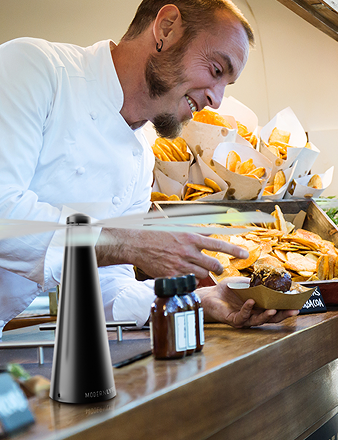
Outdoor service creates a different challenge. Even a well-portioned condiment setup can be undermined by insect exposure, guest traffic, and long dwell time on a buffet.
The best setups place condiments within a protected service zone so cups stay accessible without being left vulnerable. This is important for garden weddings, patio brunches, barbecue service, and resort buffets where food remains out for extended periods.
Clean presentation and hygiene are not separate goals. Guests read them as the same thing.
Keep the look intentional
Presentation matters because guests associate neatness with care. If sauces are pre-portioned, align them. If different flavors are offered, keep the cup style consistent. Do not mix random clear cups, opaque cups, and paper sample containers on the same station unless there is a clear reason.
A 1 ounce cup works best when it disappears into the design of service. Guests should notice that the station feels easy, clean, and organized. They should not notice the operational scrambling behind it.
The Small Cup with a Big Impact
The 1 ounce cup is easy to underestimate because it is inexpensive, small, and familiar. In practice, it does serious work.
It helps control portions, keep stations cleaner, speed prep, and package sauces in a way that protects the food around them. It also supports a more disciplined visual standard. That matters in restaurants, catering, hotels, food trucks, and home entertaining alike.
The key is to treat it as a strategic tool, not a commodity. Choose the material for the job. Pair it with the right lid when transport matters. Store it cleanly. Set it into service with intention.
Hospitality quality comes down to details guests never name directly. They feel that the event ran smoothly, the food stayed tidy, and the setup looked sharp. The 1 ounce cup helps create that result.
Frequently Asked Questions
| Question | Answer |
|---|---|
| Can I use a 1 ounce cup for hot liquids? | Sometimes, but only if the material is suited to the temperature. Check the manufacturer specification before using any cup for hot sauces or warm liquids. Do not assume all plastic cups handle heat equally well. |
| Should I wash and reuse plastic 1 ounce cups in commercial service? | For most hospitality operations, single-use cups are best treated as single-use unless the manufacturer clearly supports reuse and your sanitation process can handle them properly. Reuse sounds efficient, but inconsistency and wear create more problems than savings. |
| What is the best way to label many filled cups during prep? | Use sheet labels or a fine-tip food-safe marker on lids, not on cup walls. Label by product name or station, then group cups in trays so staff can grab them fast during setup. |
| Are lids always necessary? | No. For buffet service during immediate use, open cups can work. For transport, takeout, and cold prep storage, lids are the safer choice. |
| Which material looks best for front-of-house presentation? | Clear cups present sauces and dressings more cleanly. If the guest sees the product, clarity matters. If the cup stays mostly back-of-house, durability may matter more. |
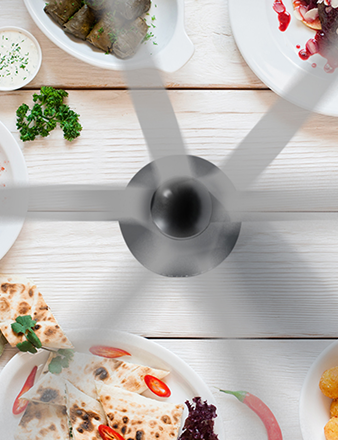
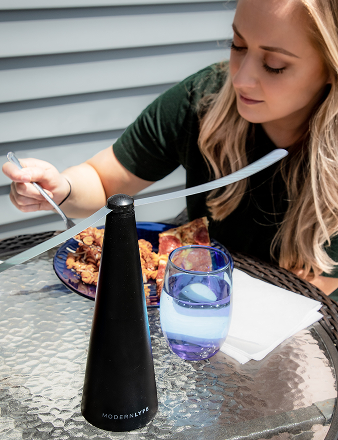
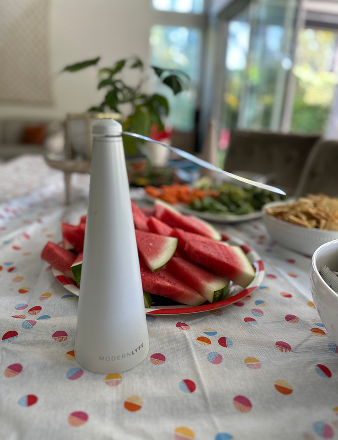
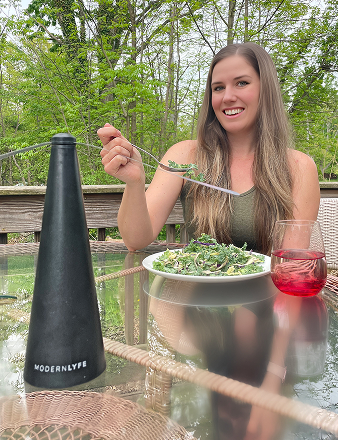
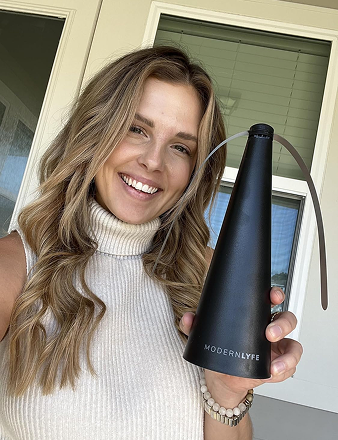
If you want the rest of your service setup to match the same standard of cleanliness and presentation, explore MODERN LYFE. Their fly fans are built for restaurants, buffets, catered events, patios, and outdoor gatherings where food protection and guest comfort need to work together without making the setup look bulky or improvised.