A 1 oz hand sanitizer used to be a travel-sized afterthought. Not anymore. Today, these compact bottles are front-and-center essentials for clean hands anywhere, anytime—clipped to keychains, stored in cup holders, and carried in pockets.
Why Smart Hygiene Is the New Standard of Service
The initial rush for hygiene products is over. Now, it's about delivering an exceptional guest experience. For restaurant managers, event coordinators, and service industry professionals, that means thinking smarter.
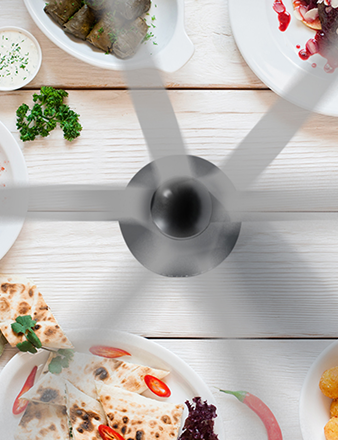
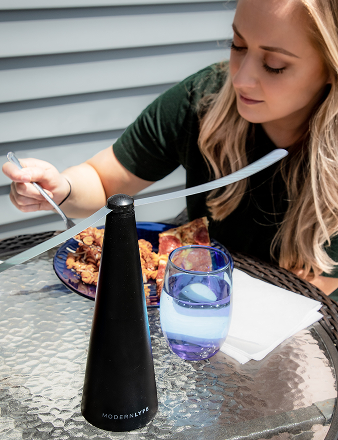
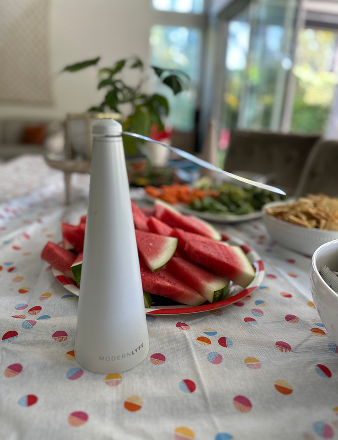
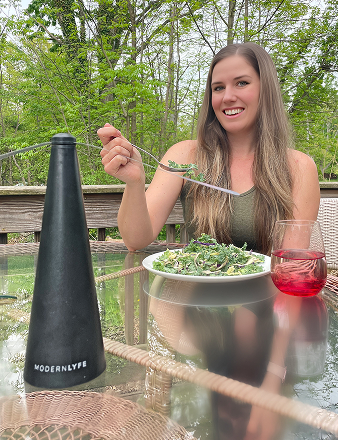
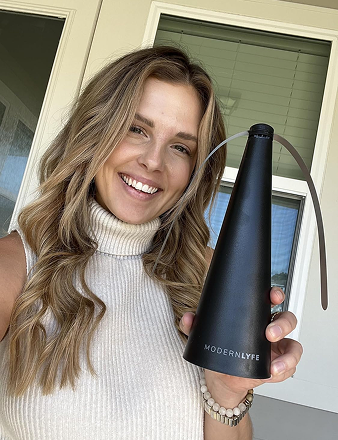
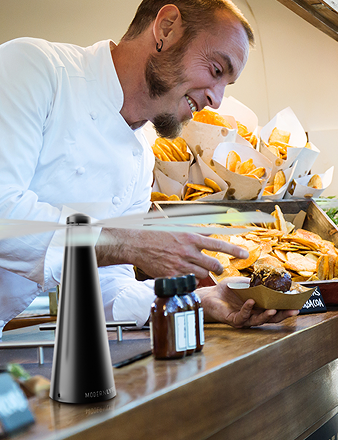
A personal hand sanitizer is more than a safety item; it's a powerful statement. It tells your guests you prioritize their comfort and well-being from the moment they arrive. Offering a small, personal sanitizer shows you've covered the details. It's a modern touch that works alongside other efforts—like using fly fans on a patio—to create a clean, comfortable, and welcoming space.
In today's hospitality world, thoughtful hygiene is a core part of great service. It demonstrates care, professionalism, and a commitment to excellence that guests notice.
From Necessity to Opportunity
The demand for sanitizer was unprecedented. In March 2020, U.S. sales surged by 1,000% compared to the previous year, turning a simple hygiene product into a daily staple.
While the market has stabilized from its projected peak of over $17 billion, it's still expected to be a $7.43 billion industry by 2025. This proves hand sanitizer is here to stay.
This is a clear opportunity for your business. Instead of just reacting, smart operators are weaving hygiene directly into their brand identity. By elevating your food service hygiene standards, you can make your venue stand out. The 1 oz hand sanitizer now symbolizes a modern, guest-first philosophy where safety and excellent service are one and the same.
Choosing the Right Sanitizer for Your Venue
Selecting a hand sanitizer for your venue is a direct reflection of your commitment to guest safety and comfort. It's not a commodity; it's part of your hospitality service. Not all sanitizers are created equal, and knowing the difference is key to making a smart choice.
The most critical factor is alcohol concentration. The CDC is clear: to be effective against germs, you need a hand sanitizer with 60% alcohol at minimum. Anything less is insufficient in a professional setting where you're responsible for guest well-being. This is the baseline for a product you can trust.
The market for these products exploded, and although it has settled, a new standard for public hygiene is permanent.

This new reality requires more deliberate choices, especially regarding the formulation you offer.
Gel, Foam, or Spray?
After confirming the alcohol content, decide on the formulation: gel, foam, or spray. Each offers a distinct user experience, and the right one depends on where and how it will be used.
For example, gel-based sanitizers, especially the convenient 1 oz hand sanitizer bottles, account for about 50% of the global market. These bottles are workhorses, providing 30-40 applications each, making them ideal for high-turnover areas like restaurant tables or food truck counters. Always vet your suppliers—the 2020 rush introduced dangerous products with methanol contamination to the market.
To help you decide, here’s a breakdown of how each formulation performs in a real-world setting.
Hand Sanitizer Formulation Comparison
| Formulation Type | Best Use Case | Pros | Cons |
|---|---|---|---|
| Gel | On dining tables, reception desks, and host stands | Thick consistency prevents drips; easy to control dispensing | Can feel sticky if not well-formulated; slower to dry |
| Foam | High-traffic areas like restrooms, event entryways, and buffet lines | Spreads easily for full coverage; feels light and airy on the skin | Requires a specific foaming dispenser; can be more expensive |
| Spray | For mobile staff like servers, ushers, or security who need quick cleanup | Dries almost instantly; feels weightless with no residue | Can be messy if not aimed carefully; easier to overuse (mist) |
The best strategy might be a mix: a gel dispenser at the front desk, a touchless foam station by restrooms, and personal spray bottles for your team.
Beyond the Basics: The Importance of Moisturizers
Here's an easy-to-overlook detail: for staff who sanitize their hands dozens of times a day, standard alcohol-based products are harsh on their skin. Alcohol strips away natural oils, leading to dryness, irritation, and cracking.
A sanitizer with moisturizing ingredients like aloe vera or glycerin is a practical necessity for staff wellness. A comfortable team is a happy and effective team.
By choosing a formula that also conditions the skin, you invest in your team's well-being. This small detail sends a powerful message that you care and helps ensure your staff can adhere to hygiene protocols without discomfort.
Integrating Sanitizer into the Guest Experience

Any venue can place a pump bottle on a counter. To stand out, you must integrate hygiene into your hospitality. It’s not just about providing sanitizer; it’s about how and where you provide it.
When you thoughtfully integrate hand hygiene into the guest journey, you transform it from a functional necessity into a thoughtful touchpoint. This is where the 1 oz hand sanitizer proves its value. Its compact size creates endless opportunities to make a great impression.
Consider the path your guests take. Where do they stop? Where do they interact with your space? Placing sanitizer at these key moments shows you anticipate their needs—the essence of great service.
Creative Placement Ideas for Maximum Impact
Think beyond the front door or restroom. The goal is to surprise your guests with your attention to detail. A well-placed sanitizer feels less like a requirement and more like a genuine gesture.
Here are a few ways to achieve this:
- Hotel Welcome Baskets: Include a branded bottle with other amenities. It’s an inexpensive addition that speaks volumes about your standards.
- Wedding and Event Favors: A custom-labeled 1 oz hand sanitizer is a perfect modern party favor—practical, useful, and something guests will take home.
- Conference Swag Bags: For any large gathering, a personal sanitizer is a low-cost, high-value addition that attendees will use and appreciate.
- Food Truck Condiment Stations: Place small bottles next to the forks and napkins. Guests will appreciate the chance to clean their hands right before eating.
These small moments add up, showing guests you have considered their experience from every angle.
Smart placement turns a simple hygiene product into a memorable touchpoint. It’s not just about cleanliness; it’s about demonstrating a deeper level of hospitality and attention to detail that guests will notice and remember.
Sanitizer as a Tool for Service Staff
Your staff is the face of your operation and needs the right tools to deliver top-notch service on the move. Wall-mounted dispensers are useful, but they don't help an employee working a patio, a festival ground, or a busy ballroom.
Providing personal 1 oz hand sanitizer bottles to your team makes a huge difference. A server can clip a bottle to their apron for quick use between taking orders and delivering food. An usher can keep one in their pocket to stay fresh while guiding guests.
This simple step empowers your staff to maintain hygiene standards wherever their job takes them, without interrupting their workflow. It supports a clean, professional image and ensures safety is a seamless part of the experience.
Mastering Sanitizer Storage and Shelf Life
When dealing with cases of 1 oz hand sanitizer, proper storage is crucial. To protect your inventory and ensure safety, handle these alcohol-based products with care. They are flammable.
Think of it this way: you wouldn't store cooking sherry next to a kitchen grill. Apply the same logic here. Keep your sanitizer stock away from open flames, high heat, and potential sparks. It is the first and most important step in preventing accidents.
Proper storage protects your investment. An expired or improperly stored sanitizer is ineffective, wasting money and creating a potential liability.
Understanding Shelf Life and Efficacy
Most hand sanitizers have a shelf life of 2-3 years. That date is not a suggestion. Over time, the alcohol that kills germs evaporates, even from a sealed bottle. Once the alcohol concentration drops below the effective 60% mark, the product is useless.
Using an expired sanitizer is like trying to clean a greasy pan with only water—it looks like you're doing something, but you're not achieving the goal. A simple "first-in, first-out" inventory system is your best friend, ensuring you use older stock before it expires.
A Simple Storage Checklist
Keeping your sanitizer supply safe and effective doesn't require a complex system. A few clear, consistent rules will help your team manage inventory correctly and build a strong safety culture.
Follow these key steps when storing your 1 oz hand sanitizer:
- Store in a Cool, Dry Place: Find a spot away from direct sunlight and heat sources like ovens or radiators. The ideal temperature is between 60-75°F (15-24°C).
- Use First-In, First-Out (FIFO): When new stock arrives, place it behind your current inventory. This rotation ensures older bottles are used first.
- Check Expiration Dates Regularly: Make this a routine part of your inventory check. Remove and properly dispose of any expired products.
- Ensure Good Ventilation: If storing large quantities, make sure the area is well-ventilated to prevent a buildup of alcohol fumes and reduce fire risk.
Good inventory management is part of a broader workplace safety culture. For anyone in the food and beverage industry, these habits are as important as knowing how to prevent food contamination, which is covered in our other guide.
Sourcing and Branding Sanitizer for Your Business

When you offer 1 oz hand sanitizer, you are making a strategic choice. Sourcing these bottles isn't just about finding the cheapest option; it's a balance of cost, quality, and the impression you leave. Get it right, and it becomes a powerful tool for your brand and budget.
For most venues, buying in bulk is a game-changer. Exploring bulk hand sanitizer travel size solutions can dramatically lower your per-unit cost. This makes it practical to leave a personal sanitizer at every table, include one in every welcome basket, or hand them out freely at your event entrance.
Custom Branding Turns Sanitizer into a Marketing Tool
A blank bottle of sanitizer is just functional. A bottle with your logo is a conversation starter. Adding your brand colors, logo, or a message to a 1 oz hand sanitizer transforms it from an amenity into a pocket-sized marketing piece.
Think of it as a small, useful business card. When a guest takes that bottle home from your hotel, wedding, or restaurant, your brand goes with them. It’s a subtle but powerful way to create a lasting connection and reinforce a positive memory.
Key Factors for Vetting Your Suppliers
Finding a trustworthy supplier is critical for protecting your guests and your reputation. The market is flooded with options of varying quality. To ensure you get a safe and effective product, treat these criteria as non-negotiable.
- FDA Registration and Compliance: Only work with suppliers who can prove they are FDA-registered. This confirms their facility meets federal safety and manufacturing standards.
- Transparent Ingredient Lists: Your supplier must provide a full ingredient list. Confirm the alcohol concentration is between 60% and 95% and that the formula is free of dangerous substances like methanol.
- Third-Party Lab Testing: The best manufacturers prove their claims. Ask for a certificate of analysis from an independent lab to verify the alcohol content and purity of their product.
Prioritizing quality and safety is brand protection. A high-quality sanitizer builds confidence. A bad one can destroy trust instantly.
Refillable vs. Single-Use Bottles
Next, decide between single-use bottles and a refillable system. Single-use bottles offer convenience and a guaranteed factory-sealed product for every guest, making them ideal for high-end events, giveaways, or gifts.
Refillable systems can be more cost-effective and sustainable. We explore some of these small, refillable options in our guide to 1 oz dropper bottles. While great for staff use or fixed sanitation stations, this approach requires strict hygiene protocols to prevent contamination during refilling.
Common Questions About Using Hand Sanitizer
When you're responsible for a busy venue, you need practical answers. Let's address common questions from operators and event planners about using 1 oz hand sanitizer.
Is a 1 Oz Hand Sanitizer Bottle TSA-Approved?
Yes. The TSA's liquid limit for carry-on bags is 3.4 oz (100 ml), and a 1 oz bottle is well under that limit.
This small detail makes these bottles perfect amenities for anyone traveling to your location, including guests, VIP speakers, or team members.
How Long Does a 1 Oz Bottle Last?
A single 1 oz hand sanitizer bottle provides 30-40 uses, depending on the pump and gel thickness.
For a guest at a dinner or a day-long conference, that is more than enough. For your staff, it's a convenient pocket-sized supply that will last through a demanding shift without needing to visit a wall-mounted dispenser.
Hand sanitizer doesn't last forever. Most alcohol-based formulas have a shelf life of 2-3 years. After that, the alcohol concentration can drop below the 60% needed for it to be effective.
What Should I Look for When Buying in Bulk?
Buying in bulk is smart, but ensure you get a quality product. When sourcing your supply, focus on these three factors:
- Effective Alcohol Content: The formula must contain 60% to 95% alcohol. Anything less is not effective at killing germs.
- FDA Registration: Always buy from a reputable supplier whose products are registered with the FDA. This is your baseline for safety.
- Skin-Friendly Ingredients: A good sanitizer shouldn't be harsh. Look for formulas with moisturizers like aloe vera to counteract the drying effect of alcohol. Your staff will thank you.
Elevate your guest experience with thoughtful hygiene solutions from MODERN LYFE. Find elegant and effective ways to keep your venue clean and your guests happy at https://modernlyfe.com.