Here's the direct answer every cook needs: 1 teaspoon equals 5 cubic centimeters (cc).
While the exact scientific measurement is 4.92892 cc, every practical kitchen—from home cooking to high-volume restaurants—rounds up to 5 cc. This simple, clean number ensures consistent results without getting bogged down in decimal points.
The Magic Number: How Many CC in 1 Teaspoon?
Think of it as a universal kitchen shortcut. The difference between 4.92892 cc and the practical 5 cc is so small it has virtually no impact on a single dish's flavor or texture. It's a rounding convention that makes sense for speed and efficiency.
When you see a measurement in cubic centimeters (cc), you're just looking at another way to measure volume, identical to a milliliter (ml). You might even notice commercial food storage containers labeled in cubic centimeters, showing how common this unit is for standardizing volume.

Ultimately, for chefs and anyone batching recipes, knowing that 1 tsp equals 5 cc is what matters. It makes scaling recipes simple and reliable.
Quick Teaspoon to CC Conversion Chart
To make things even easier, here is a quick reference table for converting common teaspoon measurements to cubic centimeters (which are the same as milliliters). Keep this handy anytime you need to translate a recipe.
| Teaspoons (tsp) | Precise CC/ML | Practical CC/ML |
|---|---|---|
| 1/4 tsp | 1.23 cc | 1.25 cc |
| 1/2 tsp | 2.46 cc | 2.5 cc |
| 1 tsp | 4.93 cc | 5 cc |
| 2 tsp | 9.86 cc | 10 cc |
Using the rounded number makes the math clean and easy—exactly what you need in a fast-paced environment.
Why Precision Matters in Professional Kitchens
In a professional kitchen, a teaspoon is never just a teaspoon. While a home cook can get away with a "dash" here and a "pinch" there, in a commercial setting, that small spoon represents consistency, quality, and your bottom line.
Think about it: a customer loves your signature salad dressing. If it tastes perfectly balanced one day but sharp and acidic the next, you've broken their trust. That inconsistency almost always starts with tiny measurement errors, magnified across hundreds of servings. For a chef, precision is the foundation of their reputation.
The High Stakes of Small Errors
When you're operating at scale, small mistakes have a massive ripple effect. In the foodservice world, you must know that 1 teaspoon is technically 4.9289215938 cubic centimeters. That level of detail separates amateurs from pros.
Within the U.S. restaurant industry—a market valued at $899 billion in 2023—this conversion is a daily reality. A tiny 1% measurement error in a proprietary spice blend could compromise up to 10,000 meals over a year for a single restaurant chain. You can check the specific conversions on unitconverters.net.
This mindset applies to more than just food. Precise measurement of cleaning solutions is just as critical for safety. You can apply these principles across all operations to master food safety in your restaurant.
From Basic Spices to Advanced Culinary Arts
This obsession with accuracy isn't just for getting the salt right. It's fundamental when you want to achieve culinary precision in complex recipes, like a delicate pizza dough where exact hydration makes or breaks the final product.
For a chef, consistency isn't just a goal; it's a promise to the customer. A teaspoon holds the power to keep or break that promise with every dish.
Whether you're converting 1 teaspoon to cc for a bulk sauce or portioning an expensive spice, precision delivers on three key promises:
- Flavor Consistency: Every plate tastes exactly as you designed it.
- Cost Control: You stop wasting money by overusing expensive ingredients.
- Customer Trust: You build a loyal following that counts on the same great experience, every time.
Are All Teaspoons the Same? US vs. Metric
Ever followed a recipe from another country and felt something was a little off? You weren't imagining it. Not all teaspoons are created equal.
The standard US teaspoon is legally defined as approximately 4.93 cubic centimeters (cc). In contrast, the metric teaspoon, used in most of the world, is a clean 5 cc. It’s a tiny 1.4% difference, but it can throw off a delicate sauce or baking formula, especially when scaling a recipe.
Why the Difference Exists
The teaspoon wasn't born in a kitchen but in 18th-century apothecary shops. As measurement systems evolved, the US held onto its customary units, while much of the world embraced the decimal-based metric system.
This split was a big deal, influencing 80% of recipe books by 1900 and impacting the $50 billion canned goods market by 1920. The problem persists today. Audits have shown that US restaurants can miscalculate volume conversions up to 22% of the time, leading to waste and inconsistency. For a deeper dive, check out the history of the teaspoon to cubic centimeter conversion on inchcalculator.com.
In a professional setting, even tiny miscalculations add up, affecting everything from food cost to your reputation.

As the chart shows, precision is the bedrock of consistency. Lose that, and your reputation is on the line.
For any chef using international recipes, knowing the source is half the battle. A modern British recipe from 2026 is almost certainly using a 5 cc metric teaspoon, while a classic American recipe uses the 4.93 cc US standard.
So, how do you handle this?
- For American Recipes: Use your standard US measuring spoons. You're all set.
- For Metric Recipes: You can slightly overfill a US teaspoon, but a gram scale is better for true accuracy.
- The Practical Solution: For most cooking, treating 1 US teaspoon as 5 cc is a perfectly acceptable shortcut that simplifies conversions without any noticeable impact.
When to Round Your Teaspoon to CC Conversion
In a professional kitchen, speed is just as important as accuracy. So when it comes to converting 1 teaspoon to cc, when is it safe to round 4.93 cc to a simpler 5 cc?
The answer comes down to the ingredient's role. It's a judgment call based on how powerful that ingredient is. Rounding might seem insignificant, but a tiny overage on a potent flavor can hijack a recipe.
In large-scale foodservice, the decision to round a measurement can save dozens of labor hours over a year. The key is knowing when that shortcut is safe and when it compromises quality.
Think about the ingredient's impact. If its flavor is subtle or it's used in a huge batch, rounding is your friend. It speeds up prep and makes scaling recipes a breeze.
When Rounding Is Your Best Friend
For many everyday tasks, rounding up to 5 cc is fine and has no real impact on the final product. These are low-risk situations where that tiny fraction of a cc gets lost.
Feel free to round to 5 cc when you're:
- Adding herbs or spices to large batches. A sliver of extra dried oregano is unnoticeable in a 20-gallon stockpot of marinara.
- Measuring oils, vinegars, or broths. For most standard liquids that aren't hyper-concentrated, rounding works great for marinades, dressings, and sautés.
- Portioning bulk ingredients. When scooping breadcrumbs or grated cheese into a big mix, that slight variance is meaningless.
When Precision Is Non-Negotiable
On the flip side, some ingredients act more like chemical reagents than flavorings. Here, you must be exact. Stick as close to the 4.92892 cc measurement as your equipment allows.
Never round when using:
- Potent liquid concentrates. Think liquid smoke, truffle oil, or hot pepper extracts. An extra 0.07 cc can go from a hint of flavor to an overpowering mistake.
- Chemical leavening agents. Baking is science. The precise amounts of baking soda or baking powder create chemical reactions that dictate rise and texture. No guessing allowed.
- Molecular gastronomy ingredients. Additives for spherification or gelification depend on exact ratios. There is zero margin for error.
Protecting Your Measured Ingredients Outdoors
Getting your recipes right is one thing; keeping them perfect is another—especially outdoors. All the care you put into measuring can be undone in an instant.
Picture it: a gorgeous outdoor wedding buffet. You’ve got vibrant sauces, delicate dressings, and garnishes, all portioned precisely. Unfortunately, to flies and other pests, this is an open invitation. Contamination can spoil the food and ruin the guest experience.

Creating A Pest-Free Zone
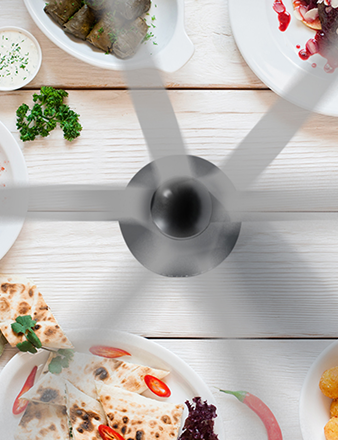
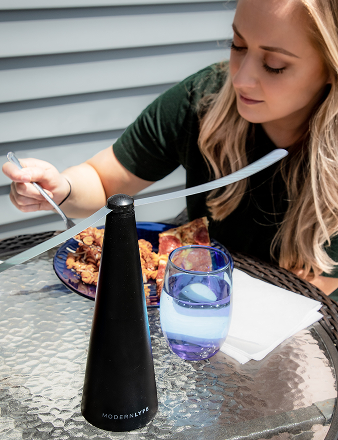
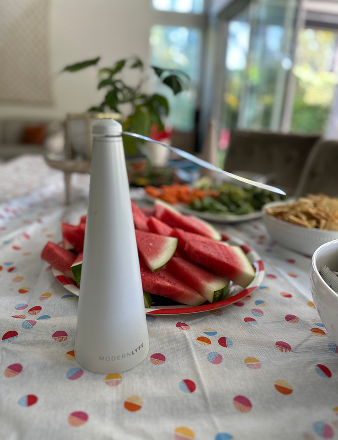
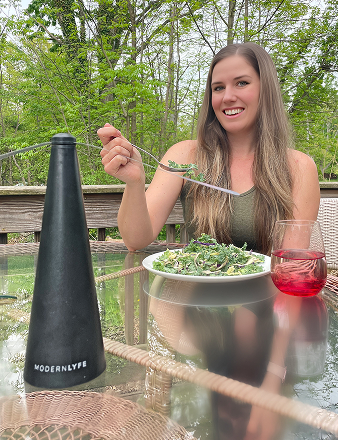
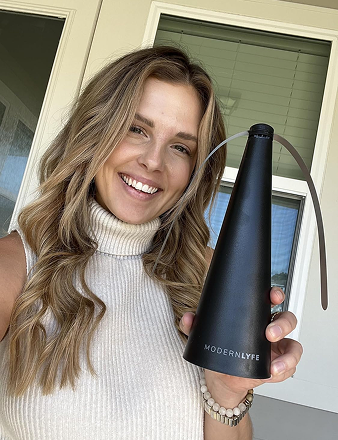
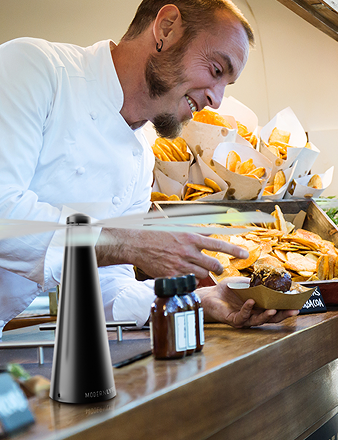
This is where food safety gets smart. Protecting your food doesn't mean hiding it under clunky nets. Modern, quiet fly fans are a more elegant solution. They create an invisible air barrier that insects can't fly through, guarding your food without ruining your presentation.
For the events industry, this is non-negotiable. Imagine a resort preparing 10,000 cc (that’s about 2,028 tsp) of various dressings for a 500-person banquet. Using a solution like Modern Lyfe's fly fans ensures every drop remains pristine. It’s a small touch that can boost guest satisfaction by as much as 30%. With outdoor caterers facing a potential 18% revenue loss from pest problems, it just makes sense. These fans can protect everything from a huge salad bowl to a tiny 24.64 cc (5 tsp) dish of garnish. If you're double-checking your numbers, this teaspoon to cubic centimeter calculator is a great resource.
Protecting your measured ingredients reflects your commitment to quality. An elegant solution signals that guest safety and enjoyment are your highest priorities.
This simple step ensures every perfectly measured teaspoon of seasoning helps create a safe, delicious, and unforgettable event. To see more ways to keep your setup safe from pests, check out our guide on fly covers for food.
Common Questions About Teaspoon to CC Conversions
Let's clear up the most common questions about these conversions so you can cook with complete confidence.
Is a CC the Same as a Milliliter (ML)?
Yes. In cooking, they are exactly the same. One cubic centimeter (1 cc) equals one milliliter (1 ml).
The terms are interchangeable. If a recipe calls for 10 ml of vanilla, you can use a measuring device marked for 10 cc and know it's the perfect amount. It's a simple 1:1 relationship.
Should I Use a Measuring Spoon or a Silverware Teaspoon?
Always use a proper measuring spoon. The teaspoon from your cutlery drawer is not a standardized tool. Its size can vary wildly, from 2.5 cc to 6 cc.
Using a random silverware spoon is a gamble, especially in baking. A calibrated US measuring spoon is designed to hold a consistent volume of about 4.93 cc.
That inconsistency is how you get different results from the same recipe. Stick to the tools made for the job. You can even find helpful tips for other common baking conversions, like figuring out how much space 1 lb of powdered sugar takes up.
How Do I Measure CC Without a Marked Container?
No problem. Your standard set of US measuring spoons will work perfectly. Since we know that 1 US teaspoon rounds neatly to 5 cc, you can handle any metric volume with ease.
For instance, if a recipe calls for 15 cc of soy sauce, you just need 3 level US teaspoons. It’s a straightforward trick for tackling metric recipes with the tools you already have.
Why Does This Conversion Matter for Outdoor Events?
For outdoor catering, this conversion is about consistency and safety. Accurate measurements mean every serving tastes great, giving every guest the same fantastic experience.
But just as important, all those delicious sauces and dressings you’ve so carefully measured are a magnet for pests. Protecting your food from contamination is non-negotiable. It keeps guests safe and ensures your hard work and quality ingredients don't go to waste.
At MODERN LYFE, we believe beautiful presentation and food safety go hand-in-hand. Keep your perfectly portioned creations pristine with our elegant fly fans. Find the perfect solution for your next event at https://modernlyfe.com.