A tight walkway tells you very quickly whether a furniture choice works. In a restaurant entry, guests hesitate. In a hotel foyer, luggage clips the corners. At a catered event, one extra-deep table turns a clean service lane into a bottleneck. That’s where the 10 inch deep console table stops being decor and starts acting like equipment.
I use pieces like this when the space has to do two jobs at once. It still needs to look finished, but it also has to protect circulation, support service, and stay visually light. A narrow console can hold keys and florals in a home, but in hospitality it can also become a host station, a beverage rail, a dessert drop, or a slim hygiene support surface near food.
The Power of Ten Inches What Makes This Table Different
A few extra inches on paper can cost real money on the floor. In a restaurant entry, they slow the host line. In a hotel corridor, they force guests with luggage to pivot around corners. At an event, they shrink the working aisle your staff needs for tray service, resets, and cleanup.
That is why 10 inches matters.
According to Pop Maison’s console table dimension guide, a table at 10 inches deep sits in the very shallow range and helps preserve the 30 to 36 inches of clearance that keeps a passage comfortable. In practice, that means you still get a usable surface without letting furniture take over circulation.
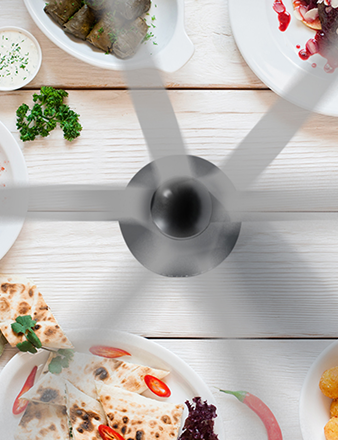
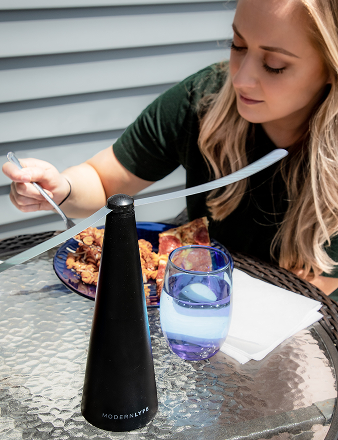
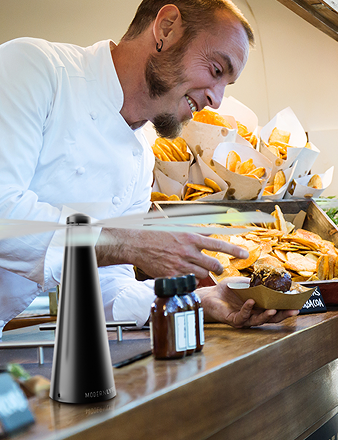
The surface is small by design. It handles a focused job well. I use this depth for host materials, votives, check presenters, compact floral work, sanitation supplies, or a discreet support point near buffet and beverage service. In food-facing settings, it also gives operators a narrow platform for hygiene tools such as Modern Lyfe fly fans, which help protect plated items without dedicating the footprint of a full service station.
A deeper console gives you more room to style. It also asks for more forgiveness from the room, and many commercial spaces do not have that margin. Ten inches works best where every inch has to contribute to service, appearance, or guest flow.
That makes it useful in several high-pressure situations:
- Entry pinch points: add a check-in or greeting surface without crowding arrivals
- Dining room edges: support candles, menus, or reservation tools along the wall
- Event perimeters: create a slim landing zone for smallwares, signage, or guest items
- Food service support: hold compact hygiene equipment, including Modern Lyfe fly fans, near exposed food where space is tight
- Residential halls: create a drop zone that still leaves the walkway comfortable
The trade-off is straightforward. A 10 inch deep console table is not built for oversized lamps, large storage baskets, or layered styling that projects into the room. It is built for discipline. If the goal is clean circulation, a finished look, and one dependable surface exactly where operations need it, this size earns its keep.
If you are comparing proportions before buying, this roundup of the perfect console entry table shows how narrow profiles read in actual entry settings.
Choosing the Right Material and Style for Your Needs
Material determines whether a console feels crisp after months of use or starts looking tired after a season. In hospitality settings, that difference shows up fast. In homes, it shows up more subtly through scuffs, fingerprints, wobble, and surface wear.
A good buying decision starts with use, not style. Ask what the table needs to survive first. Then choose the finish that suits the room.

Material choices that hold up
Solid wood brings warmth and presence. It works well in hotel foyers, residential entryways, and lounge settings where the table needs to feel established rather than purely utilitarian. The trade-off is maintenance. Wood can show wear from moisture, rings, and impact if the finish isn’t resilient.
Powder-coated metal is often the safer commercial pick. It fits modern dining rooms, event staging, and service zones where carts, trays, and quick resets are part of the workflow. It reads lean, handles frequent wiping well, and usually complements other hard-working finishes already in the room.
Glass looks light, but it’s rarely my first choice for a tight operational zone. It shows fingerprints, calls attention to dust, and can feel too delicate where people are moving quickly. It works better in low-touch decorative settings than in active service environments.
Engineered wood and laminate can make sense when budget matters or when the table is more temporary in role. The good options clean easily and can look polished from a distance. The weak ones reveal themselves at the edges, corners, and leg connections.
Material Comparison for 10-Inch Console Tables
| Material | Durability | Best For | Maintenance |
|---|---|---|---|
| Solid wood | High when well built | Hotel foyers, residential entryways, styled lounge areas | Wipe gently, protect from standing moisture |
| Powder-coated metal | High in active use | Catering lines, restaurants, event setups | Easy wipe-down, watch for scratches |
| Glass | Moderate in low-impact use | Decorative interiors, light-use foyers | Frequent cleaning for prints and smudges |
| Laminate or engineered wood | Varies by build quality | Budget-conscious homes, light-duty staging | Easy cleaning, inspect edges and seams |
Style should support the room’s job
Style still matters. It tells guests what kind of experience they’re walking into.
- Modern: Best when you want clean lines, visual restraint, and easy pairing with hard surfaces.
- Industrial: A strong fit for restaurants, breweries, market concepts, and loft-style interiors.
- Rustic: Better for inns, farmhouse venues, and homes that need warmth over sharpness.
- Transitional: Useful when the room already mixes classic and contemporary pieces.
A console table shouldn’t fight the architecture. It should make the surrounding room read more intentionally.
What works for different users
For caterers, I’d lean toward metal or wood-and-metal mixes. They’re usually easier to move through repeated setups and less precious under pressure.
For a boutique hotel or refined residential entry, reclaimed wood or a wood-look surface can soften the space and make a narrow table feel less severe. For compact apartments, open-frame modern silhouettes help the room breathe.
A final note on drawers. They’re helpful when you need to hide the ugly stuff: check presenters, chargers, pens, tea lights, spare napkins, dog leashes, mail. But in a narrow zone, bulky drawer boxes can make the table feel heavier than an open frame. If the room already feels compressed, visual lightness often beats hidden storage.
Smart Placement in Commercial and Event Spaces
The dinner rush starts in 20 minutes. The host needs a check-in point, takeaway bags are stacking up, and the entry path is too tight for a full desk. A 10 inch deep console table solves that kind of problem because it gives staff a working surface without taking back the square footage you need for circulation.

Residential retailers such as Lulu and Georgia’s collection page still present this category mainly as decor, but in hospitality I use narrow consoles as service infrastructure. Operators ask for furniture that fits tighter footprints, handles repeated resets, and still looks intentional in guest-facing areas. That demand lines up with what firms covering compact planning, including Slone Brothers' small space expertise, have been pointing out for years. Every inch has to earn its keep.
Restaurant placements that improve flow
The best commercial placements are specific.
At the front door, a slim console can function as a light host station. It holds a reservation tablet, a check presenter, pens, a candle, and a small tray for walk-in materials. That keeps the arrival point organized without putting a bulky podium in the middle of the room.
I also like them as secondary service surfaces near private dining rooms, patio doors, or bar-adjacent walls. Staff get a landing zone for water service, folded napkins, polished glassware, dessert plates, or coffee accompaniments. Guests keep the aisle.
The trade-off is storage. A 10-inch depth works best for active service items, not backup inventory. If the team needs to stash menus, charger cords, extra rollups, and POS hardware underneath, use a credenza elsewhere and let the console handle only the visible, fast-access layer.
Event and buffet uses with better ROI
Events get even more value from this footprint because problem spots show up fast during load-in. There is always one wall, tent leg, or transition area that needs function but cannot accept a 30-inch-deep table.
A narrow console is a strong fit for:
- Welcome pours: flutes, a small sign, and one restrained floral piece
- Dessert support: plates, napkins, garnish tools, or boxed favors
- Coffee overflow: cups, lids, sweeteners, stirrers, and waste control
- Buffet support: extra plates, serving tools, dietary labels, or sanitation items
For a cleaner service line, this guide on how to set up buffet tables is useful for planning guest reach, pacing, and where support furniture should sit relative to the main food display.
Good event furniture should disappear into the operation. Guests notice that the line moves well, not the table making it happen.
Pairing narrow consoles with hygiene tools
Hospitality use pulls away from residential advice. Food service needs presentation and hygiene to work together.
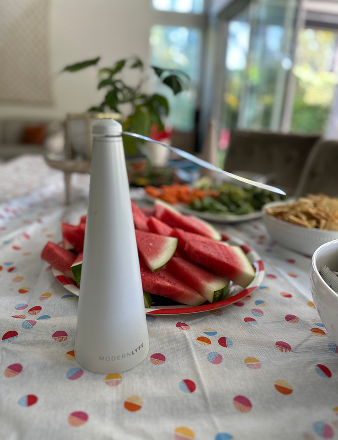
A slim console can carry support tools that would clutter the buffet itself. One example is a Modern Lyfe fly fan placed near pastries, fruit displays, dessert stations, or outdoor beverage service. The fan does not need a large footprint, but it does need a stable, dedicated surface where staff can position it correctly and guests are not reaching around it for food.
I use that setup on patios, terraces, garden receptions, food truck service points, and market-style brunch displays. The buffet stays cleaner visually. The hygiene tool stays active where it helps.
Mistakes that reduce its value
A narrow console is easy to misuse in busy rooms.
Avoid these common errors:
- Loading it like a storage table: keep the assignment tight and task-based
- Choosing decorative builds for heavy traffic: wobble shows up fast in service
- Blocking a queue path: guests should pass it, not bunch up in front of it
- Forgetting reset clearance: staff need room to wipe, restock, and pivot
Used well, a 10-inch console acts like a pressure-release point for the room. It supports service, protects floor flow, and adds polish without forcing a larger furniture footprint into a space that cannot afford it.
Maximizing Space and Style in Your Home
You get home with groceries in one hand, keys in the other, and a narrow wall by the door that never seems useful. A 10 inch deep console table solves that kind of everyday bottleneck without stealing floor space you need for movement.

At home, the value is the same as it is in hospitality. Assign the table a clear job, then keep it disciplined. A slim console works best where a full-depth table would create friction: entry walls, behind sofas, staircase landings, bedroom corners, and short transition walls near kitchens or patio doors.
The best places to use one at home
The entryway usually delivers the best return. It gives keys, mail, sunglasses, and a tray a fixed home, which cuts visual clutter and speeds up the daily reset. In smaller homes and apartments, that matters more than decorative impact.
Behind a sofa, a narrow console finishes the room and adds function without forcing the seating group farther into the walking path. I like this placement in open-plan spaces where circulation runs right behind the couch.
Hallways can work well too, but only if the surface stays spare. Go vertical with one mirror or piece of art, then keep the top useful and light.
For small-space planning in general, Slone Brothers' small space expertise is a practical reference because the right furniture mix matters as much as the dimensions of any one piece.
Styling that keeps the table useful
A 10-inch top has very little tolerance for filler. Decorative objects need to earn their footprint.
Use a simple layout:
- Start with one vertical anchor such as a mirror, framed art, or a narrow lamp.
- Add one functional piece like a tray, catchall bowl, or charging spot.
- Finish with one softer element such as a vase, branch, or compact plant.
- Keep open space visible so the table still reads as usable, not crowded.
If the table will handle cords, chargers, or a small lamp, plan cable management early. A clean pass-through using a desk grommet for tidy cord routing keeps the surface looking intentional instead of improvised.
Home entertaining and patio-adjacent use
A narrow console also earns its keep during home entertaining. Near a patio door, it can serve as a staging point for napkins, drink garnishes, serving tools, or extra glassware. That placement reduces traffic into the kitchen because guests have a support station before they reach the main food or beverage area.
The same setup works well for backyard dinners and barbecues if the table stays on a flat surface and the load stays light. Shallow tables are less forgiving on uneven pavers, soft decking, or sloped concrete. Stability matters more than styling outside.
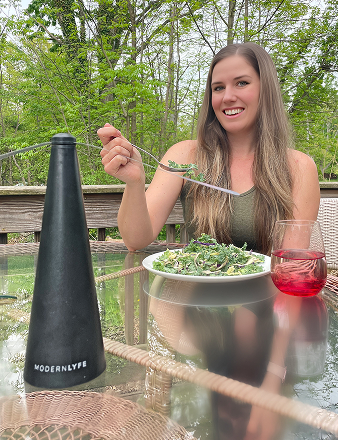
I also like this spot for practical hosting tools that residential articles usually ignore. A compact hygiene station near the door or buffet support area can hold wipes, towels, and bug-control tools such as a Modern Lyfe fly fan, especially when food is moving between indoor prep and outdoor service. That gives the accessory a defined place without cluttering the dining table.
Outdoor setup rules that matter
- Keep all four feet level before placing anything on top.
- Avoid top-heavy decor that can shift with wind or casual bumps.
- Use the table for support items like condiments, napkins, utensils, or bug-control accessories, not heavy cookware or stacked platters.
- Protect wood and veneer finishes from direct weather exposure whenever possible.
A 10 inch deep console table works best at home when it solves a real routine problem. Done well, it makes a tight space easier to live with and easier to host from.
Installation Safety and Functional Accessorizing
The problems show up after opening night, not during assembly. A 10 inch deep console table looks light-duty, so teams treat it like decor. Then service starts, guests set down bags, a server clips the corner with a tray, and every small stability issue becomes a real operating issue.

In restaurants, event venues, and busy homes, the goal is simple. The table should disappear into the workflow. If it shifts, rattles, or rocks, staff stop trusting it. Guests notice too, especially when the surface is holding check presenters, sanitizer, candles, or food-adjacent tools.
Why installation quality affects daily use
A shallow table can carry a useful load, but stability decides whether that load is practical. I care less about advertised capacity and more about how the table behaves under normal abuse. Side pressure matters. Uneven floors matter. So does hardware that loosens after transport or repeated repositioning.
Wall anchoring is often the right call when the design permits it, particularly for tall or narrow models placed in corridors, near host stands, or along buffet approaches. In commercial settings, a slim profile is an advantage only if the table stays planted when people brush past it.
Use this checklist before putting the table into service:
- Set it on a level surface: A slight wobble gets worse once accessories are added.
- Tighten all bolts and connectors fully: Most movement starts at the joints, not the top.
- Anchor it to the wall if traffic is heavy: This matters in dining rooms, event perimeters, and family circulation zones.
- Test it under real conditions: Place the actual tray, lamp, fan, printed materials, or service items on top and check for movement.
A narrow console should feel uneventful every day.
Accessorizing that supports service
On a 10 inch surface, every item has to earn space. That is even more true in hospitality, where the table often supports service recovery, sanitation, or presentation.
Compact lamps, valet trays, napkin stacks, check presenters, reservation cards, low bowls, and small signage all work when they leave a clear working zone. Overdecorating does the opposite. It reduces usable surface area and increases the chance that something gets knocked off during service.
This is also where a residential mindset usually misses the mark. In commercial and event setups, the best accessories are often operational. A fly fan near pastries, garnishes, or outdoor buffet support can do more for guest experience than another decorative object. Modern Lyfe lists specs and use details for its fly fan products on its product pages, and those details are the right place to verify footprint, power method, and operating characteristics before assigning one to a narrow console.
If the table includes lighting, charging, or a sanitation device, cable control needs to be planned early. Visible cords make a slim installation look temporary and create snag points in tight walkways. A clean cord pass-through using the right 1 inch grommet size for narrow furniture cable management keeps the top usable and the front view clean.
Maintenance that protects the investment
Slim furniture fails slowly. Hardware loosens, tops get overloaded, and staff start using the table for whatever does not fit elsewhere.
Prevent that drift with a simple routine. Wipe spills quickly. Recheck fasteners after moves. Reset the accessory layout after each event cycle so the surface does not turn into storage. For buyers comparing longer-term durability, studying heirloom-quality living room furniture is useful because better joinery, stronger materials, and cleaner proportions usually hold up better in repeated use.
The Modern Multipurpose Console Solution
A 10 inch deep console table succeeds because it solves a modern problem cleanly. Spaces are tighter, guest expectations are higher, and furniture can’t just sit there looking good. It has to support movement, presentation, and daily use without creating friction.
That’s why this piece works across both hospitality and residential settings. In a restaurant or event venue, it can sharpen service flow, create a focused support station, and make food-adjacent areas feel more organized. At home, it can give purpose to a narrow wall, finish an entry, or support outdoor entertaining without swallowing the room.
If you’re comparing designs with a longer lifespan in mind, it helps to study heirloom-quality living room furniture and see how stronger materials and better proportions affect the way a console ages in use.
A key value is flexibility. A narrow console can act as a host surface, a hallway anchor, a buffet support piece, or a patio transition station. Pair that kind of furniture thinking with better layout choices and practical entertaining ideas like these outdoor buffet table ideas, and the result is a space that feels sharper, calmer, and easier to run.
If you want to make buffet lines, patios, restaurant service stations, and home gatherings feel more polished and protected, MODERN LYFE offers a smart next step. Their quiet, battery-operated fly fans help keep food areas more comfortable and hygienic without adding visual clutter, which makes them a natural fit for the kind of efficient setups a 10 inch deep console table supports so well.