Walk into any professional kitchen, and you'll see them stacked high. The 10-inch plate is the undisputed workhorse of the modern restaurant and catering world. It's not just ceramic; it's a strategic tool that balances guest satisfaction with a healthy bottom line.
The Power of the 10-Inch Plate

Think of a plate as the canvas for your food. A 10-inch plate gives your culinary creations room to breathe without getting lost. It’s big enough to look substantial but small enough to keep portions in check—the perfect balance for a profitable operation.
The trend of massive, oversized plates is fading, and for good reason. With rising food costs and sustainability concerns, a giant 12-inch plate no longer makes sense. It tempts chefs to fill the space, often leading to 30% more food than necessary being served. That’s a direct hit to your profit margin. The 10-inch plate is simply the smarter play.
Master Perception and Profitability
This is where plate psychology comes in. A well-arranged meal on a 10-inch plate looks full, generous, and intentional. That same portion on a sprawling 12-inch plate can look skimpy, making guests feel like they didn't get their money's worth.
By choosing the right size plate, you’re not just serving food—you’re managing guest perception of value while protecting your budget. It’s a low-effort way to keep diners happy and costs down.
It’s about creating an impression of abundance through smart plating, not just piling on more food. This is why the 10-inch plate is the gold standard for anyone serious about food service.
Why This Size Works for Professionals
For busy restaurant owners, caterers, and event planners, consistency and efficiency are everything. The 10-inch plate standardizes a key part of your operation, making life easier in the kitchen and on the floor.
Here’s why it’s so effective:
- Better Portion Control: It’s a physical guide for your staff. A 10-inch plate helps cooks plate consistently every time, making your food costs predictable and manageable.
- Reduced Food Waste: By creating a natural boundary for portions, these plates are your first line of defense against waste. In a buffet setting, this alone can save a small fortune.
- Enhanced Guest Experience: A well-presented plate looks more appetizing and feels more valuable. Guests leave satisfied without you having to serve excessively large—and expensive—portions.
Why Plate Size is Your Secret Weapon for Profit and Presentation
Anyone who's run a kitchen or planned an event knows plate size is about more than just looks. It’s a strategic choice that impacts your food costs, guest experience, and how much food ends up in the bin.
Think of your plate as the canvas for your culinary art. The size of that canvas dictates how your masterpiece is viewed. The 10-inch plate has been the industry workhorse for decades, and for good reason. It hits the perfect balance of form and function. Let's see how it stacks up against other common sizes.
Finding the Sweet Spot: A Quick Guide to Plate Sizes
In professional foodservice, an inch or two makes a world of difference. Here’s a quick breakdown of where the 10-inch plate fits in and why it so often wins out for main courses.
- 9-Inch Plates: These are your go-to for smaller meals, like lunch specials, upscale appetizers, or a beautifully presented dessert. If you try to cram a full dinner onto a 9-inch plate, the food looks crowded and messy, which can make an expensive dish feel cheap.
- 10-Inch Plates: This is the undisputed gold standard for a dinner plate. It offers enough real estate for a main protein, a starch, and a vegetable without looking sparse or overstuffed. That bit of "negative space" around the food makes a dish look composed and professional, signaling quality to the diner.
- 12-Inch Plates (and up): These are typically service plates or chargers—the decorative base under the main plate. When kitchens use them to serve food directly, they create "portion distortion." That giant plate begs the chef to fill it up, sending food costs soaring and creating a mountain of waste.
Getting this right is fundamental. Using the wrong size can chip away at your profits and undermine the hard work you put into your menu. For most entrées, the 10-inch plate is the safest, most effective bet.
The ‘Plate Creep’ Problem
The challenge with oversized plates is a recent phenomenon. Back in the 1950s, a standard dinner plate was only about 9 or 10 inches wide—a perfect fit for the portion sizes of the era.
Today, many restaurants use massive 11- and 12-inch plates. That's a 30% increase in surface area, which unconsciously pressures chefs to serve 25-30% more food just to make the plate look full. For any business trying to control costs, switching back to a classic 10-inch plate can be a game-changer. You can read more about this trend from the insights on plate size evolution at CarolineRowe.com.
Here’s a statistic every operator should know: Studies show people tend to eat 92% of the food they serve themselves. By downsizing from a 12-inch to a 10-inch plate, you can cut food waste by nearly 29%. That single decision drops straight to your bottom line.
When 10-Inch Plates Are the Perfect Call
Knowing when to use a 10-inch plate separates the pros. Its versatility makes it an indispensable tool in a few key scenarios.
1. The Classic Dinner Plate This is its primary job. For any plated meal—a restaurant entrée, a wedding main course, a corporate dinner—the 10-inch plate is the hero. It frames the food perfectly, helps your kitchen keep portions consistent, and has a satisfying, substantial feel for the guest.
2. The Smart Buffet Plate Here’s a brilliant trick for cutting waste. People in a buffet line almost always fill their plate. Give them a 12-inch plate, and they'll pile it high. Offer a 10-inch plate, and you subtly guide them toward a more reasonable amount, which means less food gets scraped into the trash. For more ideas on running an efficient buffet, check out our guide on how to properly set up buffet tables.
3. The Upscale Service Plate While a 12-inch plate is the traditional charger, a sharp 10-inch plate can work beautifully as a service plate for bread or an opening appetizer. This approach also helps streamline your inventory, creating a clean, cohesive look when the main course arrives on a matching plate.
Choosing The Right Material For Your Business
The plates you choose are a critical operational decision, not just an aesthetic one. The right material can cut breakage, keep food hot, and make your team’s job easier. The wrong one can mean a constant cycle of chipped plates, unhappy staff, and a slow bleed on your budget.
Think of your plate material as part of your brand's voice. The earthy feel of stoneware tells a different story than the refined presence of bone china. Let's break down the most common materials to match the plate to your operational reality.
Porcelain: The All-Around Performer
There's a reason porcelain is the workhorse of the hospitality industry. It's made from fine clay fired at high temperatures until it becomes vitrified—creating a dense, non-porous surface that is exceptionally durable. In plain English, it’s tough against chipping, cracking, and staining.
For any busy restaurant, porcelain 10-inch plates are the go-to. They can handle the chaos of commercial dishwashers, constant handling, and the occasional drop. Plus, their classic bright white finish acts as a clean, neutral canvas that makes the colors of your food pop.
Bone China: The Symbol of Elegance
When the experience is about luxury and refinement, bone china is the only choice. It’s a specific type of porcelain blended with bone ash, which gives it a stunning, almost translucent quality and a warm, creamy-white glow. Don't let its delicate look fool you; bone china is surprisingly strong and often more chip-resistant than standard porcelain.
You’ll typically see bone china used for:
- High-End Weddings: It immediately elevates the table setting.
- Fine Dining Restaurants: It signals a premium experience.
- Exclusive Corporate Events: The refined look matches a high-end brand's image.
Of course, elegance comes at a cost. Bone china is the most expensive option, so it’s an investment best reserved for venues where a premium feel is non-negotiable.
Choosing the right size is just as critical as the material. As plate sizes have crept up, so has food waste—a major operational cost.

This visual shows the stark reality: the jump from 9-inch plates in the 1950s to 12-inch plates today corresponds with a 3x increase in food waste. It’s a powerful argument for the balanced, cost-effective 10-inch size.
Stoneware: Rustic Charm With Solid Performance
Stoneware provides the rustic, artisanal vibe that’s a signature for farm-to-table spots and cozy cafes. It's noticeably thicker and heavier than porcelain, with an earthy, often speckled finish that gives it character. That heft isn't just for show—it also provides excellent heat retention, keeping hot dishes warmer for longer.
A good stoneware garlic grate plate is a great example of the material's blend of aesthetic and function, embodying a handcrafted feel. When you choose stoneware for your dinnerware, you're buying into that same authentic quality for every dish you serve.
Melamine: The Durable and Lightweight Solution
When durability is the top priority, nothing beats melamine. This high-quality, nitrogen-based plastic is virtually unbreakable, making it the perfect problem-solver for high-volume, high-risk environments. Its lightweight design is also a huge bonus for your staff, reducing fatigue during a long, busy service.
Melamine is the clear winner for:
- Poolside Cafes and Outdoor Patios: Eliminates the risk of shattered ceramic or glass.
- Busy Buffets: Easy for guests to carry and forgiving if dropped.
- Healthcare and Institutional Settings: Safety and durability are paramount.
Forget the cheap-looking melamine of the past. Modern versions come in a range of sophisticated colors, patterns, and textures that can convincingly mimic real stoneware or porcelain.
Eco-Friendly Disposables: The Sustainable Choice
For events, food trucks, and quick-service concepts, compostable plates are a smart and responsible choice. Made from materials like sugarcane fiber (bagasse), bamboo, or palm leaf, these 10-inch plates are a sturdy alternative to flimsy paper or wasteful plastic. You get the convenience of a disposable without the environmental baggage.
Choosing these options also taps into a growing consumer demand for sustainability. It can be a powerful part of your brand story, showing customers you're conscious of your environmental footprint. They are more than capable of handling hot, heavy, and even greasy foods, making them a reliable performer for almost any menu.
To help you decide, here's a quick-glance comparison. Think about where your business falls in terms of style, traffic, and budget as you review the options.
10-Inch Plate Material Comparison for Professional Use
| Material | Best For | Durability | Average Cost Per Plate | Key Feature |
|---|---|---|---|---|
| Porcelain | High-volume restaurants, hotels, everyday dining | High (vitrified) | $8 - $20 | Versatile, non-porous, classic bright white look |
| Bone China | Fine dining, luxury events, weddings | Very High | $25 - $75+ | Lightweight, translucent, elegant appearance |
| Stoneware | Farm-to-table, cafes, rustic concepts | Medium-High | $10 - $30 | Excellent heat retention, artisanal, earthy feel |
| Melamine | Outdoor dining, buffets, high-risk areas | Extremely High | $5 - $15 | Unbreakable, lightweight, wide design variety |
| Compostable | Events, food trucks, quick-service | Low (single-use) | $0.30 - $1.00 | Sustainable, convenient, grease-resistant |
Ultimately, the best material fits your brand, budget, and operational workflow. Use this table as a starting point to narrow down the choices that will serve your business best long-term.
Mastering Plating and Portion Control

Ask any chef, and they’ll tell you that plating is where art meets accounting. It’s not just about making a dish look good; it’s a direct line to your profitability. The 10-inch plate is the perfect canvas for this, giving you a stage to control portions, manage costs, and create a high-value experience for every guest.
With a few simple visual tricks, you can make a perfectly portioned meal look both generous and intentional. A 10-inch plate gives you just enough room to be creative without the pressure to add more food just to fill empty space. That's a common trap with bigger plates, and it's one that can quietly wreck your food cost projections.
The Psychology of the Plate
How a dish is presented directly shapes how a guest perceives its value. A thoughtfully composed meal on a 10-inch plate feels complete and satisfying. Put that same portion on a massive 12-inch plate, and it can suddenly look sparse, leaving the diner feeling short-changed.
This isn't just theory; it has real financial implications. Over the centuries, plate sizes have ballooned. The typical dinner plate has grown by an estimated 65% since 1000 AD. Vintage plates were often around 8.5 inches, but today’s standard can be a sprawling 12 inches—nearly doubling the surface area. According to information from Wikipedia's page on plate evolution), switching from 12-inch plates back down to 10-inch ones can reduce serving sizes by 25-30% without a single guest complaint.
When you choose a 10-inch plate, you’re not just serving food; you’re framing its value. You guide the eye, create an impression of abundance, and protect your bottom line—all at once.
Proven Plating Techniques for 10-Inch Plates
Your goal is to strike a balance between an "empty plate" look and an "overcrowded" mess. The 10-inch surface is your sweet spot. Here are three professional techniques to make your dishes stand out.
1. Use Negative Space Intentionally Think of the empty space on the plate as part of the design. On a 10-inch plate, a clean one to two-inch rim frames your food, making it the star of the show. This simple trick draws the eye inward and makes the portion feel more special and curated.
- Rule of Thirds: Imagine a tic-tac-toe grid on your plate. Instead of piling everything in the center, place the main components at the intersections of these lines. This classic trick creates a more dynamic and visually appealing plate.
- Go Off-Center: Arrange elements slightly off-center to create a sense of movement and flow.
2. Create Height and Texture A flat dish is a boring dish. Building height adds dimension and makes the meal look more substantial. The contained surface of a 10-inch plate helps you build vertically without the dish looking unstable.
- Build a Foundation: Start with a base, like a swirl of mashed potatoes or a bed of grains, and stack your other components on top.
- Lean and Layer: Lean your protein against a starch, or layer thinly sliced vegetables to create interesting textures and shapes.
For prepping smaller, delicate sauces or garnishes, check out our guide on how 1 oz cups with lids can streamline your kitchen workflow.
3. Play with Color and Contrast Vibrant, contrasting colors signal freshness and flavor to the brain. Use the plate as a canvas to combine colors that make the food pop.
- Use the Color Wheel: Think about opposites. A sprinkle of bright green herbs on a rich red tomato sauce, or vibrant yellow corn next to deep purple cabbage, immediately makes a dish more exciting.
- Garnish with Purpose: A final dusting of paprika, a few drops of a dark balsamic glaze, or a sprig of fresh parsley adds that professional touch of color that brings the entire dish to life.
By applying these powerful strategies, every 10-inch plate that leaves your kitchen can become a beautiful—and profitable—statement.
Solving Your Operational and Storage Challenges
A plate’s job doesn’t end when the food is served. Some of its most important work happens behind the scenes. This is where the logistics of storage, handling, and cleaning come into play—and where choosing a 10 inch plate can have a huge effect on your bottom line.
The small difference between a 10-inch and 12-inch plate might seem minor, but multiplied by hundreds of plates over hundreds of services, the impact on your space, staff, and budget becomes massive.
Optimize Storage and Shelf Space
In any professional kitchen, space is gold. Every inch of your storeroom and dish pit is prime real estate, which is why the compact size of a 10 inch plate is a game-changer. It’s simple geometry.
A standard dish rack or shelving unit can hold significantly more 10 inch plates than 12-inch versions. A stack of one hundred 10-inch plates takes up roughly 30% less horizontal shelf space than a stack of one hundred 12-inch plates.
That saved space isn't just a minor win; it can be the difference between a cramped, chaotic back-of-house and a smooth-running operation. It frees up room for other critical gear, reduces clutter, and makes everyone’s job easier. If you're mapping out your kitchen needs, our catering equipment checklist is a fantastic tool for a complete inventory picture.
Boost Staff Efficiency and Safety
Working in hospitality is physically demanding. Your servers and kitchen staff are on their feet for hours, and the weight of the plates they carry adds up fast.
Here’s how a 10 inch plate helps your team:
- Lighter Loads: A porcelain 10 inch plate is lighter than its 12-inch cousin. This small change reduces physical fatigue and helps prevent strain that can lead to injuries and burnout.
- More Per Tray: Because they’re lighter and smaller, servers can often fit more plates on a single tray safely. That means fewer trips between the kitchen and the dining room, leading to faster table turns and more attentive service.
- Easier to Handle: The smaller diameter is easier for anyone to manage—from a server weaving through a packed dining room to a dishwasher loading stacks into a machine. This improved handling often results in fewer accidental drops and less breakage.
These aren't just minor conveniences; they contribute to a more efficient, productive, and safer environment for the people who make your business run.
Plate Covers and Service Compatibility
Here’s another practical point that’s easy to overlook: plate covers. If you offer room service, banquet catering, or have a large venue where food travels far from the kitchen, plate covers are essential for keeping meals hot.
Most standard-issue plate covers are designed to fit perfectly over 10 inch plates. If you opt for oversized 12-inch plates, you’ll need to find larger, more expensive, and bulkier covers. Those bigger covers then eat up even more precious storage space. Sticking with the industry-standard 10-inch size just makes everything work together more smoothly.
The Long-Term View on Sustainability and Cost
Finally, let’s connect operational efficiency to sustainability. Disposable plates were once seen as a necessary evil for certain events—convenient, but terrible for the planet. That's changing.
Today, high-quality, sturdy 10-inch compostable plates made from bamboo or sugarcane are a fantastic option for caterers and quick-service spots. They deliver the performance you need while showing customers you care about your environmental footprint.
For most sit-down restaurants, however, true sustainability comes from durability. Investing in quality reusable dinnerware like porcelain or bone china drastically cuts long-term waste. While the initial investment is higher, their longevity makes them far more cost-effective over time. And when you pair that with the reduced food waste from controlled portions on a 10 inch plate, you create a powerful win-win for both your budget and the environment.
Answering Your Top Questions About 10-Inch Plates
When you're placing a big dinnerware order, every detail counts. You need straight answers to real-world questions before you commit. We've pulled together the most common questions we hear from caterers, restaurant owners, and event planners to clear up any confusion about 10-inch plates.
Are 10-Inch Plates Big Enough for a Main Dinner Course?
Yes, without a doubt. The 10-inch plate is the workhorse of the professional kitchen for a reason. It gives you plenty of real estate for a protein, a starch, and a vegetable without the plate looking cluttered or the portion seeming small.
In fact, many fine dining restaurants specifically choose this size to frame their food beautifully. It allows for elegant, focused plating where the food is the star.
The real trap is "portion distortion" from oversized plates. Hand a chef a 12-inch plate, and they might subconsciously increase serving sizes by up to 30%. That's a direct hit to your food costs and creates waste. The 10-inch plate is the sweet spot, giving your guests a full, satisfying meal while keeping your bottom line in check.
What Is the True Cost Difference Between 10- and 12-Inch Plates?
Looking at the sticker price, a 10-inch plate might be slightly cheaper than its 12-inch counterpart. But the purchase price is just the beginning. The real savings are baked into your daily operations.
The biggest win comes from portion control. By naturally guiding chefs and guests to reasonable serving sizes, 10-inch plates consistently lower your food costs. This ongoing saving quickly eclipses any small difference in upfront price.
And the savings don't stop with food. You'll notice other benefits across your business.
- Lighter Loads for Staff: Less weight means less strain on your servers and dish crew.
- More Efficient Storage: You can simply fit more 10-inch plates on a shelf or in a dish rack, saving precious back-of-house space.
- Lower Utility Bills: Smaller plates can mean using less water and energy in your commercial dishwasher, which adds up over thousands of cycles.
When you look at the total cost over the life of the dinnerware, the 10-inch plate is almost always the more economical choice.
Should I Use 10-Inch Plates for a Buffet?
Absolutely. Using 10-inch plates for a buffet is one of the smartest moves you can make to control costs. It’s human nature: people tend to fill the plate they’re given. Hand them a huge 12-inch plate, and you're inviting them to take far more food than they'll eat.
By offering a 10-inch plate, you subtly encourage more sensible portions on the first pass. It’s an incredibly simple but effective way to slash food waste—a massive and unpredictable expense for any buffet. For a large event, that one decision can save thousands of dollars and keep your buffet line looking full and fresh for longer.
What Is the Difference Between a 10-Inch and a 10.5-Inch Plate?
That half-inch difference seems tiny, but it can make a real difference in how your food is presented and perceived.
The classic 10-inch plate is what many consider the true "dinner plate." It’s perfect for tight, elegant plating where you use negative space to frame the dish. If your plating style is more minimalist or has a lot of height, this is your size.
The 10.5-inch plate gives you just a little more breathing room. It can make a meal feel more generous without wandering into the oversized territory of an 11- or 12-inch plate. That extra half-inch is especially handy for dishes with lots of sauce or multiple components that need their own space.
How Is the Diameter of a Plate Actually Measured?
This is a great question and a source of confusion because there isn't one single industry standard. The "10 inches" on a spec sheet can be measured a few different ways, so it's smart to know what to look for.
- Outer Edge to Outer Edge: This is the most common method. The measurement is taken from the very outside of the rim on one side to the outside of the rim on the other.
- Inner Edge to Inner Edge: This measures the actual usable surface area inside the rim. A plate sold as 10 inches might only have a 9-inch "well" for food.
- Bottom Diameter: This is the diameter of the foot of the plate—the part that sits on the table. It's less common but can be important for plate stackers or racks.
When ordering a large quantity of 10-inch plates, always ask the supplier how they measure. If you're trying to match an existing set, just measure the inner and outer diameters of one of your current plates before you order. It will save you a lot of headaches later.
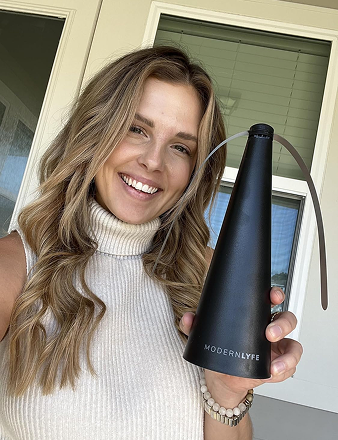
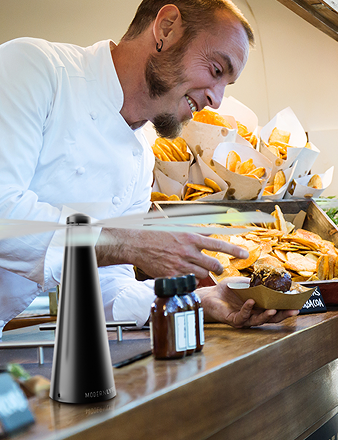
At MODERN LYFE, we believe a great dining experience is about more than just the food—it’s about creating a comfortable and enjoyable atmosphere. Explore our collection of elegant fly fans to keep your dining areas pest-free and your presentation pristine. Discover the perfect solution for your restaurant, event, or home at modernlyfe.com.