10 mil tape means the tape is 10 thousandths of an inch thick, and that extra thickness is why pros reach for it when they need more durability, better abrasion resistance, and a tougher hold than light household tape. In hospitality work, that usually makes it the right call for cable control, quick repairs, weather exposure, and rough setup conditions.
If you're loading in for a wedding, opening a patio service line, or fixing an outdoor buffet setup ten minutes before guests arrive, tape isn't a small detail. It's the difference between a clean floor and a trip hazard, between a patched tent wall and a visible failure, between a cord that stays protected and one that gets chewed up by foot traffic.
In this trade, 10 mil tape earns its keep because thickness directly affects how the tape behaves. A thicker tape usually resists tearing better, survives scuffs better, and handles awkward surfaces better. That's why venue managers, caterers, and production teams keep it in the truck, not just in the maintenance closet.
Most bad tape choices come from buying by habit instead of by job. People grab whatever roll is nearby, then wonder why it curls, splits, leaves residue, or fails when moisture shows up. The fix is simple. Know what 10 mil means, know what material you're holding, and match the tape to the surface and the stress.
Introduction What Is 10 Mil Tape
A windy patio opening tells you fast whether your tape is real-world ready. A floor runner starts lifting at the edge. A fly fan cord crosses a service path. A vinyl panel tears near the entry. You don't need a clever hack in that moment. You need a tape that can take pressure, bend around odd surfaces, and keep working through setup, service, and breakdown.
A mil is a unit of thickness equal to one-thousandth of an inch. So 10 mil tape is 0.010 inch thick. That sounds minor on paper, but on event day it changes everything about how the tape handles tension, scraping, moisture, and repeated contact.
For hospitality teams, "10 mil tape" isn't one single product. It's a thickness class that shows up in several tape types, especially PVC pipe wrap tape and heavy cloth-backed options. The material and adhesive still matter, but thickness is the first filter because it tells you whether the tape belongs in light-duty drawer work or on an active event floor.
Where it actually helps
The jobs that reward 10 mil tape are usually ugly, practical jobs:
- Cable management: Holding cords in place where staff and guests move fast
- Quick repairs: Patching vinyl, liners, protective wraps, and utility surfaces
- Weather exposure: Adding protection around temporary outdoor setups
- Abrasion zones: Covering surfaces that get bumped by cases, carts, or shoes
When a tape fails at an event, it rarely fails quietly. It peels at the corner first, then the whole setup starts looking unmanaged.
That matters because event operations live on appearances as much as function. A secure, neat tape line looks intentional. A wrinkled, lifting strip tells guests and clients that the crew is reacting instead of controlling the room.
What '10 Mil' Means for Tape Performance
Thickness works like paper stock. Thin paper folds easily but tears fast. Cardstock takes more abuse and keeps its shape better. Tape behaves the same way. When you move up to 10 mil tape, you're adding body, which usually improves tear resistance, scuff resistance, and general staying power.
That doesn't mean thicker is always better. It means 10 mil often hits the useful middle ground for hospitality work. It's tougher than the flimsy tape people use for labels or light packaging, but it still bends around corners, conduit, pipe, and uneven surfaces without fighting you.

What the extra thickness actually does
A typical 10 mil pipe wrap tape made of PVC film has a tensile strength of 20-25 lbs/in and an elongation at break of 200-250%, which is why it can conform to irregular pipe fittings without cracking or losing its seal, according to the PVC pipe wrap specification sheet.
That spec matters even if you never wrap a pipe in your life. In event terms, it tells you two useful things:
- It can take pull: The tape is less likely to snap when you're stretching it around a corner or over a rough edge.
- It can flex without failing: It conforms instead of splitting when the surface isn't flat.
Why hospitality teams care
On a banquet floor, tape doesn't live in ideal conditions. Staff drag equipment over it. Moisture shows up. Temporary setups go over imperfect surfaces. That means you need tape that balances strength and flexibility.
Use this rule of thumb:
| Job condition | What 10 mil tape usually does well |
|---|---|
| Uneven surfaces | Conforms better than stiff specialty tapes |
| Moderate abrasion | Holds up better than light-duty film tapes |
| Temporary protection | Adds durability without becoming too bulky |
| Outdoor utility work | Gives you more confidence when moisture and movement are involved |
If your operation already follows HACCP food safety basics for commercial food handling, this way of thinking should feel familiar. You don't choose tools by habit. You choose them by risk, surface, and failure consequence.
Practical rule: If the tape will be stepped on, rubbed against, bent around hardware, or exposed to weather, start by looking at 10 mil before you look at lighter options.
Tape Materials and Adhesives Explained
Thickness tells you how much body the tape has. It doesn't tell you how the tape will behave on a ballroom wall, a stainless prep surface, a tent pole, or a damp outdoor conduit. For that, you need to look at backing and adhesive.
Backing decides how the tape wears
For hospitality work, two broad families matter most.
PVC or vinyl-backed tape is the utility player. It's smooth, wraps well, and handles moisture better than many lightweight tapes. This is the type you usually want for electrical insulation, pipe wrapping, conduit protection, and jobs where the tape needs to mold around a shape.
Cloth-backed tape brings a different kind of strength. It tears differently, grips differently, and often feels more controllable by hand during a fast setup. Its roots go back to WWII, when Vesta Stoudt invented what became duct tape, a waterproof cloth-backed adhesive used to seal ammo boxes and later nicknamed "100-mile-per-hour tape" for its durability, as described in the Johnson & Johnson history of Vesta Stoudt and duct tape.
Adhesive decides how the tape starts and how it ends
Teams get burned when they focus on the roll's thickness and ignore the glue.
A rubber-based adhesive usually gives you a fast, aggressive initial grab. That's useful when the crew is moving and you need the tape to stick now, not after fussing with it. The trade-off is that some rubber-heavy tapes can become messy on delicate finishes or after heat exposure.
An acrylic-style adhesive is often the better choice when you care about cleaner aging, sunlight, or temperature swings. It may feel less aggressive at first touch, but it can be the smarter call for longer holds.
How to think about pairings
Don't ask, "What's the best 10 mil tape?" Ask, "What's the best 10 mil tape for this surface and this removal standard?"
- PVC plus rubber adhesive: Good for rough utility work and fast hold
- PVC plus longer-term adhesive system: Better when weather or time matters
- Cloth-backed tape: Better when hand-tear speed and surface control matter more than electrical or moisture performance
The wrong adhesive creates more cleanup labor than the original problem ever did.
A clean install isn't just about what sticks. It's also about what comes off at midnight without leaving the venue team a mess.
Essential Uses for 10 Mil Tape in Hospitality
The best event tape earns trust in the boring moments. It solves problems before clients notice them. That's why 10 mil tape keeps showing up in toolkits for banquet captains, caterers, and venue ops crews.

Cables and floor safety
This is the first use that matters. Outdoor buffet lights, sound runs, charging lines, and fly fan cords all create clutter fast. A flame-retardant 10 mil PVC tape can offer dielectric strength up to 11,000 volts, which makes it useful for insulating electrical conduits for outdoor lighting or sound systems where moisture and abrasion are common, according to the PRO-603 10 mil PVC pipe wrap product details.
That doesn't mean every cable should just be taped raw to a guest floor. For major traffic areas, proper cable ramps or covers still win. But for edge routing, secondary securing, weather protection, and keeping utility lines organized backstage, 10 mil tape is one of the most useful rolls you can carry.
Fast repairs during service
A lot of hospitality fixes don't need to be pretty forever. They need to hold until teardown.
I've seen 10 mil tape save:
- Vinyl sidewalls: Small tears that would otherwise keep spreading in wind
- Back-of-house utility bins: Temporary reinforcement until replacement arrives
- Protective wraps on poles or rails: Re-securing loose sections before guest entry
- Cord insulation points: Adding a quick protective layer in rough-use zones
The mistake is using it as a substitute for a real repair when safety is on the line. It works best as a stabilizer, a protector, or a temporary control measure.
Outdoor event weatherproofing
Moisture changes everything. The tape that worked fine in a dry ballroom can fail on a lawn, loading dock, or poolside deck. That's where a thicker PVC option starts paying off because it tolerates more handling and rougher conditions.
Teams planning branded activations or custom booths often learn this quickly. If you're coordinating with fabricators or expo contractors, firms like Stand Builders Sydney can be a useful reference for how professional setups handle temporary structures, utilities, and finish details under event pressure.
Kitchen, service, and hygiene-adjacent utility work
In food operations, tape use should never create a sanitation problem. It should reduce one. That means using it to secure non-food-contact utility items, protect exposed wear points, and support orderly back-of-house workflows while staying aligned with restaurant food safety guidelines for service environments.
If tape touches a food-contact surface, stop and verify the product standard first. Utility tape is for operational control, not for guessing.
Used correctly, 10 mil tape keeps a service environment safer, neater, and less reactive.
Comparing 10 Mil Tape to Other Thicknesses
Buying tape by thickness alone is a mistake. Still, thickness is a strong first screen because it tells you what class of work the roll is built for. In hospitality, the useful question isn't "What tape is strongest?" It's "What tape is strong enough without becoming awkward, wasteful, or surface-hostile?"

The practical comparison
| Thickness | Best fit | Trade-off |
|---|---|---|
| 5 mil | Labels, light marking, very light temporary tasks | Too easy to tear or wear out in active service areas |
| 7 mil | General utility work, light packaging, minor short-term fixes | Better than ultra-thin tape, but still weak for rough floors and outdoor event stress |
| 10 mil | Cable control, temporary protection, utility repairs, hospitality setup work | Slightly bulkier than light tape, but much more dependable |
| 15 mil | Hard-use specialty jobs and rough industrial sealing | Strong, but often stiffer and less forgiving on bends, trim work, and delicate finishes |
Where 10 mil lands
For most event teams, 10 mil tape is the workhorse zone. It usually gives enough durability for setup abuse without crossing into the kind of bulk that slows a crew down.
Here's the trade-off in plain terms:
- Thinner tape costs less upfront, but crews often burn more of it because it wrinkles, tears, or needs doubling up.
- Heavier tape can be overkill, especially when you need neat lines, flexibility, or cleaner removal.
- 10 mil is the middle ground when the job needs actual resilience.
When not to use 10 mil tape
Don't force one roll to do every job.
Skip 10 mil tape when:
- You need invisible presentation: Clear specialty tapes may suit display work better
- The surface is delicate and removal risk is high: Test first, or use a finish-safe product
- The hold must be structural: Tape is not hardware
- A dedicated floor-covering or cable-management product exists for the hazard: Use the right system
Good crews don't ask tape to do the job of clamps, ramps, ties, or proper repair parts.
That mindset keeps tape useful instead of misused.
How to Choose and Use 10 Mil Tape Correctly
A lot of tape trouble starts at purchase. Buyers focus on width and color, then ignore the spec sheet. For event and restaurant work, the spec sheet is where the real answer lives.

Buyer checklist
When you're comparing rolls, check these details first:
- Thickness: Confirm it's 10 mil, not just described as heavy-duty
- Tensile strength: Higher pull resistance usually means better survivability under stress
- Elongation: Useful when the tape must wrap bends or irregular shapes
- Adhesion to steel: A practical clue for how assertive the adhesive is
- Temperature range: Important for patios, loading docks, and refrigerated or hot service zones
- Material: PVC, vinyl, or cloth should match the actual task
If you're reviewing broader setup gear at the same time, a good companion read is this guide to commercial kitchen accessories that support smoother service operations.
Best practices on site
Application matters as much as product choice.
- Clean first. Dust, grease, and condensation ruin good tape.
- Apply with pressure. Press it down firmly across the full strip, especially at edges.
- Don't over-stretch. Pulled too hard, some tapes will try to shrink back and lift.
- Round the corners when possible. Sharp corners catch shoes, carts, and fingers.
- Test removal on visible surfaces. Ballroom finishes and painted walls can surprise you.
Storage and removal
Store rolls somewhere cool and dry, not loose in a hot vehicle for weeks. Adhesive performance drops when the roll has been abused before the job even starts.
For removal, pull slowly at a low angle. If the adhesive feels stubborn, gentle heat can help soften it. Fast ripping usually turns a clean strike into a cleanup project.
FAQs for Event and Restaurant Pros
Can 10 mil tape go on ballroom floors or painted walls without residue?
Sometimes, but never assume. Thickness alone doesn't decide residue. Adhesive chemistry and surface finish do. Test a small area first, especially on painted walls, polished floors, laminate panels, and decorative venue finishes. If the venue is strict, get approval before installation.
What's the best way to tape down cables on grass or uneven outdoor ground?
Don't rely on tape alone for primary cable safety on uneven terrain. Use proper cable protection first if guests or staff will cross it. Then use tape to secure edges, weather-protect connection points, or keep lighter lines tidy around the perimeter. On grass, tape works better as a support tool than as the full solution.
Is 10 mil tape food-safe for temporary repairs on service equipment?
Don't assume that a utility tape is food-safe or suitable for food-contact surfaces. In kitchens and catering operations, use it only on non-food-contact utility areas unless the product is specifically rated for that use. If the tape touches equipment near food, verify the spec before using it.
Is cloth-backed or PVC 10 mil tape better for events?
Neither is universally better. Cloth-backed tape is often easier to handle fast and can feel more forgiving during setup. PVC options are usually the better fit for moisture, conduit, wrap protection, and electrical-adjacent utility work. Match the tape to the task, not the label.
Should I carry more than one type of 10 mil tape?
Yes. Most serious event kits benefit from at least one PVC utility tape and one cloth-backed tape with a removal profile you trust. One roll rarely covers every surface, weather condition, and cleanup standard you'll face.
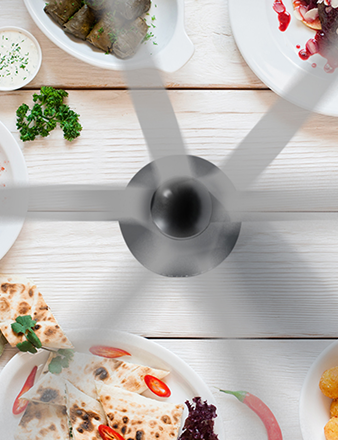
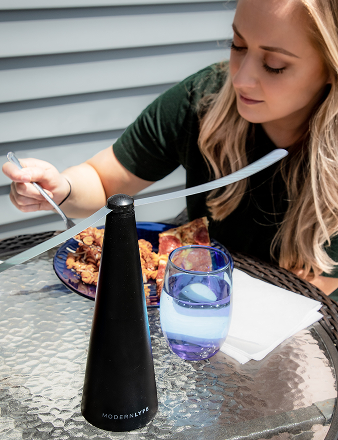
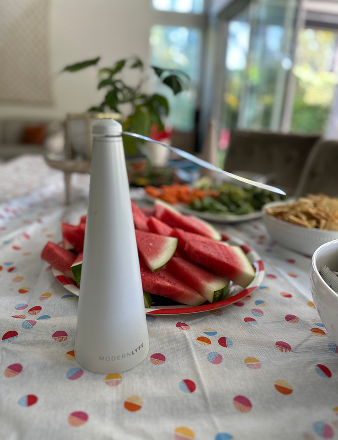
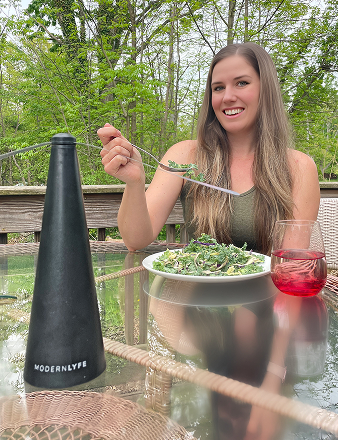
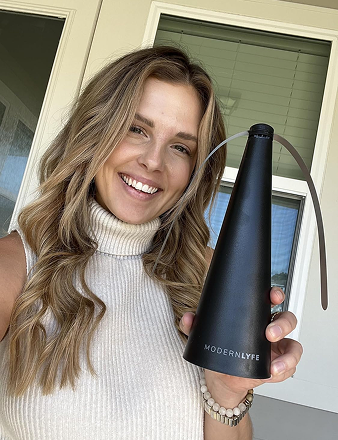
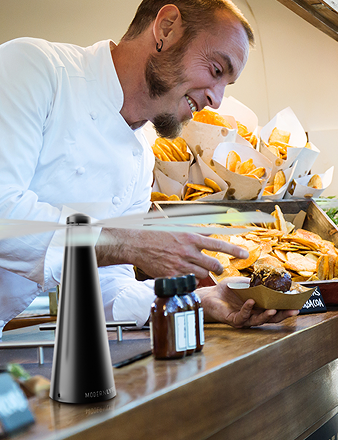
If you run events, manage a venue, or operate a food service setup outdoors, MODERN LYFE is worth a look for practical gear that helps protect presentation and food hygiene without making your setup clunky. Their fly fans are built for restaurants, hotels, catering lines, and outdoor gatherings where guest comfort and clean service matter.