You’re probably staring at a menu and a floor plan at the same time. The oven is already claimed by trays that need finishing heat, the stovetop is overloaded, and one question keeps coming up: where will the food for the second wave of guests stay hot without getting wrecked?
That’s where a 10 quart crock pot earns its place. In catering, hotel banquets, church suppers, tailgates, backyard graduations, and holiday houses packed with relatives, the extra-large slow cooker isn’t a novelty. It’s a pressure release valve. It buys space, steadies timing, and gives one major dish a reliable lane from prep to service.
A lot of people still think of slow cookers as home-kitchen gear. That sells them short. The category has been trusted for decades, and its staying power isn’t an accident. The Crock-Pot’s 1971 debut at the Chicago National Housewares Show led to $2 million in sales in its first year, and sales doubled annually to $93 million in 1975, according to Mental Floss’s history of the Crock-Pot. That kind of adoption happened because the format solved a real problem then, and it still does now.
The difference today is scale. A 10 quart unit isn’t just for “more soup.” It’s for cleaner workflow, safer buffet holding, and better use of limited kitchen capacity when you’re feeding a crowd.
Why Your Next Big Event Needs a Bigger Slow Cooker
The familiar failure point at large events isn’t usually cooking. It’s holding. You can roast the meat, finish the sauce, and season the sides. Then service starts late, the first guests arrive early, and suddenly you need one dish to stay hot, covered, and stable while the rest of the operation catches up.
That’s why the 10 quart crock pot matters. It takes one of the most stressful jobs in event food service and makes it predictable. Chili for a tailgate, meatballs for an open house, shredded beef for a buffet, queso for game day, baked beans for a wedding after-party. These are all dishes that benefit from gentle holding and easy self-service.
In practice, the bigger vessel changes your setup. You stop trying to split one menu item across multiple smaller cookers. You cut down on lids to manage, outlets to find, and serving lines to monitor. If you’re building your event setup from scratch, a solid catering equipment checklist for service planning helps you spot that gap before event day.
It solves the oven-space problem
A big event kitchen usually has a bottleneck. Sometimes it’s refrigeration. Most often, it’s finishing space. A large slow cooker gives one anchor dish its own cooking and holding zone, which frees the oven for items that need dry heat, browning, or a fast reheat.
That trade-off matters. Roasts, braises, soups, saucy proteins, and hot dips hold well in a slow cooker. Crisp foods don’t. Breaded items don’t. Anything that depends on a crust or a dry top usually suffers.
Practical rule: Put moisture-friendly dishes in the slow cooker. Keep crisp, roasted, or skin-on items in equipment that preserves texture.
Bigger capacity changes service, not just cooking
Small slow cookers help at home. A 10 quart model starts to help with logistics. One larger vessel reduces the shuffle that happens when two half-full cookers are competing for power, space, and attention on a crowded buffet.
That’s why experienced hosts keep one around. It’s less about novelty and more about control.
Decoding Capacity From Quarts to People Served
“Ten quarts” sounds technical until you translate it into service. A quart equals 4 cups, and the slow cooker market runs from 1 to 10 quarts, with 10 quarts standing as the largest standard consumer size, according to Slow Cooker Gourmet’s size guide. In the same guide, a 10-quart crock pot is described as suitable for 12 or more people, while a 5 to 6 quart model typically serves a family of four.
That last comparison is the useful one. A 10 quart crock pot isn’t just “a little bigger.” It gives you a different class of service capacity.

What that size means in real kitchens
Liquid capacity and usable food capacity are not the same thing. A pot can hold a stated volume, but the shape of the food changes what fits comfortably. Chili, soup, and pulled meat settle easily. A large roast or bird needs length and side clearance, not just volume.
You also don’t want to fill a slow cooker to the brim and hope for the best. For service, you need room to stir, ladle, and keep the lid from dripping all over the counter every time someone checks the food.
Here’s the practical read:
- Best use of full capacity: soups, chili, saucy meatballs, shredded meats, beans, stewed vegetables
- Best use of shape and depth: roasts, turkey breast, whole cuts that need space around them
- Poor use of capacity: anything fragile, layered, or texture-sensitive that turns heavy and compact under its own steam
If your menu item gets better as it mingles, rests, and stays moist, a 10 quart slow cooker is usually the right lane.
Crock Pot Capacity and Serving Guide
| Crock Pot Size (Quarts) | Approx. Servings | Ideal For |
|---|---|---|
| 4 | Small group servings | Dips, sides, small family meals |
| 6 | Family of four | Standard weeknight meals, smaller roasts |
| 8 | Larger family or modest gathering | Bulk soups, party meatballs, ham that fits comfortably |
| 10 | 12 or more people | Events, buffets, batch cooking, large roasts |
Capacity mistakes that cause trouble
The most common mistake is buying by guest count alone. Guest count matters, but so does menu style. A 10 quart crock pot can feed a crowd more effectively when the dish is part of a buffet than when it’s the sole main with no sides.
The second mistake is ignoring shape. A big round cooker may technically have volume, but an oversized roast can still fit poorly. For large cuts, oval designs tend to be easier to work with.
The third mistake is overestimating what “one appliance” can replace. A 10 quart cooker is excellent for one major job. It won’t solve every hot-food need at an event. It works best when you assign it a role and let it own that role from prep through service.
Essential Features for Pro-Level Performance
The difference between a cheap extra-large cooker and a dependable event tool shows up on transport day, on buffet lines, and during cleanup. Capacity gets attention first. Features decide whether the unit keeps earning counter space.

The Hamilton Beach 33195G is a good example of what to look for. It uses an oval stoneware crock that can hold a 10 lb. turkey or a 12 lb. roast, and its full-grip folding handles are built to support the unit’s 16.08 lbs assembled weight, according to Hamilton Beach’s product details.
Shape matters more than shoppers think
For event cooking, oval beats round for many main dishes. Roasts, turkey breast, brisket-style cuts, and racks of sauced meat settle more naturally into an oval crock. You get better placement, easier lid closure, and less awkward trimming just to make the food fit.
Round is fine for soup and chili. Oval is more flexible across a wider menu.
That flexibility matters when equipment has to earn its keep. If one cooker can handle both a braise and a buffet hold, it’s more useful than a unit that only shines with liquids.
Handles and transport are not small details
A heavy stoneware insert full of hot food punishes weak design fast. Flimsy side grips feel annoying at home. In a catering corridor, parking lot, elevator, or outdoor venue, they become a safety issue.
Look for features that support real movement:
- Full-grip handles: easier to carry with towels or gloves when the path is crowded
- Stable lid fit: helps reduce slosh during transport
- Removable stoneware: simpler for filling, emptying, and sink cleanup
- Wide base stability: less wobble on banquet tables or pop-up service stations
Buyer’s filter: If you’d hesitate to carry it from a prep kitchen to a banquet room while it’s full, it’s not the right workhorse.
Controls should be simple under pressure
Complexity sounds appealing in online listings. In service, simple controls usually win. You want a setting you can verify with a glance. You want predictable heat behavior. You want a staff member or family helper to understand it without a manual.
That doesn’t mean advanced features are bad. It means they’re secondary to reliability. For large-group cooking, the best 10 quart crock pot is the one that holds temp steadily, doesn’t fight you during transport, and fits the kind of food you serve.
Mastering Food Safety for Buffets and Events
Buffet food fails in two ways. It gets neglected, or it gets exposed. A 10 quart crock pot helps with the first problem because it’s built to hold hot food in one contained vessel. You still need a system for the second problem, especially outdoors or anywhere guests serve themselves.

One practical advantage of the Hamilton Beach 10-quart style is its Warm setting. On models like this, Warm is designed to hold food at approximately 165°F, which sits above the USDA’s 140°F hot-holding guideline and helps prevent growth of pathogens such as Clostridium perfringens during long buffet service, as noted in the Best Buy product listing.
Hot holding works when the food starts hot
The biggest mistake I see at casual events is treating the slow cooker like a reheating shortcut. It’s not the right tool for bringing a cold, dense dish up safely right before guests arrive. It performs best when the food is already fully cooked and properly hot, then transferred for holding and service.
That means your workflow should look like this:
- Cook the dish through completely
- Transfer it hot into the preheated crock
- Use the Warm setting for service
- Stir and check consistency during the event
- Keep the lid on whenever active serving isn’t happening
A good slow cooker protects heat. It doesn’t replace disciplined timing.
Open-air service needs protection too
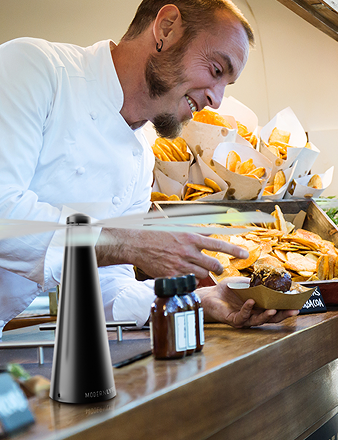
Temperature is one side of food safety. Exposure is the other. On patios, pool decks, barn venues, golf-course terraces, and backyard parties, guests notice flies immediately. So do health-conscious hosts.
That’s why I think about buffet protection as a whole system. Covered hot holding, clean utensils, managed traffic flow, and protection from pests all belong together. If you want a plain-language refresher on understanding how temperature affects bacterial growth, that’s a useful companion read because it connects the temperature side of service to the microbiology behind it.
For broader event hygiene habits, this guide to preventing foodborne illness during service is also worth reviewing before a large gathering.
Keep the buffet as controlled as the kitchen. Once food leaves the prep area, your standards shouldn’t drop.
Service habits that work in the field
A clean buffet line doesn’t happen by accident. It happens because the setup reduces guest interference and gives staff less to chase.
Use these habits consistently:
- Preheat the insert: a warm vessel holds temperature more smoothly than a cold one receiving hot food
- Choose the right dish: stews, beans, braises, chili, meatballs, and shredded meats tolerate holding better than delicate foods
- Control the lid: opening the cooker every few minutes dumps heat and slows recovery
- Use the right utensil: deep ladles for liquids, tongs for larger cuts, portion spoons for thick dishes
- Watch the rim and handles: drips on the outside make the whole station look neglected fast
A quick visual helps if you’re training helpers or planning a buffet line:
Food safety is never just one appliance. But a 10 quart crock pot gives you one of the most dependable hot-holding tools you can add to an event setup.
Practical Recipes and Portioning for Volume Cooking
The best dishes for a 10 quart crock pot all share one trait. They improve with time in moist heat and stay appealing during service. That makes the appliance a natural fit for buffet mains, heavy sides, and self-serve crowd food.

I treat this size as a “lead dish” cooker. It carries the item that has to be hot, abundant, and easy to portion while the rest of the menu rotates around it.
Dishes that scale well
Some foods get muddy in a slow cooker. Others become easier to manage.
These tend to work best:
- Pulled pork or shredded beef: easy to portion, forgiving on a buffet, and strong for sandwiches, tacos, bowls, or sliders
- Chili: one of the cleanest fits for this format because it cooks and holds well in the same vessel
- Meatballs in sauce: ideal for open houses, cocktail hours, and grazing-style events
- Beans and stews: reliable for backyard service, potlucks, and casual catering
- Braised chicken in sauce: better than dry roasted chicken when holding time matters
For chili specifically, the Ultimate Slow Cooked Chilli Guide from Smokey Rebel is a useful reference for building flavor and choosing a style that can sit confidently on a buffet.
Portioning without overcomplicating it
Portioning is where many hosts overspend or underserve. The easiest approach is to think in serving style, not just total volume.
A practical framework:
| Dish type | Portion approach | Best event use |
|---|---|---|
| Chili or stew | Ladled bowls or cups | Tailgates, buffet lines, outdoor dinners |
| Shredded meat | Sandwich, slider, taco, or bowl portions | Casual catering, graduation parties, game day |
| Meatballs in sauce | Pick-and-go portions | Cocktail food, open house service |
| Beans or braised sides | Side-dish spoon portions | Barbecue, potluck, wedding sides table |
If you’re serving samples, sauces, chili toppings, or side condiments with the main dish, small service vessels help keep the line clean. A guide on using 1 ounce cups for portions and toppings is handy when you want to control mess and make self-service easier.
Large-format cooking gets easier when the main dish is flexible. A pot of shredded meat can become sandwiches for one guest, rice bowls for another, and plated portions for a third.
What doesn’t work well
Not every “party food” belongs in a slow cooker. Foods that need a crisp top, dry edges, or delicate structure can look tired fast. Pasta dishes often cross from creamy to heavy. Bread-based casseroles can slump. Crispy chicken loses its point.
That doesn’t make the appliance limited. It just means it has a lane. Use the 10 quart crock pot for dishes that stay attractive under a lid and improve when served hot with moisture intact.
Cleaning Maintenance and Storage Strategies
A 10 quart crock pot earns its keep during service. It also creates a larger cleanup job than smaller units, especially after sugary sauces, cheese-heavy dishes, or long-held proteins. The cleanup isn’t difficult, but it goes better when you don’t let residue sit overnight.
Clean it in the right order
The removable stoneware insert should be your first priority. Once the food is out, let the insert cool enough to handle safely, then soak it with warm water and dish soap. That softens the ring of cooked-on residue around the top line, which is where most large-batch mess collects.
Avoid attacking stoneware with anything too aggressive. Harsh abrasives can wear down the finish over time, and once the surface gets rougher, cleanup becomes harder on every future use.
A simple post-event routine works best:
- Empty leftovers promptly
- Soak the insert before residue tightens
- Wash the lid separately
- Wipe the heating base with a damp cloth only after it has cooled and been unplugged
- Dry every part completely before reassembly
Protect the base and lid
The heating base is the expensive part. Don’t dunk it, don’t hose it off, and don’t let grease sit around the controls. Wipe splashes early, especially around the rim where condensation and sauce drips collect.
Glass lids need just as much attention as the insert. Steam film, grease haze, and dried splash marks make an otherwise clean cooker look neglected. If the lid has a gasket or tighter-fitting edge design, clean those contact areas carefully so odors and residue don’t linger.
A slow cooker that looks clean on the outside gets used more confidently at the next event.
Store it where it’s usable
A bulky cooker that gets buried behind holiday platters becomes dead equipment. Store it where you can reach it without rearranging the whole kitchen or catering closet.
These storage habits help:
- Keep the lid inverted or separately padded: that reduces the chance of chips or rattling during storage
- Store cords neatly: avoid tight wrapping that stresses the connection point
- Use a dedicated shelf if possible: stoneware is heavy, and awkward lifting is how inserts get dropped
- Leave it event-ready: keep the serving spoon, lid strap if you use one, and any transport towels nearby
A 10 quart crock pot isn’t a niche appliance if you host often. Treat it like a service tool, not a once-a-year holiday extra.
The Final Word Your Partner for Flawless Events
When you’re feeding a crowd, the win isn’t just getting enough food on the table. It’s keeping that food hot, safe, easy to serve, and presentable from the first guest to the last. That’s where a 10 quart crock pot stands out.
Its value is practical. It handles large-batch dishes with less fuss. It frees up oven space. It gives one key menu item a stable home during service. And for buffets, potlucks, outdoor parties, and professional event work, that kind of reliability matters more than flashy features.
Used well, it changes the tone of the event. You’re not scrambling for burner space or apologizing for lukewarm food. You’re checking the line, replacing utensils, and talking to guests because one major part of the meal is under control.
That’s why this size has become such a useful workhorse. Not because it’s oversized for the sake of it, but because it solves real event problems cleanly.
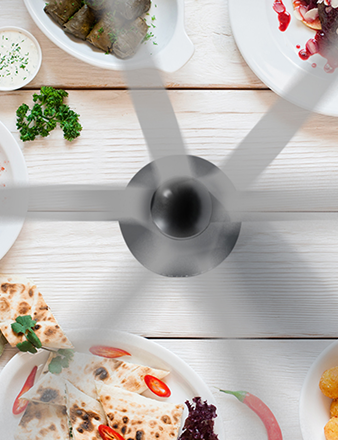
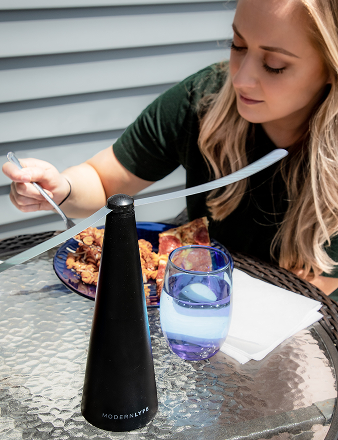
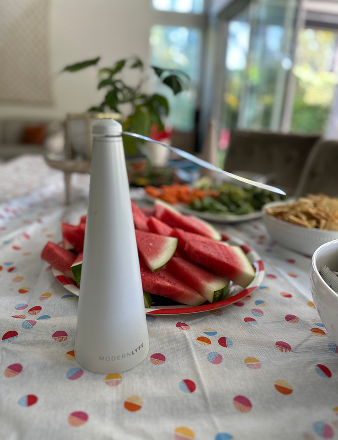
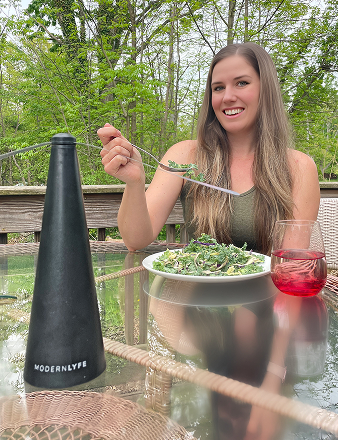
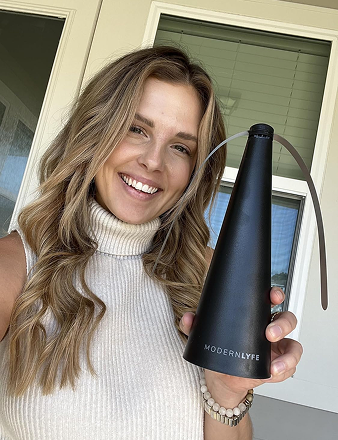
If you’re building a cleaner, more polished buffet setup, MODERN LYFE offers quiet, battery-operated fly fans that help protect food presentation at restaurants, catered events, outdoor receptions, and home gatherings. They pair naturally with hot-holding tools like a 10 quart crock pot by helping keep serving areas more hygienic, more comfortable for guests, and more professional-looking from start to finish.