You’re usually shopping for a 100 gallon storage bin because something already went wrong. Cushions got soaked. Clean linens picked up mildew. A lock kept guests out, but ants still got in. Or a team lost time because the “big box out back” turned into a jumble of banquet gear, extension cords, and half-used service supplies.
For hospitality work, a large bin isn’t just outdoor storage. It’s part of your operating system. It needs to protect inventory, keep setup moving, and hold up when staff open it ten times in a service window. If you store anything that touches food service, guest comfort, or event presentation, the wrong bin creates repeat problems. The right one removes them.
Understanding the True Capacity of a 100-Gallon Bin
A banquet team loads a 100 gallon bin at midnight, closes the lid, and expects clean stock at the next call time. The test is not whether the label says 100 gallons. The test is whether the bin holds the right items without crushing them, trapping moisture, or turning clean supplies into a mixed, unsanitary pile.
Most bins in this class share a long, low profile, roughly 49.4" L x 24.7" W x 23.4" H, so they suit flat or compressible inventory better than tall rigid gear. That same footprint can hold 12 to 15 standard 20x20 inch cushions or 8 to 10 foldable chairs, based on this 100-gallon deck box specification. For hospitality work, that shape is useful because it favors items you need to keep clean, dry, and contained, such as folded textiles, covers, and packaged service accessories.

What that space means in real operations
In event logistics, usable capacity is always lower than stated volume once you account for sanitation and access. A bin packed wall to wall looks efficient on paper, but it slows setup, snags soft goods on the way out, and leaves no room for air movement. That last point matters more than many buyers expect. Linens, cushion covers, and spare uniforms can come off a humid patio or tented service area holding more moisture than they appear to.
Group storage by contamination risk first, then by size.
- Clean soft goods: folded tablecloths, chair covers, runners, buffet skirts, spare aprons
- Protected outdoor items: furniture covers, cushion sets, tent sidewalls, heater covers
- Packaged service support: fly fan cases, signage parts, non-breakable tabletop supplies, sealed backup consumables
- Home event overflow: pool towels, outdoor serveware, games, grill tools kept in separate caddies
I do not recommend using one 100 gallon bin as a catch-all for both clean event stock and field gear. Staff may make that work for one weekend. Over a season, it usually leads to dust transfer, pest exposure, and wasted labor because teams dig through mixed contents under time pressure.
Measure the opening, not just the shell
Exterior dimensions do not tell you what will pass through the lid opening cleanly. Hinges, lid lips, wheel housings, and curved sidewalls cut into usable space, especially for stacked trays, boxed supplies, or anything packed in rigid organizers. Measure the opening width and the interior floor, then compare both numbers to your largest stored item.
Capacity also depends on access style. A dry-storage bin and a 100 gallon water tank sizing and applications guide may use the same gallon count, but they solve different problems. Tanks maximize contained volume. Storage bins need usable floor area, hand clearance, and a loading pattern that does not trap moisture or crush inventory.
If you want to compare lidded formats before buying, you can find storage box solutions at Endless Storage.
A practical way to judge capacity
For hospitality teams, capacity comes down to three checks:
| Question | What to check |
|---|---|
| Will it fit the inventory cleanly? | Longest item length, stacked width, lid clearance, room for bagged or sealed separation |
| Will staff empty and reload it fast? | Clear top access, no need to remove half the contents to reach daily-use items |
| Will the contents stay controlled between events? | Space for air circulation, separation between clean stock and outdoor gear, fewer dead corners for debris and pests |
A 100 gallon storage bin works best when it carries one category with a defined sanitation standard. That is the difference between a bin that protects inventory and a bin that creates rewash, replacement, and pest-control problems.
Decoding Bin Materials and Lid Designs
The material decides how long the bin lasts. The lid design decides whether your team uses it properly.
Cheap bins fail in predictable ways. They chalk in direct sun, flex under load, and develop lids that nobody wants to wrestle with during setup. Better bins avoid those issues because the resin, hinge design, and opening mechanism work together.

Why HDPE and PP dominate this category
Most quality outdoor bins use HDPE resin or polypropylene because molded polymers handle weather better than wood and require less maintenance than exposed metal. Some HDPE resin bins maintain structural integrity for over 3 years in direct sunlight and support static loads of 440 to 660 lbs, which makes them durable enough for temporary seating for two adults, based on this HDPE deck box product data.
That matters in event settings because bins rarely live easy lives. Staff sit on them. They get dragged during breakdown. They stay outdoors through service windows, then sit loaded between events. If the shell flexes too much, the lid alignment usually degrades next, and that’s when sealing and locking start getting unreliable.
Lid style changes daily usability
A lid isn’t just a cover. It’s a workflow feature.
Here’s how the common designs play out in practice:
| Lid type | What works | What doesn’t |
|---|---|---|
| Lift-off lid | Simple, fewer moving parts | Easy to misplace, awkward during live events |
| Basic hinged lid | Better for routine access | Can slam, bind, or warp on lower-grade builds |
| Hydraulic piston-assisted lid | One-handed opening, smoother access, better control | Costs more upfront |
Hydraulic lids are the easiest to live with when staff are carrying linens, beverage tubs, or decor in one hand. They reduce the friction of using the bin properly. If opening the lid feels annoying, people start leaving it cracked or resting items on top instead of putting them away.
A storage system only works if the crew can open it fast, close it fully, and trust it every single shift.
What to inspect before buying
Don’t stop at the product photo. Inspect the build details that affect wear:
- Panel rigidity: Press on the sidewall. Excessive flex now becomes distortion later.
- Hinge anchoring: Fasteners and hinge mounts should feel integrated, not clipped on as an afterthought.
- Load rating: If staff may sit on it or stack supplies on top, verify the stated support range.
- Locking point: A weak hasp invites pry damage even if the rest of the shell is solid.
If you want a broad comparison of covered storage formats before narrowing down this size class, this guide to find storage box solutions at Endless Storage is useful for thinking through lid types and general storage-box trade-offs.
For food-adjacent operations, material selection also overlaps with sanitation habits. If your team already uses sealed containers for dry ingredients or service prep, the logic is similar to choosing food-safe small-format storage like a 10 gallon food grade bucket. The difference is scale. Large bins protect the outer layer of event inventory, but only if the shell and lid stay stable over time.
Key Use Cases for Hospitality and Home Events
The best 100 gallon storage bin purchases happen when the bin gets assigned to a real job on day one. The worst purchases happen when it becomes the default place for “extra stuff.” In hospitality, that distinction matters because retrieval speed affects setup, cleanliness, and labor.
A restaurant with patio service uses a large bin differently than a hotel pool deck or a wedding catering crew. The shell may be the same. The storage logic shouldn’t be.
Restaurant and catering workflows
For a restaurant, a 100 gallon storage bin usually earns its keep outdoors. It holds seat cushions, table stabilizers, spare menu covers, patio blankets, and non-breakable service support items that don’t belong back in the main kitchen. This keeps outdoor stations self-contained and reduces back-and-forth trips during service.
For caterers, the value is usually in protecting presentation supplies. Clean folded linens, skirting, serving risers, non-electrical decor, and buffet accessories all need protection from dirt and splashes during load-in. The principle is similar to the shift that made refrigerated containers so useful in the 1960s. They created reliable environmental control for sensitive cargo, and modern storage bins apply that same idea on a smaller scale to protect linens and dry goods from spoilage and damage, as described in this history of containers and reefer development.
Hotels, resorts, and residential hosts
Hotel and resort teams often use these bins as seasonal buffers. Pool towels, event runners, outdoor lanterns, and holiday décor can stay near the use area instead of getting buried in a distant storeroom. That shortens resets and keeps departments from borrowing each other’s space.
At home, the same size bin works well for barbecue and patio support. Not because it’s glamorous, but because it keeps weather-exposed clutter from turning into guest-facing clutter. Grill covers, serving trays, outdoor dinnerware, citronella accessories, and cushion sets all stay contained in one place.
Keep guest-facing items separate from maintenance items. The same bin shouldn’t hold clean table runners and a bottle of deck cleaner.
Use the bin by category, not by convenience
Three deployment patterns work especially well:
-
Soft-goods bin
Best for folded textiles, cushion sets, and covers. These items fill volume quickly and benefit from cleaner storage. -
Event reset bin
Best for the items teams need every time they build a buffet or patio station. Consistency matters more than maximum capacity here. -
Seasonal support bin
Best for items that rotate in and out every few months. This keeps slow-moving inventory from eating shelf space indoors.
What doesn’t work is mixing sharp hardware, damp fabric, and food-adjacent service pieces in one container. The bin may be large, but that only makes contamination and disorganization easier to hide.
Mastering Logistics Stacking Transport and Placement
A 100 gallon storage bin can make a site run smoother or become one more heavy object everyone works around. Most of the difference comes down to placement and movement.
The design logic behind these bins goes back to standardization. In 1956, Malcolm McLean’s stackable shipping container cut cargo costs by over 95% and established the core storage principles of uniformity, security, and portability, which still shape modern storage formats today, according to this history of portable storage containers. That same logic applies on a much smaller scale in event operations. A container is useful when it moves cleanly, fits predictably, and doesn’t create new handling problems.

Wheels help on some surfaces and hurt on others
Wheeled bins are excellent on concrete, pavers, service corridors, and smooth pool decks. They save labor and reduce awkward carries. They’re much less useful on gravel, grass, soft turf, or uneven stone, where the wheels can bind and the bin starts twisting under load.
If you’re buying a wheeled model, ask a simple question. Will staff roll it loaded, or will they still have to unload before moving it? If the answer is the second one, wheels may add complexity without solving the actual problem.
Placement rules that prevent daily frustration
A few habits make a big difference:
- Set it on level ground: Lid alignment stays better, and pooled water is less likely to collect around one corner.
- Keep clearance behind the lid arc: Staff need room to open the bin fully without scraping a wall or railing.
- Avoid splash zones: Don’t place it where irrigation, roof runoff, or pressure washing hits directly.
- Protect access routes: A bin shouldn’t block egress, server paths, or equipment turns.
Put the bin where the work happens, but not where the traffic happens.
Stacking requires restraint
Some buyers assume every large outdoor bin is stackable because the top looks flat. That’s risky. Flat isn’t the same as stack-rated. Unless the manufacturer clearly designs it for stacking, treat it as a single-unit storage piece.
Even when a bin supports weight on the lid, that doesn’t automatically mean it should hold another loaded bin. Static top-load strength and safe stacked storage are different questions. In hospitality settings, unstable stacks usually fail during rushed setups, not during quiet storage.
Use vertical shelving for layered storage. Use the bin for protected bulk storage at floor level. That division keeps the site safer and makes retrieval faster.
Your Guide to Pest-Proofing and Sanitation
“Waterproof” doesn’t mean “clean.” It also doesn’t mean “pest-proof.”
That’s the trap many buyers fall into. The bin survives rain, so they assume the contents are protected from everything else. In real outdoor use, seams, hinge gaps, and imperfect lid contact can still let in insects and moisture. A documented gap in this market is internal pest and moisture control, and forum users frequently report ant infestations despite waterproof claims. The same source notes that USDA data suggests 30% of outdoor-stored textiles develop mold without proper ventilation, a feature most standard bins don’t include, according to this retail category reference discussing the gap.

What actually gets into bins
In the field, I’d worry less about dramatic failures and more about small, repeat intrusions. Ants follow residue. Spiders settle in quiet corners. Damp air gets trapped after a rainy reset. Rodents go where soft goods and shelter combine.
That means a clean-looking bin can still be a sanitation problem. Especially if it stores:
- Linens and tablecloths that absorb humidity
- Food-adjacent supplies like tray liners, wraps, or service caddies
- Cushions and soft covers that hold odor and moisture
- Paper goods that pests can nest around
How to build environmental control inside the bin
A better system uses layers of protection.
First, clean the bin interior on a schedule. Dirt at the bottom becomes food for pests and mold. Wipe corners, hinge channels, and lid undersides, not just the floor panel.
Second, use internal containment. Soft goods should go in washable bags or secondary sealed containers. Food-adjacent supplies should never sit loose in the main shell.
Third, manage moisture intentionally. Don’t pack damp fabric. Don’t close the lid on recently washed items that still feel cool or humid. If your climate runs damp, add removable moisture-control materials and inspect them routinely.
A sealed outer bin without dry internal contents is just a larger mold chamber.
Pest prevention that works better than guessing
For ant-prone sites, perimeter control around the storage area matters as much as the container itself. This practical guide to effective ant control for Crown Point is a helpful reminder that pest prevention starts with access points, surrounding surfaces, and what attracts insects in the first place.
The right mindset is integrated control, not one magic product. If you want a broader framework for combining sanitation, exclusion, monitoring, and targeted treatment, this overview of integrated pest management basics is a smart place to start.
A simple sanitation standard for hospitality teams
Use this standard if the bin stores guest-facing supplies:
| Area | Good practice |
|---|---|
| Contents | Store only clean, dry, category-matched items |
| Interior | Wipe debris and residue before restocking |
| Lid and seams | Inspect for gaps, distortion, and trapped dirt |
| Loading habit | Never return damp textiles after service |
| Pest monitoring | Check corners and contents before every major event |
If the bin stores anything related to dining, buffet service, or guest textiles, sanitation isn’t optional. The bin should support hygiene, not just hide clutter.
The Ultimate 100-Gallon Bin Buyer's Checklist
Buying the right 100 gallon storage bin gets easier when you stop asking, “Which one is best?” and start asking, “Which one fits the way my team works?” The right answer depends on environment, access frequency, inventory type, and how much abuse the unit will take.
This is the checklist I’d use before approving a purchase.
Build quality and weather resistance
Start with the shell. If the material feels thin or the sidewalls flex too easily, skip it. Outdoor bins live through heat, rain, handling, and sitting under load. You want a resin body with credible UV durability and a lid that closes squarely after repeated use.
Check these points:
- Material confidence: Is it HDPE or another outdoor-rated molded resin?
- Sun exposure reality: Will it sit in direct light most of the day?
- Top load needs: Will staff sit on it or place packed gear on top?
- Panel stability: Do the sidewalls stay aligned when you press on them?
Access, movement, and security
Think about who opens the bin and how often. A patio manager accessing cushions twice a day needs something different from a caterer opening the bin repeatedly during load-in.
Use this decision grid:
| Need | What to prioritize |
|---|---|
| Frequent access | Smooth hinged lid or hydraulic assist |
| Outdoor theft concern | Strong lock point and rigid lid structure |
| Long transport routes | Wheels, but only if your surfaces support rolling |
| Tight placement area | Full lid clearance and compact opening footprint |
If you’re weighing a large outdoor bin against rented off-site storage or overflow storage units, this article on understanding self-storage solutions is useful for thinking through when portable on-site storage beats remote storage access.
Hygiene and category fit
This is the part many buyers miss. The bin has to match the cleanliness standard of what goes inside it. A box that’s fine for garden tools may be wrong for banquet linens.
Ask these questions before purchase:
-
Will this bin store guest-facing soft goods?
If yes, prioritize interior cleanliness, seal quality, and moisture management habits. -
Will this bin hold food-adjacent supplies?
If yes, avoid mixed storage with chemicals, maintenance parts, or dirty outdoor gear. -
Can contents be separated internally?
A large empty cavity isn’t automatically good storage. It often needs internal organization. -
Will staff maintain it?
The best bin on paper fails if no one wipes it out, checks the seams, or unloads damp contents.
Buy the bin your team will maintain correctly, not the one with the longest feature list.
Final purchase filter
Before you commit, run this short pass:
- Does it fit the actual items, not just the gallon count
- Can your team open and close it fast during service
- Will it stay stable where you plan to place it
- Does the lid align tightly enough for cleaner storage
- Can you lock it without stressing the shell
- Will you assign it to a single storage role instead of treating it as overflow
A 100 gallon storage bin should reduce labor, protect inventory, and support a cleaner setup. If it doesn’t do those three things, it’s just taking up patio space.
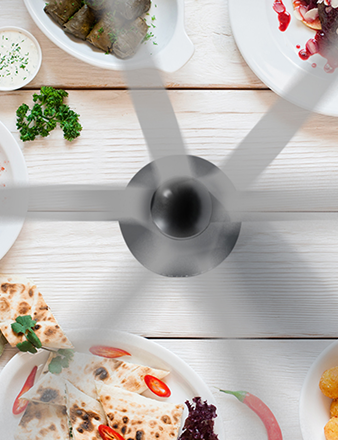
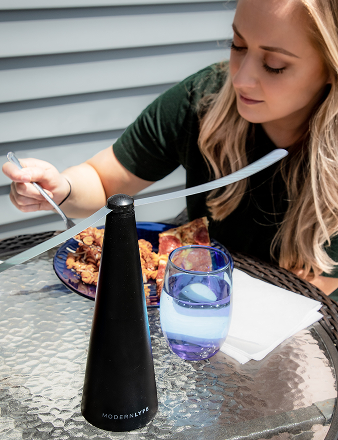
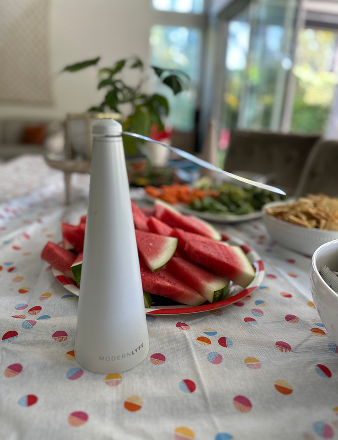
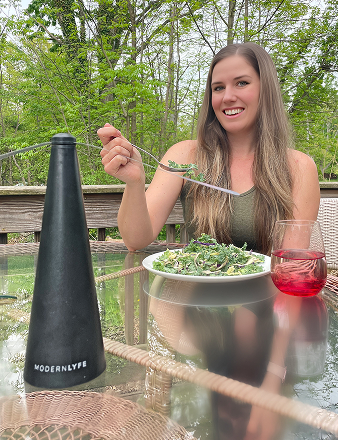
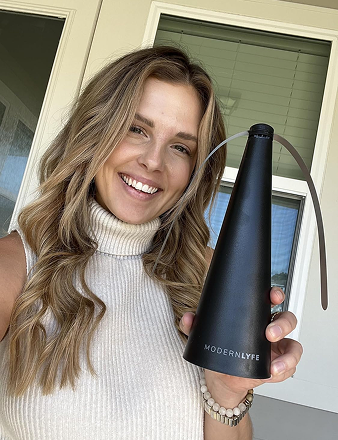
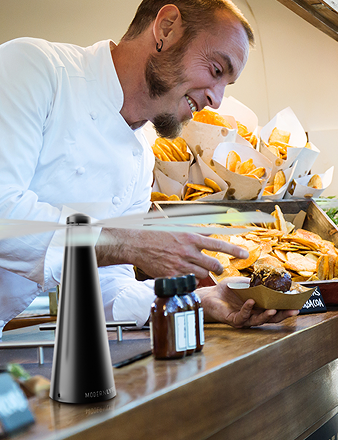
If you’re improving outdoor dining hygiene or tightening pest control around buffet lines and event setups, MODERN LYFE offers fly fan solutions built for restaurants, hotels, caterers, and home hosts who want cleaner, more polished service environments.