What does 100 mesh screen actually mean? It’s a fine, tightly woven material with 100 individual threads per linear inch. This dense construction creates incredibly small, uniform openings, making it perfect for precise filtering, sifting, or creating a formidable barrier against tiny insects.
Demystifying the 100 Mesh Screen

The number 100 is the key. It's a direct measure of the screen's density. A higher mesh number, like 200, means a finer, denser weave with smaller holes. A lower number, like 20, indicates a much coarser screen with bigger gaps.
Think of it like this: a chain-link fence is a low-mesh screen. It stops big things but not much else. A 100 mesh screen is more like a tightly woven privacy screen—it blocks almost everything. It hits a sweet spot of filtration and durability that makes it a versatile standard for countless jobs.
What Does the Number Mean for Performance?
The "100" means there are 100 openings per linear inch, both vertically and horizontally. That’s a grid of 10,000 openings in a single square inch. But performance comes down to the actual size of those openings, known as the aperture.
A standard 100 mesh screen has an aperture of about 149 microns (µm). For scale, a human hair is around 70 microns thick. The holes in a 100 mesh screen are just over twice the width of a hair.
This fine filtration is what makes it so useful. It can stop a huge range of materials, from fine powders to pesky gnats. Its ability to block even tiny insects is why it’s so effective as a protective food cover for outdoor dining.
Key Concepts to Remember
Understanding a few core terms will help you see what makes a 100 mesh screen work and how it compares to other options.
- Mesh Count: The number of openings per linear inch. More openings mean a finer mesh.
- Aperture (Opening Size): The space between the wires, usually measured in microns (µm). It determines what can pass through.
- Wire Diameter: The thickness of the wires. Thicker wires mean more durability but can reduce the aperture size.
These three factors are interconnected. While a 100 mesh screen is defined by its 100 openings per inch, its real-world power comes from its 149-micron aperture. This precision makes it a reliable choice for many applications.
The Technical Details That Matter
While the number "100" is a great starting point, a screen's true performance hinges on more details. Let's get into the nitty-gritty of how mesh count, wire diameter, and opening size—the aperture—all work together.
It's Not Just About the Count
Even within the "100 mesh" category, hole sizes can differ. Why? It all comes down to the thickness of the individual wires.
Imagine a picket fence. If you use thicker pickets, the gaps between them get smaller, even if you keep the same number of pickets. It's the same principle with wire mesh.
Thicker wires create a stronger screen, but the trade-off is a smaller aperture. Thinner wires create a larger opening for better airflow or filtration but may sacrifice some strength. Finding the right balance is key to choosing a screen that does its job well.
Choosing the Right Screen Material
The material of your 100 mesh screen is as critical as the weave. Each option has its own pros and cons, making one a better fit for certain jobs.
-
304 Stainless Steel: This is the industry's go-to workhorse. It offers a fantastic combination of corrosion resistance, durability, and strength. You’ll find it everywhere, from general filtration and food processing to protective barriers.
-
316 Stainless Steel: Think of this as the "marine grade" version. With added molybdenum, 316 steel gets a major boost in resistance to salt, chlorides, and harsh chemicals. It's the clear winner for coastal areas, chemical plants, or medical-grade applications.
-
Polyester & Nylon: These synthetic options are flexible, lightweight, and resistant to a wide range of chemicals. Their pliability makes them a top choice for screen printing, where the mesh must stretch perfectly over a frame. For a look at how materials matter in larger mesh sizes, check our guide on 1-inch hardware cloth.
The takeaway: Stainless steel is king for durability and food safety, while materials like polyester shine in specialized fields that demand flexibility.
This diversity is reflected across the fine mesh market. The screen printing mesh market alone was valued at USD 748.47 million in 2024, driven by demand from textiles, packaging, and electronics. The broader trend is a push toward higher-precision products, showing how critical material and construction quality have become. You can explore the market's growth and segmentation to see these trends for yourself. Understanding these nuances helps you look past just the mesh count and choose a product that's truly fit for purpose.
How 100 Mesh Compares to Other Sizes
You know a 100 mesh screen packs 100 openings into every linear inch. But to really understand what it can do, it helps to see how it stacks up against other common sizes. The world of mesh is a spectrum, and finding the right one is about what you need to filter—or what you need to keep out.
The rule of thumb is simple: a lower mesh number means a coarser screen with bigger holes. A higher number means a finer weave with smaller, tighter openings. This inverse relationship is the secret to picking the perfect screen.
Finding the Sweet Spot in Mesh Sizing
Think of it like picking a kitchen tool. A 50 mesh screen is like a standard flour sifter—great for breaking up big clumps, but that's about it. Its openings are roughly 297 microns, large enough to see with the naked eye. It’s perfect for basic tasks like separating larger particles.
On the other extreme is a 400 mesh screen. This is an incredibly fine material, almost like silk. With openings of just 38 microns, it's used for scientific-grade filtration and separating the finest powders. The weave is so tight it can feel more like a solid sheet.
A 100 mesh screen hits the sweet spot. It strikes a fantastic balance between filtration and flow. Its 149-micron openings are fine enough to stop fine sand, powdered sugar, and most common pests, yet open enough to let air and liquids pass through without much resistance.
This is why the relationship between the wire, count, and opening is so important.

As you can see, even for the same mesh count, the wire thickness plays a huge role in the final opening size.
Mesh Count vs. Micron Size and Common Applications
To make this even clearer, let's compare these mesh sizes to everyday objects. Visualizing what each screen can block is the best way to understand where a 100 mesh screen truly shines. This table breaks it down.
| Mesh Count | Approx. Micron Opening (µm) | Particle Size Analogy | Common Applications |
|---|---|---|---|
| 50 Mesh | 297 µm | Fine Beach Sand | Coarse sifting, insect screens for larger bugs, pulp filtration. |
| 100 Mesh | 149 µm | Table Salt | Food protection (flies/gnats), fine powder sifting, liquid straining. |
| 200 Mesh | 74 µm | Human Hair | Fine particle separation, paint strainers, high-end screen printing. |
| 400 Mesh | 38 µm | Pollen Grain | Laboratory analysis, pharmaceutical powders, pigment filtering. |
Ultimately, choosing the right mesh is a game of precision. While a 50 mesh screen might stop a housefly, it won't do anything against tiny gnats. A 100 mesh screen provides that critical level of protection, making it an incredibly reliable and versatile choice for everything from industrial filtration to keeping your outdoor buffet pristine.
Where You Will Find 100 Mesh Screens in Action

Now that we’ve covered the tech specs, let's look at where 100 mesh screens really shine. It’s a material you've probably encountered without even realizing it. Its unique blend of fine filtration and dependable strength makes it a quiet hero in all sorts of settings, from factory floors to upscale patios.
In manufacturing, a 100 mesh screen is an absolute workhorse. Think of it as a high-precision sieve used for sifting fine powders, filtering impurities from liquids, and guaranteeing consistency in everything from pharmaceuticals to food ingredients. Because it’s often made from stainless steel, it’s tough enough to handle the non-stop demands of an industrial environment.
A Key Component in Precision Printing
Screen printing is another arena where 100 mesh is a go-to choice. The process involves pushing ink through a stenciled mesh to create a design on a t-shirt, poster, or circuit board. A 100 mesh screen hits the sweet spot: it's fine enough to hold good detail but open enough to let a solid layer of ink pass through for a rich, vibrant print.
This isn't a niche market. The global demand for screen printing mesh is on a major upswing, projected to climb from USD 831.32 million in 2026 to USD 1,231.62 million by 2032. This growth, powered by the textile, advertising, and electronics industries, highlights the value of reliable materials like 100 mesh. You can dive deeper into the numbers with the full screen printing mesh market growth research.
The Ultimate Barrier for Food Protection
Beyond the factory, a 100 mesh screen offers an elegant solution to a universal annoyance: keeping bugs off your food. Those tiny 149-micron openings create a fortress that common pests simply can't breach, making it a game-changer for food hygiene.
Houseflies, fruit flies, and even the smallest gnats are all much larger than 149 microns. A 100 mesh screen physically blocks them from ever touching your food, while still letting air flow through to prevent condensation.
This is especially critical anywhere food is served outdoors.
- Outdoor Buffets: Imagine a wedding or picnic where platters of food are protected by sleek mesh covers. The food stays fresh, appetizing, and completely fly-free.
- Restaurant Patios: High-end restaurants use mesh food covers to protect dishes on their way to the table, maintaining impeccable hygiene and elevating the guest experience.
- Home Gatherings: For a backyard barbecue, using mesh food tents can mean the difference between a relaxing meal and a constant battle with insects.
It's a simple, effective way to ensure a clean, professional presentation. If you're thinking bigger, our guide on setting up a 10 x 10 screened canopy offers some great tips. This incredible versatility is what makes 100 mesh such a valuable material, bridging the gap from heavy industry to everyday food safety.
How to Select and Maintain Your Screen
Getting the right screen and taking care of it is the secret to making your investment last. A well-chosen 100 mesh screen is a long-term asset that will deliver consistent results for years. Let's walk through how to buy smart and keep your screen in prime condition.
When sourcing a screen, be crystal clear with your supplier. Vagueness leads to problems. Providing exact specs ensures you get a product that does exactly what you need it to, without expensive surprises.
Your Procurement Checklist
Don't leave anything to interpretation. When you're ready to buy a 100 mesh screen, use this checklist to communicate exactly what you need. This clarity helps suppliers give you an accurate quote and ensures the final product is a perfect fit.
- Mesh Count: Be explicit. You need 100 mesh (100 wires per linear inch). This is the non-negotiable starting point.
- Material: What's it made of? 304 stainless steel is a great all-around choice. For saltwater or corrosive environments, you'll need the extra protection of 316 stainless steel.
- Wire Diameter: This detail is more important than you think. For a 100 mesh stainless steel screen, a common wire diameter is 0.0045 inches (0.11mm). This gives you that standard 149-micron aperture.
- Weave Type: For most uses, "plain weave" is what you want. It’s a simple, strong over-and-under pattern that creates a stable, uniform mesh.
By providing these four critical details—mesh count, material, wire diameter, and weave type—you move from a vague request to a precise technical spec. This empowers you to compare options accurately and hold suppliers accountable.
Maintenance for Longevity
You have the perfect screen—now what? A little maintenance goes a long way. How you clean it will depend on what it's catching, whether that's industrial particles or just dust.
A gentle touch is always best. Start with a soft brush and mild soapy water to dislodge anything trapped in the mesh. For stubborn buildup, a low-pressure rinse can work. Avoid harsh chemicals or high-pressure washers, as they can easily damage the fine wires.
Proper maintenance is crucial for longevity. For example, learning how to clean window screens can significantly extend their life with simple, regular care.
When it's time to store the screen, lay it flat or roll it carefully. Never fold it. Folding creates permanent creases and can snap the delicate wires. Keep it in a dry, safe place where it won't get bent or damaged.
Finally, know when it's time for a replacement. Give your screen a regular once-over and look for these tell-tale signs of wear:
- Tears or holes: Even a tiny puncture defeats the purpose of the screen.
- Fraying edges: A clear sign that the weave is coming apart.
- Corrosion or rust: The material is starting to break down.
Catching these issues early and swapping out a worn screen means you'll continue to get the high performance you count on, whether you're filtering fine powders or keeping a buffet pest-free.
Common Questions About 100 Mesh Screens
Once you grasp what a 100 mesh screen is, a few practical questions always pop up. Whether you're an engineer specifying a filter or a homeowner trying to keep bugs out, knowing the finer details makes a huge difference. Let's tackle the most common questions head-on.
Is a 100 Mesh Screen Fine Enough to Stop Flies and Gnats?
Yes, absolutely. A 100 mesh screen has tiny openings of only about 149 microns. Common houseflies, fruit flies, and even those frustratingly small gnats are all much, much larger.
There's simply no way they're getting through. This is why 100 mesh is a top choice for protecting food at buffets, on restaurant patios, or during outdoor catering. It strikes the perfect balance between keeping every last pest out and still allowing air to flow through.
What Is the Difference Between 100 Mesh and 100 Micron?
This is a common point of confusion, but they measure two completely different things. Think of mesh count as the number of lanes on a highway, while the micron size is the width of each lane.
- 100 Mesh: This tells you the density of the weave. It means there are 100 openings per linear inch. It’s about the screen's construction.
- 100 Micron: This tells you the size of each opening. It's a direct measurement of what can pass through.
A standard 100 mesh screen typically has openings of about 149 microns. If you needed a screen with 100-micron openings, you'd actually want something finer, closer to a 150 mesh count. When ordering, always be clear: do you need a specific mesh count (weave density) or a specific micron rating (opening size)? Getting this right is key.
Should I Choose Stainless Steel or Polyester Mesh?
The best material depends on the job. Both are great options, but they excel in different scenarios.
Go with stainless steel (like 304 or 316 grades) when your main concerns are strength, rigidity, and heat resistance. It's the go-to for tough jobs like industrial filtration or food processing equipment, where the screen has to hold its shape and withstand heavy wear. It’s tough, easy to clean, and built to last.
On the other hand, polyester is the winner when you need flexibility, light weight, and chemical resistance. Its ability to stretch taut over a frame without warping makes it the perfect choice for high-end screen printing, where an even surface is non-negotiable.
Can I Cut a 100 Mesh Screen to a Custom Size?
Definitely. Trimming a metal mesh screen to fit your project is simple, but use the right tools and be careful. Grab a pair of sturdy tin snips or sheet metal shears and—most importantly—wear heavy-duty gloves. Freshly cut wire edges are incredibly sharp.
One thing to watch for is that cut edges can fray. To get a clean, lasting finish, either fold the edges over or contain them within a frame. This locks the weave in place and keeps the screen structurally sound, especially if it will be handled a lot or put under tension.
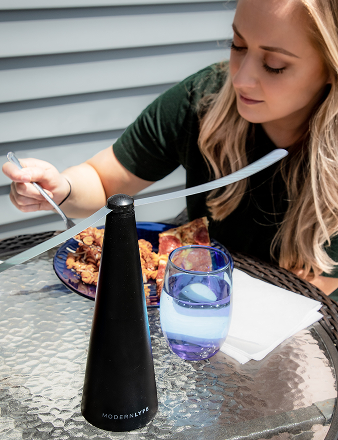
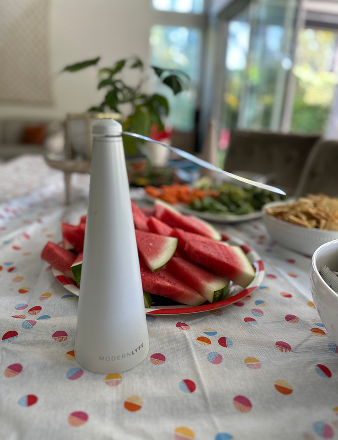
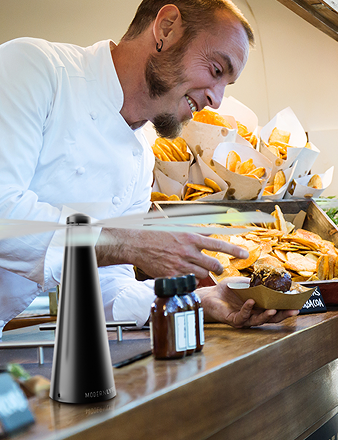
Ready to create the perfect fly-free dining experience? MODERN LYFE offers a range of sophisticated fly fans that create an elegant and effective barrier, complementing the protection of a fine mesh screen. Discover the ideal solution for your restaurant, event, or home.