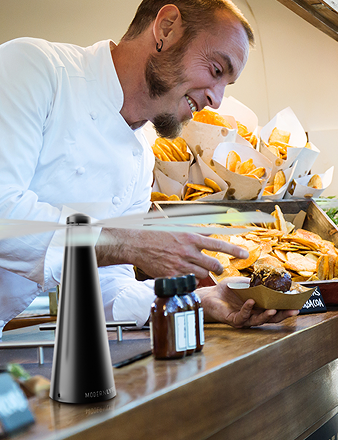
You’ve set up the perfect outdoor dining experience. The tables are set, the sun is just right, but then uninvited guests arrive—swarms of flies that ruin the atmosphere. This is where a surprisingly effective, natural tool comes in: 100% pure neem oil.
Let's get straight to how this ancient remedy is a modern solution for creating pleasant, fly-free zones.
What is Pure 100 Neem Oil?

When you see 100 neem oil, you're getting the real deal. It’s raw, unrefined oil, cold-pressed directly from the seeds of the neem tree (Azadirachta indica). This isn’t a watered-down formula; it’s the pure, potent source of the plant’s natural power.
Think of it like cold-pressed extra virgin olive oil versus a generic blended oil. That "100" guarantees that nothing has been added or stripped away. You get all the complex, naturally occurring compounds that make it so effective.
Why It's a Modern Solution
So, what's the secret? Pure neem oil's power lies in its complex mix of active ingredients. Unlike single-action chemical sprays, 100 neem oil works on multiple fronts to make an area less attractive to flies. Its real strength is disrupting their entire lifecycle—a much smarter, more proactive approach.
The goal isn't just to swat flies. It’s to create an environment where the fly population can't thrive, leading to a natural decrease over time and lasting relief for your outdoor spaces.
This method is gaining traction with smart hospitality managers and home entertainers for a few key reasons:
- Proactive Pest Control: It gets ahead of the problem, reducing pest numbers before they become a full-blown nuisance.
- Better Guest Experience: A fly-free patio means an uninterrupted, enjoyable time for guests at your restaurant, wedding, or backyard barbecue.
- Improved Food Safety: Fewer flies around dining areas contributes directly to a more hygienic and appealing setting.
By treating the environment around your main space—like ornamental plants, patio borders, and nearby shrubs—you establish a subtle but effective protective barrier. This makes 100 neem oil a key player in a sophisticated pest management strategy. It’s not about chemical warfare; it’s about intelligent, sustainable management that makes your spaces genuinely more inviting.
How 100% Neem Oil Actually Works
What’s really going on inside that bottle of 100% neem oil? It’s not a standard bug spray. Unlike harsh chemicals that offer an instant, brute-force kill, neem oil plays the long game by systematically disrupting the life cycle of flies and other pests.
The key compound is Azadirachtin. It isn't a poison in the traditional sense. Think of it as a biological "scrambler" for insects. When a fly encounters it, Azadirachtin disrupts its hormonal system, jamming the signals that control its most basic functions.
This hormonal interference triggers a domino effect. It acts as an anti-feedant, making treated surfaces taste awful to pests, so they stop eating. More critically, it interferes with their ability to grow and reproduce. Larvae can't mature into adults, and adult insects often can't lay viable eggs.
More Than a One-Trick Pony
But Azadirachtin doesn't work alone. Pure 100% neem oil is a complex cocktail of compounds. Others, like nimbin and salannin, add another layer of defense by acting as powerful repellents. So, while Azadirachtin works on a biological level, these other ingredients send a clear message: "Stay away."
It’s this multi-pronged attack that makes neem oil a pillar of modern, sustainable pest control. You aren’t just zapping the pests you see today; you're dismantling the entire pest population's ability to thrive in your space.
The real power of neem oil isn't instant chemical warfare. It's creating an inhospitable environment where the fly population naturally dwindles, offering sustainable, long-term relief for your home or business.
This shift toward natural, effective solutions is making waves. As more people seek smarter alternatives, the global demand for neem oil has skyrocketed. The market was valued at USD 2.71 billion in 2026 and is projected to hit USD 6.92 billion by 2032. This boom is fueled by its strength as a biopesticide that leaves beneficial pollinators unharmed—a crucial factor for the organic farms supplying our restaurants and hotels.
A Smarter, Layered Strategy
Once you understand this mechanism, it’s clear how 100% neem oil fits into a bigger pest management plan. It’s about creating layers of defense. By using neem oil, you weaken the pest presence in the background, making it easier for other tools to keep your immediate area completely pest-free. This philosophy is the core of Integrated Pest Management.
This isn't just a more effective approach—it's a more responsible one. By targeting the pest lifecycle with natural repellents, you're building a more pleasant environment without relying on a constant barrage of harsh chemicals. It's a smarter way to get lasting results.
How to Safely Dilute and Apply Neem Oil

Now for the practical part. The single most important rule is to never apply 100% neem oil directly to any surface. In its pure state, it’s too strong and must be diluted to work safely and effectively.
Think of it like a cleaning concentrate. You mix it with water to get the right strength. The same goes for 100% neem oil. Since oil and water don't mix, you need an emulsifier—a simple binding agent that helps them blend into a stable solution. A small amount of mild, biodegradable dish soap works perfectly.
Your Simple Dilution Recipe
Making a general-purpose neem oil spray is easy. You just need three things: 100% neem oil, mild soap, and water. A standard spray bottle is all you need for mixing and applying.
Here’s a proven recipe for a one-gallon batch, ideal for treating ornamental plants around a patio or creating a barrier around outdoor seating.
- Start with Soap: Add 1 teaspoon of mild liquid soap to your one-gallon sprayer. Putting it in first prevents excessive foaming.
- Add Neem Oil: Measure and add 2 tablespoons of 100% cold-pressed neem oil.
- Create the Emulsion: Pour in about a quart of warm water, seal the sprayer, and shake vigorously for at least a minute. This creates the stable, milky mixture you need.
- Top It Off: Fill the sprayer the rest of the way with water to reach the one-gallon mark. Shake one last time, and it’s ready to use.
Use this mixture within eight hours. The active compound, azadirachtin, breaks down when exposed to water and sunlight, reducing its effectiveness over time.
For different needs, you might adjust the concentration. Use this table as a quick reference.
Neem Oil Dilution Ratios for Different Uses
This table provides a starting point for safely mixing 100% neem oil for a general-purpose repellent spray and for treating specific non-food contact surfaces. Always perform a patch test first.
| Application Purpose | Neem Oil Ratio | Mild Soap (Emulsifier) | Water Volume | Application Notes |
|---|---|---|---|---|
| General Repellent | 2 Tbsp (1 oz) | 1 tsp | 1 Gallon | A 0.5% solution. Great for ornamental plants, patios, and fence lines. |
| Targeted Application | 4 Tbsp (2 oz) | 2 tsp | 1 Gallon | A 1% solution. For persistent pests on non-edible plants. Use with caution. |
| Small Batch Test | 1 tsp | 1/4 tsp | 1 Quart (32 oz) | Perfect for testing on a single plant or small area before a full application. |
Always start with the lowest effective concentration. You can always increase the strength if needed, but you can’t undo damage from a spray that's too strong.
Best Practices for Application
With your neem spray ready, proper application is the final piece of the puzzle. Remember, this spray is for non-food contact areas only.
Follow these tips for safe and effective use:
- Always Patch Test: Before you go all-in, spray a small, hidden part of a plant. Wait 24-48 hours to check for leaf burn or discoloration.
- Avoid Direct Sunlight: Spray early in the morning or late in the evening. Applying neem oil in hot, direct sun can damage leaves, a condition called phytotoxicity.
- Focus on Barrier Zones: Concentrate your spray on surfaces that create a protective perimeter around your guest areas—ornamental plants, umbrella bases, fence lines, and deck edges.
- Shake Frequently: As you work, shake the spray bottle every few minutes. This keeps the oil and water mixed, ensuring a consistent application.
Strategic Application for Hospitality and Events
Let's put this into action. This is where 100% neem oil excels in a professional setting. If you're in the demanding hospitality industry, you know that a flawless guest experience is everything. That means getting ahead of problems like flies, not just reacting to them.
The goal is to create a 'protective bubble' around your guest areas. You’re not spraying the dining space itself. Instead, you treat the surrounding environment. It's a subtle but powerful way to boost hygiene and comfort without risk.
Creating a Repellent Perimeter
Picture your outdoor dining area—a restaurant patio or an event lawn. That's the space you need to protect. The strategy is to treat the border zones that flies must cross to reach your guests. By making these entry points unappealing, you drastically reduce how many pests ever arrive.
So, where should you spray?
- Ornamental Plants and Shrubbery: The leaves and stems of non-edible plants lining a patio or walkway are prime targets.
- Fence Lines and Walls: Lightly mist nearby fences, decorative walls, or the base of the building.
- Outdoor Structures: Apply the diluted spray to umbrella bases, the legs of unused furniture, and the undersides of railings.
This approach works quietly in the background, disrupting fly activity before it becomes a problem. For businesses that adhere to strict HACCP food safety standards, this strategy is a perfect complement.
Critical Safety: Where Not to Spray
Knowing where to spray is only half the battle; knowing where not to is just as crucial. Responsible use of 100% neem oil is key to keeping standards high and guests safe.
CRITICAL WARNING: Never spray any neem oil solution, no matter how diluted, directly on dining tables, chairs, food prep surfaces, buffet stations, or any area that will come into direct contact with food, drinks, or guests.
The goal is environmental treatment only. Sticking to this simple rule lets you use neem's repellent power without introducing any risk to your food service operation. This clear line between treatment zones and guest zones is the foundation of a safe, effective plan.
This smart, natural approach is driving massive global interest; the neem extract market hit a staggering USD 1.55 billion in 2024. People want effective solutions without harsh chemicals. You can discover insights on IMARC Group to see how this trend is growing. It's this synergy—combining natural repellents with modern tools like fly fans—that is truly changing how we protect our spaces.
Create a Layered Defense with Fly Fans
Treating the perimeter with 100% neem oil is a great long-term strategy for reducing the local fly population. But what about protecting the immediate area where your guests are eating? This is where a layered approach to pest control really shines.
Think of it like fortress security. Your diluted neem oil solution is the outer wall—it reduces the number of pests that even get close. Fly fans are your guards at the main gate, providing active, close-up protection for the most important zones.
Neem as the Perimeter, Fans as the Frontline
This two-pronged attack is simple and incredibly effective. The neem oil works in the background, making the surrounding environment more hostile to flies over the long haul. You're playing the long game, ensuring fewer pests are in the area to begin with.
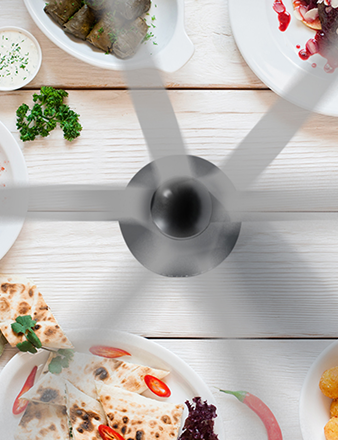
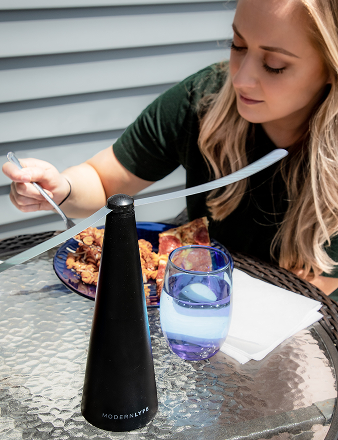
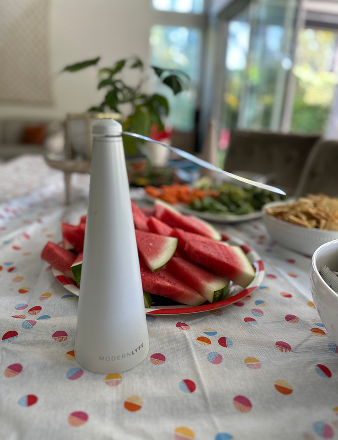
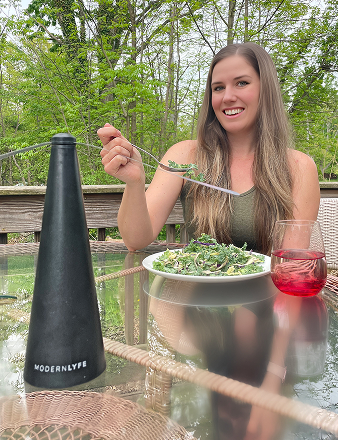
Meanwhile, a Modern Lyfe fly fan gives you instant, focused relief right on the dining table or buffet. Its soft, spinning blades create a gentle air current that flies can't navigate. This carves out a tangible, fly-free zone exactly where it counts, keeping food safe and guests happy in the moment.
The real magic is in the synergy. Neem oil lowers the overall pest pressure, which means your fly fans have a much easier job. In turn, the fans provide that immediate, physical shield that neem oil—by its nature—can't offer directly on food surfaces.
This flowchart breaks down how the layered strategy comes together, moving from the outer perimeter to the protected core.

As you can see, a complete defense starts broad, tightens into a barrier, and culminates in a secure zone where people can dine and relax in peace.
The Modern Solution for Flawless Hosting
For anyone serious about creating a perfect outdoor setting—from restaurateurs to home entertainers—this combined strategy is a game-changer. It tackles the pest problem from every angle, giving you both long-term population control and immediate, on-the-spot defense.
This method delivers total coverage without compromise:
- Background Control: Neem oil works on the wider environment, steadily reducing the number of flies over time.
- Immediate Protection: Fly fans create a safe, fly-free bubble right around your food and guests for an instantly pleasant experience.
- Food Safety: This layered system keeps repellents away from dining surfaces, which is critical for maintaining top-notch hygiene.
By integrating these two powerful tools, you move beyond just swatting flies and into sophisticated experience management. To see exactly how these devices work, check out our in-depth guide on the Modern Lyfe fly fan. This is how you ensure your outdoor space is remembered for the great atmosphere, not the annoying pests.
Smart Storage and Handling for Maximum Potency
To get the full benefit from your 100% neem oil, proper storage is as important as proper application. Think of it like a high-quality natural ingredient; its potency depends on keeping its active compounds intact. A few simple habits will ensure your neem oil is always ready when you need it.
The number one rule? Store it in a cool, dark place. Sunlight and heat are the enemies of neem oil. They degrade Azadirachtin and other key compounds, making the oil less effective. A pantry, a cabinet, or a spot in the garage away from direct light is perfect.
What to Look For on the Label
When buying neem oil, the label tells you a lot about its quality. Look for “100% Cold-Pressed.” This means the oil was extracted without heat, which is vital for preserving its beneficial compounds.
Another great sign of quality is an “OMRI Listed” seal. This certification from the Organic Materials Review Institute confirms the product is approved for organic use, a strong indicator of its purity.
Ever noticed your 100% neem oil turning solid? Don't worry, that's a good sign. When the temperature drops below about 70°F (21°C), the natural fatty acids in the oil cause it to thicken. This is completely normal and confirms you have a high-quality product.
If your neem oil solidifies, it's easy to liquefy:
- Place the sealed bottle in a bowl of warm water (not boiling).
- Let it sit for 10-15 minutes.
- Shake it quickly before measuring it for your mixture.
A sealed, unopened bottle of 100% neem oil will last one to two years if stored correctly. Once opened, try to use it within a year to ensure you're always getting the most powerful effects.
Your Questions About 100% Neem Oil, Answered
Even with a solid plan, a few questions always pop up. Let's tackle the most common ones about using 100% neem oil so you can move forward with confidence.
Is Neem Oil Spray Safe to Use Around Pets?
Yes, when used correctly. A properly diluted neem oil spray is generally considered safe for pet-friendly environments, as long as you apply it only to non-edible plants and outdoor surfaces. The golden rule is to never spray it directly on your animals.
Keep pets out of the treated area until the spray has completely dried. This simple step prevents them from licking any wet residue off leaves or patio furniture.
How Often Do I Need to Reapply the Spray?
Consistency is key. For the most effective barrier, reapply your diluted neem oil solution every 7 to 14 days.
If you get a heavy rain right after you’ve sprayed, you’ll want to reapply sooner, as rain will wash away the protective film. Sticking to a regular schedule is what keeps the repellent working.
This regular application ensures the active compounds are always present and doing their job.
Will Neem Oil Stain My Outdoor Furniture or Deck?
Since it’s an oil, 100% neem oil can potentially leave a mark on porous surfaces like unfinished wood, natural stone, or light-colored fabrics.
Always do a patch test first. Find a small, hidden spot, apply the spray, and let it dry for 24 hours. Check for any discoloration or sticky residue. This one tiny step can save you a major headache.
Can I Use Neem Oil Spray Indoors?
I would strongly advise against it. Neem oil has a very distinct, powerful smell—often described as a mix of garlic and nuts—that most people find unpleasant indoors.
For indoor fly issues, it’s much better to use solutions designed for interior spaces. This is where MODERN LYFE fly fans truly shine, offering immediate, silent protection without any chemicals or odors.
Ready to build a sophisticated, layered defense against flies? Pair your outdoor neem oil strategy with the immediate, table-side protection of a MODERN LYFE fan. Explore our collection and see how you can elevate your hosting experience.