A bottle labeled 100% peppermint oil means you're getting the pure, undiluted essence of the Mentha piperita plant. No synthetic additives, no carrier oils—just potent, concentrated oil. This purity is what gives it that powerful, crisp aroma.
What Pure Peppermint Oil Really Means
Think of it like fresh-squeezed orange juice versus orange-flavored soda. The first is pure and vibrant; the second is a watered-down imitation. In the same way, 100% peppermint oil delivers the full, unadulterated strength of the plant.
For anyone in hospitality, from patio restaurants to outdoor weddings, that direct-from-the-source purity is what counts. You need solutions that work every time.
It's All About the Menthol
The secret ingredient in peppermint oil is menthol, the natural compound behind its sharp, cooling scent. To insects like flies, that powerful aroma is overwhelming and acts as an effective deterrent.
It creates an invisible, fragrant shield around your space, masking the delicious smells of food and drinks that attract pests. By choosing 100% peppermint oil, you're guaranteeing the highest possible menthol content—which means the most potent and reliable repellent.
For those curious about other powerful plant-based oils, our guide on 100% neem oil is a great read for different applications.
Why Purity is a Big Deal in Hospitality
Today's guests are more conscious than ever about the products used around them. The demand for natural, chemical-free solutions is a massive movement in commercial spaces, and the market growth reflects that.
The global peppermint oil market was valued at around USD 270.5 million in 2023 and is expected to climb to USD 527.2 million by 2033. A huge driver is the growing consumer preference for organic, essential oil-based products, especially natural insect repellents for outdoor dining. You can see more data on the peppermint oil market growth at Market.us.
As a restaurant owner or event planner, opting for a pure product isn't just about effectiveness. It's about aligning your business with modern customer values: natural, safe, and pleasant environments. It’s a simple choice that meets both your operational needs and your guests' expectations.
Creating a Pest-Free Zone with 100% Peppermint Oil
Now that you know what makes 100% peppermint oil effective, let's put it to work. You can turn any space into a pest-free sanctuary with a few smart strategies, starting with your own natural repellent spray.
The magic comes from menthol, the oil's active compound. That sharp, minty fragrance overwhelms an insect's sensitive sense of smell, acting like an aromatic forcefield that masks food scents and sends pests flying elsewhere.
Mixing Your DIY Repellent Spray
Making a batch of this spray is surprisingly easy—and much more pleasant than using harsh chemicals. You only need three things: pure peppermint oil, water, and a drop of natural soap.
Here’s a simple recipe for a potent repellent:
- The Ratio: For every ounce of water, add 10-15 drops of 100% peppermint oil to a spray bottle.
- The Trick: Add one drop of natural liquid soap. Since oil and water don't mix, the soap acts as an emulsifier, helping the oil spread evenly through the water for a consistent mist.
- Shake It Up: Shake the bottle well before each use to ensure everything is blended.
This visual breaks down how the pure oil gets from the field into your bottle.

This straightforward process of harvesting, steam distilling, and collecting the pure essence guarantees the high menthol concentration needed to effectively keep pests at bay.
Strategic Application for Any Venue
How you spray is just as important as what you spray. The goal isn't to drench everything; it's to create a strategic perimeter that pests won't want to cross. Here are a few real-world examples:
- Restaurant Patios: Lightly mist table legs, the bases of patio umbrellas, and the outer edges of your dining area. Avoid spraying directly on tabletops where food will be served.
- Outdoor Weddings: A quick spray at the base of tent poles, along the perimeter of the dance floor, and around catering tables will keep guests focused on the celebration, not on swatting bugs.
- Food Trucks: Mist key entry points like the service window frame, near trash cans, and on the tires to create a barrier where pests tend to gather.
There's a reason North America accounted for over 35.4% of the global peppermint oil market in 2023. This stuff works. Studies show its menthol content can repel certain mosquito species by up to 70% and is highly effective against common houseflies. For a deeper dive, check out the latest peppermint oil market trends at Fact.MR.
The best defense is a layered one. While your peppermint oil spray creates a powerful aromatic shield, combining it with physical barriers creates an almost impenetrable pest-free zone.
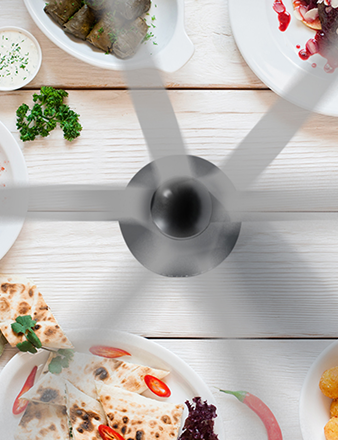
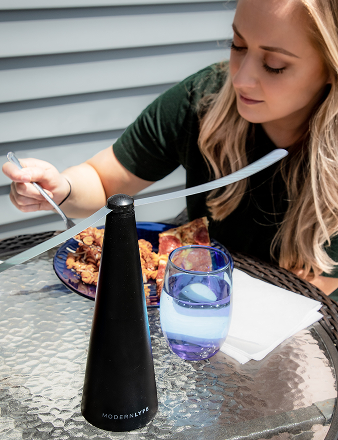
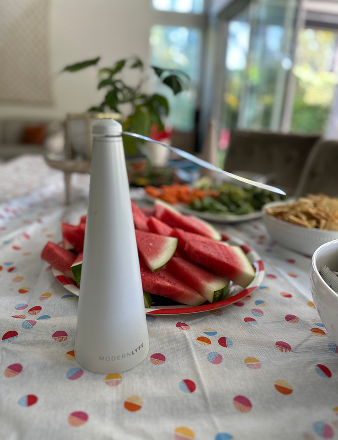
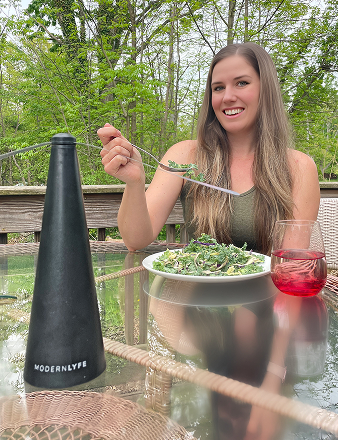
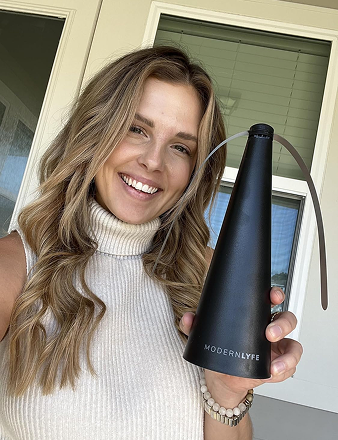
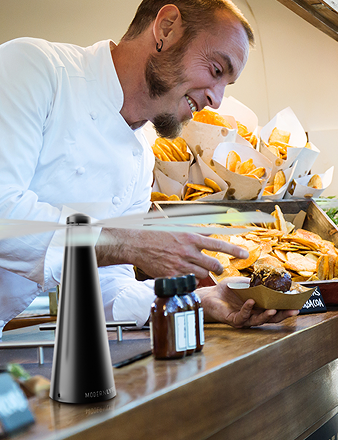
For instance, pairing your repellent spray with a physical deterrent dramatically increases your success. For more on this, check out our guide on modern fly fans, which offer a quiet and stylish way to create a physical air barrier against flying pests. By tackling the problem from two angles, you create a more comfortable experience for everyone.
Quick Dilution Guide for Peppermint Oil Repellent
Use this chart for safe and effective peppermint oil dilution ratios for common pest control applications.
| Application | Oil to Water Ratio | Mixing Tip | Best Use Case |
|---|---|---|---|
| General Fly Repellent | 10-15 drops per 1 oz of water | Add 1 drop of liquid soap to emulsify. | Patios, decks, and outdoor event perimeters. |
| Spider Deterrent | 5-10 drops per 1 oz of water | Spray on cotton balls and place in corners/crevices. | Basements, garages, window sills, and storage areas. |
| Ant Barrier | 15-20 drops per 1 oz of water | Spray directly along ant trails and entry points. | Kitchens, doorways, and foundation lines. |
| Mouse Repellent | 20-25 drops per 1 oz of water | Soak cotton balls and place where mice are suspected. | Pantries, attics, and behind appliances. |
These ratios are a starting point. Adjust them based on your pest issue and the size of the area you're treating. Always start with a lower concentration and increase if needed.
Using Peppermint Oil Safely Around Guests and Pets
When you're working with something as potent as 100% peppermint oil, safety is key. Its strength makes it a great pest repellent, but it also means you need to handle it carefully to keep guests, staff, and any visiting pets safe and happy.
The golden rule is: never apply pure, undiluted peppermint oil directly to the skin. It’s packed with menthol, which can easily cause irritation, redness, or a burning sensation, especially for those with sensitive skin. Always dilute it before it comes near people.

Best Practices for Guest Safety
Using a peppermint oil spray in a hospitality setting is all about smart application. The goal is a pest-free zone, not an overwhelming sensory experience.
-
Keep It Away From Food: This is non-negotiable. Aim your spray at table legs, tent poles, or the ground around a dining area. Never spray it directly onto tabletops, plates, or cutlery. For a deeper dive, check out these tips on how to prevent food contamination.
-
Ensure Good Airflow: Peppermint oil is best used in well-ventilated outdoor or semi-outdoor spaces. A light, fresh scent is ideal; a heavy aroma in a stuffy room is too much.
-
Train Your Team: Make sure every staff member who handles the repellent knows these guidelines. Consistent, correct application is both effective and responsible.
Important Precautions for Pets
Just because something is natural doesn't automatically make it safe for animals. Pets, especially cats and dogs, process essential oils differently than we do.
Crucial Pet Safety Tip: Never use 100% peppermint oil directly on a pet's skin or fur. The strong scent can irritate their respiratory systems, and licking it off can be toxic. Cats and small dogs are particularly sensitive.
For example, while peppermint oil may deter fleas, it's not a safe way to treat your dog. For pet-specific problems, use pet-specific solutions. A resource like A Pet Parent's Guide to Dog Shampoo for Fleas is a much better source for approved methods.
If you’re spraying a pet-friendly patio, make sure animals don't lick freshly treated surfaces. Let the spray settle and dry before letting them get close. Following these simple steps ensures a comfortable, pest-free environment that is safe for every guest, two-legged or four.
More Than a Repellent: Other Hospitality Uses
While 100% peppermint oil is a star player in pest control, that's just the beginning. Think of it as a secret weapon for elevating the entire guest experience. This versatile oil can help make your venue cleaner, more inviting, and truly memorable.
The magic is in its fresh, invigorating aroma. The same powerful scent that repels pests has a positive effect on people, who naturally associate it with cleanliness and energy—a perfect combination for setting the right tone.
By looking past the repellent and focusing on ambiance, you open up a world of new uses for one simple, budget-friendly ingredient.
Create an Inviting Atmosphere
You know that feeling when you walk into a space and it just smells clean and welcoming? That's the power of scent, one of the first things a guest registers. A little peppermint oil can completely transform the vibe of your entryway or common areas.
- Hotel Lobbies & Check-In Desks: A few drops in a commercial-grade diffuser can cut through stale air, creating a crisp, energizing atmosphere that helps guests feel refreshed after traveling.
- Event Registrations: For conferences or large gatherings, a subtle peppermint scent keeps the air feeling fresh and vibrant, even in a crowded room.
Scent branding is a powerful tool. An aroma like peppermint doesn't just smell good; it sends a message. It tells guests they're in a well-cared-for, professional space, which instantly boosts their perception of your brand.
This small touch is a remarkably inexpensive way to make a big impression.
Craft a Natural All-Purpose Cleaner
Put peppermint oil to work on your surfaces, too. It’s the key ingredient in a fantastic, natural cleaning spray that’s perfect for quick wipe-downs in guest-facing areas. It leaves behind a pleasant, fresh scent, not the harsh chemical smell of traditional cleaners.
Here’s a simple recipe for a multi-purpose cleaner:
- Combine Ingredients: In a 16 oz spray bottle, mix one part white vinegar and one part water.
- Add the Oil: Add 15-20 drops of 100% peppermint oil.
- Shake Well: Shake the bottle before each use to mix the oil in properly.
This DIY cleaner works wonders on non-porous surfaces like patio tables and bar tops. It cuts through grime and leaves a clean, uplifting fragrance that subtly enhances the guest experience.
How to Choose and Store High-Quality Peppermint Oil
Not all peppermint oil is created equal. To get the powerful, consistent results you need, you have to start with a high-quality product.
Think of it like choosing a great wine. The label tells a story, and a few key details can separate the good stuff from the imitations. Investing in pure 100% peppermint oil is the only way to get the potency you need for effective pest control and a crisp, clean aroma.

What to Look For on the Label
When you're trying to find a good oil, the label is your best friend. Ignore the flashy marketing and look for these specific details that signal a pure, high-grade product.
-
Purity Statement: Check for a clear statement like "100% Pure Peppermint Oil" or "100% Pure Essential Oil." If you see terms like "fragrance oil" or "perfume oil," put it back. Those are likely synthetic blends that won't repel pests.
-
Botanical Name: Look for the scientific name: Mentha piperita. This guarantees you’re getting true peppermint, not a less potent relative like spearmint.
-
Dark Glass Bottle: Essential oils are delicate, and light is their enemy. Reputable brands will package their oil in a dark-colored glass bottle—usually amber or cobalt blue—to protect it from degrading.
This same attention to detail applies to your equipment. Once you've invested in a quality oil, dispersing it effectively is key. To get the most out of it, it's worth learning about the best essential oil diffuser options on the market.
Proper Storage for Lasting Potency
Once you have a great bottle of peppermint oil, storing it correctly is crucial to keeping it potent. Exposure to air, heat, and light will cause it to degrade.
Storage Rule of Thumb: Cool, dark, and sealed. Always keep the cap screwed on tight and store the bottle in a cool, dark place like a cabinet, far away from direct sunlight and heat sources.
More hospitality pros are turning to natural solutions. The peppermint oil market is expected to reach USD 643.6 million by 2032, growing at a steady 6.7% each year. This trend makes it clear that investing in pure, effective essential oils is a smart business move.
By following these simple guidelines for buying and storing, you're not just buying a product; you're making a smart investment that will deliver powerful, lasting results.
Got Questions About Using Peppermint Oil? We’ve Got Answers.
When you’re running a busy venue, you need practical answers that work. Let's tackle the most common questions hospitality pros have about using 100% peppermint oil so you can use it with confidence.
Is Peppermint Oil Spray Safe to Use Around Food Service?
Yes, absolutely—as long as you’re smart about how you use it.
The key is indirect application. Never spray peppermint oil directly onto food, drinks, or any surface that food will touch, like a tabletop. Instead, create a protective perimeter.
- Spray the Structure, Not the Service Area: Lightly mist table legs, patio umbrella poles, and the ground surrounding your dining setup.
- Guard the Entrances: For indoor-outdoor spaces or food trucks, a quick spray around door and window frames helps keep pests out.
- Time it Right: Apply the spray a few minutes before guests arrive or food is served. This lets the mist settle and the aroma mellow into a pleasant background note.
By treating the environment itself, you build an effective bug-free bubble without compromising food safety.
How Often Should I Reapply the Spray Outdoors?
Outdoors, the staying power of your spray depends on the conditions. A strong breeze or intense heat will cause the scent to fade faster. Your goal is to maintain a consistent aromatic barrier.
Here’s a simple rule of thumb:
- On a Calm Day: Reapply every 1-2 hours.
- On a Windy or Hot Day: Refresh every 45-60 minutes to maintain its power.
The best way to know for sure? Walk through the area. If you can no longer catch the faint, fresh scent of mint, it’s time for another spritz.
Will Peppermint Oil Stain Fabrics?
It’s a valid concern, but when properly diluted, 100% peppermint oil is very unlikely to stain most common fabrics. The oil is so well-dispersed in the water that you aren't getting concentrated droplets on the material.
That said, it’s always better to be safe than sorry.
Before you go all-in, do a quick spot test. Find an inconspicuous area—the underside of a cushion or an inner seam—and spray a tiny amount. Let it dry completely and check for any discoloration.
This one-minute check gives you total peace of mind and protects your investment in high-quality linens.
Can I Put Peppermint Oil in Any Commercial Diffuser?
Using a diffuser is a great, hands-off way to keep your space fresh, but you can’t just use any model. In a commercial setting, the type of diffuser matters.
- Nebulizing Diffusers: These are the powerhouses. They atomize pure essential oil without water or heat, creating a potent aroma. They’re perfect for 100% peppermint oil, but you have to make sure the unit is designed for pure, undiluted oils.
- Ultrasonic Diffusers: These are more common. They use water and ultrasonic vibrations to create a fine mist. They work great with peppermint, but you'll be diluting the oil in the water reservoir, which is less concentrated.
The most important thing is to check the manufacturer's guide for your specific model. Some high-end commercial diffusers have strict rules about what you can run through them. A quick look at the manual will protect your equipment and ensure you’re operating safely.
Ready to create a more pleasant, pest-free environment for your guests? MODERN LYFE provides elegant and effective fly fan solutions that pair perfectly with natural repellents.
Explore our innovative fly fans and elevate your guest experience today!