A catering job rarely falls apart because of one dramatic mistake. More often, it slips because small logistics fail at the wrong time. The ice burns down too fast. The beverage station gets warm before dinner service. Raw ingredients and ready-to-serve items end up fighting for the same space. Then someone opens the lid every five minutes and the whole plan gets worse.
That’s why a 100 qt cooler matters more in hospitality than most buyers think. For an event pro, it isn’t just a big box for drinks. It’s overflow cold storage, transport insurance, a buffer between prep and service, and sometimes the only thing standing between safe food and a ruined setup.
In restaurants, catering, hotel events, and mobile vending, cooler decisions are operational decisions. You’re not choosing for a weekend picnic. You’re choosing for load-in speed, holding time, cleanup, sanitation, and whether your team can move the thing without losing time or patience.
Why Your Event Depends on the Right Large Cooler
A bad cooler choice shows up fast on event day.
You see it when trays have to be reshuffled because the interior shape wastes space. You see it when the drain leaks in the van. You see it when one staff member tries to drag a full cooler across gravel and gives up halfway to the tent.
For hospitality work, cooling is part of service. If the drinks are warm, guests notice. If perishables sit too long while staff hunt through melted ice, guests don’t see the problem, but they feel the effects in slower service and weaker presentation.
Where large coolers earn their keep
A 100 qt cooler makes sense when the event has one or more of these pressures:
- Long outdoor service windows where you can’t rely on indoor refrigeration nearby
- Remote load-in areas such as beaches, parks, farms, golf venues, or temporary patios
- Multiple cold zones where drinks, backup garnish, dairy, seafood, or desserts need separation
- High guest turnover that causes constant lid opening on smaller, overpacked coolers
The biggest mistake I see is treating a large cooler like a camping accessory. In catering, it’s a workflow tool. It has to survive rough transport, repeated opening, uneven surfaces, and quick resets between prep, holding, and breakdown.
Practical rule: If your cooler is too small, your team opens it more, digs deeper, and melts ice faster. If it’s too big for your actual load, you waste vehicle space and make transport harder than it needs to be.
Reputation rides on boring equipment
Clients remember the polished parts of an event. They don’t remember your cooler brand. But they absolutely remember watered-down drinks, soft canapés, or a buffet that looked tired too early.
That’s why experienced operators buy coolers backward from how casual buyers shop. They start with the job. Then they match the cooler to the timeline, menu, site conditions, and staff handling reality.
A 100 qt cooler is often the right call when the event is large enough that failure gets expensive, but not so infrastructure-heavy that you have built-in refrigeration everywhere. In that middle zone, portable cold storage does real business work.
Visualizing Capacity What Fits in a 100 Qt Cooler
Most buyers hear “100 quarts” and still can’t picture the load.
The more useful way to think about a 100 qt cooler is this. It’s large enough to support a serious event station, but it’s not a magic vault. Once you add ice correctly, usable product space drops fast.
A 100-quart cooler typically holds around 95 cans when packed using the standard two-thirds ice to one-third contents ratio, and a full load can weigh up to 200 pounds according to this cooler size guide.

Think in event loads, not quarts
For real service planning, translate the interior into jobs:
- Beverage backup cooler for canned soft drinks, bottled water, mixers, and bar fruit packed in bins
- Cold line support for dairy, sauces, prepped garnishes, and sealed deli containers
- Raw product transport for proteins or seafood that need secure separation from service items
- Wedding or buffet overflow where the cooler acts as the reset station behind the visible display
That’s why the can count alone can be misleading. If you buy based on the fantasy of filling every inch with product, you’ll underpack ice and overestimate hold time.
The packing rule that saves events
The two-thirds ice to one-third contents rule sounds conservative until you work a hot outdoor event. Then it feels realistic.
Why it works:
- Ice isn’t just chilling the contents. It’s also fighting every lid opening and every blast of warm air during service.
- Crowded coolers become messy coolers. Staff start moving things around just to reach one item.
- Meltwater management gets harder when containers aren’t stacked with intention.
For hospitality jobs, I’d rather see one cooler dedicated to beverages and one dedicated to food than one overloaded “everything” cooler. Separation cuts search time, supports safer handling, and keeps the lid open for fewer seconds at a time.
A 100 qt cooler works best when you assign it a role before you load it. Drinks. Raw product. Garnish and dairy. Backup desserts. Mixed use is where packing plans fall apart.
What usually fits in practice
Instead of forcing exact pan counts that vary by brand and shape, use these planning cues:
| Use case | What it feels like in service |
|---|---|
| Drinks station backup | Enough cold reserve to keep a self-serve or bar station going without constant restocks |
| Small buffet support | Room for sealed containers, extra ice, and a controlled rotation of cold items |
| Food truck weekend prep | Useful for overflow cold holding when onboard refrigeration is tight |
| Backyard or patio event | Big enough for serious hosting, but heavy enough that placement matters before filling |
If you host mixed-format outdoor setups, it also helps to think beyond the cooler itself. Small organization pieces matter. Bins, sealed tubs, and serving accessories do more for workflow than buyers expect. Modern setup details like those in these accessories for picnic layouts often translate surprisingly well to catered service because the same rule applies: faster access means less lid time.
The Science of Cold Roto-Molded vs Injection-Molded
Not all 100 qt coolers are built for the same kind of work.
This is the split that matters most. Roto-molded coolers are made for long hold times, rough handling, and repeated outdoor use. Injection-molded coolers are usually lighter, cheaper, and easier to live with when the job doesn’t demand maximum insulation.

What the construction changes
Premium 100 qt roto-molded coolers have one-piece walls that are typically 2 to 3 inches thick and can retain ice for up to 10 days, while typical injection-molded models have thinner walls and retain ice for around 5 days, according to the product data and comparison details on this Grizzly cooler listing.
That difference matters when your event runs long, your site is hot, or your team can’t keep buying fresh ice.
When roto-molded earns the extra cost
A roto-molded model makes sense if you regularly deal with:
- Outdoor weddings and all-day receptions
- Fishing lodges, ranch events, and remote venues
- Multi-day service support
- Rough truck loading and uneven ground
- Menus with higher spoilage risk, especially seafood, dairy, or premium proteins
The thicker walls and tighter construction buy you time. In catering, time is usually what you’re paying for. Time before the next ice run. Time before product quality drops. Time before your setup becomes reactive instead of controlled.
Buy roto-molded when replacement ice is inconvenient, distance is long, or menu value is high. Buy injection-molded when the venue is close, the event is shorter, and turnover is fast.
When injection-molded is still the smarter buy
Plenty of operators overspend here.
If your restaurant is sending beverages to a patio event a few minutes away, or your team can reload from a nearby kitchen, a good injection-molded 100 qt cooler can be enough. It’s often easier to move, easier to store, and less painful to replace if it gets beaten up.
That’s the trade-off. Premium insulation saves stress, but only if your operating conditions need it.
The parts that separate good from annoying
When comparing models, don’t stop at “ice retention.” Check these details:
- Lid gasket quality because warm air sneaks in fastest around weak seals
- Latch design because a loose-closing lid ruins the value of thick insulation
- Wall feel and rigidity because flex often signals cheaper construction
- Drain placement because awkward draining turns breakdown into a mess
- Hardware replaceability because handles and latches take abuse first
The best 100 qt cooler for a caterer isn’t always the most expensive one. It’s the one whose build quality matches the event style you run.
Mobility and Draining Features That Matter for Professionals
A large cooler can hold the right load and still be the wrong tool if your team hates moving it.
That’s the difference between shopping by specs and shopping by workflow. Once a cooler is packed for service, the issue isn’t abstract capacity. The issue is whether it can get from van to prep zone to service line without slowing everybody down.
Wheels, handles, and venue reality
If your jobs involve parking lots, paved paths, hotel corridors, or stadium-style service routes, wheels help. If your jobs involve grass, gravel, sand, docks, or stairs, wheels can become dead weight.
I usually break mobility down like this:
| Feature | Best use | Common problem |
|---|---|---|
| Built-in wheels | Long paved transport | Awkward on rough terrain |
| Side rope handles | Team lift into vans or onto tables | Less comfortable under heavy load |
| Molded rigid handles | Better grip and control | Can add bulk during storage |
| Non-slip feet | Keeps cooler from shifting in transit | Often overlooked until the van floor gets slick |
The mistake many buyers make is assuming wheels are always better. They’re better only when the route supports them. On garden weddings and tented events, a sturdy cooler with good side handles often beats a wheeled model that digs into soft ground.
Drainage matters more after midnight
At the end of service, nobody wants to wrestle meltwater.
Drain design decides whether breakdown is quick or irritating. A weak drain plug is the sort of detail buyers ignore in a showroom and complain about after the third event.
Look for practical basics:
- Wide, easy-to-turn drain plugs that don’t require tools
- Leak-resistant seals so the cooler doesn’t drip in the vehicle
- Low drain placement so water exits cleanly without tipping the entire body
- Tethered caps or secure hardware because small missing parts kill usability
The best drain is the one staff can open with wet hands, in low light, when they’re tired and trying to close out fast.
What works in real event flow
Professionals benefit from a few habits that matter more than brand language:
- Stage the cooler before filling. Once loaded, relocating it gets much harder.
- Use liners or bins inside. That keeps product grouped and speeds access.
- Don’t count on one person. If the cooler will be heavily loaded, plan a two-person move.
- Test the drain at home or in prep. A surprise leak in the van is a bad lesson.
Mobility features don’t sound glamorous, but they often determine whether your 100 qt cooler feels like equipment or like a problem.
Beyond Ice Food Safety and Hygiene for Outdoor Setups
Cooling alone doesn’t make an outdoor setup safe.
A 100 qt cooler can protect product temperature, but it can’t fix poor handling, bad separation, dirty interiors, or open-air exposure around the service line. In hospitality, the cooler is only one part of the chain.

Clean coolers protect more than temperature
The interior has to stay neutral, odor-free, and easy to reset between jobs. If yesterday’s seafood cooler becomes today’s dessert backup without a proper cleaning process, you’re asking for trouble.
Good cooler hygiene usually means:
- Separate roles when possible for raw items, beverages, and ready-to-serve food
- Sealed containers inside the cooler instead of loose product in direct contact with ice water
- Full drying after cleaning so mold and odor don’t build up in the lid gasket or drain area
- A loading order that matches service order so the lid isn’t open while staff search
For broader operating standards, this guide to food safety restaurant guidelines is useful because cooler discipline works best when it matches the rest of your handling system.
The outdoor problem most cooler guides skip
Many cooler guides obsess over insulation and ignore pests. That’s a miss for real hospitality work.
A key gap in cooler coverage is pest management for outdoor hospitality, and the issue matters because open-air contamination is a meaningful spoilage risk. The Caddis Sports material notes that some brands mention catering use cases but don’t address keeping food fly-free, while also citing that USDA reports suggest 20 to 30 percent of food spoilage risk comes from contamination at open-air events in that context on the Ark Series product page.
That tracks with what operators already know. The cooler may hold backup food correctly, but the danger often starts once items move from storage to a buffet, garnish station, carving table, or dessert spread.
Build a cold chain, not just a cold box
Think of your outdoor setup as layers:
- Cold holding in the cooler
- Fast transfer to service
- Covered or protected display
- Pest control around exposed food
- Clean return or discard procedures
If one layer breaks, the rest of the system has to work harder.
Here’s a useful visual reference for outdoor food handling and setup flow:
Where fly control fits
Flies don’t care that your cooler is premium. They care that your buffet is open.
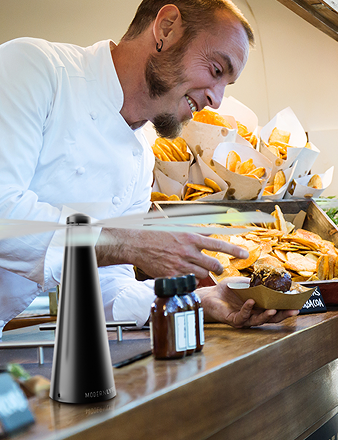
That’s why event pros should think beyond ice life. If food will spend time on serving lines, bar tops, outdoor dessert tables, or patio stations, insect deterrence belongs in the same planning conversation as insulation, serving covers, and replenishment timing.
Cold storage protects the product before service. Pest control protects it during service. You need both if the setup is outdoors.
For caterers, this is one of the clearest differences between recreational cooler buying and professional cooler buying. A guest-facing environment needs hygiene planning, not just hold-time bragging rights.
Matching the Cooler to Your Business Use Cases
The right 100 qt cooler depends less on the cooler itself and more on how your business moves.
A catering company, a food truck, and a restaurant patio team can all need a 100 qt cooler for different reasons. If you buy for the wrong use case, you’ll either overpay for features you don’t need or fight a bad fit every weekend.

Caterers and event teams
For full-service catering, the passive ice cooler still makes the most sense in many situations.
Why? It’s simple. No power dependency, no cable management, no battery anxiety. If your staff handles weddings, private estates, festival tents, and off-site corporate events, a rugged ice-based model usually gives the most flexibility.
It’s especially useful when the load-in route is unpredictable or the event footprint spreads across multiple stations.
Food trucks and mobile vendors
The electric option presents an interesting advantage.
For mobile vendors, 100 qt electric coolers are emerging as an alternative to traditional ice-based units because they offer consistent temperature control without ice refills and can be up to 30 percent lighter, though buyers still lack clear guidance on power draw and runtime according to the Buffalo Kuda electric cooler product information.
That trade-off is real. You gain more predictable cooling and lose some of the simplicity of a passive cooler. For food trucks, that can be worth it if your onboard power setup is reliable and you need stable temperature management more than brute insulation.
Restaurant patios, resorts, and temporary bars
These teams often sit in the middle.
A restaurant with a seasonal patio bar may not need extreme expedition-grade construction. But it does need a cooler that looks presentable, drains cleanly, and can support service without constant runs back to the kitchen. Hotels and resorts often care about appearance as much as function, so hardware quality, exterior finish, and placement matter more than they do at rough-field events.
If you manage festival service, staffing, or temporary beverage points, it’s worth reviewing broader event logistics resources too. A practical example is this hospitality manager's guide to taste festivals, which helps frame how infrastructure, traffic flow, and temporary service demands affect equipment choices.
A simple matching framework
Use this when narrowing the field:
- Choose passive ice-based if your jobs are remote, power is uncertain, or the cooler gets tossed into varied environments.
- Choose premium roto-molded passive models if your menu is high value and replacement ice is inconvenient.
- Choose electric if vehicle power is dependable and your operation values set-it-and-monitor-it consistency.
- Choose lighter, simpler builds if staff moves the cooler often and the venue is close to refrigeration backup.
The best buying decision usually comes from being honest about your weakest point. For one business, that’s heat. For another, it’s transport. For another, it’s power access.
The Ultimate 100 Qt Cooler Selection Checklist
When you’re down to a few models, stop reading marketing copy and run a quick operational check.
The best 100 qt cooler for hospitality is the one that fits your route, your menu, your team, and your cleanup routine. If you can’t answer those four pieces clearly, you’re still shopping too early.
Buy with the job in mind
Here’s a simple checklist to use in-store or while comparing listings online.
| Consideration | Key Question | Your Priority (Low/Med/High) |
|---|---|---|
| Capacity | Does this cooler fit your actual event load without forcing unsafe or messy packing? | |
| Vehicle fit | Will it load cleanly into your van, truck, trailer, or service vehicle? | |
| Insulation level | Do you need maximum hold time or just reliable short-event performance? | |
| Construction | Will this body and hardware survive repeated commercial handling? | |
| Mobility | Can your staff move it safely when fully loaded? | |
| Drainage | Can it be emptied quickly and cleanly after service? | |
| Cleaning | Is the interior easy to sanitize, dry, and reset for the next event? | |
| Pest-aware setup | Does your wider service plan protect food once it leaves the cooler? | |
| Power needs | If electric, do you actually have dependable power on the job? | |
| Cost control | Are you paying for features your event style will really use? |
Two smart final checks
Before buying, I’d also do these:
- Read dimensions before anything else. A great cooler that doesn’t fit your vehicle or storage space becomes dead inventory.
- Map the full cold setup. The cooler is one piece. Water, ice, bins, serving covers, and station layout matter too. For operators building or refreshing their loadout, a broader catering equipment checklist helps catch the small items that usually get missed.
And if your event setup also includes guest hydration stations or back-of-house beverage support, it can be useful to compare portable cold storage with fixed service equipment like a commercial drinking water cooler chiller. They solve different problems, but looking at both can sharpen your buying priorities.
A 100 qt cooler is a serious piece of kit. Buy it like you’ll be the one loading it at dawn and draining it after a long service. That mindset usually leads to the right model.
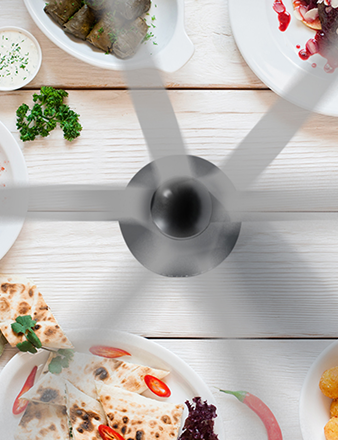
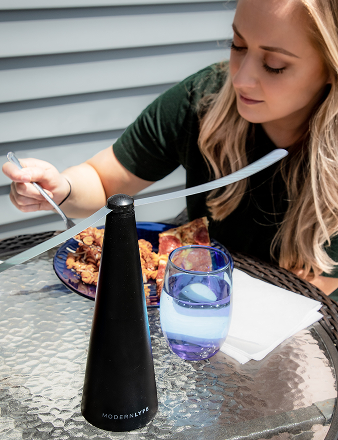
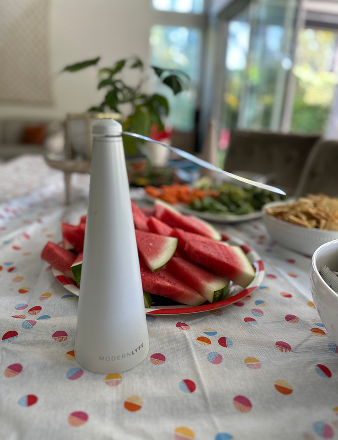
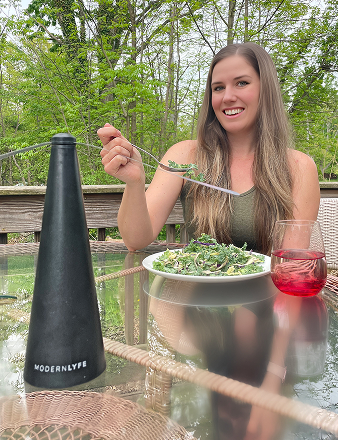
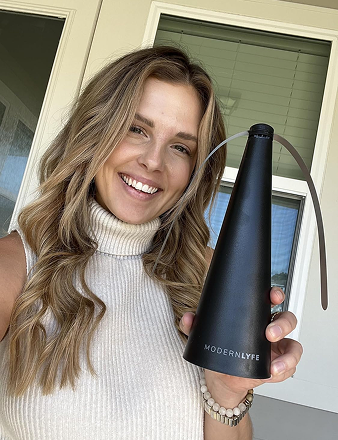
If you’re building a cleaner outdoor service setup, MODERN LYFE offers fly fan solutions that help protect food presentation and guest comfort at patios, buffets, catering lines, and outdoor events. It’s a practical next step when your cooling plan is solid and you want the rest of the setup to work just as hard.