A crowd is already forming. The rental tables are in place, the burner is set, coolers are packed, and someone has just asked the question that decides whether service feels smooth or frantic: do you have enough pot capacity to cook this menu in one serious batch, or are you about to juggle too many smaller vessels at once?
That’s where a 100 qt pot stops being just cookware and starts acting like a production tool. For seafood boils, stock work, soups, chili, corn, potatoes, and other large-format cooking, it gives you one central vessel that can anchor the whole operation. Instead of splitting product between multiple pots, managing uneven cook times, and creating extra transfer steps, you build the workflow around one controlled batch.
For kitchen managers, caterers, and event planners, that changes more than output. It affects labor, timing, holding, sanitation, transport, and cleanup. If you’re planning an outdoor reception, a hotel banquet support station, a company cookout, or a large family boil, the right pot choice helps the rest of the system work better.
Your Solution for Feeding a Crowd
The pressure usually shows up before the cooking starts. You have seafood on ice, sausage staged, potatoes washed, corn ready to drop, and a serving window that won’t move. If you try to run that event with undersized equipment, the whole day gets fragmented. One batch runs late. Another overcooks while guests wait. Staff start improvising.
A 100 qt pot solves that problem by consolidating production. It gives you one large cooking vessel for the core boil or batch prep, which means fewer moving parts and fewer opportunities for mistakes. That matters whether you’re feeding wedding guests in a field kitchen or running an outdoor seafood station behind a restaurant.

The other benefit is operational clarity. Once the pot size matches the event, you can plan burner setup, ingredient staging, basket use, draining, and buffet flow with much less guesswork. That’s also when table layout starts to matter, especially if guests are serving themselves from hot holding pans or buffet inserts. A practical reference for that side of service is this guide on how to set up buffet tables.
Practical rule: When a crowd is large enough that batch timing affects the guest experience, pot size is no longer a kitchen detail. It’s an event-planning decision.
People often shop for a 100 qt pot by staring at product photos and price tags. That’s the wrong starting point. First decide what you need the pot to do in real service. Then choose the construction and features that support that job.
The 100-Quart Advantage and What It Really Holds
A 100 qt pot starts to make sense the moment you stop reading the label as a volume spec and start reading it as a production limit. Kitchen managers plan in portions, proteins, liquid levels, burner recovery, and labor. Event planners feel it in line speed, refill timing, and how long the station stays under control once service starts.
In raw volume, 100 quarts equals about 25 gallons, as noted earlier in the article. The working capacity is lower in real service. You need room for water movement, basket displacement, added ingredients, and safe lifting. Filling to the top turns a useful tool into a spill hazard.

Capacity you can picture
Earlier capacity guidance in this article gives a practical frame for what this size can handle, including:
- 50 pounds of crawfish
- 5 dozen crabs
- 50 pounds of shrimp
- 10 whole lobsters
Those numbers matter because purchasing and prep happen before the burner ever lights. If one pot can carry the primary seafood batch, you can simplify ingredient staging, assign one lead cook to that station, and reduce the handoff points where quality slips. If the menu pushes beyond that load, you know you are planning a two-pot system, not hoping one vessel will somehow stretch.
Why this matters for operations
The advantage is not just that the pot is big. The advantage is that it lets the rest of the operation stay organized.
One correctly sized vessel can anchor the whole production line. Raw product lands at prep, seasoning gets staged once, the burner setup stays clear, the drain path stays predictable, and hot product moves into pans or trays without staff crossing each other. For outdoor events, that control matters as much as cooking capacity because open ground, portable burners, and temporary hand-wash setups leave less room for recovery when the station gets messy.
I have seen large events run behind schedule because the pot size forced extra batches. The cooking itself was fine. Losses appeared in waiting guests, overworked staff, and food sitting too long between boil, drain, and service. A 100 qt pot helps protect margin because it cuts unnecessary handling.
It also gives you range. In a commissary or restaurant kitchen, this size works for stock, broth, soup, and blanching prep. At an outdoor boil, the same pot becomes the center of a live production station. That flexibility is useful, but only if the team respects the weight, heat, and sanitation demands that come with large-volume cooking.
A 100 qt pot is not just a container. It is the center point for batch size, labor flow, safe handling, and service timing.
Large-volume planning follows the same logic used in other equipment categories. Paper capacity and working capacity are rarely identical. That is one reason operational lessons from installation and maintenance of RV water tanks carry over better than people expect. Once volume gets high, access, fill limits, cleaning, transport, and maintenance start affecting performance as much as size.
What a 100 qt pot is best at
A pot this size earns space in your operation when the menu and service model demand scale with control:
- Bulk boiling: Seafood, corn, potatoes, sausage, and peanuts cook more consistently when one large vessel carries the main batch.
- Large-batch liquid prep: Stocks, soups, and broths benefit from the depth and surface area needed for steady simmering.
- Outdoor event production: Fewer active pots mean a cleaner footprint around the burner and less staff traffic in a high-risk hot zone.
- Hybrid use: The same vessel can support indoor prep and on-site finishing if the build quality matches both jobs.
A 100 qt pot will not correct weak burners, poor drain setup, or bad station design. It performs best inside a system that accounts for heat source, lifting method, transfer path, holding equipment, and cleanup from the start.
Material Showdown Aluminum Versus Stainless Steel
A 100 qt pot changes character based on material. The wrong choice slows service, creates cleanup headaches, and makes staff work harder than necessary. The right one supports the whole production line, from burner performance to safe draining to post-event washdown.

Aluminum for speed and outdoor turnover
Aluminum suits operators who need fast heat response and quick batch recovery. Seafood boils, corn, potatoes, and festival cooking all benefit from a pot that gets back to temperature quickly after a heavy ingredient drop. In outdoor service, that speed affects ticket timing, holding capacity, and how long guests stand in line.
Material science supports that advantage. Aluminum has much higher thermal conductivity than stainless steel, so heat moves through the vessel faster and responds more quickly to burner changes. That makes aluminum a practical fit for propane setups where output is strong but conditions are less controlled.
There is a trade-off. Aluminum shows wear sooner. It can discolor, scratch, and lose some of its visual appeal after repeated transport and hard outdoor use. For many caterers, that cosmetic wear is acceptable because the pot is part of a production system, not a display piece.
Stainless steel for control, compatibility, and cleaner presentation
Stainless steel earns its keep in kitchens that need one pot to cover several jobs. It gives you a non-reactive cooking surface, a more polished appearance, and better compatibility with a wider range of indoor cooking environments. That matters for soup production, stock work, and venues where the pot may move from prep to service support without leaving the building.
The better stainless option is a body paired with an aluminum-clad base, not thin single-wall stainless. A clad bottom spreads heat more evenly across the base, which helps reduce scorching in long simmers and large-volume liquid cooking. The Vigor SS1 Series 100 qt stock pot shows the kind of build buyers should look for in this category.
Stainless also tends to hold its professional appearance longer. For hotel kitchens, banquet operations, and open-prep environments, that matters.
The real trade-offs in service
Buyers often focus on heat alone. Daily handling matters just as much.
| Material choice | Best fit | Main limitation |
|---|---|---|
| Heavy-gauge aluminum | Outdoor boils, mobile catering, high-turnover batch cooking | More cosmetic wear, less refined appearance |
| Stainless with aluminum-clad bottom | Stocks, soups, mixed-use commercial kitchens, cleaner presentation | Higher cost, more weight |
| Thin single-layer stainless | Light-duty or budget purchase | Uneven heating in large batches |
Weight changes labor. A heavier stainless pot can feel more stable on the burner, but it is harder to move safely when wet, hot, or partially filled. Aluminum is easier to handle, which helps during event breakdown when staff are tired and working around hoses, cambros, and transport carts.
Abuse tolerance matters too. Outdoor gear gets stacked, knocked into trailer rails, and set down on rough surfaces. Thick walls, solid rivets, and handles with enough clearance for gloved hands usually matter more than finish quality. If you are still building your event setup, a practical catering equipment checklist for outdoor and high-volume service helps you evaluate the pot as part of the full station, not as a standalone item.
Here’s a look at the type of equipment context many buyers consider before choosing material:
Which one fits your operation
Choose aluminum if your priority is speed, fast recovery, and frequent outdoor use. Choose stainless with a clad base if you need cleaner heat behavior, broader menu flexibility, and a pot that looks at home in a polished kitchen. Buyers comparing brands across commercial ranges can also review Quality cookware for NZ for a broader sense of construction styles and finish levels.
My rule in catering is simple. If the pot spends more time over propane at events than on an indoor line, aluminum usually gives better returns. If it spends more time simmering stock, holding appearance standards, and serving multiple kitchen roles, stainless is usually the safer investment.
Your Complete 100 Qt Pot Buying Checklist
A 100 qt pot earns its keep when it supports the whole production line. In a high-volume kitchen or outdoor service setup, the wrong pot slows prep, creates handling risks, and adds cleaning friction at the end of the shift. The right one keeps burners, staff, and service timing working together.
Start with the job the pot will do
Buy based on menu and service method first. A pot used for crawfish boils, corn, potatoes, and fast batch cooking has different demands than one used for stock, chili, or soup production.
Heavy aluminum usually makes sense when speed and recovery matter most, especially over propane. Stainless with a clad base usually makes more sense when you need steadier simmering, a wider menu range, and a vessel that can move between prep, cooking, and holding roles without surprises.
Then look at how the pot fits the rest of the station. A 100 qt pot is not a one-piece purchase. It works inside a larger system that includes the burner, basket, landing area, sheet pans or hotel pans, towels, gloves, carts, and wash space.
Inspect the parts that affect real service
Catalog photos do not tell you much. Construction details do.
Check these points before you buy:
- Handles: Look for wide, firmly riveted handles with enough clearance for gloved hands. Tight handle space becomes a problem fast around steam and boiling liquid.
- Lid fit: A loose lid wastes heat and slows boil recovery. It also sends more steam into the work zone.
- Wall and rim stiffness: A large pot gets dragged, bumped, and stacked. Thin walls and soft rims go out of round sooner, and lids stop fitting correctly.
- Basket options: A matching basket changes labor flow. It lets staff lift product out, drain cleanly, and keep the pot in place.
- Base compatibility: Match the bottom to your heat source. Some pots are built for gas and propane use only, while others are better suited to broader commercial kitchen use.
- NSF status: In many operations, this affects approval, inspection, and purchasing consistency.
One small detail I always check is how the pot sits when empty. If it rocks even slightly on a flat surface, I move on.
Ask purchasing questions that protect workflow
A big pot can look like a bargain and still cost you money in labor, damaged product, and slower turnover. Ask these questions before you place the order:
- Will this pot stay on one burner most of its life, or travel between kitchen, trailer, and event site?
- Will your team lift food out with a basket, or try to move the full pot?
- Does your menu require hard boiling, gentle simmering, or both?
- Can you replace the lid or add accessories later without changing brands?
- Will the finish and material hold up to your cleaning chemicals and storage habits?
Those answers tell you more than a product title ever will.
If you are comparing suppliers across regions, Quality cookware for NZ gives a useful view of how commercial pots are grouped by kitchen use, material, and format rather than by marketing language.
Buy the pot as part of an operating plan
New buyers often focus on capacity and miss the support gear. A 100 qt pot affects staging, draining, transport, holding, and cleanup. That is why I prefer to map the purchase against a full catering equipment checklist for outdoor and high-volume service before committing to a model.
A cheaper pot that dents easily, lacks basket support, or fights your cleanup routine can erase its savings in a few events. Buy the pot your crew can run safely, clean fast, and keep in service all season.
Mastering Usage Safety and Workflow
Owning a 100 qt pot is one thing. Running it well is another. Large-format cookware punishes sloppy habits fast. The pot is heavy, the liquid is hot, the burner is powerful, and the work area gets crowded. Good workflow keeps the day controlled.
Set the station before you light the burner
The pot should go on a stable surface with enough clearance around the burner for safe access. Don’t build the station where guests or delivery staff will cut through. Keep ingredients staged in drop order, and make sure your drain path is obvious before the first batch goes in.
A common mistake is treating the pot as a standalone object. It isn’t. It’s the center of a station that includes prep tables, sheet trays, towels, gloves, baskets, tongs, landing space for hot product, and a route to service.

Move less weight, not more
A fully loaded pot is not something you want staff lifting casually. If the workflow requires moving cooked product, it’s usually smarter to lift a basket, portion into hotel pans, or use a cart rather than shift the entire vessel.
Use these habits every time:
- Team-lift loaded components: Don’t rely on one person to muscle a heavy basket or shift a hot pot.
- Keep the landing zone clear: Have one obvious place for the basket, lid, or receiving pan.
- Control the lid: A large lid gets awkward fast. Assign who removes it and where it goes.
- Treat the path like a hot line: No guests, no children, no unnecessary crossing traffic.
Manage heat with intent
Big pots need disciplined heat management. Too much heat and you get violent boiling, wasted energy, and messy starchy overflow from potatoes or corn. Too little heat and the recovery time drags.
When cooking outdoors, wind matters. So does burner quality. A strong burner can rescue throughput, but it can also magnify small errors. Dial the heat to the product and the phase of cooking. You don’t need a rolling boil every minute of the job.
Fast boiling looks productive. Controlled boiling usually is productive.
Protect food after the cooking stops
Many pot guides often fall short in this area. They talk about dimensions, metals, and boil speed, then ignore the sanitation reality of outdoor service. The verified data is direct on this point: most guides overlook food safety during outdoor use, even though open 100 qt pots and large-batch service setups are vulnerable to insects and contaminants, as noted in this product context on outdoor seafood stockpot use.
That vulnerability shows up the moment food leaves the active cooking phase. Once product is drained, panned, or held on a buffet, it needs protection from the environment. Airborne debris, bugs, and repeated guest exposure can undo careful kitchen work.
Build hygiene into the workflow
For outdoor service, I’d treat these as standard practice:
- Cover whenever possible: Lid on the pot during holding gaps, covers on receiving pans, and shields on buffet items.
- Shorten open exposure: Don’t drain food early just because the crowd is coming. Drain on schedule.
- Separate cook zone from guest zone: The closer guests get to active production, the harder sanitation becomes.
- Plan food protection at the buffet: Your service line needs the same level of thought as the cook line.
If you need a practical refresher on broader service standards, these food safety guidelines for restaurants are worth reviewing before a large event.
Professionals know this already: guests notice hygiene even when they can’t describe it. A clean, protected service setup earns confidence. An exposed one creates doubt fast.
Cleaning and Long-Term Maintenance Guide
A 100 qt pot is too large and too useful to neglect. If you clean it lazily, store it wet, or ignore loose hardware, you shorten its working life and make future service harder than it needs to be.
Clean by material, not by habit
Aluminum and stainless steel don’t want the exact same treatment. Aluminum should be washed gently and dried well. Harsh cleaning habits can leave the finish looking rough and worn before the pot is worn out. Stainless is more forgiving cosmetically, but burnt-on residue at the base still needs prompt attention if you want consistent performance.
For both materials, the routine is simple:
- Let the pot cool to a safe handling temperature.
- Empty completely and remove solids before washing.
- Use warm water, a non-abrasive scrubber, and a mild detergent.
- Rinse thoroughly so soap doesn’t linger in seams or around rivets.
- Dry fully before storage.
Pay attention to the bottom, rim, and handles
These areas tell you how the pot is aging. The bottom shows whether your burner setup is too aggressive or uneven. The rim shows whether the pot is being banged around in transport. The handles and rivets show whether the pot is still safe to move.
Check for these signs after heavy use:
- Handle movement: Any looseness needs attention before the next event.
- Warping or rocking: A pot that won’t sit properly becomes harder to heat evenly.
- Stubborn residue on the base: This usually points to heat control issues, not just cleaning issues.
- Storage damage: Dents, scratches, and stacked pressure marks often happen off the burner, not on it.
A large pot usually doesn’t fail all at once. It starts by getting harder to trust.
Store it like a piece of working equipment
Don’t shove a 100 qt pot into a damp corner behind unused chafers. Store it dry, with the lid placed so air can circulate if the pot won’t be used right away. If you keep accessories like baskets or inserts inside it, make sure they’re dry too.
For operators with trailers, garages, or overflow storage rooms, the rule is simple: protect the pot from unnecessary impact and trapped moisture. The finish matters less than structural reliability. A scuffed pot can still perform. A neglected pot becomes a safety issue.
The Centerpiece of Your Culinary Operation
A 100 qt pot earns its place when volume, timing, and consistency all matter at once. It handles the kind of production that smaller cookware turns into a juggling act. That’s why experienced caterers and kitchen managers don’t treat it like a novelty purchase. They treat it like infrastructure.
The right pot helps you cook in fewer batches, manage service more cleanly, and build a workflow your team can repeat under pressure. The wrong one creates friction. It heats unevenly, moves awkwardly, cleans poorly, or doesn’t match the burner and menu you use.
That’s the value of buying carefully. You’re not just choosing metal and capacity. You’re choosing how your operation behaves when the line forms, the food needs to move, and guests expect the event to feel easy.
For a restaurant, hotel, caterer, or serious host, a well-chosen 100 qt pot is not an expense you regret. It’s the piece of equipment that makes large-scale cooking feel organized, professional, and profitable.
Frequently Asked Questions About 100 Qt Pots
Can I deep fry in a 100 qt aluminum pot
You can, but whether you should depends on control, experience, and setup discipline. A pot this large can handle serious volume, but frying introduces different risks than boiling. Oil management, recovery behavior, safe lowering methods, and protected surroundings all matter more.
For occasional outdoor frying, many operators prefer aluminum because it heats quickly and responds well on high-output burners. The key is not to overload the pot, not to crowd the station, and not to improvise with unstable setups. If your team doesn’t already have strong fryer habits, a 100 qt pot is not the place to learn casually.
What kind of burner works best with a 100 qt pot
Match the burner to the job. Seafood boils and outdoor high-volume work need a burner with enough output to heat a large mass of water and recover after ingredient drops. Stock and soup work can tolerate a gentler, steadier setup if you’re prioritizing simmer control over aggressive boil speed.
More burner isn’t automatically better. An oversized burner used carelessly can cause scorched bottoms, boil-overs, and wasted fuel. Choose a stable unit that supports the pot’s footprint well and lets you control heat precisely.
Is a basket worth it
For many buyers, yes. A basket changes the workflow from “move the pot” to “lift the contents.” That’s a major difference in safety and speed. It’s especially useful for seafood, potatoes, corn, peanuts, and any batch you need to drain quickly and consistently.
Without a basket, staff often improvise with colanders, scoops, or awkward partial pours. That slows service and creates more risk around hot liquid.
How do I scale a small recipe into a 100 qt pot
Don’t scale by instinct. Scale by ratio, test batch behavior, and ingredient timing. Large pots don’t just make more food. They change heat penetration, salt perception, evaporation behavior, and stirring patterns.
When converting a small-batch recipe:
- Keep the original ratios intact before making flavor adjustments.
- Stage ingredients by cook time so delicate items don’t sit too long.
- Taste later than you think because large liquid volumes can mask seasoning early.
- Write down the batch once it works. Don’t rely on memory for large-event production.
Is stainless or aluminum better for soup and stock
If your main use is soup and stock, stainless with a clad bottom is often the more forgiving choice because it manages hot spots better than thin single-layer construction. If your main use is fast outdoor boiling, heavy-gauge aluminum has a strong edge in response and throughput.
That doesn’t mean one material can’t do both. It means your primary menu should decide where you compromise.
How many people can a 100 qt pot feed
It depends on the menu, portion size, and whether the pot is producing the entire meal or only one component. The verified data supports using a 100 qt pot for events serving hundreds in the right application, especially when used for large-batch boiling or prep tied to banquet and catering work. In real operations, guest count only means something when it’s tied to what’s going into the pot.
Do I need NSF certification
If you run a commercial operation, it’s often the smarter path. Certification makes purchasing cleaner and avoids questions later from managers, inspectors, or venue partners. For private-use backyard cooking, it may matter less. For professional service, it usually matters more.
What’s the biggest mistake new buyers make
They buy capacity without buying workflow. Then they discover the burner is wrong, the handles are awkward, the basket is missing, the transport plan is unsafe, or the cleanup area can’t handle the pot comfortably.
The best 100 qt pot setup is never just the pot. It’s the whole system around it.
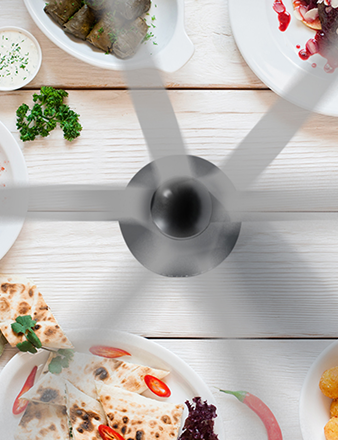
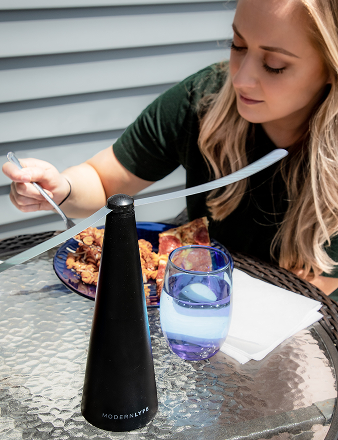
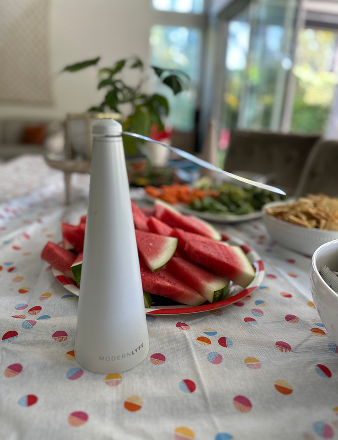
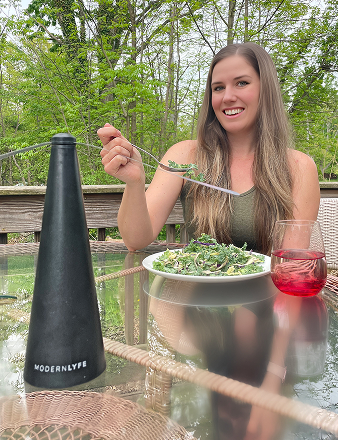
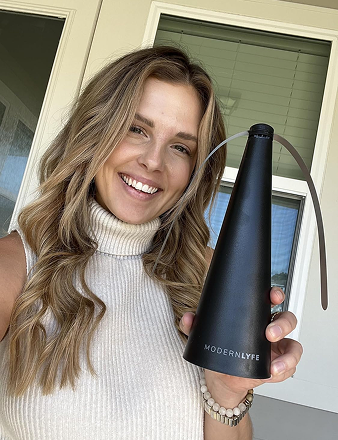
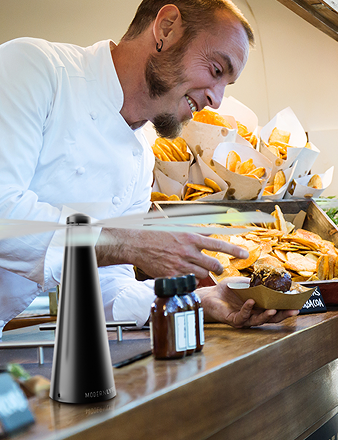
If you’re building a cleaner outdoor service setup around your buffet, boil station, or catered event, MODERN LYFE offers fly fans designed to help protect food and improve guest comfort without cluttering your presentation. For restaurants, hotels, caterers, and hosts who care about hygiene as much as presentation, it’s a practical upgrade that fits the way modern service works.