A guest steps onto the patio, the cocktails are out on time, the string lights look right, and then the flies show up. That's usually the moment a venue manager starts looking for a fast fix. Not a theory. Not a long procurement process. Just something they can deploy before the next service.
That's where the battery powered fly zapper gets attention. It's portable, cord-free, easy to move between a buffet, a bar station, and a back entrance. For home hosts, it feels like a cleaner answer than sprays. For caterers, it solves the outlet problem. For restaurant teams, it looks more modern than sticky strips.
But hospitality decisions can't stop at “seems convenient.” Guest experience, food safety, placement, noise, cleanup, and real-world pest behavior matter more than packaging copy. Some battery zappers are useful in narrow situations. Some are a poor fit for professional service. And some are sold as mosquito solutions when they aren't.
The Modern Challenge of Outdoor Pest Control
Outdoor service fails in small ways before it fails in obvious ones. A few flies circle a garnish station. Then guests start waving hands over their plates. Staff get pulled off service to swat near the host stand. One weak pest-control choice turns into a visible operations problem.
That's why pest control at a venue isn't just about killing insects. It's about protecting the room. On a patio, by a pool deck, or at an outdoor wedding reception, guests judge the space fast. If they see insects around food or drinks, they don't care whether your team had a staffing gap, a nearby dumpster issue, or weather working against you. They remember that the space felt unmanaged.
A battery powered fly zapper appeals because it fits modern service realities. You can move it without running extension cords across walkways. You can place it where power access is limited. You can use it at temporary setups like satellite bars, pop-up buffets, and lawn receptions where fixed infrastructure doesn't help much.
Where it fits best
In practice, these devices make the most sense when you need a portable, immediate-response tool for nuisance insects in a defined area. Think prep-side use, perimeter use, or short-term use during setup and breakdown.
They're also attractive in homes for the same reason. People want something they can grab quickly for a kitchen, patio table, garage, or backyard without rewiring the space.
Practical rule: If your main problem is general flying pests in a small zone, a battery zapper may help. If your main problem is guest complaints about mosquitoes, you need to be much more skeptical.
Why venue managers get tripped up
The trouble is that many buyers lump every flying insect problem into one category. They assume a zapper handles flies, gnats, mosquitoes, and anything else with wings. In hospitality, that assumption leads to poor placement, poor expectations, and poor results.
A smart buyer treats a battery powered fly zapper as one tool in a broader control plan. It can have a role. It just shouldn't be asked to do work it's not built to do.
How a Battery Powered Zapper Actually Works
A battery powered fly zapper works by storing a high-voltage charge on a metal grid and releasing that charge when an insect completes the circuit. In plain operational terms, it is a contact-kill tool. It does nothing until the insect reaches the mesh.

What happens inside the handle
The electrical principle is straightforward. Battery-powered fly swatters use a small oscillator and step-up circuit to convert low battery power into a much higher voltage at the grid. You can see that basic design in this circuit breakdown of a battery fly swatter.
Inside the handle, the batteries feed a compact board with parts such as a transistor, capacitor, transformer, and rectifier. Those components raise the voltage and hold it at the mesh. When a fly or similar insect touches two conductors at once, the insect becomes the path between them, and the stored charge discharges through the body.
That is the whole mechanism.
Many handheld units also use a 3-layer mesh layout. The outer screens reduce the chance of a person brushing the live section directly, while the center grid carries the killing charge. You can see a typical example of that construction in this rechargeable electric fly swatter listing from Harbor Freight.
What the zapper is and isn't
This matters in venue use because buyers often expect more from the device than it can deliver. A battery zapper does not pull insects in the way a trap does. It only kills what reaches the grid, which is one reason results can feel inconsistent in open-air hospitality settings.
That distinction is especially important if you are comparing it with a UV light trap for flies. A UV unit is built around attraction and capture. A battery zapper is built around contact and immediate kill.
That difference sounds technical, but it affects purchasing decisions. If staff need something they can grab and use on visible flies during setup, the zapper makes sense. If the goal is passive control over time, especially in a service area, this category has clear limits.
A quick visual helps if you're explaining this to staff or clients.
The practical trade-off is simple. Battery units are portable and fast to deploy, but they depend on insect contact and should not be mistaken for broad, professional-grade pest control.
Key Benefits for Modern Venues and Homes
A battery powered fly zapper wins on logistics before it wins on entomology. That's why it keeps showing up in catering kits, restaurant storage rooms, and home patio cabinets. It solves some very real setup problems.
Portability is the first real advantage
For event teams, cords are often the enemy. They create trip hazards, limit placement, and force you to design around outlet locations instead of guest flow. A battery zapper gives staff freedom to place a unit at a service gate, near a temporary beverage station, or in a prep corner without reworking the floor plan.
That flexibility matters most in places where layouts change constantly:
- Catered receptions: Floorplans change by event, so fixed pest-control hardware rarely lines up with service needs.
- Outdoor bars and patios: Teams can move the unit as the sun shifts, seating expands, or traffic patterns change.
- Homes and backyard gatherings: Hosts can bring coverage to a deck, garage opening, or outdoor table without extension cords.
It looks cleaner than many old-school options
Hospitality teams also care about what guests see. Sticky traps are effective in some contexts, but they're not attractive. Chemical sprays near food service create their own concerns. A battery-powered unit usually looks more intentional and less intrusive than improvised pest control.
That visual neatness matters in front-of-house zones. Guests may tolerate discreet prevention. They don't like seeing desperate prevention.
Immediate action has value
There's also a psychological benefit to active devices. Staff can hear and see that something happened. Compared with passive methods that work subtly over time, a zapper feels responsive. In some situations, that's useful. It reassures teams that the unit is on and working.
Here's where I'd draw the line for venue use:
| Use case | Battery zapper fit |
|---|---|
| Temporary event spaces | Strong fit because setup is fast and placement is flexible |
| Perimeter nuisance-fly reduction | Reasonable fit if the location is carefully chosen |
| Dining table protection | Weak fit because the noise and debris risk can work against guest comfort |
| Food-prep-adjacent use | Needs caution and distance, not casual placement |
| Mosquito control strategy | Poor fit if that's the main objective |
Best use cases are narrower than buyers expect
Battery models shine when you need a cordless, movable, fast-deploy tool. They don't shine when you need quiet, discreet, broad pest management through a full service period.
That distinction matters. For hospitality, the right tool isn't the one that sounds strongest in a product listing. It's the one that fits the service environment without creating a second problem.
Critical Features for Hospitality Professionals
If you're buying for commercial use, skip the flashy packaging and evaluate the device like any other piece of event equipment. Ask how it holds up through setup, service, teardown, storage, and cleaning. A battery powered fly zapper that works fine for a backyard may not survive repeated hospitality use.

Battery type and runtime
Battery choice affects labor more than most buyers realize. Disposable AA models are simple and cheap to keep in storage, but they create a steady replacement task and can become unreliable if staff grab half-used cells from random drawers.
Rechargeable units are usually better for venues with regular use. According to this video review of rechargeable bug zapper performance, rechargeable battery-powered bug zappers often use lithium-ion batteries and can run for 4–12 hours, depending on load and extra features like LED lighting. The same source notes that a 2 amp-hour battery yields about 4 hours of zapper-only runtime.
That gives you a practical buying question. Is the device meant for a dinner service, a ceremony plus reception, or quick spot use during setup? If the answer is “all evening,” battery planning can't be an afterthought.
Safety and enclosure quality
In professional settings, touch-safe design is paramount. Staff move quickly. Guests wander. Kids reach. A proper enclosed or layered mesh design matters more than marketing language about power.
Look for:
- Protected grid design: A layered enclosure helps reduce accidental contact.
- Stable base or secure mount: A unit that tips easily becomes a nuisance and a risk.
- Clear on-off control: Staff need to know instantly whether it's active.
If your team is comparing alternatives for tableside and buffet use, this guide to fly fans for restaurants is useful because it frames pest control around guest comfort rather than just kill mechanism.
Noise and guest perception
The zap sound is real. Some guests won't care. In a cocktail lounge, wedding dinner, or hotel terrace, they often do.
Put the loudest pest-control device in the quietest part of the venue, and guests will notice the device more than the decor.
That's why buyers should judge the unit in context, not in a warehouse. Test it during a quiet room setup. If the sound feels jarring, it's not front-of-house equipment.
Durability and cleaning access
Commercial teams need equipment that can be wiped down, moved, and reused without fuss. Hinges, switches, charging ports, and trays fail first. So do flimsy stands.
A few practical checks matter more than a long feature list:
- Housing strength: Plastic that flexes too much won't survive transport bins and event carts.
- Weather tolerance: For outdoor use, choose models built for changing conditions, not just fair weather.
- Cleaning access: Dead insects and residue build up. If staff can't clean it quickly, they won't clean it often enough.
Match the device to the venue task
A battery zapper should support a wider fly-control plan, not carry it alone. For kitchens, bars, dumpsters, drains, door management, and sanitation routines, strong operations still do most of the heavy lifting. This guide to effective restaurant fly control is a good reference because it puts the device in the context of the actual causes of fly pressure.
The best commercial purchase is usually the one that solves a narrow problem reliably, not the one that claims to solve every insect problem in the building.
Strategic Placement for Maximum Effectiveness
Placement determines whether a battery powered fly zapper helps the room or hurts it. Put it in the wrong spot and you draw attention, create noise where guests are eating, and still fail to intercept insects where they enter.

Pull activity away from guests
The first rule is simple. Don't place the unit over the problem area if the problem area is where people sit. You want flying pests intercepted before they reach the dining zone, not attracted deeper into it.
Good locations usually include:
- Perimeter edges of patios: Catch movement at the boundary instead of above tables.
- Entry points and service doors: These are common transition points for insects.
- Waste-adjacent but not guest-facing areas: Intercept traffic near the source without making the device part of the guest view.
Respect food and service zones
For buffets and food stations, distance matters. Keep any zapper far enough away that it isn't operating over exposed food, plates, glassware, or garnishes. The unit may still support the area, but it shouldn't become part of the service line itself.
A better approach is to create a layered position. Put the unit off to the side, behind the service path, or near an entry route insects use to reach the station.
Placement cue: If a guest can hear the zap while choosing dessert, the device is probably too close to the buffet.
Work with light, not against it
Competing light reduces the effectiveness of many insect devices. If the space is already flooded with decorative lighting, TV glare, and open kitchen light, don't expect a single portable unit to dominate the area.
Use these rules:
- Avoid direct placement beside bright decorative fixtures.
- Keep the unit visible to insect traffic, not hidden behind plants or signage.
- Mount or position it where staff can access it for cleaning without crossing the dining room awkwardly.
Use different tactics by environment
A patio isn't a lobby, and a wedding lawn isn't a food truck queue. Placement has to match how people move.
| Environment | Better placement |
|---|---|
| Patio dining | Outer boundary, away from primary seating clusters |
| Buffet service | Side or rear perimeter, not directly over exposed food |
| Hotel entrance | Near entry flow but outside immediate guest sightline |
| Back-of-house door | Close to the access point where insects enter during service |
Most placement failures come from trying to make one device do visible work in the middle of the room. Quiet control at the edges usually performs better.
The Uncomfortable Truth About Bug Zappers
Here's the part competitors often soften. A battery powered fly zapper can kill insects. That does not mean it solves the pest problem you care about.

They're poor mosquito tools
The biggest disconnect in this category is mosquito control. Buyers see “bug zapper” and assume it handles the insects guests complain about most. It often doesn't.
Mosquitoes are primarily attracted to carbon dioxide, body heat, and human sweat chemicals rather than UV light, which is why zappers fail to reduce mosquito populations even though they do catch light-attracted insects like moths, beetles, and gnats, as explained in this mosquito behavior overview.
The harder data is even less flattering. A 10-week study found that out of 13,789 insects killed by bug zappers, only 31 were biting flies, or 0.22%, and additional research found mosquitoes made up 4.1% and 6.4% of daily catches over a season. The same reporting states that no controlled scientific study has shown these devices reduce mosquito biting rates outdoors, and it also notes that electrocution can mist bug parts nearly 7 feet into the air, raising hygiene concerns near food areas. Those findings are summarized in this Wirecutter review of bug zapper effectiveness.
They kill a lot of the wrong insects
That's the second uncomfortable issue. Zappers are not selective. They often kill insects that weren't bothering your guests in the first place.
For a hospitality operator, that matters in two ways. First, you may get poor return on the device because it's spending effort on non-target insects. Second, the visual and cleanup burden still lands on your staff, even if the catch isn't solving the actual guest complaint.
Battery models have an added limitation
Portable battery units are convenient, but convenience comes with trade-offs. Battery-powered fly zappers are often assumed to perform like AC plug-in models, yet lower battery voltage and step-up limitations can leave them with less killing power than mains-powered units. A discussion in the prepper community points directly to that gap in real use, especially when buyers expect rechargeable units to hit like plug-in versions, as seen in this battery versus AC zapper discussion.
That doesn't make battery units useless. It means you should stop expecting them to behave like a full-strength permanent fixture.
If your venue's headline complaint is mosquitoes on the patio, a zapper is the wrong hero product.
Hygiene is where many operators draw the line
The aerosolized debris issue is the deal-breaker for some food-service teams. Even if the unit catches nuisance insects, many managers won't accept a device that can disperse insect fragments near service or dining zones.
That's why the honest position is this: a battery powered fly zapper can be a secondary tool for selected areas, but it's a weak primary strategy for mosquito-heavy outdoor hospitality.
Maintenance and Final Buying Considerations
A battery powered fly zapper usually fails at the boring part, not the sales demo. After a few services, the grid is dirty, the charging cable is missing, and staff stop trusting the unit because performance drops at the worst time.
That matters more than the first impression.
What routine upkeep actually looks like
Most portable zappers are simple devices, but they still need a routine. The outer safety mesh, inner grid, handle switch, and charging port all collect wear fast in real hospitality use. Handheld units get tossed into drawers, taken outside, wiped down in a hurry, and sometimes left discharged for days. That is how a decent purchase turns into dead stock.
The practical maintenance checklist is short:
- Brush off insect debris often: A dirty grid looks bad and reduces contact with the next insect.
- Set a charging routine: Rechargeable units perform better when one person owns the charging schedule instead of leaving it to whoever notices last.
- Inspect the handle, trigger, and port: These are common failure points on portable units.
- Store it in a dry, visible spot: If staff cannot find it quickly, they will not use it consistently.
If your team relies on rechargeable models, battery habits matter more than marketing claims. This guide on Van Dyke Outdoors battery upkeep is written for a different product category, but the storage and charging discipline still applies.
Buy for the actual job
This is the buying question that saves money. Are you trying to remove the occasional fly near a prep-free back-of-house corner, or are you trying to protect a guest-facing patio during service?
For light, sporadic fly issues, a battery zapper can be useful as a backup tool. It is portable, fast to deploy, and does not require wiring. For active dining areas, the trade-offs get harder to justify. Staff still have to clean it. Guests still see and hear it. It still does little for mosquito-heavy complaints, which are the complaints that usually hurt outdoor hospitality the most.
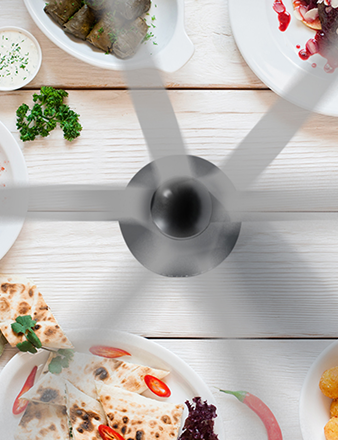
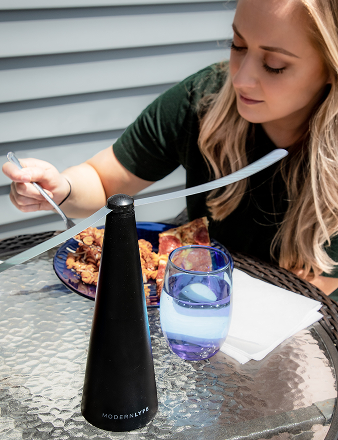
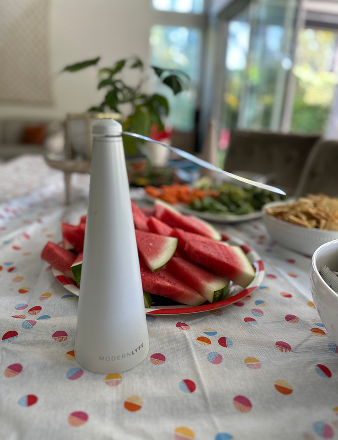
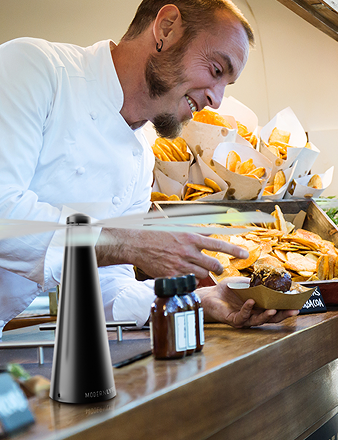
If the goal is discreet table protection with less visual disruption, options like battery-operated table fans for dining and event setups often fit the room better.
My buying rule is simple. If a device creates cleanup, noise, and staff tasks without solving the main pest complaint, it should not be your primary answer. A battery powered fly zapper can earn a place in the toolkit. It rarely deserves the lead role.
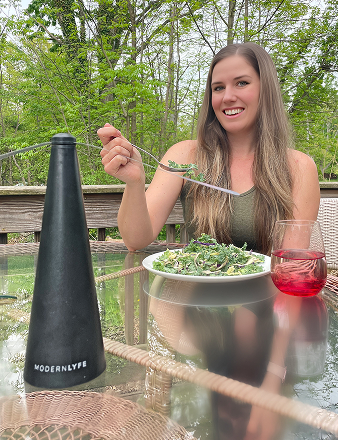
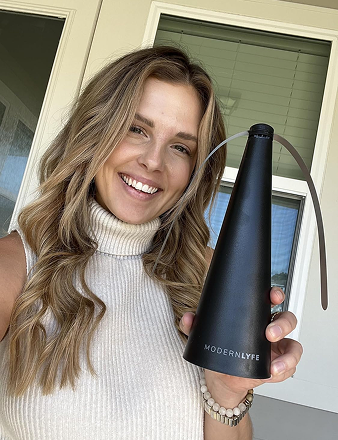
If you want a cleaner-looking way to protect dining tables, buffet setups, and event spaces from flies without the visual and operational downsides that come with zappers, MODERN LYFE offers quiet, battery-operated fly fans built for hospitality, events, and modern entertaining.