Saturday at 5:30 p.m., the seafood delivery is short, the backup supplier cannot match spec, and the banquet team is waiting on glassware that was supposed to arrive an hour ago. In hospitality, vendor problems do not stay in purchasing. They hit the dining room, the guest room, the event floor, and your staff's ability to recover in real time.
Every vendor touches the guest experience. Linen quality shapes first impressions in a hotel room. Produce consistency shows up on the plate. An AV partner can keep a wedding on schedule or force an apology from the planner before the first toast. The same applies to smaller purchases that get overlooked during busy weeks. A cleaning product with the wrong scent profile, serviceware that does not fit the event setup, or packaging that fails local rules can all create avoidable service issues. Teams working through local pop-up and event operations often run into similar compliance and sourcing problems, especially if they have not reviewed practical farmers market vendor requirements before booking suppliers.
Strong vendor management protects service standards, margins, and speed of response when something goes wrong. This guide focuses on what that looks like in restaurants, hotels, and events, where timing, consistency, and backup options matter more than generic procurement advice. Below are 10 practices that help turn a vendor list into an operating advantage.
1. Establish Clear Vendor Selection and Qualification Criteria
A bad vendor decision usually starts with a rushed buying decision. Someone needs a replacement supplier fast, pricing looks decent, the rep is responsive, and the team skips the hard questions. A few weeks later, quality slips, deliveries drift, or invoices stop matching what was promised.
In hospitality, qualification should match operational reality. A hotel sourcing banquet linens needs different criteria than a restaurant sourcing seafood, and both need different criteria than an event planner hiring a tent rental company. Price matters, but it can't outrank consistency, responsiveness, and fit for service conditions.

What to screen before onboarding
Use a simple weighted scorecard. Keep it practical enough that managers will use it.
- Quality fit: Ask for samples, trial service, or test orders. For a restaurant, that may mean produce samples across multiple deliveries, not just one perfect first shipment.
- Operational reliability: Check delivery windows, backup processes, lead times, and escalation contacts. If a vendor can't explain how they handle peak periods, don't assume they'll figure it out later.
- Hospitality alignment: Make sure they understand service-sensitive environments. A vendor serving office clients may not be ready for weddings, brunch rushes, or same-day banquet changes.
- Policy and site requirements: If you're working events or pop-up service, confirm they can meet venue and permitting standards similar to farmers market vendor requirements.
Practical rule: Never approve a new critical vendor based only on sales promises. Approve them based on evidence the operations team has seen.
I also recommend separating "nice to have" from "core requirements." For example, a low-cost outdoor equipment supplier might look good until you realize their components fail in heat, moisture, or wind. In hospitality, service conditions matter more than a polished pitch deck.
2. Implement Comprehensive Vendor Agreements and Contracts
A banquet starts at 6:00 p.m. The rental truck arrives at 5:20 with the wrong glassware, no floor manager contact, and a driver who says substitutions are standard. By the time anyone argues about what was promised, your team is already resetting tables under pressure. That problem usually starts in the agreement, not at the loading dock.
In hospitality, a contract needs to do more than confirm price and term length. It needs to spell out how service works under real operating conditions. The strongest agreements define delivery windows by shift or event type, approval rules for substitutions, invoice terms, escalation contacts, liability for damaged goods, and the exact response expected when service fails.
What strong contracts include
Current vendor management guidance points to service levels, review checkpoints, and clear accountability as standard practice, as described in this vendor management guidance. In hotels, restaurants, and events, that matters because vague wording turns routine problems into guest-facing problems.
A hotel laundry agreement should cover pickup and return times, shortage reconciliation, stained-linen disputes, emergency runs, and holiday staffing. A restaurant produce contract should define acceptable substitutions, case weights, quality standards on arrival, cut-off times for next-day orders, and credit handling for rejected items. An event planner working with a rental partner should lock in setup access windows, teardown deadlines, equipment condition standards, and responsibility for missing pieces after load-out.
Use the contract to remove avoidable judgment calls.
These clauses carry the most weight in day-to-day operations:
- Service definitions: State exactly what is being delivered, in what quantity, during which window, and at what quality standard.
- Escalation paths: List named contacts for regular hours, after-hours issues, event-day failures, and urgent guest-impacting problems.
- Change control: Require written approval for substitutions, rush fees, price changes, and scope changes before they hit the invoice.
- Recovery terms: Define credits, remake timelines, replacement obligations, and who covers the cost when the vendor causes service disruption.
- Exit terms: Set expectations for stock returns, open purchase orders, equipment pickup, data handoff, and transition support if the relationship ends.
I also recommend matching the level of detail to the category. A pest-control vendor does not need the same contract structure as a seafood supplier or an AV partner for corporate events. Overbuilding every agreement slows down purchasing and frustrates operators. Underwriting the high-risk categories first is the better call.
Once terms are live, connect them to your vendor performance metrics and review process so the contract can be enforced. If your team needs a practical format for turning contract terms into review criteria, a tool for better vendor engagement can help organize the handoff between procurement and operations.
3. Develop Performance Metrics and KPI Dashboards
If you can't show a vendor where they're missing the mark, every review turns into opinion versus opinion. Hospitality teams need a short list of metrics that connect directly to guest experience and operating control.
That doesn't mean building a huge dashboard no one checks. It means choosing a few measures that predict pain. For food and beverage vendors, on-time delivery, fill rate, product quality issues, and invoice accuracy are often enough to start. For outsourced housekeeping, you may care more about response time, quality exceptions, and staffing consistency.

Keep the dashboard usable
Current best practice guidance recommends scorecards tied to metrics such as on-time delivery, invoice accuracy, responsiveness, and cost variance from contract terms. That's the right model for hospitality because it helps managers move from frustration to evidence-based review. If you need a starting framework, a tool for better vendor engagement can help structure the conversation.
A clean dashboard should answer three questions quickly:
- Are they delivering as promised: Late deliveries before check-in or banquet setup matter more than broad monthly averages.
- Are they creating rework: Wrong pack sizes, damaged goods, and billing disputes all consume manager time.
- Are they improving or drifting: One bad week happens. A pattern needs intervention.
If your team already tracks internal service data, connect vendor reporting to it. The same discipline used in performance metrics for operations should apply to vendors too.
Track what your managers can act on this week, not what looks impressive in a quarterly slide deck.
4. Maintain Regular Communication and Relationship Management
Vendors perform better when they understand your operation, not just your purchase order. A seafood supplier who knows your holiday volume pattern can plan inventory better. An event rental partner who understands your load-in constraints can avoid day-of delays.
Too many hospitality teams only call vendors when something breaks. That creates defensive relationships and slower problem solving. The better approach is a simple communication rhythm based on how critical the vendor is.
Match cadence to importance
Strategic vendors need scheduled check-ins. That may mean monthly calls during peak season and quarterly business reviews for year-round partners. Lower-risk vendors might only need periodic touchpoints and issue-based follow-up.
Use those conversations for more than complaints:
- Share upcoming demand: Let vendors know about wedding season, patio season, conference blocks, and major promotions.
- Review recurring friction: Talk through substitutions, delivery timing, receiving bottlenecks, and invoice mismatches.
- Ask for ideas: Good vendors often spot waste, packaging issues, or menu support opportunities before operators do.
Some teams also benefit from adding lightweight communication support for internal follow-up and vendor coordination. Used carefully, tools like SupportGPT-1 can help organize responses, summarize issues, and keep conversations moving without losing accountability.
Relationship management isn't about being soft. It's about reducing surprises. Vendors are more likely to protect your account during shortages or disruptions when the relationship is active, clear, and professionally managed.
5. Implement Risk Management and Contingency Planning
A ballroom is set for 300 guests. Then the ice delivery is late, the backup generator vendor is unreachable, and the AV subcontractor shows up without the right cabling. In hospitality, vendor risk hits the floor in real time.
Treat vendor risk as an operating discipline, not a procurement file. The exposure sits across kitchens, housekeeping, engineering, events, finance, and IT. If those teams assess vendors separately, gaps show up fast. A hotel may approve a laundry partner on price and capacity, then learn during peak occupancy that the vendor has no backup transport route. A restaurant may rely on one seafood source until weather disrupts deliveries the day before a private event.
Start by identifying failure points that would interrupt service or damage the guest experience.
Build backups before you need them
As noted earlier, limited visibility into vendors and their downstream providers creates avoidable blind spots. In hospitality, that matters because your food distributor, linen company, payment processor, and event rental partner all depend on other firms you may never deal with directly.
For high-impact categories, ask harder questions upfront. What happens if the vendor loses staff for a weekend? What happens if their dispatch system fails? What happens if their key subcontractor misses a route or runs out of stock? Those answers matter more than a polished sales pitch.
A practical risk map usually includes:
- Single-source dependencies: One produce vendor for signature menu items, one laundry provider for banquet linens, one emergency HVAC contractor for guest rooms.
- Seasonal pressure points: Holiday occupancy, conference blocks, wedding season, festival weekends, hurricane season in coastal markets.
- Location constraints: Remote resorts, stadium-adjacent venues, properties with limited loading access, sites with few qualified local alternatives.
- Subcontractor exposure: Vendors that rely on one installer, one warehouse, one freight lane, or one specialized technician.
The highest-risk vendors need documented contingencies, not verbal assurances.
That means backup suppliers already vetted, alternate operating procedures your team can run under pressure, emergency contact trees with after-hours numbers, and limited safety stock for items you cannot substitute easily. For a hotel, that may mean a second linen source and a manual check-in process if a systems vendor goes down. For an event planner, it may mean holding backup rental inventory, prequalifying a second florist, and confirming who can cover labor if the primary crew falls short.
Test the plan before a live failure. Run a tabletop exercise with department heads and work through one realistic scenario at a time. If the walk-in cooler fails on a Friday night, who calls the refrigeration tech, who approves emergency spend, what product gets moved first, and which menu items come off sale? If your primary rental company drops out on a Saturday morning, the team should already know the next calls to make and what trade-offs to accept.
6. Conduct Regular Vendor Audits and Site Inspections
Some vendor issues can't be found in a spreadsheet. You see them when you walk the site, inspect storage conditions, watch loading practices, or review how the team handles your account.
That's especially true in hospitality, where presentation, cleanliness, handling, and timing all affect the guest experience. A catering partner may submit perfect invoices and still have poor sanitation habits. A logistics vendor may claim careful handling and still stage products in ways that damage packaging before delivery.

What to look for on site
Audits don't need to feel adversarial. The best ones verify capability and uncover preventable risk.
Check the basics first. Are goods stored correctly? Are damaged items segregated? Are service logs current? Is there a supervisor who can explain process changes clearly? For a manufacturer supporting hospitality products, inspect packaging discipline, quality checks, and replacement-part readiness. For a service vendor, observe staffing levels, appearance standards, and response handling.
A useful audit often covers:
- Process consistency: Whether the work matches the documented standard.
- Quality controls: How defects, shortages, and damaged goods are caught.
- Business continuity readiness: Backup power, backup transport, spare inventory, or alternate crew plans.
- Account understanding: Whether frontline staff know your property's standards.
A short training resource can help teams think more clearly about how to structure inspections and follow-up.
Use announced visits for collaboration and occasional unannounced checks where appropriate for service verification. If a vendor improves after feedback, acknowledge it. Audits work best when they reinforce accountability without turning every review into a showdown.
7. Establish Cost Management and Price Negotiation Strategies
Cost control matters. Cheap failure costs more. That's the tension every hospitality manager has to manage.
The wrong negotiation strategy focuses only on unit price. The better strategy looks at total operating impact. A lower-cost cleaning chemical that creates rework, guest complaints, or faster depletion isn't cheaper. A discount produce deal with inconsistent quality creates waste and menu stress.
Negotiate from operating value
The strongest negotiations start with facts from your own account. Know purchase volume, service issues, substitutions, invoice discrepancies, and seasonal demand swings before you sit down with the vendor.
Then trade intelligently:
- Volume commitment for stability: Useful when a supplier can reserve inventory or labor in return.
- Longer terms for better pricing: Helpful if the vendor has performed consistently and service levels are clear.
- Bundle scope carefully: Combining categories can improve pricing, but only if service quality stays manageable.
- Early payment or simpler ordering: Sometimes process efficiency matters to vendors as much as price.
More advanced vendor programs also use tiered governance and analytics instead of treating every supplier the same, according to Workday's vendor management guidance. That's a smart approach for hospitality groups. Your strategic food distributor deserves a different cost review process than a low-risk office supply vendor.
If you're reviewing broader procurement efficiency, these cost reduction strategies can help frame trade-offs without cutting into service quality.
8. Develop Vendor Performance Improvement Plans
Not every weak vendor needs to be fired immediately. Some do. Many don't. The key is knowing the difference.
A vendor that misses expectations but responds quickly, owns mistakes, and fixes root causes may still be worth keeping. A vendor that argues with documented issues, blames your team, or repeats the same failure probably isn't.
Fix the pattern, not just the incident
Performance improvement plans work best when they're concrete. Don't tell a linen company to "communicate better." Tell them what failed, what must change, who owns the correction, how progress will be reviewed, and what happens if they miss the mark again.
A strong plan usually includes:
- The exact problem: Late banquet resets, recurring shortages, preventable defects, or unresolved billing disputes.
- The operational impact: Guest complaints, delayed setup, menu substitutions, overtime, or revenue risk.
- Corrective actions: Staffing changes, route changes, packaging adjustments, retraining, or new QC steps.
- Review cadence: Weekly at first for urgent issues, then less often if performance stabilizes.
One practice I trust is separating attitude from performance. Some vendors are pleasant and still unreliable. Others are blunt but operationally excellent. Improvement plans should focus on what the operation needs, not who is easiest to chat with.
A vendor gets credit for fixing the issue only when your team stops feeling the issue on the floor.
Keep written records. If the vendor improves, great. If not, you've built a clean file for replacement, transition, or renegotiation.
9. Create Vendor Code of Conduct and Compliance Requirements
Brand risk often enters through ordinary suppliers, not dramatic crises. A vendor mishandles guest data, ignores labor standards, uses unsafe materials, or cuts corners in ways your guests never see directly but still associate with your business when it surfaces.
Hospitality brands need a vendor code of conduct that covers ethics, legal compliance, safety, data handling, and operational behavior. It doesn't need legal theater. It needs clear standards that match the kinds of vendors you use.
Make compliance operational
For hotels, that may include guest privacy, worker conduct on property, and chemical handling. For restaurants, it may focus on food safety documentation, traceability, sanitation expectations, and approved substitutions. For event businesses, it often includes insurance, site behavior, staffing appearance, and safety practices during setup and teardown.
Your code should define:
- Labor and workplace expectations: Safe working conditions and lawful employment practices.
- Environmental and material standards: Packaging, waste handling, and responsible sourcing where relevant.
- Data and confidentiality rules: Especially for booking systems, guest lists, payment workflows, or warranty claims.
- Property conduct: Access rules, appearance, behavior, photography restrictions, and contact protocols.
This area often gets overbuilt in large organizations and underbuilt in smaller ones. Lean teams don't need a massive compliance bureaucracy. They do need written expectations, acknowledgment from the vendor, and a review process for higher-risk partners.
10. Build Strategic Partnerships and Collaborative Innovation
A Saturday wedding is 90 minutes from guest arrival. The rental vendor calls to say the backup heaters draw more power than the venue can handle. In hospitality, that is not a purchasing problem. It is a guest experience problem, a timeline problem, and often a revenue problem.
Strategic vendor partnerships help prevent that kind of scramble. The strongest suppliers do more than ship on time. They warn you early, suggest practical changes, and help your team run service with fewer surprises.
That matters most with vendors tied directly to the guest experience. A hotel linen partner should understand par levels, stain turnaround, and what happens when occupancy jumps before a holiday weekend. A restaurant packaging supplier should care about heat retention, stackability, and what a takeout bag looks like when it reaches the guest. An event rental company should know load-in windows, venue restrictions, and how quickly a room has to flip between ceremony and dinner.

Choose strategic partners deliberately
Treat only a small group of vendors as strategic partners. Give that level of attention to suppliers that affect guest satisfaction, service continuity, or brand standards.
For a hotel, that may be laundry, PMS support, amenities, AV, or staffing agencies during peak season. For a restaurant, it is usually core food distributors, beverage partners, equipment service firms, and packaging vendors. For event planners, it often includes rental companies, florists, transportation partners, and power or lighting providers.
Small teams need to be selective here. A three-property hotel group or independent restaurant does not have time to run quarterly business reviews with every supplier. Put the effort where collaboration changes outcomes. If a vendor can help reduce stockouts, shorten setup time, protect presentation, or solve recurring service failures, they belong in the strategic group.
Strong partnerships usually show up in three ways:
- Mutual planning: The vendor wants demand forecasts, flags lead-time issues early, and helps you prepare for seasonality, promotions, and major events.
- Operational learning: They bring ideas that fit hospitality operations, not generic suggestions copied from another industry.
- Shared problem solving: They work on root causes with your team, such as prep flow, delivery timing, storage constraints, or product specs.
The practical nature of the trade-off is evident. Closer collaboration can bring better service and better ideas, but it also takes manager time, cleaner forecasting, and faster internal follow-through. If your team misses meetings, changes specs late, or withholds volume projections, even a good vendor will struggle to perform at a high level.
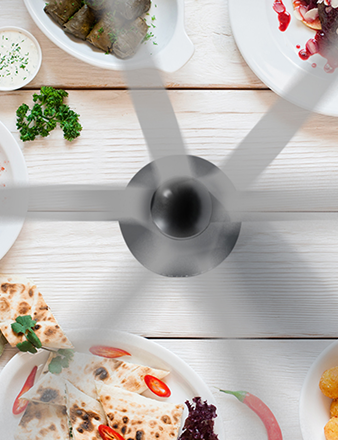
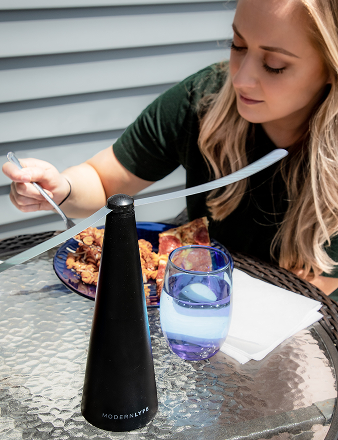
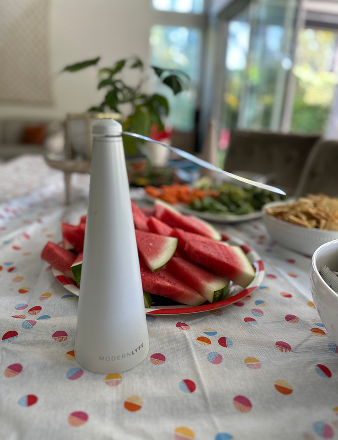
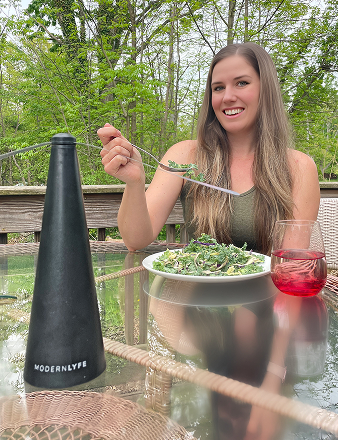
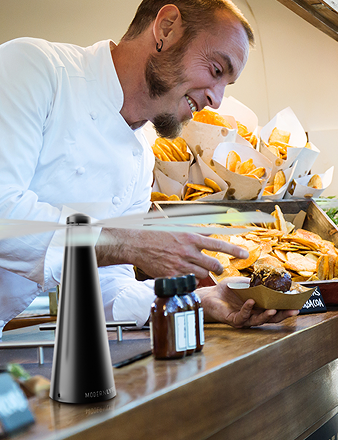
For businesses using guest-facing tools like Modern Lyfe fly fans, supplier collaboration can improve both outdoor dining and event execution. Product reliability, replacement part availability, and feedback from actual hospitality use all matter more when the item sits in front of the guest and affects comfort in real time.
Top 10 Vendor Management Best Practices Comparison
In hospitality, the right practice depends on what the vendor touches during service. A linen delay creates one kind of problem. A failed refrigeration contractor, seafood supplier, or AV partner during a live event creates another. Use the table below to match your process to the operational risk, staff time, and guest impact involved.
| Practice | Implementation Complexity 🔄 | Resource Requirements ⚡ | Expected Outcomes 📊 | Ideal Use Cases 💡 | Key Advantages ⭐ |
|---|---|---|---|---|---|
| Establish Clear Vendor Selection and Qualification Criteria | Moderate, build scorecards, review references, test samples | Moderate, purchasing time, chef or operations input, trial orders | More consistent quality, fewer service surprises, fewer rejected deliveries | New food vendors, housekeeping suppliers, event rentals, maintenance contractors | Screens out poor-fit vendors before they affect guests |
| Implement Detailed Vendor Agreements and Contracts | High, draft service terms, delivery standards, remedies, and response times | High, legal review, negotiation time, contract tracking | Clear accountability, fewer disputes, faster issue resolution | High-spend suppliers, outsourced services, guest-facing equipment, venue partners | Sets expectations clearly and gives managers options when service slips |
| Develop Performance Metrics and KPI Dashboards | Medium, define measures and connect reporting | Medium, reporting tools, clean data, manager review time | Objective performance tracking, earlier issue detection, better follow-up | Multi-unit restaurants, hotel groups, recurring event vendors | Replaces anecdotal complaints with usable evidence |
| Maintain Regular Communication and Relationship Management | Low, set meeting cadence and escalation paths | Moderate, manager time, vendor contacts, issue logs | Faster response, fewer misunderstandings, better day-to-day coordination | Produce vendors, linen services, staffing agencies, banquet suppliers | Helps teams solve problems before they hit service |
| Implement Risk Management and Contingency Planning | High, map failure points and backup options | High, alternate suppliers, buffer stock, planning effort | Better continuity during shortages, delays, or equipment failures | Peak season purchasing, single-source items, critical guest amenities | Reduces disruption when a vendor misses, runs short, or goes offline |
| Conduct Regular Vendor Audits and Site Inspections | Medium, plan reviews and complete inspections | High, travel, audit checklists, quality and safety staff | Verified standards, stronger quality control, fewer hidden issues | Commissaries, laundry providers, food producers, fabrication shops | Confirms the vendor can deliver what the contract promises |
| Establish Cost Management and Price Negotiation Strategies | Medium, review spend, compare market pricing, negotiate terms | Moderate, buyer skill, spend analysis, supplier quotes | Better margins, cleaner pricing structure, lower total operating cost | High-volume food buys, disposables, utilities-related services, recurring rentals | Improves cost control without cutting service blindly |
| Develop Vendor Performance Improvement Plans | Medium, identify root causes and assign actions | Moderate, cross-functional support, vendor cooperation, follow-up time | Corrected performance issues, retained continuity, clearer accountability | Strategic vendors with recurring misses but replacement difficulty | Often cheaper and less disruptive than switching vendors midseason |
| Create Vendor Code of Conduct and Compliance Requirements | High, define policy standards and monitoring steps | High, legal input, training, documentation, compliance reviews | Lower legal and reputational exposure, clearer operating standards | Alcohol suppliers, labor providers, food safety-sensitive sourcing, branded properties | Protects the brand and sets a baseline for acceptable behavior |
| Build Strategic Partnerships and Collaborative Innovation | High, set joint planning routines and shared priorities | High, executive attention, shared testing, operational input | Better product fit, service improvements, stronger long-term value | Custom menu items, seasonal programs, guest comfort products, recurring large events | Produces ideas and operating gains that transactional vendors rarely deliver |
Turn Your Vendor List into a Strategic Asset
Most hospitality businesses don't lose control of vendor performance all at once. It slips gradually. Contracts get outdated. Backup options disappear. Managers stop documenting issues. Teams rely on memory instead of records. Then one busy weekend exposes every weak point at the same time.
That's why the best practices for vendor management work best as an operating system, not a one-off cleanup project. Clear selection criteria stop bad-fit vendors from entering the business. Strong contracts remove ambiguity. Performance dashboards create evidence. Regular communication reduces surprises. Risk planning gives your team options before service is affected.
This also needs the right level of rigor. Not every paper goods supplier needs executive review, and not every strategic partner should be squeezed through the same rigid process. Good vendor management in hospitality is disciplined but practical. It reflects what the vendor touches, how quickly a failure would hit guests, and how hard it would be to recover during service.
The biggest shift is cultural. Vendor management shouldn't sit only with procurement or accounting. Operators, chefs, event managers, facilities leaders, and finance teams all need a voice because vendor failures land across the business. That enterprise-wide approach has become more important as supply chains have grown more complex and as hospitality operations have had to manage continuity, quality, cybersecurity posture, and contract discipline together.
Small teams can still do this well. Start with your most critical vendors. Build one source of truth for contracts, contacts, service expectations, and issue history. Review a short list of performance measures consistently. Identify where you have single points of failure. Tighten the vendors that directly affect the guest first.
If you want to reduce administrative friction while improving oversight, it also helps to look at tools and systems built for streamlined contractor management. The exact platform matters less than the habit of centralizing information and making accountability visible.
In hospitality, a strong vendor network protects more than purchasing efficiency. It protects the room turn, the banquet timeline, the wedding setup, the patio dinner service, and the guest's impression of whether your business feels dependable. That's why this work deserves attention from leadership, not just whoever happens to place the order.
Pick one area this week. Tighten vendor selection. Rewrite a weak SLA. Build a scorecard for your top five suppliers. Confirm your backup plan for a critical category. Small moves compound when they're applied to the vendors your guests depend on most.
Modern Lyfe helps hospitality teams create cleaner, more comfortable dining and event setups with elegant fly fan solutions built for real service environments. If you're outfitting restaurant patios, buffet lines, hotel events, or outdoor gatherings, explore Modern Lyfe for practical products that support guest comfort, food presentation, and reliable day-to-day operation.